Bite Alignment Problems: How Malocclusion Damages Teeth, Gums, and Restorations
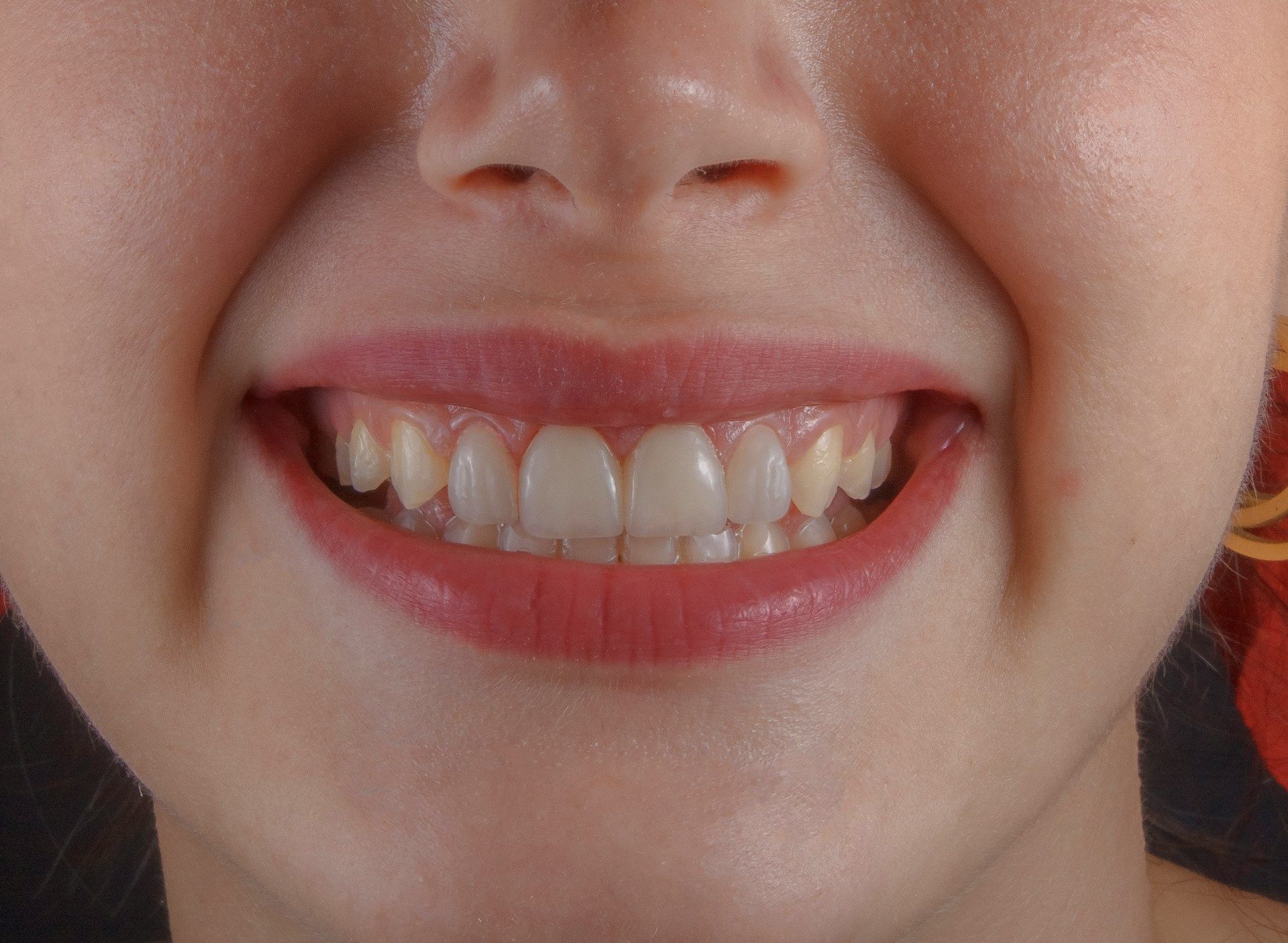
When Your Bite Quietly Damages Your Teeth
Bite problems are not always loud or dramatic. Many people notice tiny chips on the edges of their teeth, gums that seem to creep higher, or a crown that keeps breaking, yet they have little or no jaw pain. It can feel random, like things are just “wearing out.”
What is often happening is quieter. When your bite is slightly off, certain teeth and gums take more force than they are designed to handle. That extra pressure can slowly damage natural teeth, restorations, and the supporting tissues long before you feel strong TMJ pain.
In this post, we want to explain how a misaligned bite, called malocclusion, can cause tooth wear, gum recession, and cracked dental work, even when your jaw joints seem fine. We will also share how a dentist in Bermuda with advanced training looks at your whole bite to protect your smile for the long term.
What Malocclusion Really Is Beyond Crooked Teeth
Many people hear “malocclusion” and think it just means crooked teeth. But your bite is not only about how straight your teeth look. It is about how your top and bottom teeth meet when you close and move your mouth.
You can have straight teeth and still have a bite that does not work well. For example, your front teeth might hit too hard, or your back teeth might not touch evenly. That can overload certain areas, even if your smile appears great in photos.
Some common bite patterns include
- Overbite, top teeth cover too much of the bottom teeth
- Underbite, the lower teeth sit in front of the upper teeth
- Crossbite, some top teeth bite inside the bottom teeth
- Open bite, front teeth do not touch when the back teeth are together
- Deep bite, the upper front teeth almost cover the lower front teeth completely
Each of these patterns can create stress points where teeth or restorations get hammered with extra force. This is why a true bite exam looks at how your teeth move against each other, not just how straight they are. A careful functional exam by a dentist in Bermuda can pick up these issues early, even if you do not feel much discomfort yet.
How a Bad Bite Wears Down Teeth and Gums
When your bite is off, your body tries to “solve” it. One way it does this is through grinding or clenching, especially at night. If certain teeth hit early or harder, your jaw muscles keep searching for a more comfortable spot, and that motion can slowly grind down enamel.
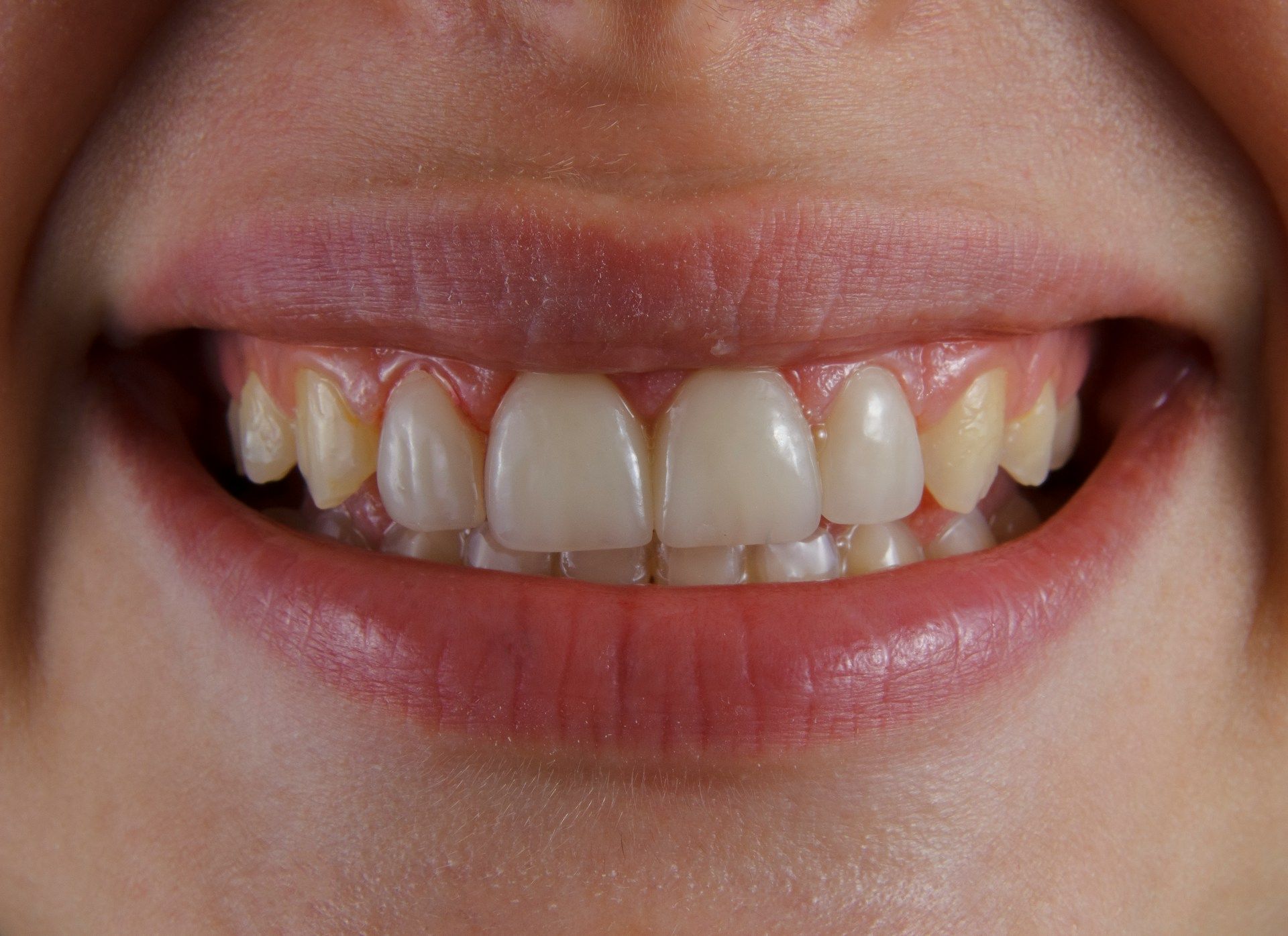
Tooth wear from a bad bite can look like
- Flattened or sharp edges on front teeth
- Tiny fractures or chips at the corners
- Teeth that look shorter than they used to
- New sensitivity to cold drinks or certain foods
Your gums and bone feel this extra force too. If one tooth or a small group of teeth is overloaded, the supporting bone and gums can get stressed. Over time, this may lead to gum recession and exposed roots.
Gum and support problems can show up as
- Gums pulling back so teeth look longer
- Notches or grooves near the gumline
- Exposed root surfaces that feel sensitive
- Spaces that trap more food than before
You might also notice subtle things, like a tooth that feels slightly loose after chewing something harder, or teeth that feel “off” for a moment, then settle. These small signals often hint that your bite is not sharing the load evenly.
Why Crowns, Fillings, and Implants Keep Cracking
Dental work is strong, but it still has limits. When your bite focuses too much force on one crown, filling, or implant, those limits get tested again and again. That is when things start to chip, crack, or come loose.
Restorations under stress may
- Chip along the edges where they first hit
- Fracture across the middle of a filling or crown
- Wear down faster than the surrounding teeth
- Cause implant screws or parts to loosen
If the bite problem is never addressed, you can end up stuck in a cycle of repair. A filling breaks, it gets replaced. The crown chips, it gets redone. The implant crown keeps loosening. It feels like bad luck, but often the real cause is that the bite has never been corrected.
When a dentist looks carefully at your occlusion, or how your teeth fit together, they can plan restorations with your bite in mind, not just the single tooth. This might include reshaping certain spots, using bite splints at night, or planning a larger smile rehabilitation to spread forces more evenly. The goal is to make every new piece of dentistry part of a stable, balanced system instead of a quick patch.
TMJ, Headaches, and Sleep: The Bigger Picture
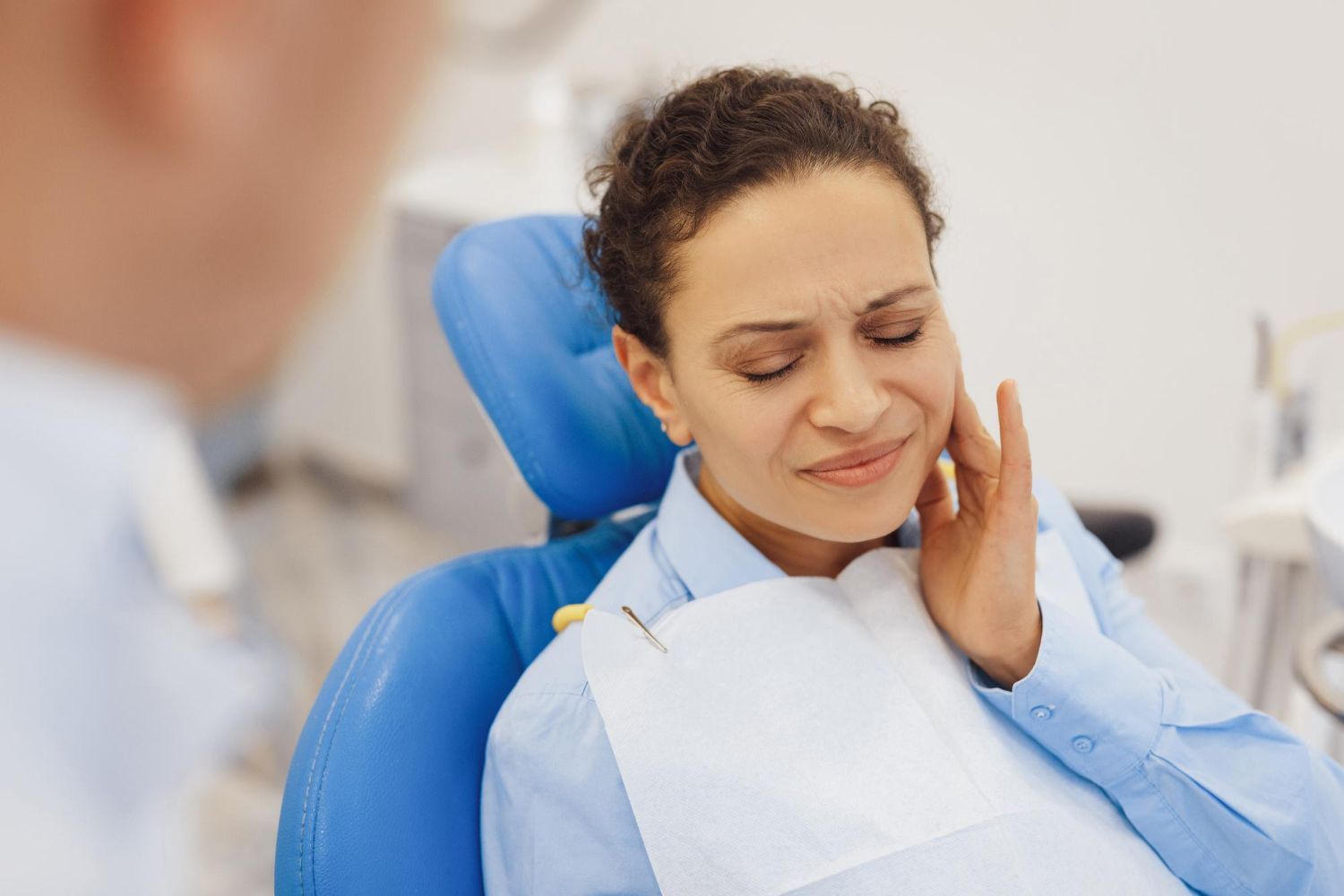
TMJ problems are often linked to bite issues, but they do not always show up as strong pain. Some people have jaw joints that click or pop, morning stiffness, or a jaw that does not open as wide as it used to. Others mostly see dental damage, with only mild jaw discomfort that they ignore.
Overworked chewing muscles can also affect more than your mouth. Long-term clenching or grinding can contribute to
- Tension headaches, especially around the temples
- Facial fatigue, like your cheeks or jaw feel tired
- Neck and shoulder tightness that does not fully go away
Your bite and jaw position are also connected to your airway. The way your jaws line up can affect how much space your tongue and soft tissues have when you sleep. In some people, that can play a role in snoring or sleep-disordered breathing.
At an advanced practice, we look at how your teeth, bite, joints, muscles, and airway all relate to each other. At Paget Dental, we use that bigger picture to guide care for things like implants, smile rehabilitation, TMJ therapy, and sleep apnea treatment so your teeth are not treated in isolation.
Protecting Your Smile, Next Steps You Can Take
You do not need to diagnose yourself at home, but you can watch for early warning signs. These clues can help you decide when it is time to have your bite checked.
Things to notice include
- New chips or cracks that “appear out of nowhere”
- Uneven wear or flat spots on certain teeth
- Gums that seem to be pulling back or looking uneven
- Fillings or crowns that break or come loose more than once
- Morning jaw tightness or teeth that feel sore after waking
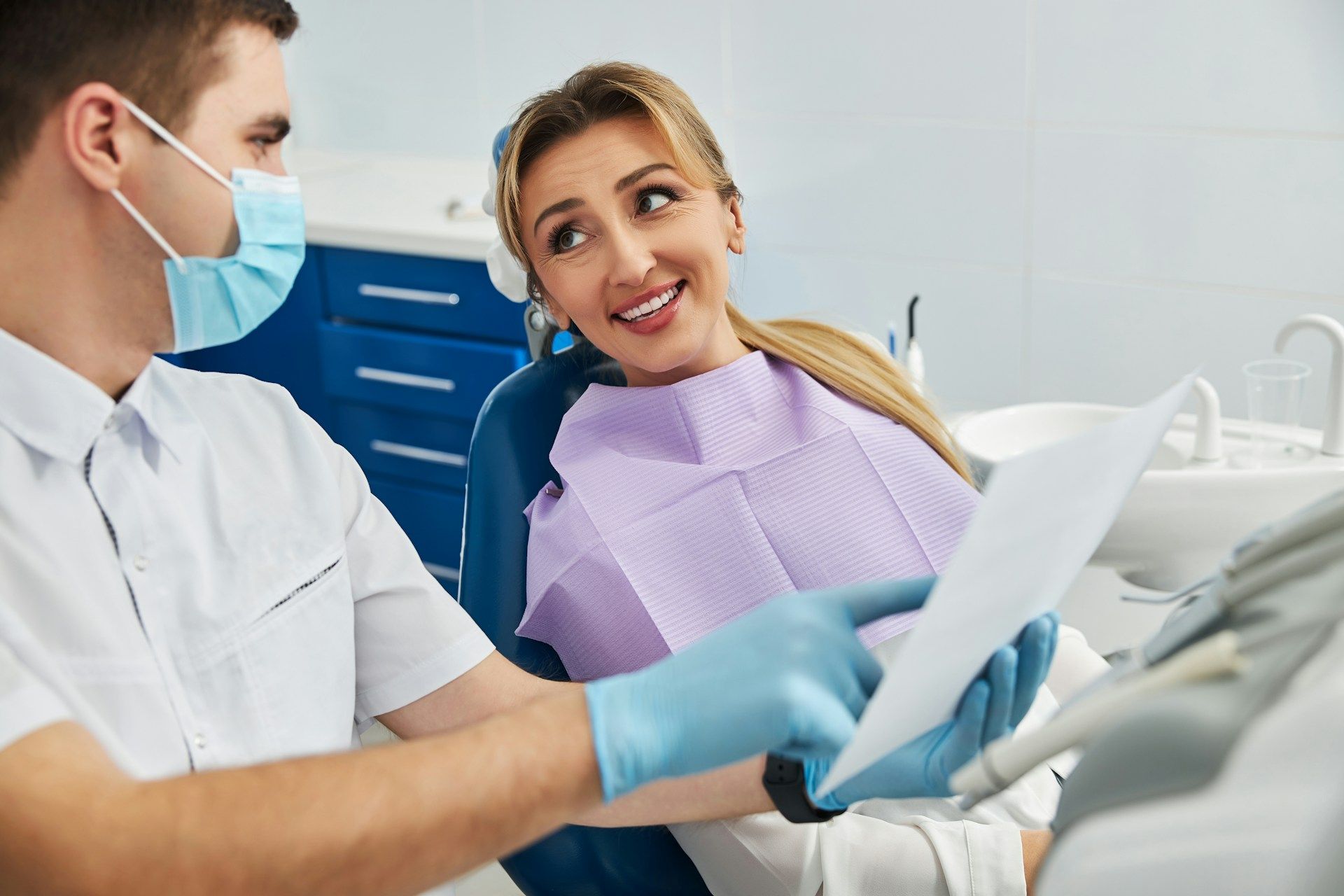
During a careful bite evaluation, you can expect more than just a quick look. A modern exam often includes photos of your teeth, digital scans, and a close check of how your teeth touch in different positions. Your dentist may also feel your jaw joints, test your range of motion, and ask questions about headaches, clenching, breathing, and sleep.
At Paget Dental here in Bermuda, our focus is on long-lasting solutions and comfortable function. By paying attention to your bite and not only the single tooth that is broken, we work to protect your natural teeth, gums, and restorations for the long term so your smile can feel as good as it looks.
Take The Next Step Toward A Healthier Smile
If you are ready to address lingering dental concerns or simply keep your smile in top shape, we are here to help. As your trusted
dentist in Bermuda, Paget Dental offers comprehensive care tailored to your needs and comfort. Reach out to our team with questions or to schedule an appointment through our
contact us page. Let us partner with you to maintain a healthy, confident smile for years to come.