Bite Problems After a Smile Makeover: Headaches, Chips, Sensitivity

Protecting Your New Smile From Hidden Bite Problems
A smile makeover in Bermuda can feel life changing. Your teeth look brighter, straighter, and more balanced in photos and in person. But if your bite is even a little off after veneers, crowns, bridges, or implants, problems can start to show up quietly.
Your bite, or occlusion, is the way your upper and lower teeth touch when you close your mouth. When it is balanced, your teeth, jaw joints, and chewing muscles share the workload comfortably. When it is not, even small changes can lead to chipping, sensitivity, and new headaches.
New symptoms after dental work are not just annoyances to ignore. They can be early warning signs that your bite needs a fine-tune. At our family practice, we focus on long-term comfort and function, not just how your smile looks. Our goal in this guide is to help you spot red flags early and understand when an occlusal adjustment can protect your new smile.
Common Red Flags After a Smile Makeover
It is normal to feel a bit different right after dental work. Your teeth may be slightly tender as they settle, and your tongue needs time to get used to new shapes. But some symptoms go beyond normal healing and point to bite trouble.
Watch for jaw and muscle changes like:
- Jaw or cheek muscles that feel tired or tight
- Soreness when chewing, especially on one side
- Clicking, popping, or a catching feeling in the jaw joint
- New or worse clenching or grinding, especially at night
Tooth changes are another big clue:
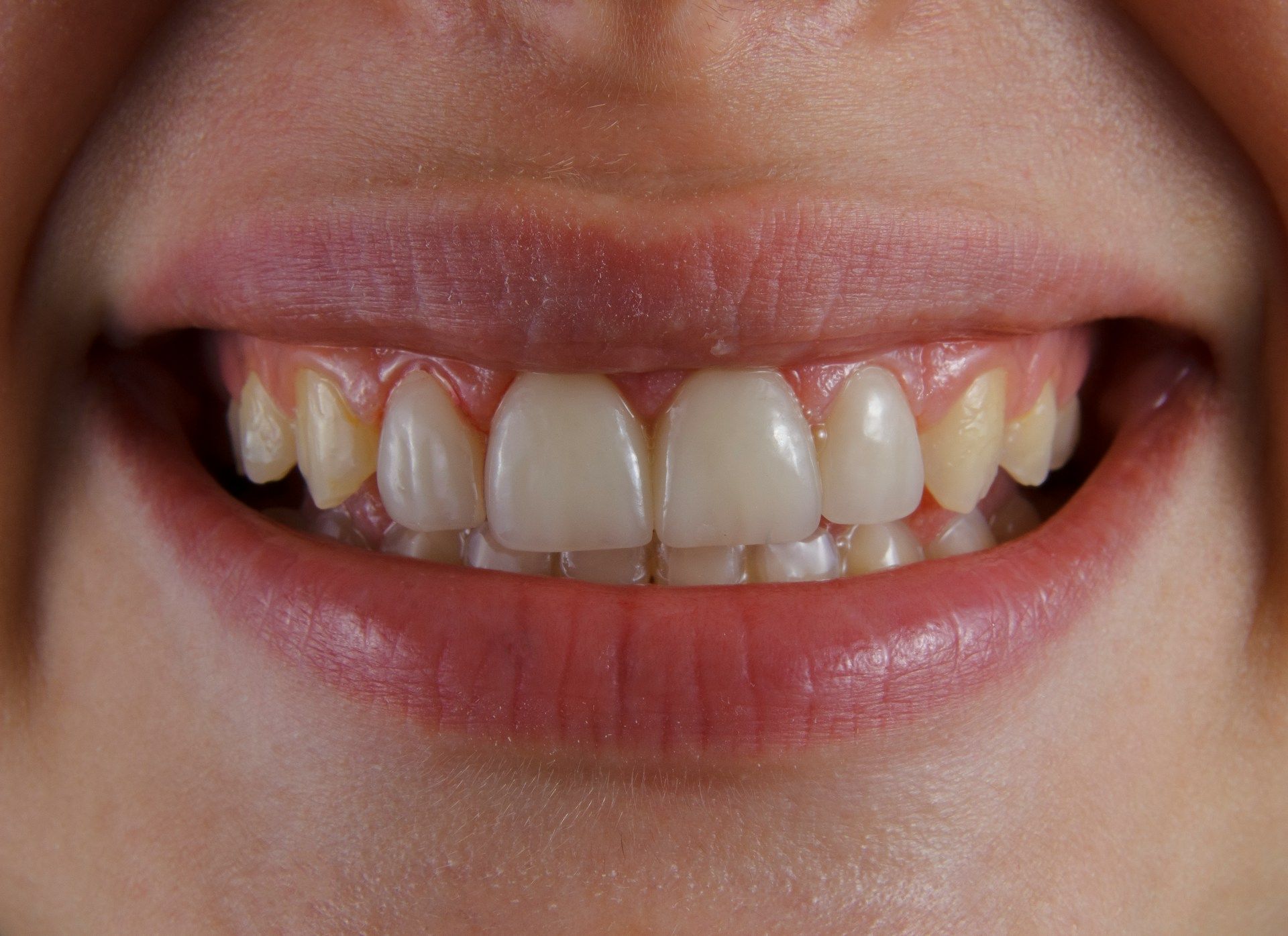
- New chips or cracks in veneers, crowns, or edges of teeth
- One tooth or area that feels like it “hits first” when you close
- Rough or uneven wear marks that were not there before
- Sensitivity to pressure or cold in one small spot
You might also feel things away from your teeth:
- Tension headaches across the temples or behind the eyes
- Facial pain, especially around the cheeks or jawline
- Fullness or discomfort near the ears
- Neck or upper shoulder tightness that started after treatment
Short-term mild tenderness right after a big visit can be normal. What is not normal is pain or sensitivity that keeps going, gets worse, or starts days or weeks after your smile makeover. Those signs usually do not fade on their own and tend to build over time.
Why Bite Changes Happen After Cosmetic Dentistry
Even when cosmetic and restorative work is done with care, it can change how your teeth meet. A veneer or crown can slightly adjust the height or angle of a tooth. An implant crown or bridge can add new contact points that were not there before. Your bite is a team effort, so even tiny shifts on one tooth can affect the whole system.
Your jaw joints and chewing muscles are smart. If your teeth do not meet evenly, your body often tries to “fix” it by:
- Sliding your jaw into a new closing path
- Tightening certain muscles to avoid sore spots
- Grinding or clenching to flatten high areas
Over time, that extra work can lead to muscle pain, joint stress, and worn or broken dental work.
Sometimes, a smile makeover in Bermuda can uncover problems that were already there. Old bite issues, long-term clenching, or sleep apnea-related grinding might have been hiding in the background. When your teeth are changed, those issues can show up more clearly.
It is easy to blame veneers or crowns themselves. In many cases, the real issue is that old bite or joint problems were not fully addressed, or a small change tipped the system out of balance. Careful planning with bite analysis and digital tools can lower the risk, but even then, your mouth can respond in its own way and need fine tuning.
When Sensitivity, Chipping, or Headaches Mean Trouble
Right after treatment, it is common to feel:
- Mild tenderness to chewing
- A bit of temperature sensitivity
- A slightly “different” feeling when you close your teeth
This should ease over days or a few weeks. If it does not, or if new problems show up, it is time to pay attention.
Here are situations that usually need a closer look:
- A new veneer chips at the edge while you are eating softer foods
- One side of your mouth feels “high,” sore, or achy when you close
- Headaches or jaw pain begin soon after your smile makeover and keep coming back
- A single tooth or crown feels sharp, bruised, or “zappy” when you bite
Tooth sensitivity might mean:
- A high spot is taking too much force
- A tiny crack has started in the tooth or restoration
- The tooth is being pushed or flexed unevenly
If you keep having chips or fractures in your dental work, it usually does not mean the material is weak. It is more often a sign that your bite is loading those areas too hard or at the wrong angle.
It helps to keep notes about:
- When symptoms started
- What time of day they are worst
- Which teeth or areas feel off
- Foods or habits that seem to trigger pain
Sharing this detail makes it easier for us to pinpoint the cause quickly.
What an Occlusal Adjustment Is and How It Helps
An occlusal adjustment is a careful reshaping of how your teeth touch so your bite feels even and stable. It does not mean big drilling or starting over. The goal is to remove tiny high spots and spread your chewing forces in a healthier way.
A typical process looks like this:
- We check your bite with thin colored papers that mark where teeth hit
- We may use digital tools or models to see how your jaw moves
- We spot areas that hit too hard or too early
- We make very small, precise changes to enamel or restorations
- We recheck, fine-tune, and have you test how it feels
Most people are surprised at how minor the changes are. Only a tiny amount of material is removed, and it is usually painless and quick.
A well-balanced bite:
- Shares chewing forces across many teeth
- Lowers the risk of chipping or cracking veneers, crowns, and natural teeth
- Reduces strain on implants and helps them stay stable
- Helps calm overworked muscles and joints
For people who clench, grind, or have TMJ or sleep apnea issues, occlusal adjustment may be used along with a custom night guard, TMJ care, or an oral appliance. That way, we are not just fixing the contacts, we are also caring for the habits and airway concerns that affect your bite.
Advanced Bite Care at Paget Dental in Bermuda
At Paget Dental, we focus on smiles that look good and feel good. Before and after cosmetic or implant treatment, we pay close attention to how your teeth come together. We want your new smile to blend into a bite that is stable, not stressful.
Drs. James and Alex Fay place a strong value on planning and long-term results. That includes:
- Careful bite evaluation during smile rehabilitation
- Monitoring how your jaw joints and muscles respond to changes
- Adjusting restorations as needed so your bite stays balanced
Because we also treat TMJ problems and provide sleep apnea oral appliance therapy, we see how closely these issues can link to your bite. Addressing them together often leads to better comfort and longer-lasting dental work.
Whether you live in Bermuda or visit for care, ongoing checkups and bite reviews help keep your smile healthy. If you have new headaches, chipping, or sensitivity after recent dental work, even if it was done somewhere else, bringing your records to a visit can help us understand your bite story and protect your new smile.
Transform Your Confidence With a Customized Smile Makeover
If you are ready to change how you feel every time you look in the mirror, we are here to help you plan a personalized smile makeover in Bermuda. At Paget Dental, we take time to understand your goals so we can recommend treatments that fit your lifestyle, timeline, and budget. Schedule a consultation today by using our contact us page so we can start designing a smile that truly feels like you.