Silent Dental Damage From Sleep Apnea and TMJ Connection

Hidden Dental Dangers Lurking While You Sleep
Sleep should be the time your body rests and repairs. For many people, though, the mouth is working overtime at night, and the damage is easy to miss. Conditions like sleep apnea and TMJ problems can quietly wear down teeth, strain the jaw, and irritate the gums, all while you are sound asleep.
Many people first learn something is wrong when they visit the dentist for chipped teeth, sore jaws, or broken fillings. What looks like a simple dental problem is often a sign of a deeper sleep or jaw issue. When sleep apnea treatment and TMJ care are delayed, the strain can build for years and create more complex problems later on.
At our family practice here in Bermuda, we see how early attention to airway, bite, and jaw joints can protect smiles long-term. With training in TMJ and dental sleep medicine, we look beyond single teeth and focus on how you breathe, sleep, and use your jaw every day and every night.
How Sleep Apnea Impacts Your Teeth and Jaw
Obstructive sleep apnea happens when the airway partly or fully closes off again and again during sleep. Your body has to fight to pull in air. The brain keeps waking you just enough to tighten muscles and reopen the airway. This stop and start pattern is hard on the whole body, including the jaw.
When breathing feels blocked, many people clench or push the lower jaw forward without even knowing it. That extra effort can show up in the mouth as:
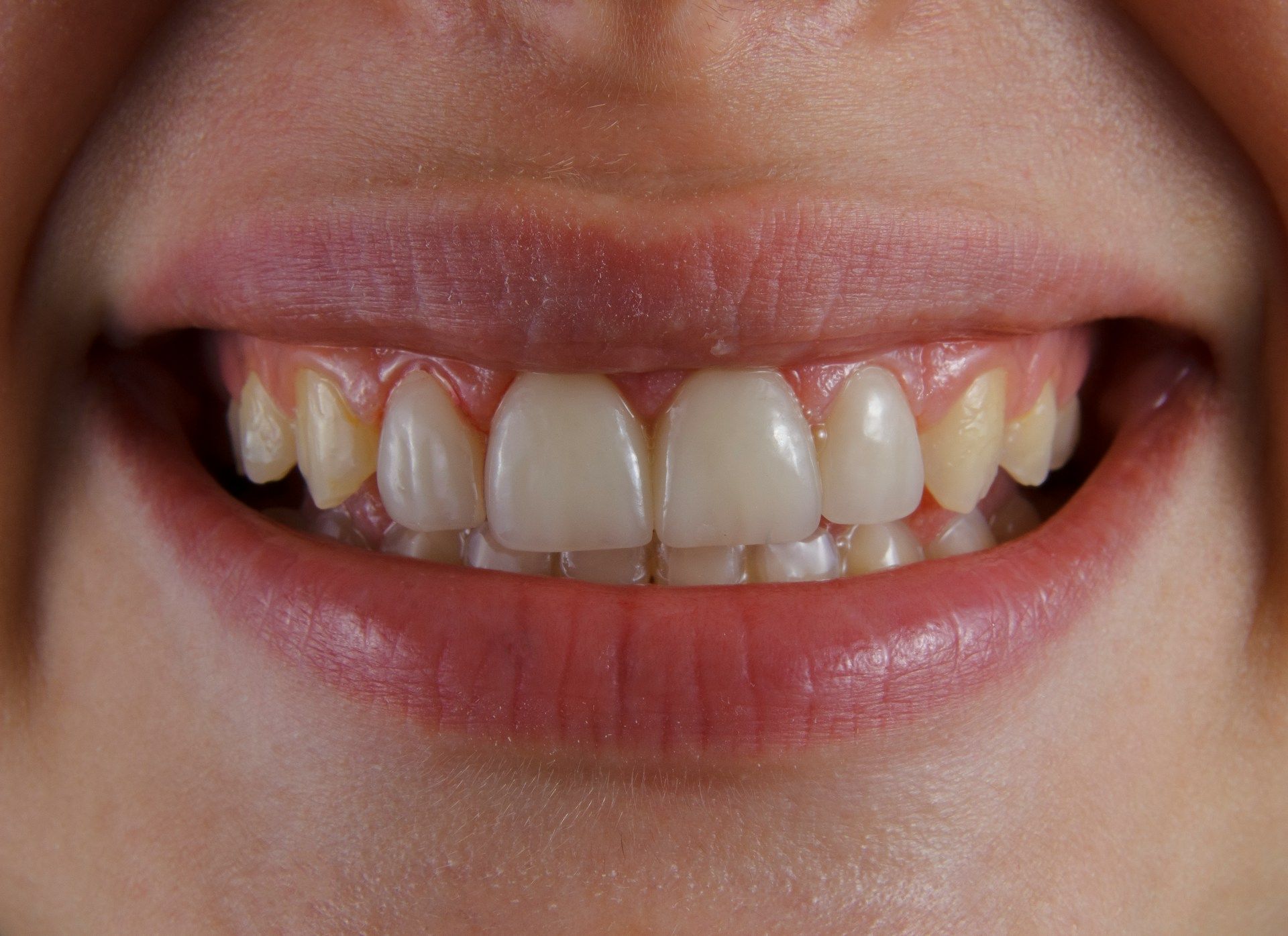
- Flat, short, or chipped front teeth
- Receding or irritated gums around certain teeth
- Scalloped edges on the sides of the tongue
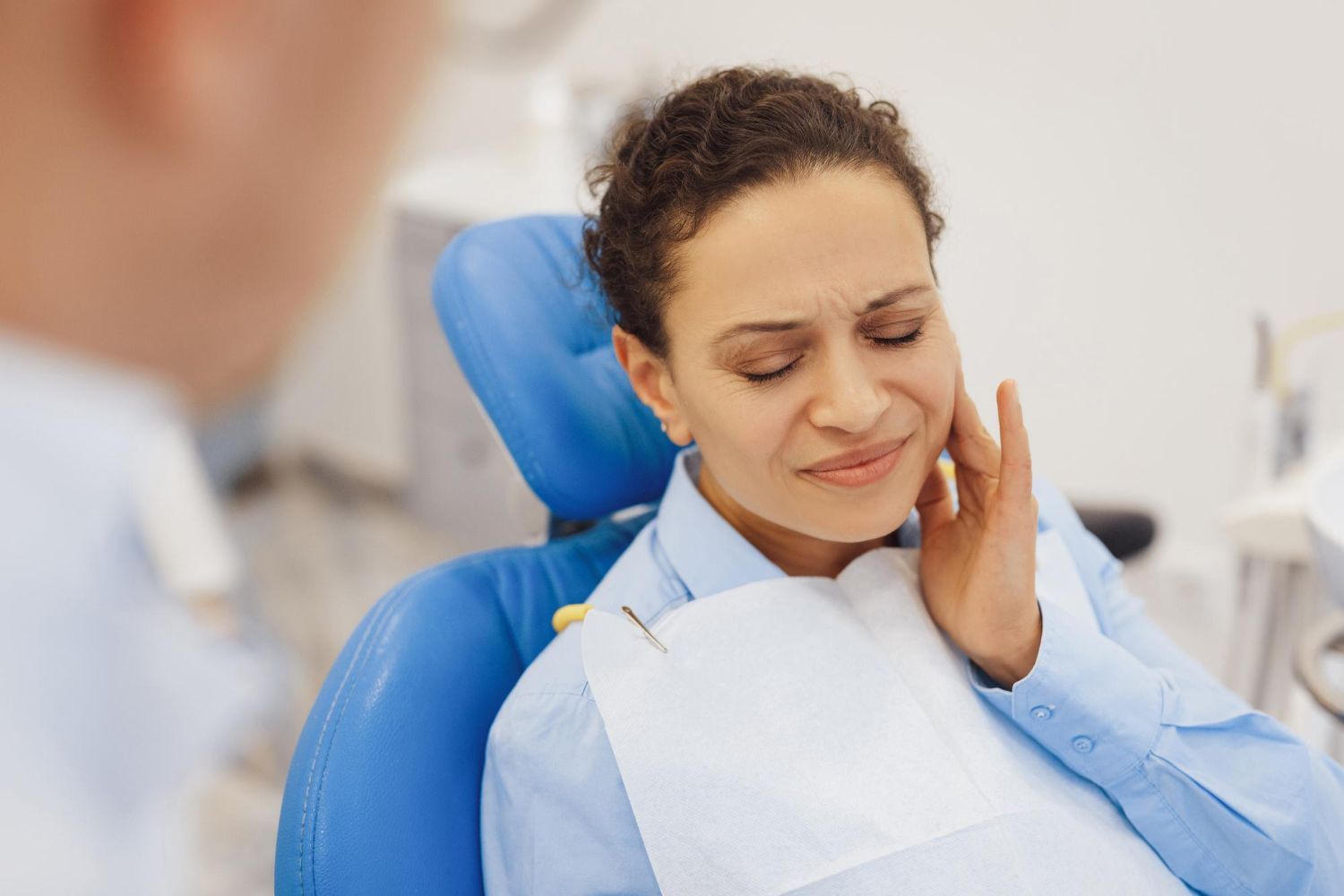
- Morning jaw, neck, or facial soreness
These are often called “silent” signs because you may not feel them during the night. You only notice the after-effects in the mirror or at the dental chair. Over time, untreated sleep apnea can be linked with:
- More strain on the TMJ joints
- Headaches when you wake up
- Changes in your bite as teeth shift under pressure
Dentists are in a good position to spot these patterns early. When we look at your teeth, bite, and jaw movement together, we can often see clues that point to a possible sleep breathing problem. That is where sleep apnea treatment and careful dental monitoring work hand in hand.
The Overlooked Link Between TMJ Disorders and Sleep
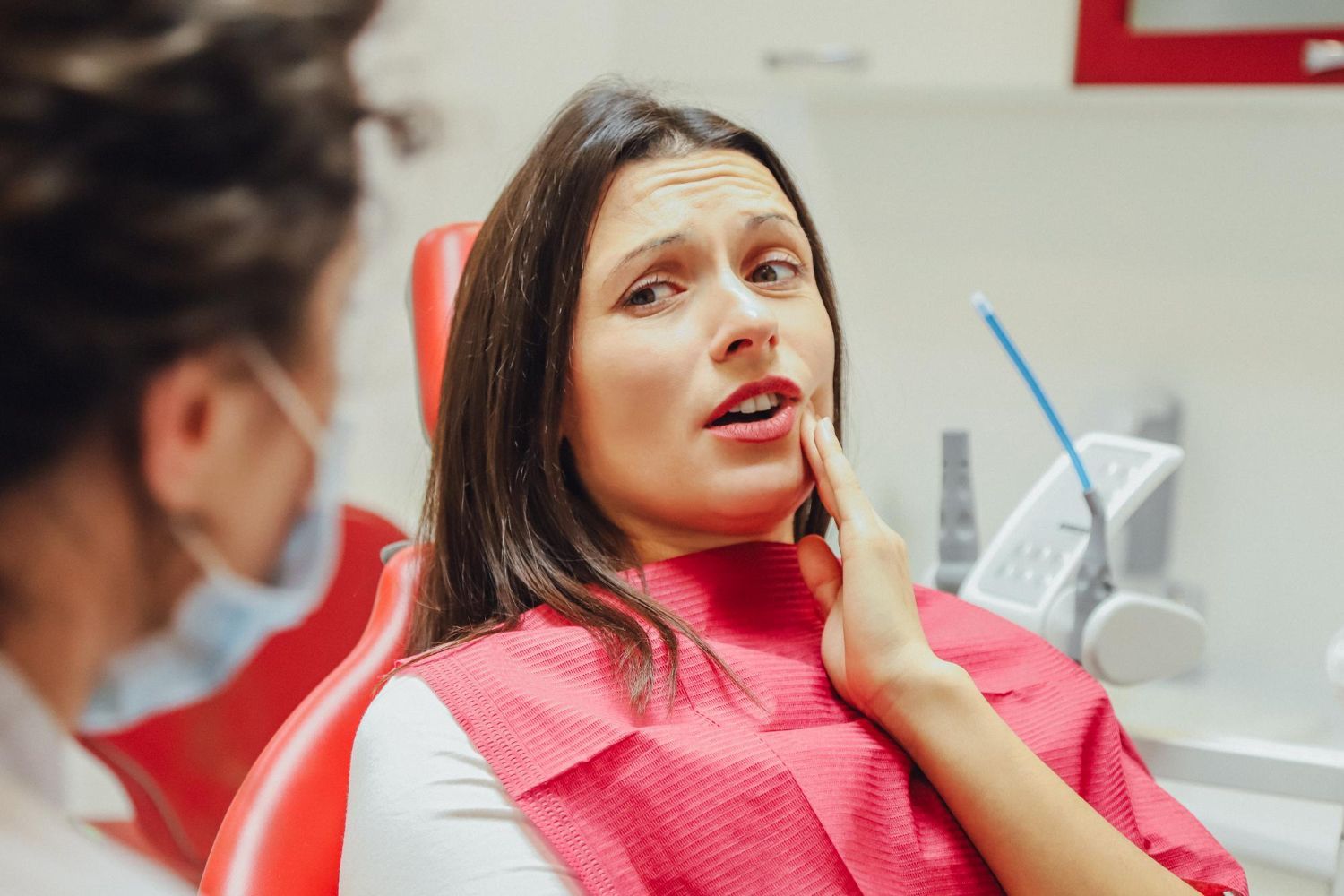
The TMJ is the small joint in front of each ear where your lower jaw connects to the skull. TMJ disorders happen when this joint and the muscles around it are irritated or strained. Common symptoms include:
- Clicking, popping, or grinding sounds when you open and close
- Jaw locking open or closed, even for a moment
- Soreness when chewing or talking for long periods
- Ear pain, pressure, or ringing
- Tight facial muscles or tension headaches
Nighttime grinding and clenching often make these symptoms worse. When sleep is broken by apnea events, the body can clench even harder as it struggles to breathe. This creates a cycle: poor sleep leads to more jaw tension, and more jaw tension makes it harder to relax and rest.
Several things can fit together here:
- A misaligned bite can strain the TMJ and muscles
- Stress can lead to clenching during the day and night
- A narrow or blocked airway can trigger extra jaw activity while sleeping
If we only treat one symptom, like jaw pain, without checking the airway and bite, we may miss the bigger picture. That is why a combined dental and sleep evaluation can be so helpful. It allows us to see how your TMJ, teeth, and breathing all affect each other.
Silent Damage: Grinding, Cracking, and Shifting Bites
Bruxism, or chronic grinding and clenching, is common in people with sleep apnea and TMJ issues. It often happens during the deepest stages of sleep, so many people have no idea it is going on. Over years, this hidden habit can cause:
- Worn-down enamel and flattening of the chewing surfaces
- Shorter-looking teeth and changes in your smile line
- Tiny fractures in teeth that can lead to bigger breaks
- Loose teeth or failed fillings and crowns
You might not feel pain right away. Instead, a dentist may notice:
- Uneven wear on certain teeth
- Notches near the gumline where enamel has been stressed
- Tender jaw muscles when pressed
- A bite that no longer fits together the way it used to
Constant jaw stress can shift the way your upper and lower teeth meet. Some people notice that their front teeth do not touch like they once did, or that chewing feels different on one side. Over many years, this can even change the way the lower face looks, as teeth shorten and the bite collapses.
The good news is that timely sleep apnea treatment and thoughtful TMJ care can slow or prevent much of this damage. By calming the airway and supporting the jaw joints, we take away some of the triggers that drive grinding and clenching in the first place.
Modern Dental Solutions for Sleep Apnea and TMJ Relief
Dentistry now offers a range of gentle, non-surgical options that can help with both airway support and TMJ strain. One helpful tool is a custom oral appliance. This is a small device made to fit your teeth that slightly repositions the lower jaw and tongue to keep the airway more open during sleep. It can also reduce stress on the jaw joints when designed with TMJ health in mind.
Many people are familiar with CPAP, which uses air pressure through a mask to keep the airway open. CPAP can be very effective, and sleep doctors often recommend it for more severe apnea. Oral appliances can be a good option in cases where:
- Sleep apnea is mild to moderate
- CPAP is uncomfortable or hard to use all night
- The person prefers a quieter, more portable device
Working with a dentist trained in dental sleep medicine helps make sure the appliance fits your bite, protects your teeth, and respects the TMJ joints. At Paget Dental, we combine:
- Careful exams of your teeth, bite, and jaw range of motion
- Imaging when needed to look at jaw joints and airway space
- Custom splints or guards for grinding and TMJ support
- Bite adjustments and guidance on sleep positions and habits
We also coordinate with sleep physicians so that any appliance is part of a full sleep apnea treatment plan, not a stand-alone fix. This team approach helps support both better sleep and better oral health.
Take Control of Nighttime Habits Before Damage Grows
Many warning signs of sleep and jaw problems show up in everyday life. It may be time for a closer look if you or someone close to you notices:
- Loud or frequent snoring
- Gasping or pauses in breathing during sleep
- Morning headaches or brain fog
- Jaw stiffness or soreness when you wake up
- Worn, chipped, or “shorter” teeth
A proactive visit with a dentist who understands airway and TMJ can uncover early damage before it becomes harder to treat. We can help connect you with sleep testing when needed, then build a plan to protect your teeth, support your jaw joints, and work alongside medical sleep apnea treatment.
At Paget Dental in Bermuda, our family team is committed to looking at the whole picture, not just isolated teeth. By checking your airway, TMJ, and bite together, we can help you move toward quieter nights, a more comfortable jaw, and a stronger, more stable smile for the long term.
Take Control Of Your Sleep And Health Today
If you are tired of waking up exhausted or worried about the impact of sleep apnea on your long-term health, we are here to help you find real relief. At Paget Dental, our personalized approach to sleep apnea treatment focuses on improving your breathing, comfort, and overall quality of life. Reach out to our team with any questions or to schedule an appointment through our contact us page. Together, we can find a solution that helps you sleep better and feel better every day.