Risks of Delaying a Dental Crown and How to Avoid Them

Protect Your Tooth Before It Is Too Late
A dentist tells you a tooth needs a crown. You nod, take the card, leave the office, then real life hits. Work gets busy, kids need rides, plans fill your calendar. That crown slips to the bottom of the to-do list.
The problem is that a tooth that needs a crown is already weak. A crown works like a custom helmet that covers and protects the tooth so it does not crack or break. When you delay, a tooth that could be fixed in a planned visit can turn into a sudden emergency, sometimes needing root canal treatment or even removal.
Many people start searching for “dental crowns” only when they are in pain. The goal of this article is to help you understand the risks before it hurts, so you can keep your tooth strong and avoid stressful, last-minute visits.
What a Dental Crown Actually Does for Your Tooth
A crown is a strong cover that fits over a prepared tooth. It is usually recommended when the tooth is too damaged or weak for a simple filling. Common reasons include:
- A very large filling that takes up most of the tooth
- A cracked or chipped tooth
- A tooth that has had root canal therapy
- Teeth worn down from grinding or clenching
- Major decay that removes a lot of tooth structure
While a filling just fills a hole, a crown surrounds the tooth and helps hold it together. It:
- Spreads chewing forces across the whole tooth, instead of stressing one weak area
- Seals the tooth to help keep bacteria out of deep cracks or around old fillings
- Helps restore the shape and height of the tooth so your bite works better
If too much of the natural tooth is missing, a filling can act like a wedge when you bite. That extra stress can cause the remaining tooth to crack. A crown is designed to support what is left, not pull it apart.
Crowns can be made from porcelain, zirconia, metal, or a mix of materials. Your dentist will suggest what fits your bite, smile goals, and budget so the tooth looks natural and works well when you chew.
Hidden Risks of Delaying a Needed Crown
When a crown is recommended, it usually means the tooth is already at a tipping point. Waiting has some hidden risks that often show up slowly at first, then all at once.
Structural Damage and Fractures
Everyday chewing puts a lot of pressure on your teeth. If you clench or grind, that pressure is even higher. On a strong tooth, this is not a big deal. On a weak tooth, it can turn a small crack or large filling into a serious break.
If a tooth breaks above the gum, it can often still be crowned. If it fractures below the gumline, there may not be enough tooth left to save, and extraction might be the only choice.
Increased Chance of Pain and Infection
Tiny gaps around old fillings or in cracks give bacteria a path toward the nerve inside the tooth. Over time, this can lead to:
- Sensitivity to hot, cold, or sweet foods
- Sharp pain when biting or chewing
- A deep toothache or an abscess in the gum
At that point, what could have been fixed with a crown may now need root canal treatment or emergency care to calm the pain.
Higher Long-Term Costs and Longer Visits
Delaying often means:
- More complex treatment plans
- Extra visits for emergency care, root canal, or even implants
- More time away from work, school, or family commitments
A planned crown visit is usually quicker and simpler than fixing a broken tooth that has suddenly become an urgent problem.
Everyday Signs You Should Not Wait Any Longer
Your tooth often gives small warnings before a big problem shows up. Paying attention to these signs can help you act before things get worse.
Symptoms Your Tooth Is Getting Worse
Watch for:
- Pain when chewing on one side
- A sharp zap of pain when biting hard foods like nuts or crusty bread
- Sensitivity to hot, cold, or sweets that lingers more than a few seconds
- A dull ache that comes and goes in the same area
Changes You Can See or Feel
You might notice:
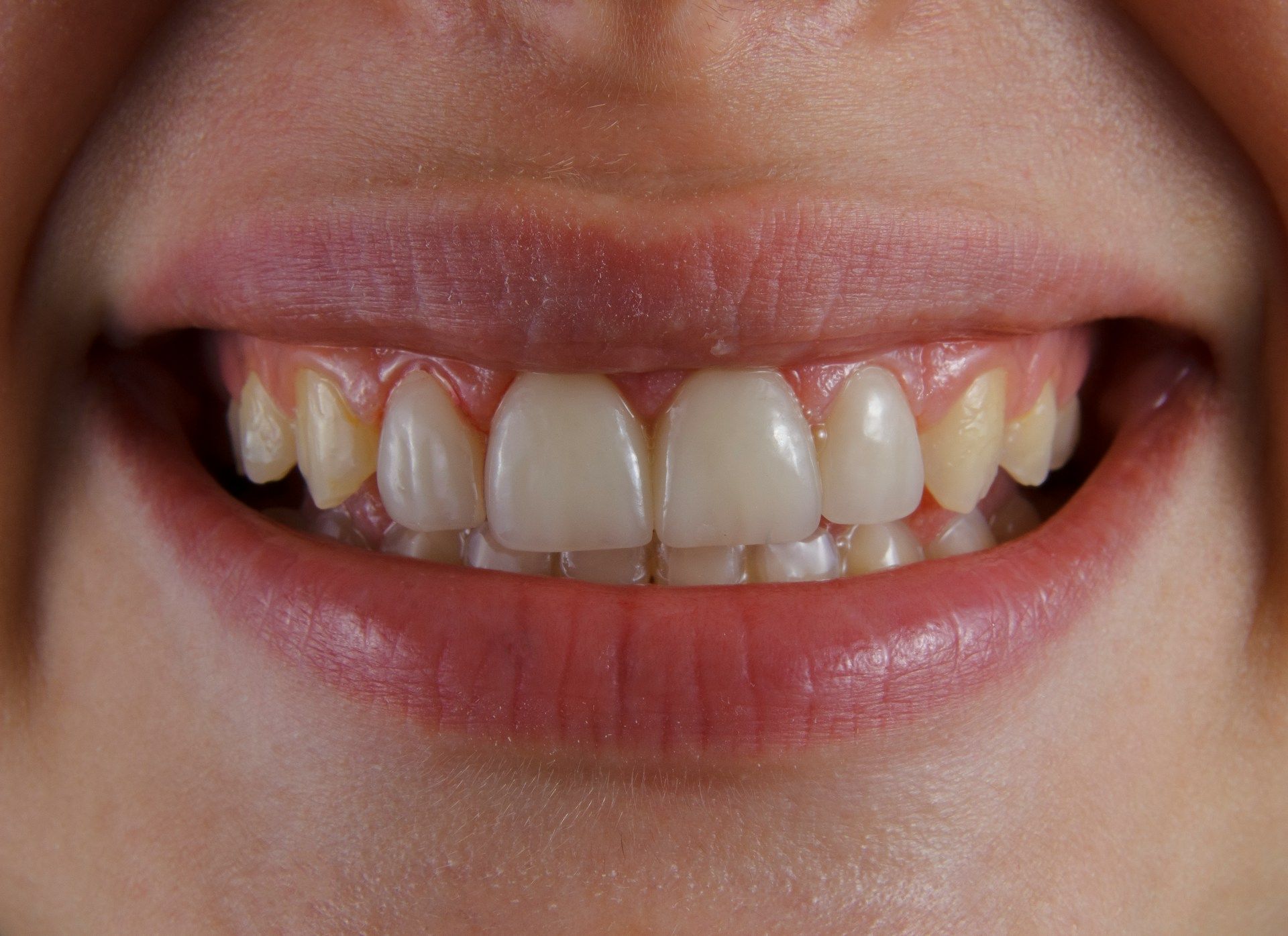
- Dark lines or shadows around a big filling
- A tiny gap where the filling meets the tooth
- A rough edge with your tongue, or a chipped corner of tooth or filling
- A tooth that feels “different” or slightly higher when you tap your teeth together
- A side you avoid chewing on without thinking about it
When to Call Your Dentist Immediately
Call your dentist as soon as you can if you notice:
- Sudden swelling in the gum near a tooth
- A pimple-like bump on the gum that may come and go
- Throbbing pain that wakes you up at night
- A tooth that breaks while eating, even if it does not hurt right away
These are signs that the tooth is moving from “weak” into “urgent.”
How to Make Getting a Crown Easier and Less Stressful
Many people delay a crown because they feel nervous or think it will be hard to fit into their lives. With a bit of planning and support, the process can feel much easier.
Planning Your Treatment and Schedule
It helps to:
- Book your crown visits for times when your schedule is more flexible
- Ask how many visits you will need and how long each one usually takes
- Plan your day so you can rest after the appointment if your mouth feels numb
Most crown treatments include a visit to prepare the tooth and place a temporary crown, then a second visit to fit and cement the final crown.
Comfort Options and Anxiety Support
During a crown appointment, your dentist uses local anesthetic to numb the tooth so you stay comfortable. Gentle techniques, clear explanations, and short breaks help many patients relax. If you have dental fears, telling your dentist ahead of time allows them to:
- Go at a slower pace
- Explain each step before it happens
- Use extra comfort tools to help you stay at ease
Financial Planning and Insurance Tips
For many people, worry about cost is a big reason for delay. You can:
- Ask for a clear estimate and what is included
- Check how your dental benefits apply to crown treatment
- Talk about payment options that let you plan ahead
Handling the crown while the tooth is still fixable is usually much easier and less involved than paying for bigger treatments later.
Choosing the Right Dentist for Your Dental Crown
Who you trust with your crown matters, because this tooth needs to serve you well for years.
Why Experience and Technology Matter
A practice that often provides crowns, dental implants, and larger smile rehabilitation work is used to looking at the whole mouth, not just one tooth. Modern imaging and quality dental labs help create crowns that:
- Fit your bite more accurately
- Match the color and shape of nearby teeth
- Feel natural when you chew and speak
What to Look for When Searching Dental Crowns
When you search online, pay attention to:
- Whether the office offers both general dentistry and more advanced care, like TMJ therapy and implant options
- The way the team talks about preserving natural teeth whenever possible
- Reviews that mention comfort, clear explanations, and helpful staff
How Paget Dental Supports Long-Term Oral Health
Paget Dental in Bermuda views a dental crown as part of a broader plan for your whole mouth, not just a single fix. The team evaluates how your teeth fit together, your TMJ health, and how your teeth relate to your sleep and daily comfort.
By getting to know patients over time, Drs. James and Alex Fay from Paget Dental can suggest crown options that fit each person’s health history and long-term goals for their smile, helping teeth stay comfortable and functional over the long term.
Restore Your Confident Smile With Custom Crowns
If you are searching for trusted dental crowns services, we are here to help you protect and strengthen your teeth with care tailored to your needs. At Paget Dental, we take time to explain your options so you can feel confident about your treatment. Schedule an appointment today or contact us with any questions about restoring your smile.