Oral Appliance for Sleep Apnea: Who’s a Candidate and Who Isn’t?
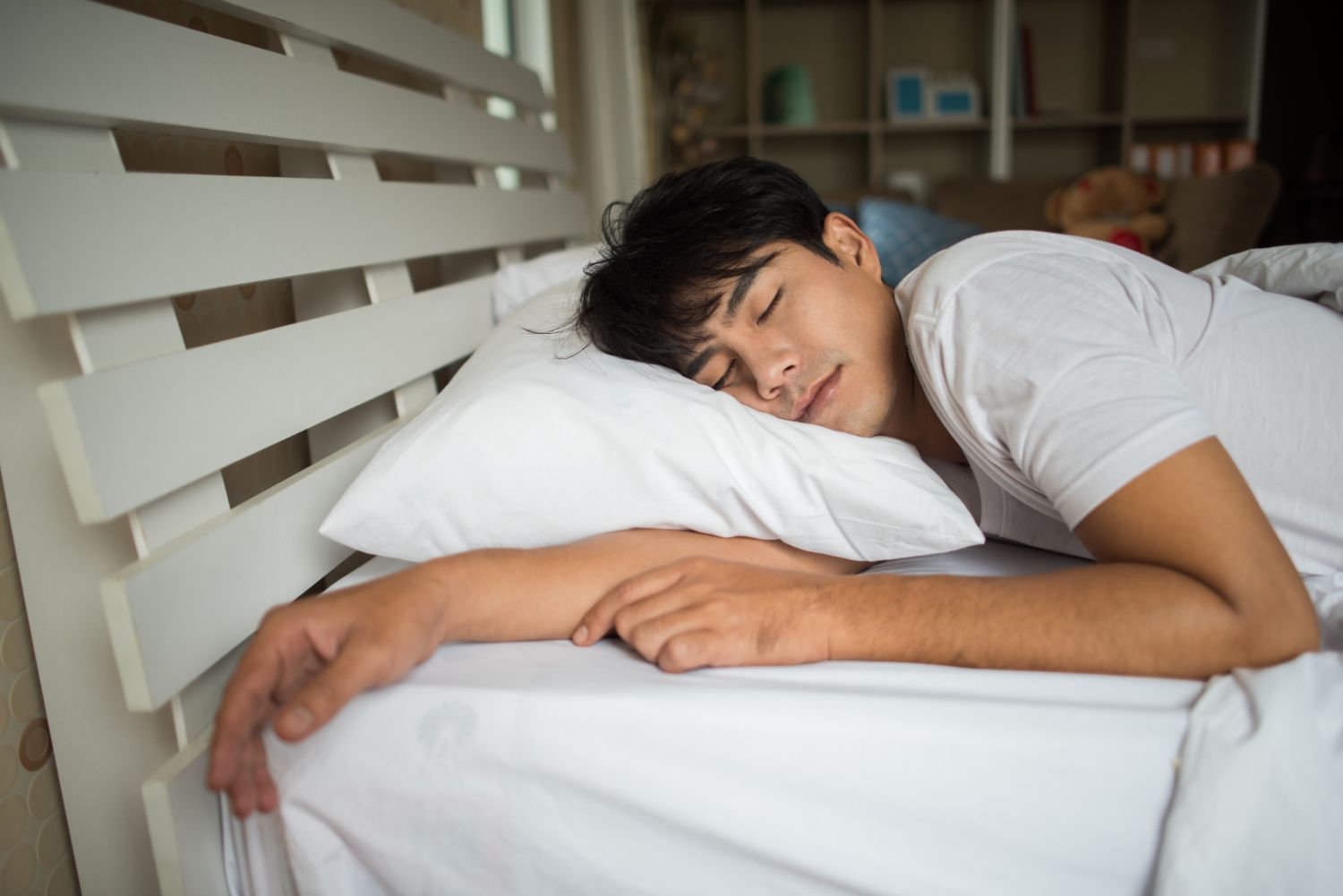
Take Back Your Nights with a Custom Oral Appliance
Obstructive sleep apnea happens when the airway keeps closing while you sleep. Your body has to fight for air, so your sleep breaks over and over. Untreated, it can raise your risk for heart problems, diabetes, morning headaches, mood changes, and heavy daytime fatigue.
Many people are given a CPAP machine and then find they cannot stick with it. The mask may feel awkward, the hose may get in the way, or the noise can bother a bed partner. For some adults, a custom dental oral appliance can be a safe and effective sleep apnea treatment without CPAP. The key question is who is a good candidate, who is not, and how a careful team approach keeps you safe.
How Oral Appliances Work for Sleep Apnea
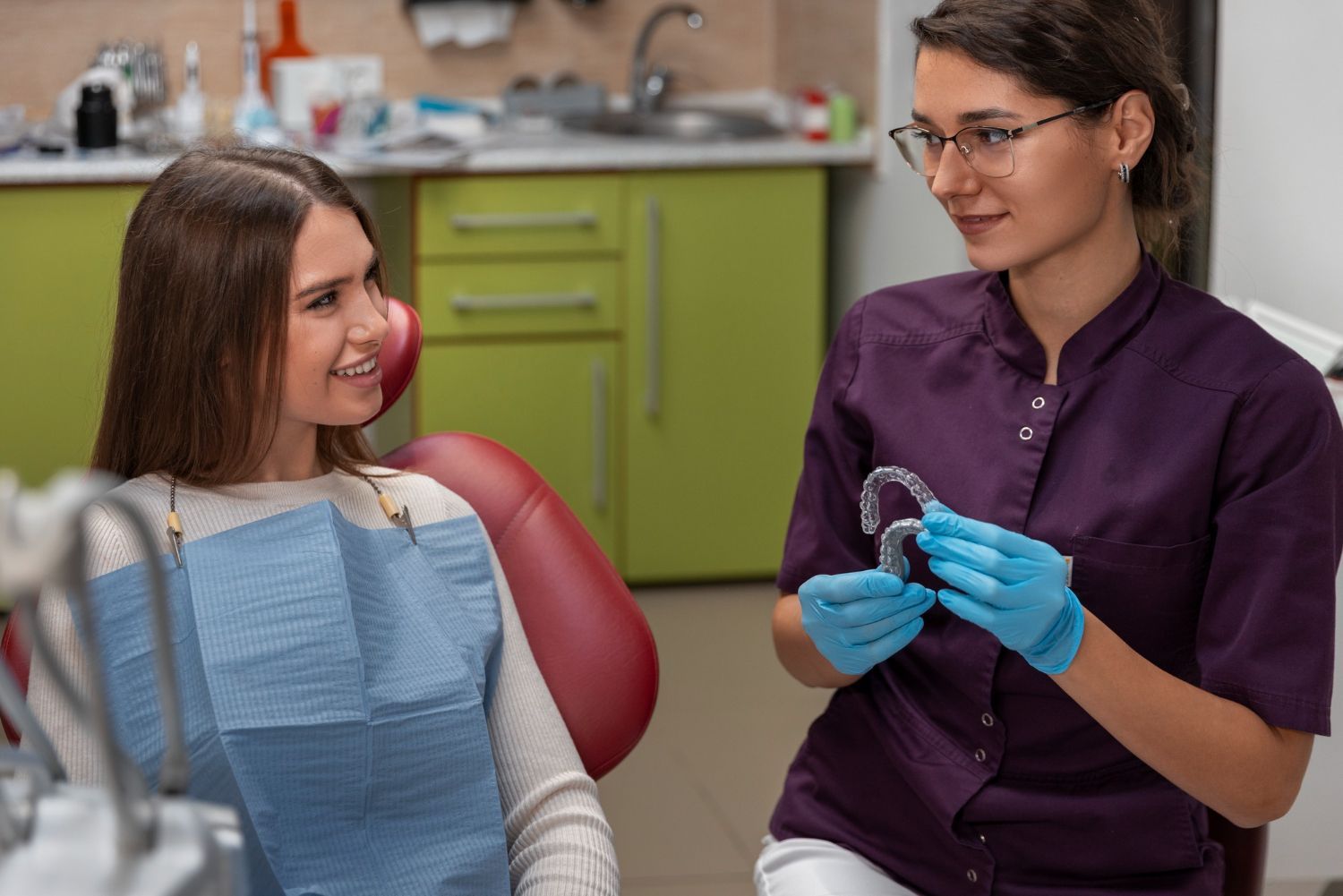
A common dental device for sleep apnea is called a mandibular advancement device. It looks a bit like a slim, custom mouthguard for your upper and lower teeth. When you wear it at night, it gently holds your lower jaw a little forward. This forward position helps pull the tongue and soft tissues away from the back of the throat so the airway stays more open as you breathe.
There is a big difference between this and a simple store-bought snore guard. Over-the-counter devices are usually one-size-fits-all and cannot be finely adjusted. They often do not fit well and may move your jaw too much or not enough.
A custom appliance from a dentist trained in dental sleep medicine is:
- Made from impressions or scans of your teeth
- Adjustable in small steps to find the right jaw position
- Designed to balance airway opening with jaw comfort
- Checked regularly to protect your teeth and joints
Research has shown that oral appliances can work well for many people with mild to moderate obstructive sleep apnea. For some, they can also help when CPAP is not tolerated. People often like that the device is quiet, easy to travel with, and does not cover the nose or face.
Ideal Candidates for an Oral Appliance
Not everyone with sleep apnea is a good fit for a dental device, but many adults are. Good candidates usually have the right mix of diagnosis, health, and motivation.
From a sleep point of view, ideal candidates often include:
- Adults with mild to moderate obstructive sleep apnea confirmed by a sleep study
- People who snore loudly but do not have big oxygen drops at night
- People who have tried CPAP and could not keep using it, and whose sleep doctor supports trying an oral appliance
Your dental and jaw health also matter. An oral appliance clips onto your teeth and changes your jaw position, so you need:
- Enough stable teeth to hold the device in place
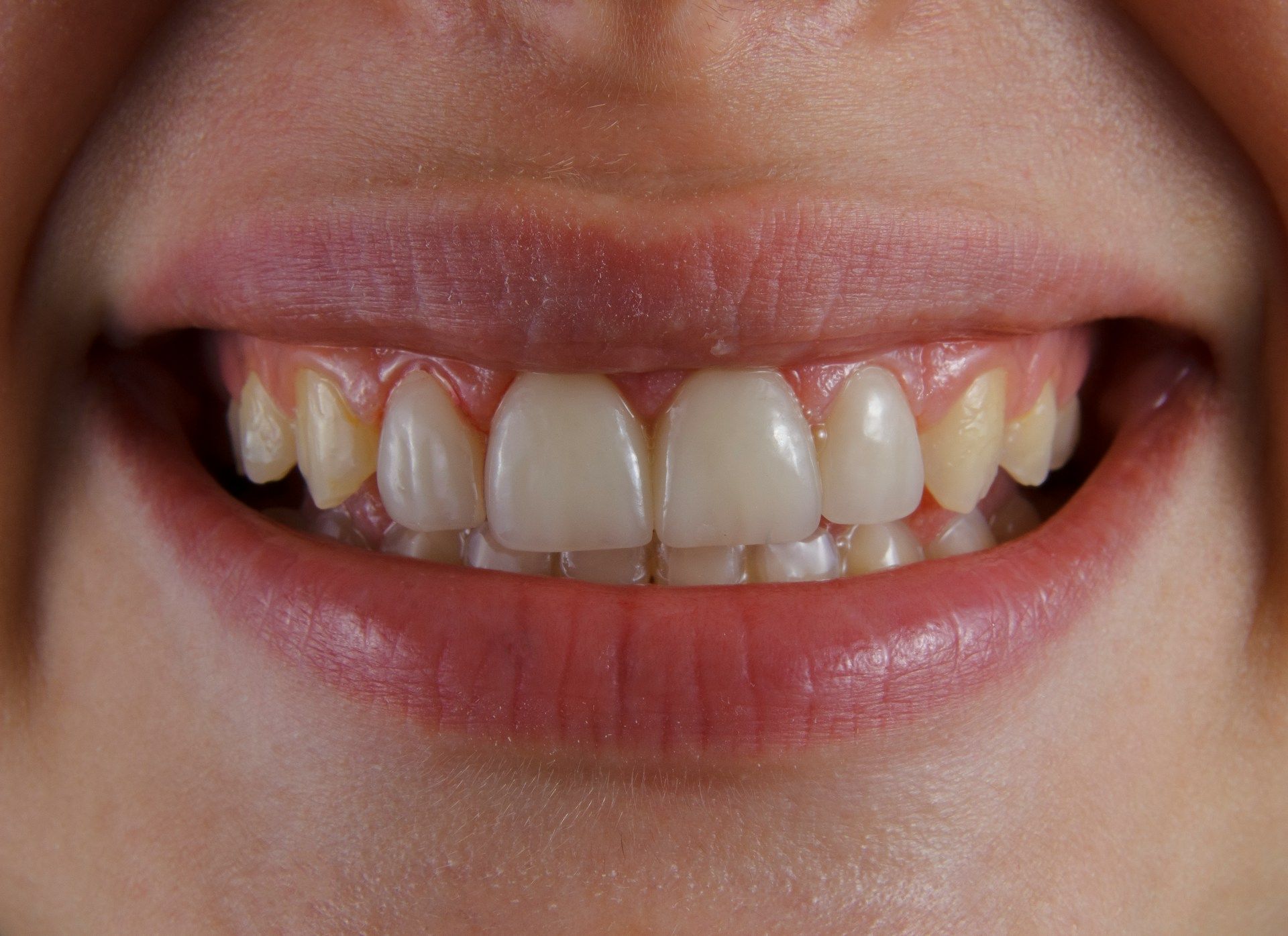
- Reasonably healthy gums and bone support
- TMJ joints that are not severely damaged or painful
- An airway and jaw shape that seem likely to respond to gentle forward movement
Lifestyle plays a role too. An oral appliance can be a good fit if you:
- Travel a lot and want something small and easy to pack
- Prefer a quiet, discreet option at night
- Are willing to come for follow-up visits
- Are open to repeat sleep testing to be sure the device is actually working
The best results usually come from people who see this as ongoing care, not a one-time gadget.
When Oral Appliances Are Not the Best Option
Sometimes, an oral appliance is not the safest choice, at least not at first. In those cases, medical treatment by a sleep physician is usually the main focus, and a dental appliance may be a backup option or not used at all.
From a medical side, oral appliances may not be right when someone has:
- Very severe obstructive sleep apnea with strong oxygen drops
- Central sleep apnea, where the brain does not send proper signals to breathe
- Serious heart or lung disease that is not well controlled
- Blood pressure that stays high even with medication
In these situations, CPAP or other treatment directed by a physician is usually safer as a first step.
Dental and jaw limits can also make oral appliances risky, such as:
- Many missing teeth or very loose teeth
- A bite that is already unstable or changing
- Advanced gum disease that needs treatment
- Severe TMJ disorders or jaw pain that could get worse
There are also red flags that call for extra caution:
- Heavy use of sedatives, muscle relaxers, or strong pain pills at night
- Regular heavy alcohol use before bed
- Extreme obesity
- Strong gag reflex or fear of having anything in the mouth
For people in these groups, any appliance should only be considered together with a sleep physician, and often it is not the right choice at all.
Evaluation, Testing, and Referral Pathways
A safe oral appliance plan always starts with a full evaluation. At a dental practice that works with sleep apnea, this usually includes:
- Review of your medical and sleep history
- Questions about snoring, gasping, and daytime sleepiness
- Input from a bed partner, if available
- Careful look at your teeth, gums, jaw joints, and bite
- Airway and tongue assessment when you are awake
We work closely with sleep physicians because a formal sleep study, either at home or in a lab, is needed to confirm sleep apnea and measure its severity. That study guides the whole plan. After an appliance is made and adjusted, follow-up testing checks if your oxygen and breathing events have improved enough.
Clear referral and co-management steps are important. Patients are usually referred to or co-managed with a sleep physician when:
- Severe sleep apnea is suspected
- Central apnea is a concern
- There are complex heart, lung, or neurological conditions
- TMJ problems are severe or unclear
- Symptoms do not match exam findings and need deeper medical review
This shared care helps keep treatment safe and tailored to the person, not the device.
What to Expect If You Try an Oral Appliance
If you and your medical team decide an oral appliance is a good option, the process is structured and gradual.
You can usually expect:
- A consultation to review your sleep study, medical history, and dental health
- Digital scans or impressions of your teeth so a custom device can be made
- A fitting visit to check comfort and show you how to place and clean the appliance
- A series of adjustment visits to slowly move the jaw forward until symptoms improve
Some short-term side effects are common, such as:
- Morning jaw stiffness or tightness
- Extra saliva or a dry mouth
- Mild tooth or gum pressure
These usually calm down as your body adjusts. Jaw stretches, gentle massage, and measured changes to the appliance help. Your dentist will also check that your bite is not shifting over time and that your TMJ joints stay comfortable.
Long-term success means staying in touch with your care team. That often includes:
- Yearly checks of your teeth, bite, and the appliance itself
- Watching for weight changes or new health issues that may change your sleep apnea
- Repeat sleep testing at times, especially if symptoms return or your health changes
- Being open to switching back to CPAP or adding other treatments if needed
At Paget Dental in Bermuda, we focus on advanced, long-lasting solutions for oral health and smile rehabilitation, and that same careful approach carries into our work with dental sleep medicine and CPAP alternatives. Our goal is not to hand out devices, but to help you find a safe, well-planned path to better, more restful sleep.
Wake Up Rested With a Comfortable, Custom Sleep Solution
If you are tired of struggling with a CPAP mask, we can help you explore
sleep apnea treatment without CPAP that fits your lifestyle. At Paget Dental, we take time to understand your symptoms, sleep goals, and health history so we can recommend options tailored to you. Schedule an appointment today or
contact us with your questions so you can start moving toward quieter nights and better, more restorative sleep.