How TMJ Therapy Shapes Your Smile Makeover: Timeline and Long-Term Stability

How TMJ Therapy Transforms Your Smile Plan
TMJ problems are about more than a clicking jaw. The temporomandibular joints are the small hinges that let you open, close, and move your jaw. When these joints or the muscles around them are not working well, you can feel pain, stiffness, headaches and broken or worn teeth. If you are thinking about veneers, crowns, implants or orthodontics, these joints matter a lot.
A smile makeover should not only look good, it should feel good and work well every day. If the jaw joints are not stable, new dental work can chip, feel “off” when you bite or need to be redone. That is why we plan from the jaw joint outwards. A healthy, stable TMJ is the base that supports every other choice.
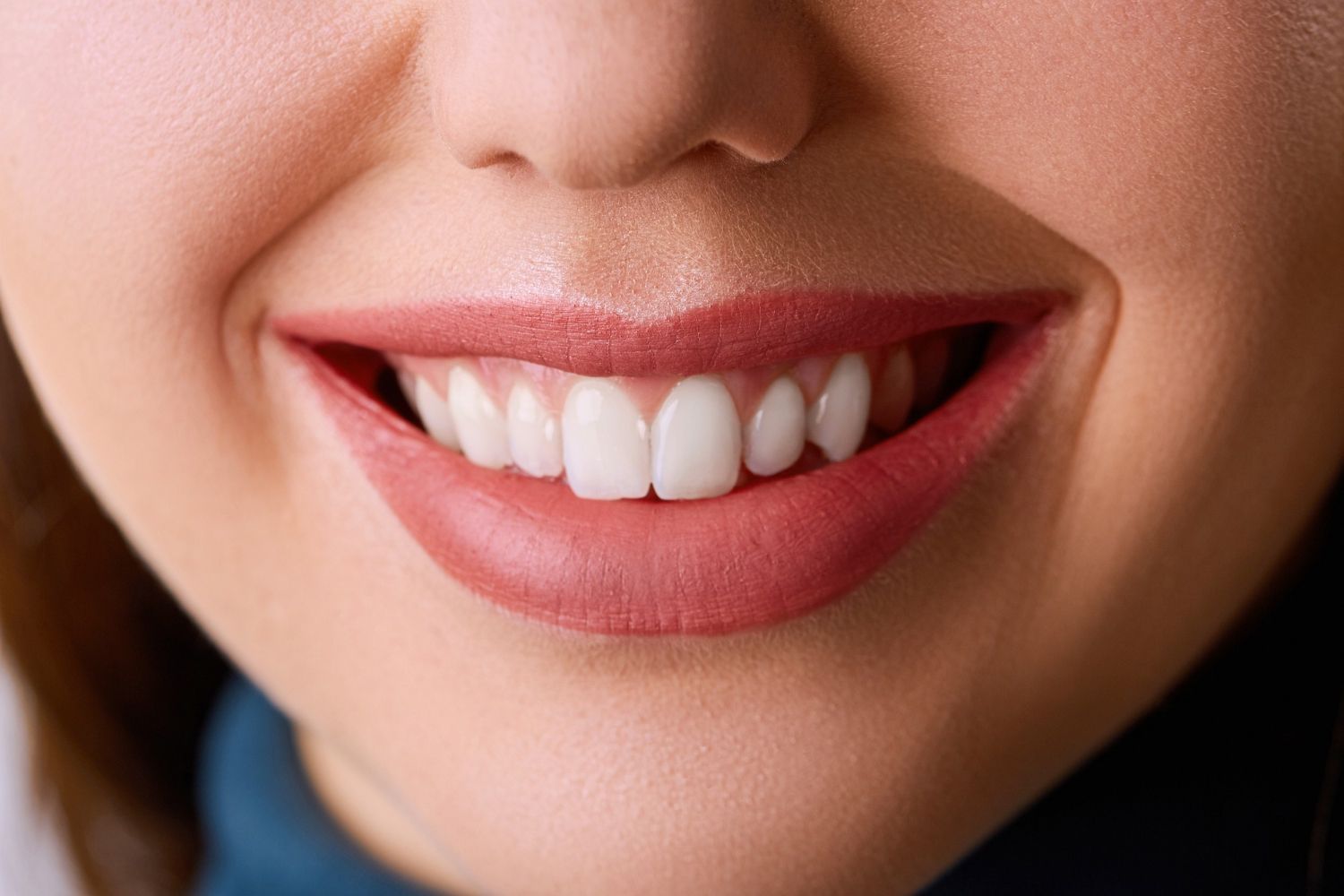
Many people searching for “TMJ treatment” want relief from pain, but they also want a nicer smile. We want to explain how TMJ therapy can change your smile plan: the timing, the materials we choose and how long your new smile is likely to last.
Why TMJ Health Must Come Before Cosmetic Dentistry
You can have straight, white teeth and still feel awful when you chew or talk. When the TMJ and bite are not in harmony, you might notice:
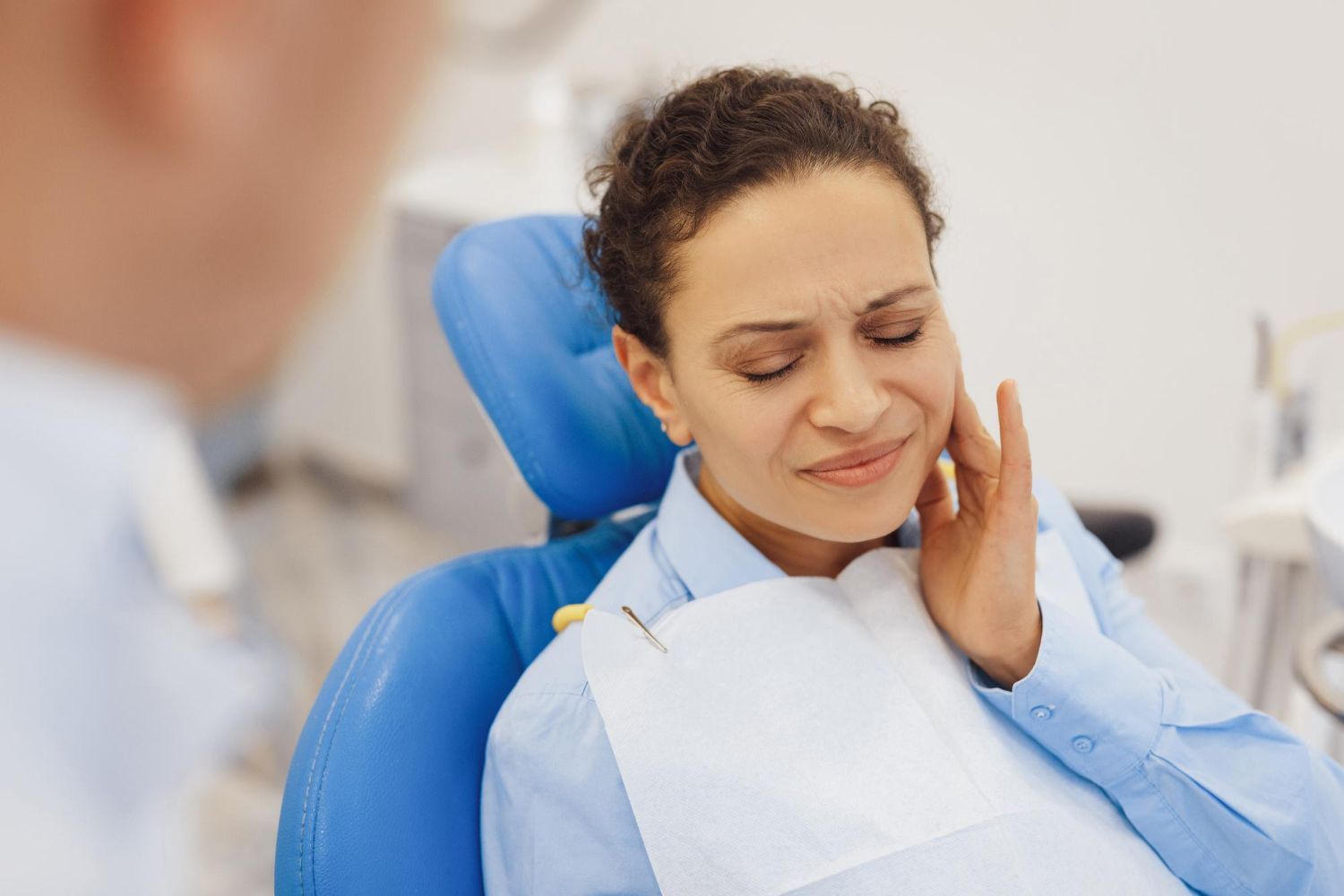
- Jaw pain or tightness
- Headaches or face pain
- Clicking, popping or locking in the jaw
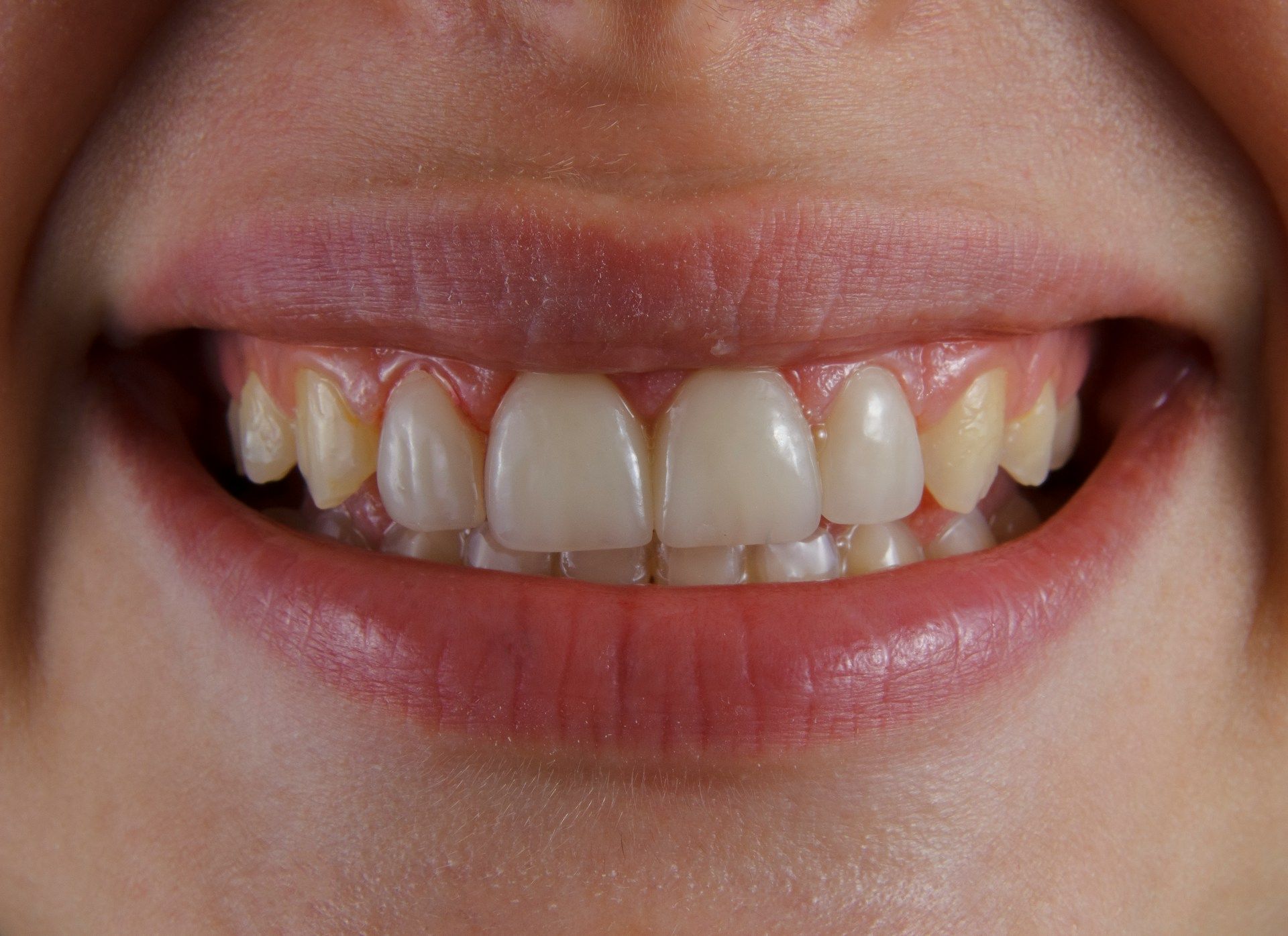
- Teeth that look short, chipped or flattened
- Dental work that keeps breaking
These problems are often linked. If your jaw does not close in a stable way, your teeth can crash into each other at the wrong angles. Over time, that can wear the enamel, crack fillings and crowns or stress implants. Even braces that made the teeth look straight might not have fixed how the jaw joints sit.
TMJ issues can change:
- How far your jaw slides when you close
- Which teeth touch first
- How hard you clench on certain teeth
All of this affects where we can safely place veneers, crowns, implants or orthodontic brackets. If we ignore the joint and just “fix the front”, we are building on shaky ground.
When we treat the TMJ first, we can:
- Find a more comfortable jaw position
- Balance the bite around that position
- Design your smile to fit the way your jaw wants to move
This usually means better comfort, easier chewing and a smile that is more predictable long-term.
How TMJ Therapy Reshapes Your Treatment Timeline
Adding TMJ therapy to a smile makeover does change the timeline, but for good reasons. Instead of rushing into permanent work, we move in clear, planned stages.
A typical path might look like this:
- Detailed assessment and conversation about symptoms and goals
- Bite analysis and jaw joint evaluation
- Diagnostic records like photos, models of your teeth and digital scans
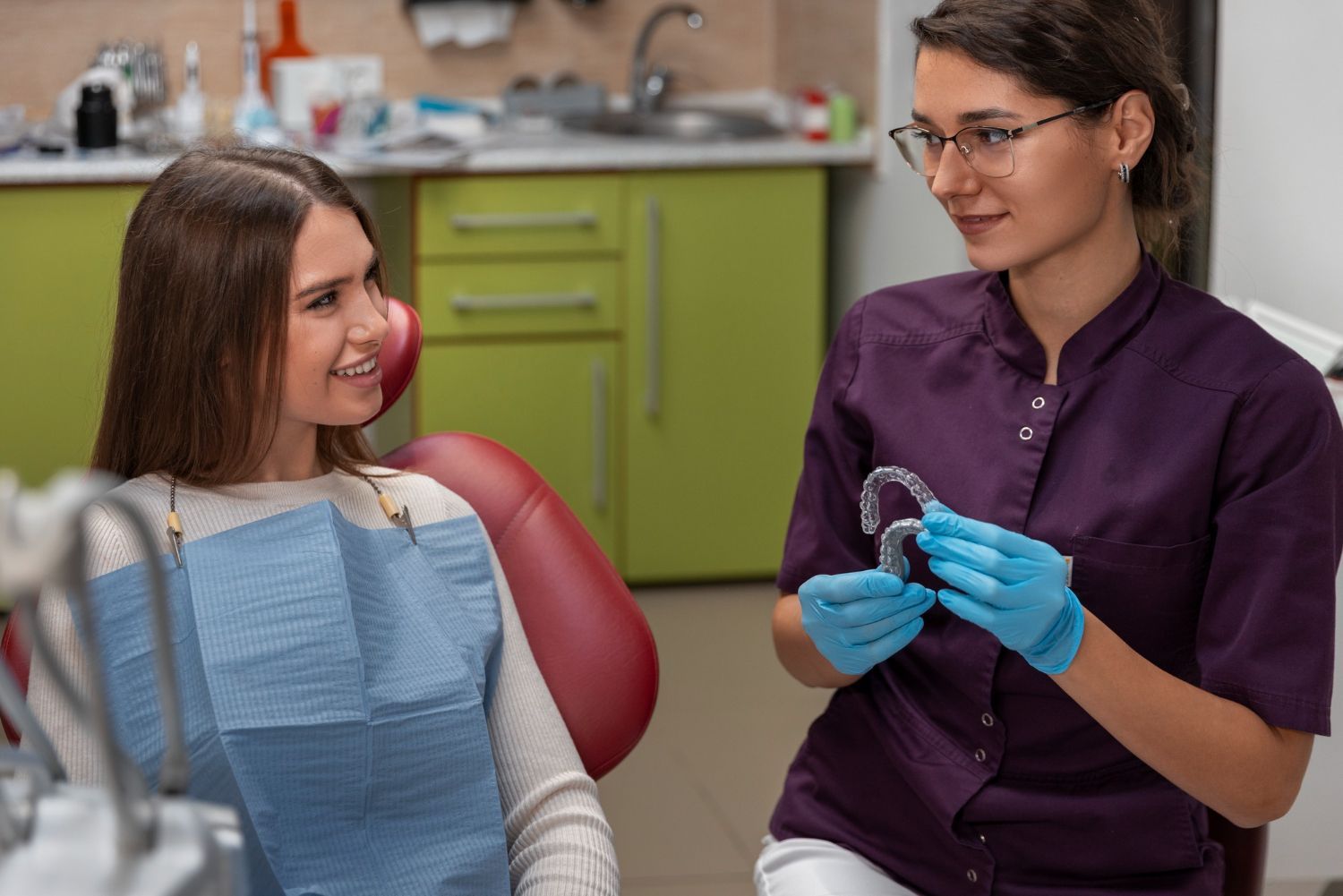
- Trial therapy, often with a custom splint or bite appliance
- Review of changes in pain, function and bite
- Planning and then carrying out the cosmetic or restorative treatment
The trial phase, such as wearing a splint, helps us see how your jaw behaves when it is better supported. Pain may settle, muscles can relax and your bite can become more even. Once we understand that new, more stable position, we are ready to plan veneers, crowns, implants or orthodontics around it.
Yes, this can extend the overall time. But it often saves you from:
- Constant small adjustments
- Early repairs or replacements
- Ongoing discomfort when chewing or talking
At our practice, we prefer to explain each phase clearly. Regular reviews help us check your progress, answer questions and make sure TMJ care works in harmony with orthodontics, implant placement or full-mouth rehabilitation, rather than being treated as a separate side issue.
Choosing the Right Materials for a TMJ-Stable Smile
Once the jaw is more stable, we can make smarter choices about the materials and shapes used for your restorations. Not every material suits every bite.
For people who clench or grind, TMJ findings can guide us to:
- Stronger ceramics for crowns and bridges
- Slightly thicker veneers in high-stress areas
- Designs that spread biting forces more evenly
We also pay close attention to occlusal design, which means how your upper and lower teeth meet and slide across each other. In a TMJ-aware smile makeover, we:
- Shape the biting surfaces to match your improved jaw position
- Aim for smooth guidance when you move side to side or forwards
- Try to avoid sharp “high spots” that overload single teeth
Advanced technology at our clinic, such as digital scans, 3D imaging and guided design tools, lets us see how your jaw moves and how your teeth contact in real time. This helps us create restorations that are not only pleasing to the eye but also kinder to your joints and muscles.
Long-Term Stability, Retainers, and Protecting Your Investment
Once your TMJ therapy and smile makeover are complete, the work is not over. Long-term stability needs care and monitoring, especially if you have a history of clenching, grinding or jaw pain.
Ongoing protection often includes:
- Night-time splints or guards to control grinding forces
- Retainers after orthodontics to keep teeth in position
- Regular bite checks to spot small changes early
TMJ joints and muscles can change over time with stress, habits or other health issues. By reviewing your jaw and bite at routine visits, we can adjust your splint, polish small areas or make minor tweaks before they turn into major problems.
This kind of follow-up helps:
- Reduce the chance of TMJ symptoms returning
- Limit new tooth wear or chipping
- Protect veneers, crowns and implants from damage
With the right support, the comfort, function and appearance you gain can last for many years. The extra planning at the start is rewarded with fewer surprises later.
Taking the Next Step Towards a Comfortable, Confident Smile
If you live with jaw pain, frequent headaches, worn teeth or dental work that seems to fail too often, it may be a sign that your TMJ and bite need more attention. Jumping straight into cosmetic treatment without checking the joints can lead to disappointment, even if your teeth look nicer at first.
When you search for “TMJ treatment”, it helps to ask a few focused questions, such as:
- Do you look at TMJ health when planning veneers, crowns or implants?
- How do you assess the bite and jaw joints before cosmetic work?
- Do you use digital scans or 3D imaging to study jaw movement?
- How do you protect restorations in someone who clenches or grinds?
A dentist who thinks about jaw joints, muscles and teeth as one system is more likely to give you a smile that both looks and feels right. At Paget Dental in Bermuda, we plan treatment with long-term bite and jaw stability in mind, so your smile makeover is not just a new look, but a new level of comfort as well.
Relieve Jaw Pain And Restore Comfortable Movement
If jaw discomfort, headaches or clicking joints are affecting your daily life, we are here to help you find lasting relief. Our team will carefully assess your bite, jaw joints and muscles to create a tailored plan for TMJ treatment near me that suits your needs. To arrange an appointment or ask any questions, simply contact us and we will guide you through the next steps at Paget Dental.