What a Sleep Apnea Dentist in Bermuda Checks Before Oral Appliance Therapy
What a Sleep Apnea Dentist Checks Before You Start
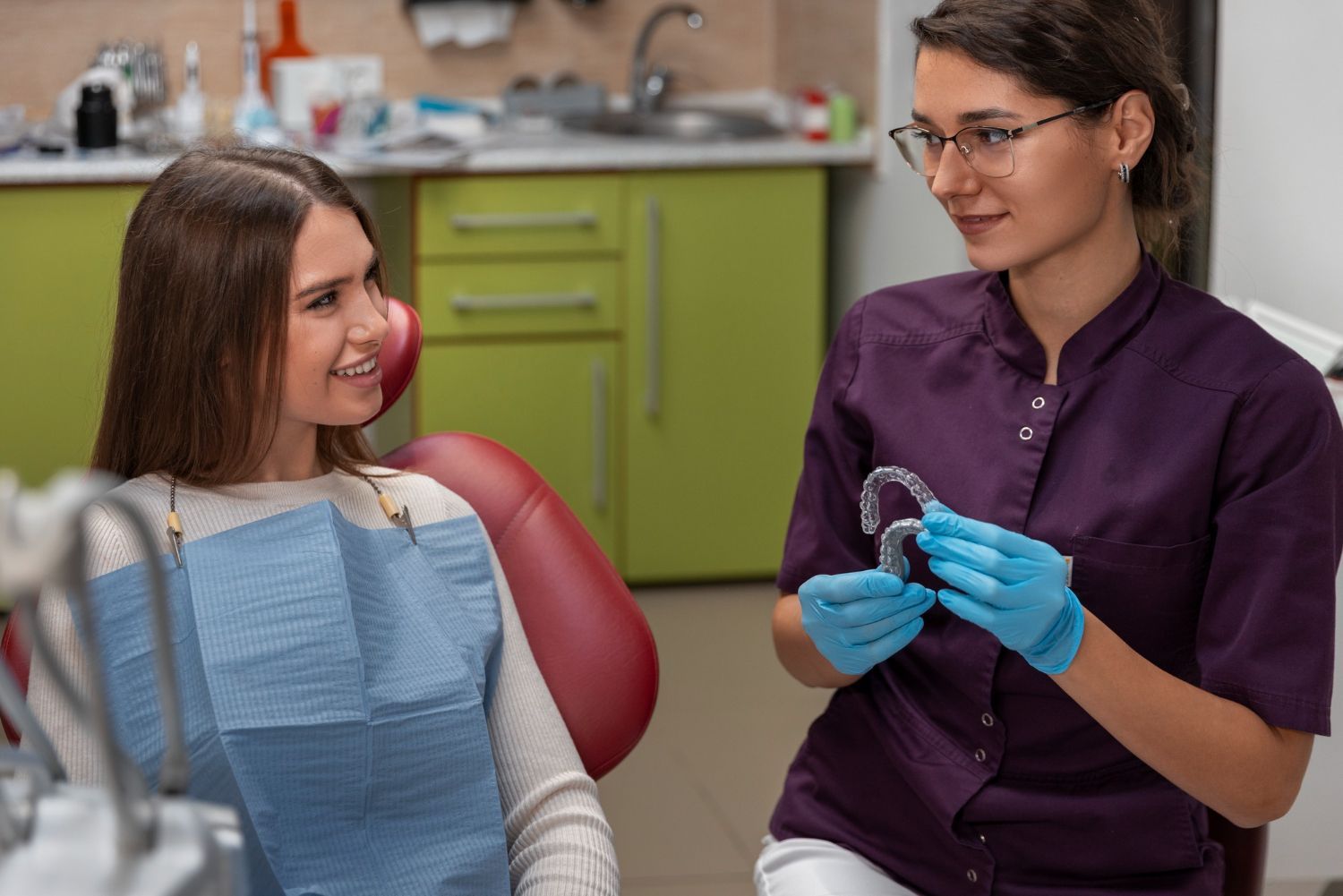
Oral appliance therapy is a simple idea with a big impact. A small custom mouthpiece gently moves your lower jaw or holds your tongue so your airway stays open more openly while you sleep. For many people with obstructive sleep apnea, it can be a quieter, easier, and more travel-friendly option than a CPAP machine.
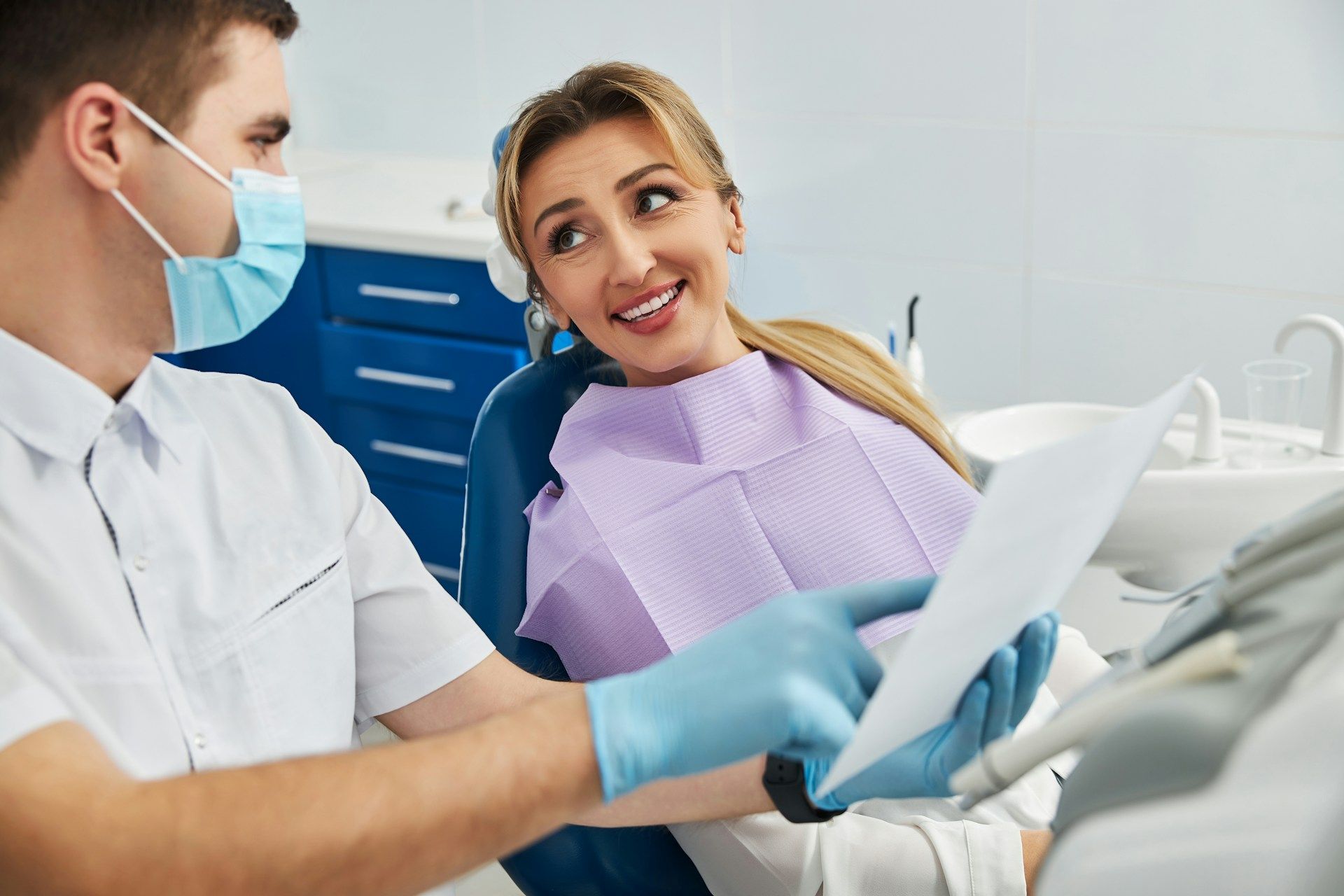
Before any sleep apnea dentist in Bermuda makes that mouthpiece, there is a lot to check first. At our family-run clinic, Dr. Fay and Dr. James Fay follow a clear, step-by-step process so your treatment is as safe, comfortable, and effective as possible. We look at your sleep study, your jaw, your teeth, your airway, and your lifestyle, then decide together if an oral appliance is the right move.
Confirming You Are a Candidate for Oral Appliance Therapy
The first question is simple: do you actually have sleep apnea, and what kind is it? Oral appliances are meant for people with a confirmed diagnosis, not just loud snoring.
Dr. Fay and Dr. James Fay start by making sure you have had a proper sleep study, either of the following:
- An overnight lab sleep study
- A home sleep test coordinated through a medical provider
From that report, we pay close attention to:
- How many breathing events you have per hour
- Whether your apnea is obstructive, central, or mixed
- How low your oxygen levels dropped
- Your sleep positions and sleep stages
We also look at your:
- Medical history and current health conditions
- Medications that might affect breathing or sleep
- Past or current CPAP use and how well you tolerated it
Some people do best using an oral appliance as their main treatment. Others may use it along with CPAP, for example with CPAP at home and an oral appliance when they travel.
There are also times when we need closer co-management with your physician, or when an oral appliance alone may not be enough. Red flags can include:
- Uncontrolled heart disease or serious lung problems
- Severe daytime sleepiness that makes driving unsafe
- Central sleep apnea that is not being treated
- Recent stroke or serious heart rhythm issues
When we see concerns like these, Dr. Fay and Dr. James Fay speak with your medical team so your treatment plan stays safe and well coordinated.
Evaluating Jaw Health, Bite, and TMJ Function
An oral appliance works by changing how your jaw rests at night. That is why your jaw joints and bite must be checked carefully before we begin.
During your exam, Dr. Fay and Dr. James Fay:
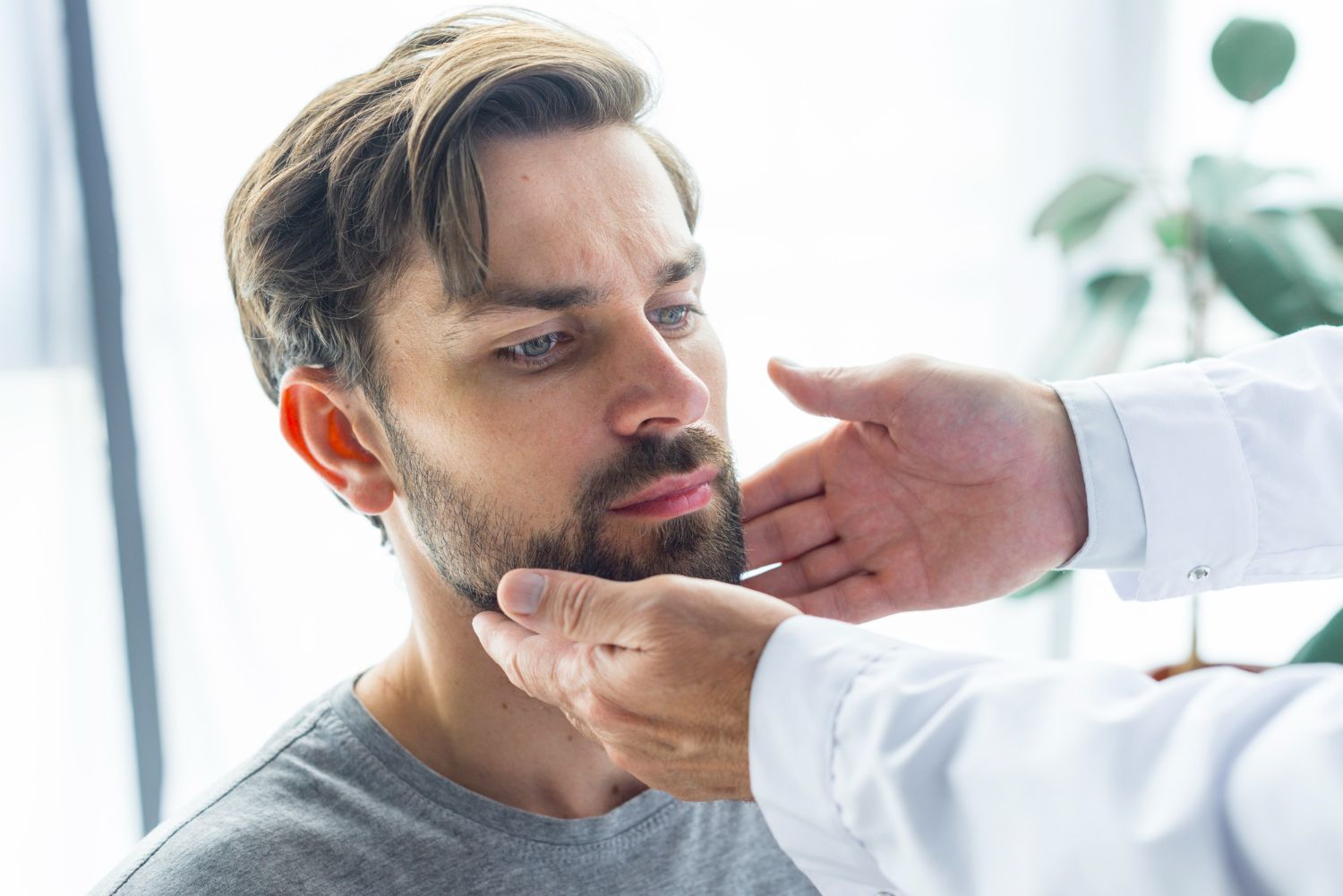
- Feel the jaw joints near your ears as you open and close
- Check for clicks, pops, or locking in the jaw
- Look at how your top and bottom teeth meet
- Test how wide you can open without pain
We also ask questions like:
- Do you wake up with jaw or facial pain?
- Do you clench or grind your teeth at night?
- Have you ever had a jaw injury or TMJ diagnosis?
Issues such as TMJ pain, teeth grinding, limited opening, or missing teeth do not always rule out oral appliance therapy, but they can change how we design your device. For example, we may:
- Choose an appliance style that spreads pressure more gently
- Adjust your device more slowly over time
- Add extra protection for teeth that show heavy wear
At Paget Dental, we use advanced imaging and digital scans to map your teeth and jaw movement with high detail. This helps Dr. Fay and Dr. James Fay plan the appliance position and track any bite changes over time, which lowers the chance of problems like jaw soreness or shifting teeth.
Assessing Airway Anatomy and Dental Health
Sleep apnea is about your airway, not just your teeth, so we take a careful look at how air moves through your mouth and nose.
During this part of the exam, Dr. Fay and Dr. James Fay check:
- The size and shape of the space behind your tongue
- Tongue size and resting position
- Tonsils and the soft palate
- How easily you can breathe through your nose
These details help us predict how much an oral appliance can improve airflow for you. For example, if your tongue crowds the back of your throat, a device that shifts your lower jaw slightly forward may open that space. If your nose is very blocked, we may talk with your physician or an ENT before moving ahead.
Your teeth and gums also have to be healthy enough to support the appliance. We check for:
- Gum disease or bleeding gums
- Tooth decay or broken fillings
- Loose teeth or mobile bridges
- Existing crowns, bridges, or implants
If we find active problems, Dr. Fay and Dr. James Fay often recommend treating those first. A healthy mouth is important so the appliance does not make any issues worse. The goal is a device you can wear all night, every night, without pain or damage.
Matching Appliance Options to Your Lifestyle
No two sleep routines are the same, and your oral appliance should fit your life as well as your mouth. Once we know you are a good candidate, we talk about how you actually sleep and live.
Dr. Fay and Dr. James Fay ask about:
- Your work schedule and how many hours you sleep
- Whether you often sleep on your back, side, or stomach
- How much you travel and if you share a room with others
- Any past trouble wearing mouthguards or retainers
We also set clear goals together. Some people care most about stopping loud snoring so their partner can rest. Others are focused on feeling more alert during the day or protecting long-term heart and brain health. Your goals help guide:
- The type of custom oral appliance we choose
- How aggressively we advance your lower jaw
- How often we plan to adjust or “titrate” the device
Dr. Fay and Dr. James Fay also think about teeth grinding, existing dental work, and your facial profile. The idea is to find a balance between:
- Keeping the airway open
- Protecting your teeth and jaw joints
- Keeping the device as comfortable and natural looking as possible
Mapping Out Follow-up Care and Long-Term Results
Oral appliance therapy is not a one-and-done treatment. Good results come from good follow-up.
After your appliance is made and fitted, Dr. Fay and Dr. James Fay plan regular visits to:
- Check fit and comfort
- Adjust the jaw position step by step
- Watch for jaw soreness or bite changes
- Make small tweaks if you snore or feel sleepy again
When we reach a stable setting that feels good, we usually recommend repeat sleep testing with the appliance in place. This confirms that:
- Your apnea events have been reduced
- Your oxygen levels stay in a safer range
- You are truly getting more restful sleep
Long-term, your health and mouth can change. Weight shifts, new medications, dental work, or aging can all affect sleep apnea. At Paget Dental, Dr. Fay and Dr. James Fay encourage ongoing checkups and shared care with your physician so your treatment stays on track year after year.
Take The First Step Toward Restful, Healthy Sleep
If you are struggling with snoring or interrupted sleep, our team at Paget Dental is ready to help you find answers and relief. Schedule an appointment with our experienced
sleep apnea dentist in Bermuda so we can evaluate your symptoms and discuss personalized treatment options. To get started or ask questions before booking, simply
contact us and we will walk you through the next steps.