Snoring & Sleep Apnea
Snoring, disrupted sleep and daytime tiredness can have different causes. We help identify signs of sleep-related breathing problems and discuss suitable dental treatment options, working with medical providers when needed.
You Know It Instinctively: A Good Night's Sleep is Essential for Good Health.
It makes you feel rested and ready to take on the world. Yet many people don't get the sleep they need. Sometimes this is related to sleep-related breathing disorders (SRBD) — their own, or those experienced by their sleeping partners.

Snoring and Sleep Apnea: What's the Difference?
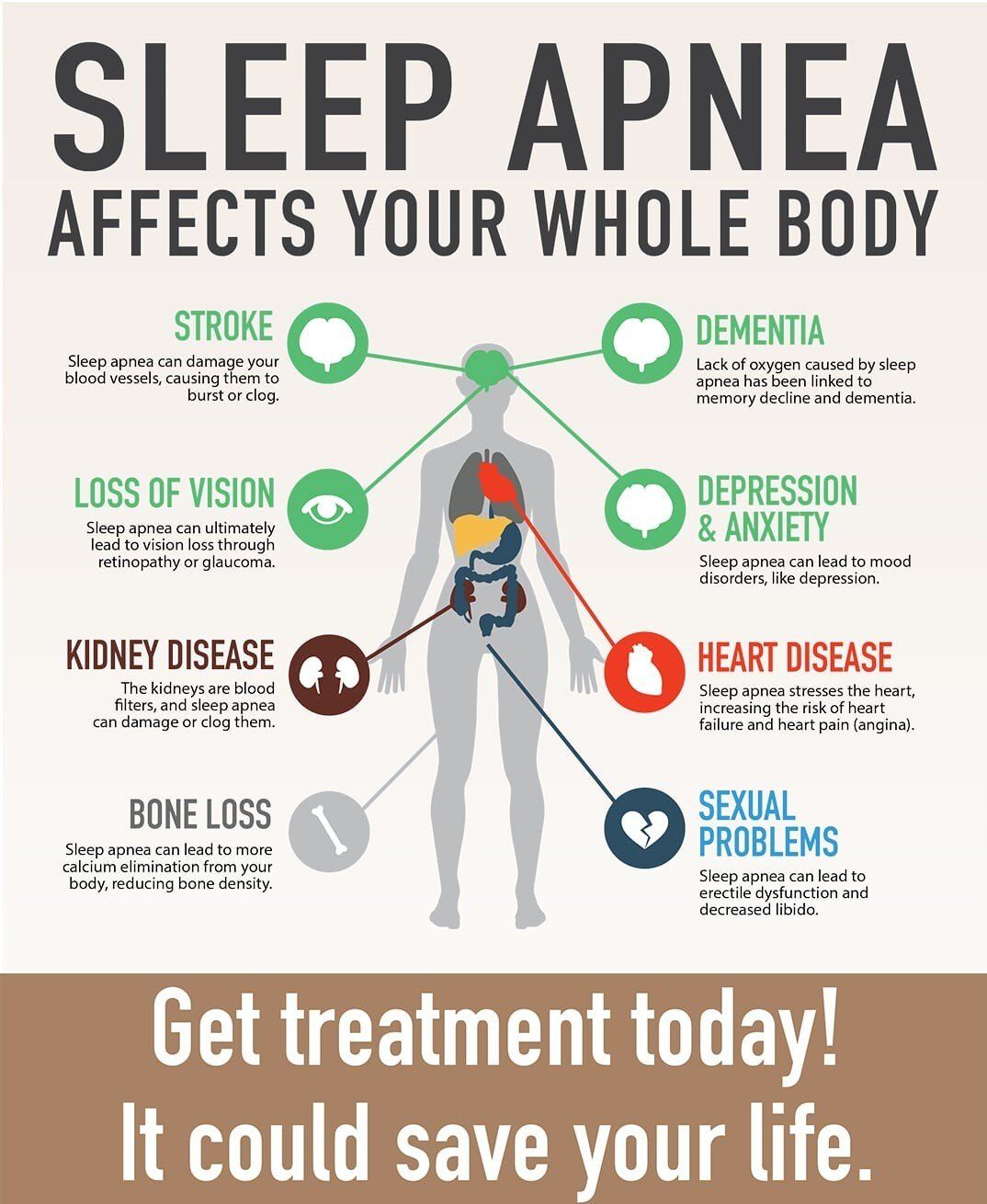
Snoring occurs when air passes through relaxed tissues in the throat, causing them to vibrate during sleep. While occasional snoring is common, frequent or loud snoring may indicate an underlying breathing concern.
Obstructive sleep apnea (OSA) is a condition in which the airway repeatedly becomes partially or completely blocked during sleep, interrupting normal breathing. Not everyone who snores has sleep apnea, but persistent snoring, especially when accompanied by other symptoms, may warrant further assessment.
Signs That Warrant Assessment
Sleep-related breathing problems can affect both your sleep quality and daytime well-being. Common signs to look out for include:
- Loud or frequent snoring
- Pauses in breathing noticed by a sleep partner
- Gasping or choking during sleep
- Excessive daytime tiredness or sleepiness
- Morning headaches or waking with a dry mouth
- Difficulty concentrating or feeling unrefreshed after sleep
If you or your partner notice these symptoms, an assessment can help determine whether further evaluation is needed.
Assessment and Sleep Testing
Understanding the cause of snoring or disrupted sleep is an important first step toward appropriate care.
At Paget Dental Group, we can discuss your symptoms, review relevant oral and airway-related factors, and help identify concerns that may require further investigation.
If sleep apnea is suspected, we may recommend assessment by a qualified medical provider. A sleep study may be needed to confirm a diagnosis and determine the severity of the condition.
Working together with medical professionals helps ensure that any dental treatment is appropriate for your individual needs.
Custom Oral Appliances
Custom oral appliances may be an effective treatment option for certain patients with snoring or obstructive sleep apnea.
These small, specially fitted devices are worn during sleep and gently position the lower jaw forward to help keep the airway open. They are designed for individual comfort and fit.
Oral appliance therapy may be suitable for some patients, depending on their diagnosis, the severity of their condition, oral health, and personal preferences.
Treatment decisions are made in coordination with the treating medical provider to ensure the most appropriate approach for each patient.
Laser Treatment for Snoring
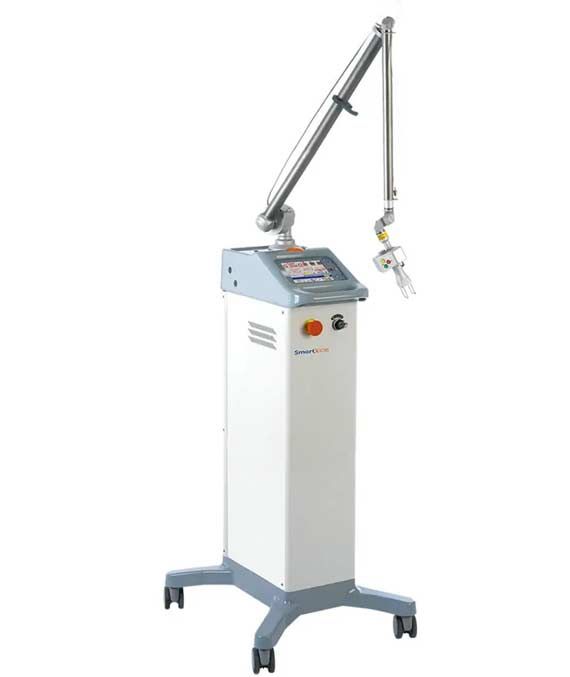
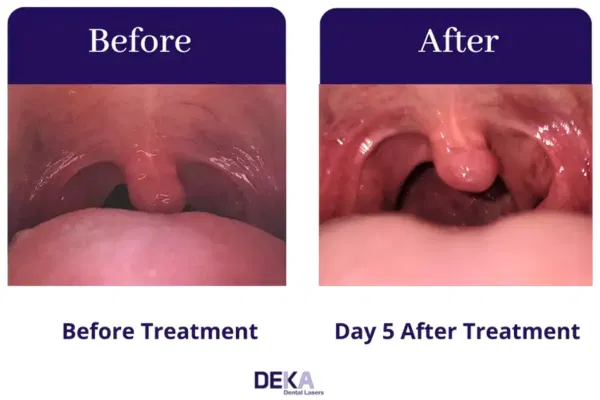
We offer laser treatment for suitable patients using our DEKA CO₂ laser. QuietNite treatment targets soft tissues involved in snoring. An assessment is needed to establish the cause of snoring and whether this approach is appropriate.
Follow-up Care
Ongoing care is an important part of managing snoring and sleep-related breathing concerns.
Follow-up appointments allow us to review your progress, assess treatment comfort and suitability, and make adjustments to oral appliances when needed.
Additional medical follow-up or sleep testing may also be recommended to evaluate treatment effectiveness.
Our goal is to provide personalised care that supports your comfort, oral health, and long-term well-being.