Hidden Dental Damage From Untreated TMJ: Guidance From Dr. Fay

Hidden TMJ Damage You Can’t See but Shouldn’t Ignore
Jaw problems are not always loud or dramatic. Many people in Bermuda live with tight jaws, sore teeth, or morning headaches and think it is just stress or getting older. Often, the real issue is the temporomandibular joint, or TMJ, the small hinge that connects your lower jaw to your skull on each side of your face.
TMJ troubles can be hard to spot. The pain can move around, come and go, or feel like something else completely. That is why TMJ is often missed or brushed off. At our family clinic, Dr. Fay and Dr. James Fay see how much hidden damage untreated TMJ can cause, even in people who think their teeth are “fine.”
In this guide, we want to help you notice the quiet warning signs, understand what can happen if TMJ is ignored, and know when it is time to see Dr. Fay or Dr. James Fay in Bermuda for a closer look and a clear plan.
How Untreated TMJ Quietly Wears Down Your Teeth
When your jaw joint is not happy, your muscles try to protect it. They may clamp, clench, or grind. Many people do this in their sleep and have no idea it is happening. Over time, this constant pressure can be tough on your teeth.
Here’s what long-term clenching and grinding can do, even without pain at first:
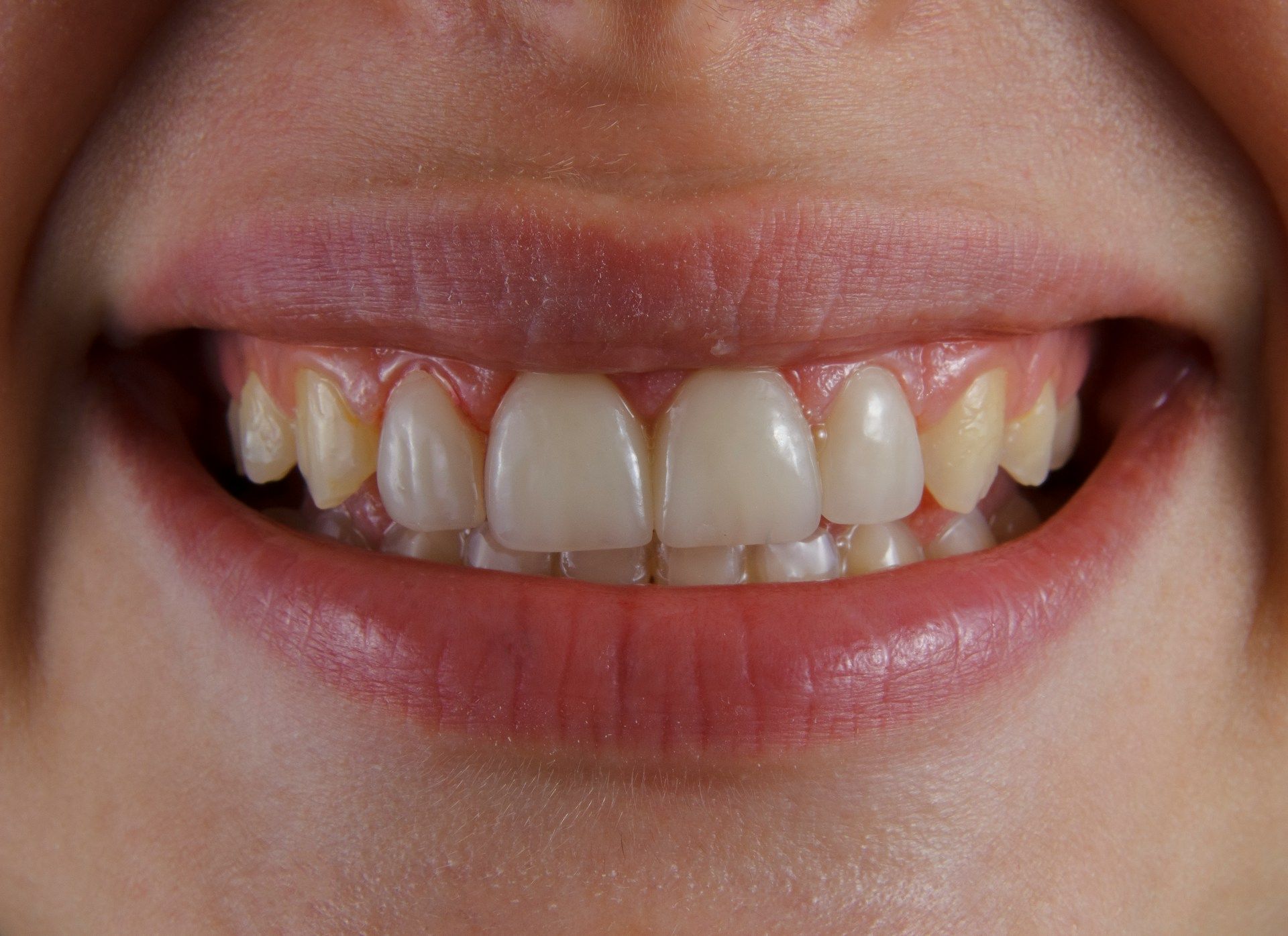
- Wear away enamel so teeth look flat or shorter
- Create tiny cracks that later turn into chips or broken corners
- Roughen the edges of front teeth so they catch on your lip or tongue
- Make old fillings or crowns loosen or fail sooner
At first, you may just notice that your teeth look a little “off” in photos or feel different when you run your tongue over them. Later, bite changes can make chewing harder. Foods you used to enjoy may cause:
- Sharp zaps of sensitivity with cold drinks
- Soreness after eating chewy foods
- Popping or shifting when you close your teeth together
When your bite is off, your jaw muscles often work even harder to find a “comfortable” position. That can start a cycle of more grinding, more wear, and more damage.
Dr. James Fay pays close attention to these early warning signs. With detailed bite analysis, photos, and digital scans, Dr. Fay tracks how your teeth touch and where they are wearing away. Small changes that you might miss in the mirror stand out clearly on side-by-side images. Catching that pattern early with Dr. Fay and Dr. James Fay can help avoid bigger repair work like large fillings, multiple crowns, or tooth replacement later on.
Jaw Pain Is Only Part of the TMJ Story
When people think about TMJ, they usually think about jaw pain. But TMJ issues can spread out into other parts of the head and neck. This is one reason TMJ often hides in plain sight.
Non-obvious TMJ symptoms can include:
- Headaches around the temples or behind the eyes
- Ear fullness or ringing without signs of infection
- Neck, upper back, or shoulder discomfort
- Tired, “heavy” feeling in the cheeks or face
- Clicking, popping, or mild catching when you open wide
These problems can easily be blamed on sinus trouble, ear infections, posture, long hours at a desk, or “just stress.” When that happens, TMJ does not get the attention it needs, and the root cause stays unsolved.
Dr. Fay and Dr. James Fay take time to connect the dots. During a TMJ-focused visit with Dr. Fay or Dr. James Fay, they may ask about:
- How you sleep and whether you wake unrefreshed
- Habits like gum chewing, nail biting, or jaw clenching during work
- Past dental work, orthodontics, or jaw injuries
- Neck or back issues that might affect how your jaw lines up
By looking at both medical and dental history, along with your daily routine, Dr. Fay and Dr. James Fay can often see patterns that point back to TMJ instead of random, separate issues.
The Hidden Impact of TMJ on Your Bite, Face, and Sleep
TMJ problems are not only about pain and sounds in your jaw. Over time, they can change the actual shape and balance of your bite and even how your face looks.
When the joint and muscles are out of balance for a long time, you may slowly notice:
- One side of your jaw working harder than the other
- Teeth that used to meet evenly now touching first on one side
- A shift in your smile line or midline
- Subtle changes in facial symmetry or jaw fullness
Sleep is part of the story too. Many people clench or grind more at night. This sleep bruxism can be linked to snoring and sleep apnea. When the airway is tight, the body may push the jaw forward or clamp down to try to keep things open enough for breathing. That puts even more strain on the TMJ and the teeth.
At our clinic, Dr. James Fay looks at your jaw joint and your airway together. This can involve checking how you breathe, how your tongue rests, and how your lower jaw sits when you are lying down compared to sitting up. TMJ care and sleep apnea support with Dr. Fay and Dr. James Fay often go hand in hand. When both are addressed together, your bite, joints, and sleep can become more stable and comfortable over time.
How Dr. Fay Uncovers TMJ Damage Before It Gets Severe
You do not need to wait for severe pain or obvious tooth breakage to investigate TMJ. Dr. Fay focuses on finding problems early so treatment can stay as simple as possible.
To study your TMJ and teeth, Dr. James Fay may use:
- Digital X-rays to see the joint and supporting bone
- 3D imaging to check jaw position and airway space
- Gentle joint and muscle exams to find tender or overworked areas
- Bite analysis with special paper and scanning tools
- High-resolution photos so tiny changes show up over time
Once Dr. Fay understands what is going on, the next step is a long-term plan that makes sense for you. Often the plan follows a clear order:
- First, calm and stabilize the jaw joint and muscles with guidance from Dr. Fay or Dr. James Fay
- Next, protect the teeth from more wear with custom splints or guards designed by Dr. Fay or Dr. James Fay
- Then, adjust the bite if needed so teeth meet in a safer pattern
- Finally, map out any restorative or cosmetic work in a way that respects the joint
When you see Dr. Fay or Dr. James Fay in Bermuda early, there is a better chance that care can stay focused on conservative options like custom splints, small bite tweaks, and coaching on habits. Waiting until the damage is advanced can mean that larger repairs, such as multiple crowns, bridges, or implants, might be needed to rebuild worn teeth.
Protecting Your Teeth and Joints for the Long Term
The main message is simple: untreated TMJ does not just affect your jaw; it can quietly change your teeth, your bite, your face, and your sleep over time. The good news is that with thoughtful help from Dr. Fay and Dr. James Fay at Paget Dental, much of that hidden damage can be prevented, slowed, or carefully managed.
At home, it helps to keep an eye on small changes, such as:
- New flat spots, tiny chips, or rough edges on teeth
- Jaw sounds that were not there before
- Morning headaches, facial fatigue, or sore teeth
- A feeling that your bite is “off” or has shifted
At your next dental visit, do not be shy about mentioning these signs to Dr. Fay or Dr. James Fay and asking if they could be related to TMJ. Long-term, high-quality planning with Dr. Fay and Dr. James Fay in a family-run practice setting can protect not only your smile, but also your comfort and sleep for many years to come.
Relieve Jaw Pain And Protect Your Long-Term Oral Health
If jaw pain, headaches, or clicking joints are affecting your daily life, we can help you find relief with a comprehensive TMJ evaluation and personalized treatment plan. As a dedicated
TMJ specialist in Bermuda, Paget Dental uses advanced diagnostic tools to pinpoint the cause of your discomfort and protect your bite, muscles, and joints. We will walk you through your options step by step so you feel confident in every decision about your care. To schedule an appointment or ask a question, simply
contact us and our team will follow up promptly.