TMJ and Sleep in Bermuda: Step-by-Step Screening and Referral Timing

How TMJ and Sleep Are Connected More Than You Think
Jaw pain, clenching, and poor sleep often come as a package deal. When the jaw is not working well, it can affect how you breathe at night, how your muscles behave, and how rested you feel in the morning. The opposite is also true: if your sleep and breathing are off, your jaw can end up working overtime.
TMJ, or the jaw joint, sits close to the airway and is wrapped in powerful muscles. If the jaw is pushed back, the airway space can feel tighter. If the airway is narrow, the body may clench or shift the jaw to keep air flowing. That constant strain can lead to pain, stiffness, and worn teeth.
At our family-run clinic in Bermuda, Dr. Fay and Dr. James Fay look at the whole picture. We pay attention to teeth, TMJ, muscles, breathing, and sleep quality, not just one piece at a time. Our step-by-step path usually includes:
- A review of clenching and grinding (bruxism)
- An airway and breathing check
- Home sleep testing when needed
- Clear timing for referral to a TMJ specialist in Bermuda or a sleep physician
First Clues at Home: Signs Your Jaw and Sleep Need Attention
The first signs of a problem often show up in daily life. Many people brush them off as “just stress” or “just getting older,” but they are worth noticing and mentioning to Dr. Fay or Dr. James Fay.
Common red flags at home include:
- Morning headaches or heavy, “foggy” feeling
- Jaw soreness or stiffness when you wake up
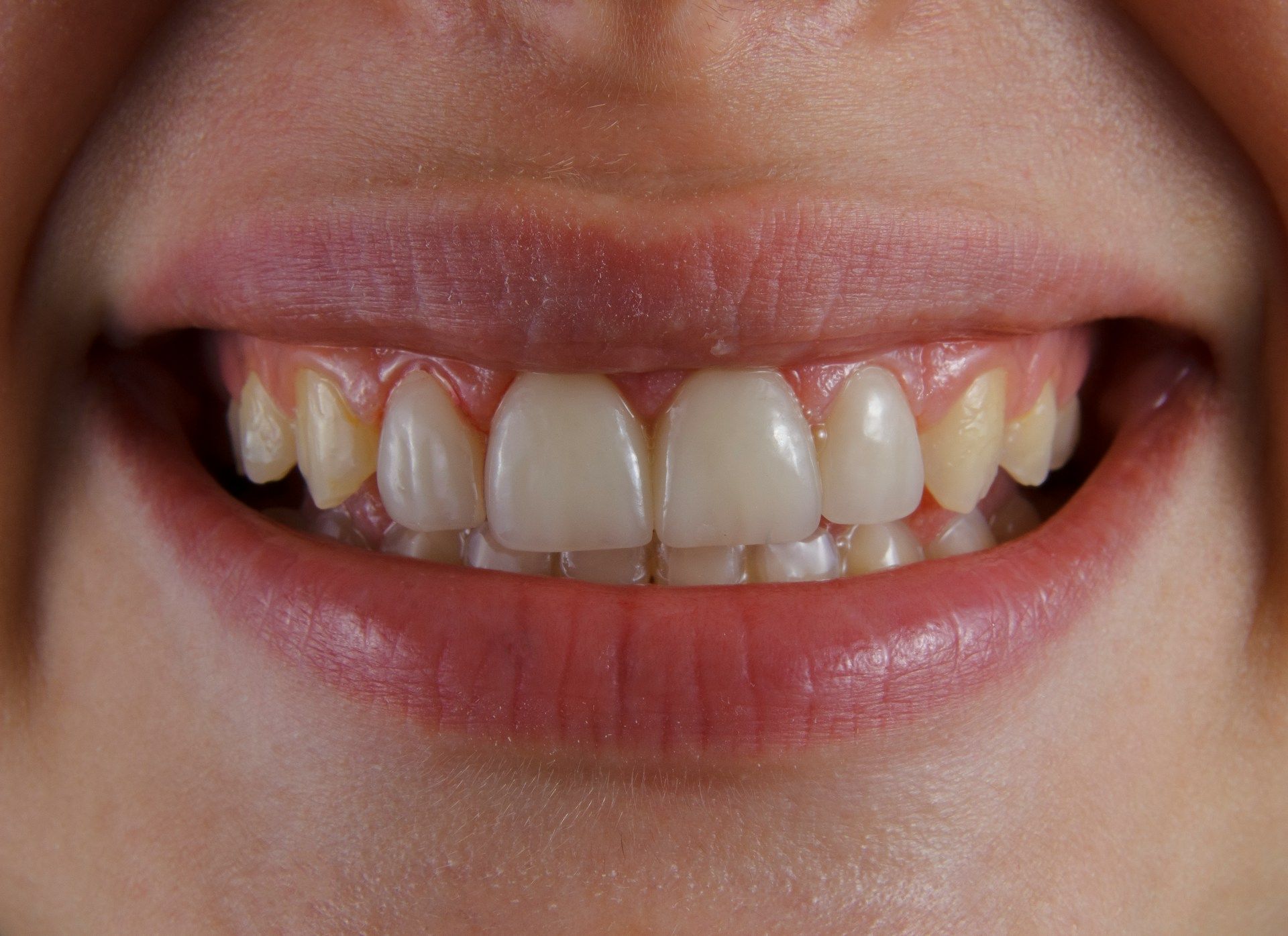
- Chipped, cracked, or flattened teeth
- Snoring or noisy breathing during sleep
- Waking up unrefreshed, even after a full night in bed
- Neck, shoulder, or facial tension that keeps coming back
Stress, long hours at a desk, and poor posture can all load the jaw muscles. When this is mixed with nighttime grinding or a narrow airway, the strain can build quietly for a long time. Some people notice they clench harder on days when their nose is blocked, or during allergy season, as their body works to keep air flowing.
Before seeing Dr. Fay or Dr. James Fay, it helps to keep a simple “jaw and sleep” list for about two weeks. You might note:
- Headaches or jaw pain and when they happen
- Snoring, gasping, or teeth grinding a partner notices
- Times you wake at night and how you feel in the morning
- Any neck or ear discomfort
This small bit of homework can give us a clear starting point for a focused exam.
In-Office Screening with Dr. Fay: Bruxism, Bite, and Jaw Joints
When you come in, Dr. James Fay usually begins with a detailed conversation. We talk through your medical and dental history, your sleep habits, past orthodontic work, and any past TMJ issues. Our goal is long-term stability, not a quick fix that fades in a few months.
During the clinical exam, Dr. Fay or Dr. James Fay will typically:
- Check how wide and smoothly your jaw opens and closes
- Listen and feel for clicking, popping, or locking
- Gently feel the jaw, face, and neck muscles for tenderness
- Look for wear, cracks, or chipping on teeth from bruxism
- Review your bite and how your teeth meet
At Paget Dental, we also use digital tools and imaging to help us see the jaw joints, teeth, and bite with more detail. This gives us a clearer picture of what is driving your symptoms.
From this first visit, we can often decide if you are a good candidate for conservative care at our office, such as bite splints, bite adjustments, or muscle-focused support. In other cases, it may be clear that a TMJ specialist in Bermuda or another provider will need to be part of your care at some point, even if we begin with simple steps here.
Airway and Breathing: The Missing Link in TMJ Care
Many people think of TMJ as “just a jaw problem,” but breathing plays a big role. Dr. Fay pays close attention to how you breathe and how your tongue and jaw sit at rest, especially during sleep.
During an airway-focused review, Dr. Fay or Dr. James Fay may assess:
- Habitual mouth breathing versus easy nasal breathing
- Tongue posture, low or forward tongue, or tongue pushing on teeth
- Jaw position, especially if it sits back toward the throat
- Crowded teeth or narrow arches that might hint at a tight airway
If your airway is narrow or unstable at night, your brain may give your jaw a job it was not designed for: keeping the airway open. This can show up as:
- Clenching or grinding to stabilize the lower jaw
- The jaw moving forward to pull the tongue away from the throat
- Micro-arousals, tiny wake-ups that ruin deep sleep
When breathing seems to be a main driver, Dr. James Fay may recommend airway-focused dental treatments, such as carefully designed bite splints or jaw position appliances. In other cases, you may need a team approach. This can include an ENT doctor, a myofunctional therapist for tongue and muscle training, or a TMJ specialist in Bermuda if the joints are badly overloaded.
Home Sleep Testing and When to Refer to a Specialist
If signs point toward sleep-disordered breathing or possible sleep apnea, home sleep testing often becomes the next step. A home sleep test is a small device you wear while sleeping in your own bed. It is more comfortable than a lab study for many people.
These tests typically measure:
- Breathing interruptions and shallow breathing events
- Oxygen levels through the night
- Snoring patterns and sleep positions
- Heart rate and sometimes movement
Dr. Fay and Dr. James Fay use this information, along with your TMJ and bruxism findings, to see how everything fits together. For some people, symptoms are mild and can be managed with dental care, such as an oral appliance, bite splint, or careful adjustment of the bite, along with ongoing monitoring at our office.
In other cases, the home sleep test points to more serious breathing concerns. Then we may recommend:
- A referral to a sleep physician for a full medical sleep study
- Medical imaging of the airway or jaw joints
- Collaboration with a TMJ specialist in Bermuda for joint-focused care
Our role does not end with the referral. Over time, we keep an eye on how your jaw feels, how your teeth look, and how your sleep changes. We can adjust appliances and share updates with other providers so your care stays coordinated.
Your Next Steps with Dr. James Fay in Bermuda
If you are starting to see yourself in these signs, simple preparation can make your visit with Dr. Fay or Dr. James Fay more productive. Before you come in, gather:
- Your two-week symptom list
- A list of current medications and supplements
- Notes from a partner about snoring or grinding
- Any old bite guards, splints, or orthodontic records
Bringing this information helps us understand where you have been and where you want to go. At our family-run clinic, we focus on steady, predictable progress for your jaw, teeth, and sleep, using modern tools and the advanced training our dentists have completed. Early evaluation can often reduce pain, protect your teeth, improve sleep quality, and support well-timed referrals when more specialized care is needed.
Relieve Jaw Pain And Restore Comfortable Everyday Living
If jaw pain, headaches, or difficulty chewing are affecting your daily life, we are here to help you find lasting relief. As a trusted
TMJ specialist in Bermuda, Paget Dental provides personalized diagnostics and treatment tailored to your unique symptoms. Schedule an appointment so we can evaluate your concerns, explain your options, and build a clear plan forward. If you are ready to take the next step, you can
contact us to get started.