How to Transition From CPAP to a Dental Oral Appliance Safely
Discover a Safer, Easier CPAP Alternative
Switching from CPAP to a dental oral appliance is a big decision, and it should always be safe, planned, and supervised. Many people with sleep apnea feel stuck between a machine they hate and sleep they cannot live without. Our goal is to help you understand what your options are, how the process works, and when to ask for help.
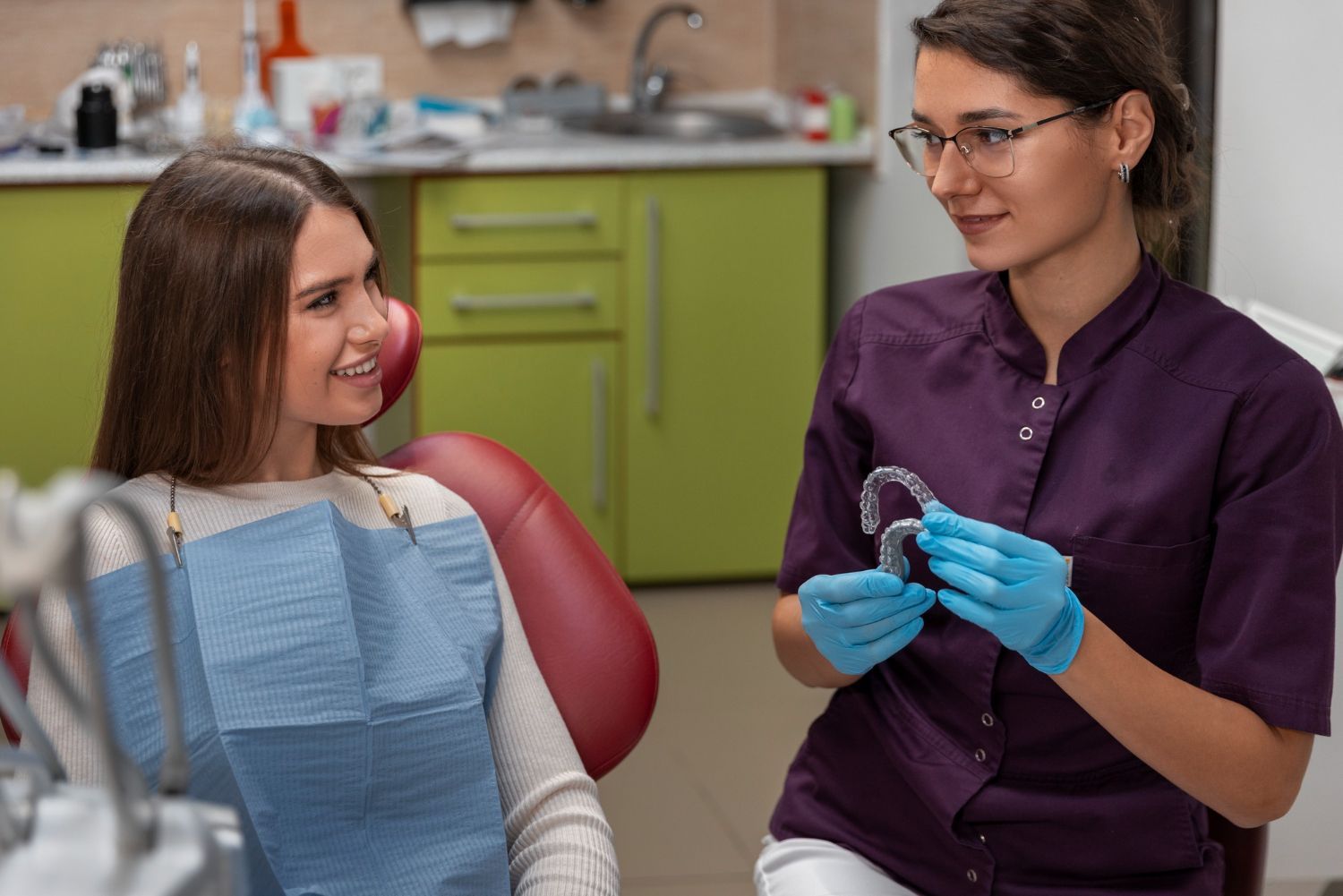
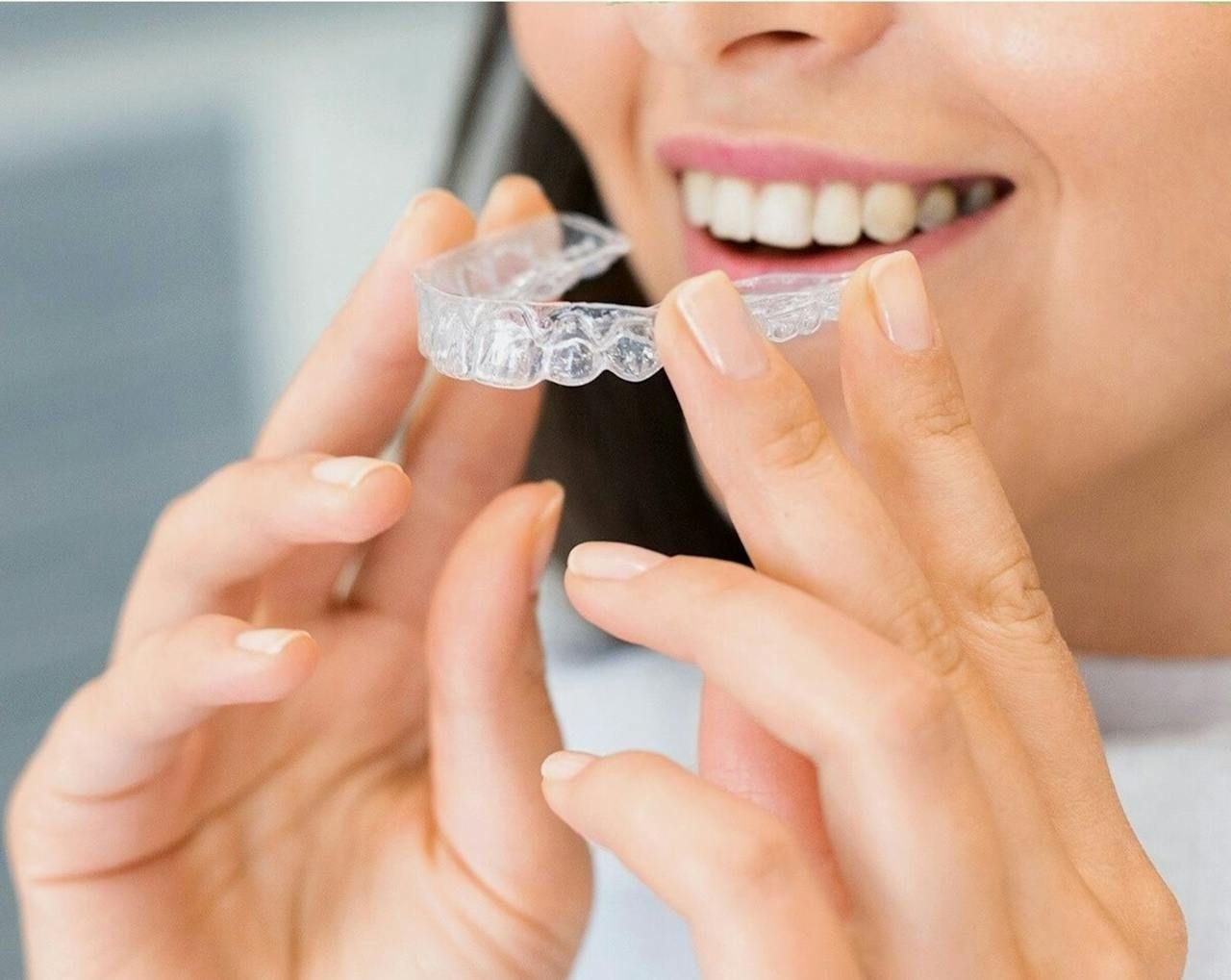
A custom dental oral appliance is a small device that fits over your teeth, like a slim night guard. Instead of pushing air into your airway like CPAP, it gently holds your lower jaw in a slightly forward position. This helps keep the airway more open while you sleep so breathing is easier and snoring may be reduced.
At Paget Dental in Bermuda, Dr. Fay and Dr. James Fay work with people who are struggling with CPAP and want a safer, easier option. We focus on comfort, but we never trade comfort for safety. In this guide, we walk through how testing, fitting, follow-up sleep studies, and red flags all fit together when you move from CPAP to an oral appliance.
When CPAP Is Not Working: Is an Oral Appliance Right for You?
Many people with sleep apnea start with CPAP and then find it hard to stay with it. Common reasons include:
- Mask discomfort or pressure marks on the face
- Air leaks that blow in the eyes or wake a bed partner
- Dry mouth, sinus trouble, or congestion
- Claustrophobia or trouble relaxing with a mask on
- Difficulty packing a machine for travel
- Simply not using it every night, or all night
If any of these sound familiar, a custom oral appliance might be worth exploring, especially if your apnea is mild or moderate. Oral appliances can also help if you mainly snore without true sleep apnea. People with more severe apnea sometimes can use an appliance too, but this must be done very carefully and with close medical follow-up.
A good candidate usually:
- Has a confirmed sleep study diagnosis
- Has healthy enough teeth and gums to support an appliance
- Is ready to follow through with visits, adjustments, and testing
- Is working with both a sleep physician and a sleep apnea dentist
As a sleep apnea dentist in Bermuda, we know that getting off-island appointments can be harder. That is why it matters to work with a local, experienced team like ours. Dr. Fay and Dr. James Fay partner with your sleep physician instead of replacing them, and we never suggest stopping CPAP on your own without guidance.
Step-by-Step: How Dr. Fay Guides a Safe Transition
The first step with Dr. Fay or Dr. James Fay is a detailed consultation. We review:
- Your previous sleep study results
- Any CPAP download or app data you have
- Medical history, including heart, lung, or blood pressure issues
- Symptoms such as loud snoring, gasping, morning headaches, or daytime fatigue
This helps us and your sleep physician decide if a dental oral appliance is a safe option to try.
Next comes selection and custom fitting of the appliance. We usually take impressions or digital scans of your teeth and a record of how your jaws meet. From this, we choose a style of mandibular advancement device that suits your jaw shape, bite, and sleep apnea severity. The goal is a device that is secure, adjustable, and as comfortable as possible.
Once the appliance is made, we start the titration or adjustment phase. Dr. James Fay will:
- Check the fit closely at each visit
- Slowly advance the lower jaw position over several weeks
- Ask about snoring, awakenings, and daytime sleepiness
- Watch for any jaw soreness or bite changes
During this time, many people continue to use CPAP, often on nights when they feel most at risk, such as when very tired. Any move to using the appliance alone should be a planned step that Dr. Fay, Dr. James Fay, and your sleep physician agree on together. This is a supervised hand-off, not a quick swap.
The Role of Follow-up Sleep Studies and Home Testing
Feeling better is helpful, but it does not always tell the whole story. Sleep apnea can still strain your heart, brain, and blood vessels even if snoring gets quieter. That is why testing is so important when changing from CPAP to an oral appliance.
A follow-up sleep study or home sleep test can show:
- Your apnea-hypopnea index (AHI), or how often your breathing dips
- Oxygen levels while you sleep
- How often you wake up, even briefly
- Whether your breathing is better, worse, or about the same compared to CPAP
Dr. Fay and Dr. James Fay review these results with your sleep physician. Together, they decide if the appliance is controlling your apnea well enough or if more adjustments are needed. Sometimes the device is advanced a little further, or CPAP is kept as backup for nights when you are very tired or sleeping on your back.
As a sleep apnea dentist in Bermuda, we need to be especially careful with testing and communication. Our aim is to give you medical-level safety within a dental setting, so your treatment is based on clear data, not guesswork.
Red Flags You Should Never Ignore with an Oral Appliance
Even when things seem to be going well, there are certain signs that should never be brushed off. Symptom red flags include:
- Louder or returning snoring after it had improved
- Bed partner noticing breathing pauses again
- Gasping, choking, or waking up feeling like you cannot get air
- Waking with a racing heart or chest discomfort
- Stronger morning headaches or brain fog
- Growing daytime sleepiness or trouble staying awake
There are also dental and jaw red flags to watch:
- Jaw pain that keeps getting worse
- Jaw locking or clicking that does not improve
- Bite changes that stay for hours after you remove the appliance
- Teeth that feel loose
- Gum irritation that does not settle even after small adjustments
Some signs mean you should seek urgent medical help, not wait for a dental visit:
- Severe chest pain or pressure
- Signs of stroke, such as sudden trouble speaking or weakness on one side
- Sudden extreme shortness of breath
- Feeling like you might faint when you wake up
Dr. James Fay usually expects to see people several times during the first months of appliance use, then at least once a year after things are stable. Skipping these follow-ups can allow small problems to grow quietly, both in your sleep breathing and in your jaws and teeth.
Partner with a Sleep Apnea Dentist in Bermuda for Long-Term Safety
We know it can be tempting to simply stop your CPAP and buy a generic snore guard online. The problem is that sleep apnea is a medical condition that affects your whole body, not just your noise level at night. Without proper testing and guidance, an over-the-counter device can mask snoring while your apnea remains poorly controlled.
Working closely with Dr. Fay and Dr. James Fay at Paget Dental means your comfort and your safety both stay in focus. We coordinate with your sleep physician, fit your appliance precisely, arrange objective follow-up testing, and keep an eye on your teeth, jaw joints, and airway over time.
With the right support from a sleep apnea dentist in Bermuda, you do not have to choose between comfort and protection. You can aim for quieter nights, better energy, and long-term care of your heart and brain, all while using a treatment that actually fits your lifestyle.
Take The First Step Toward Restful, Healthy Sleep
If you are struggling with loud snoring, daytime fatigue, or restless nights, we are here to help you breathe and sleep more comfortably. Schedule an appointment with our experienced sleep apnea dentist in Bermuda so we can evaluate your symptoms and discuss treatment options that fit your life. At Paget Dental, we focus on solutions that are effective, discreet, and comfortable to wear. If you are ready to talk with our team, simply contact us to get started.