Tooth Extraction Aftercare in Bermuda: Healing, Dry Socket Prevention, and Help

Faster, Safer Healing After Tooth Removal
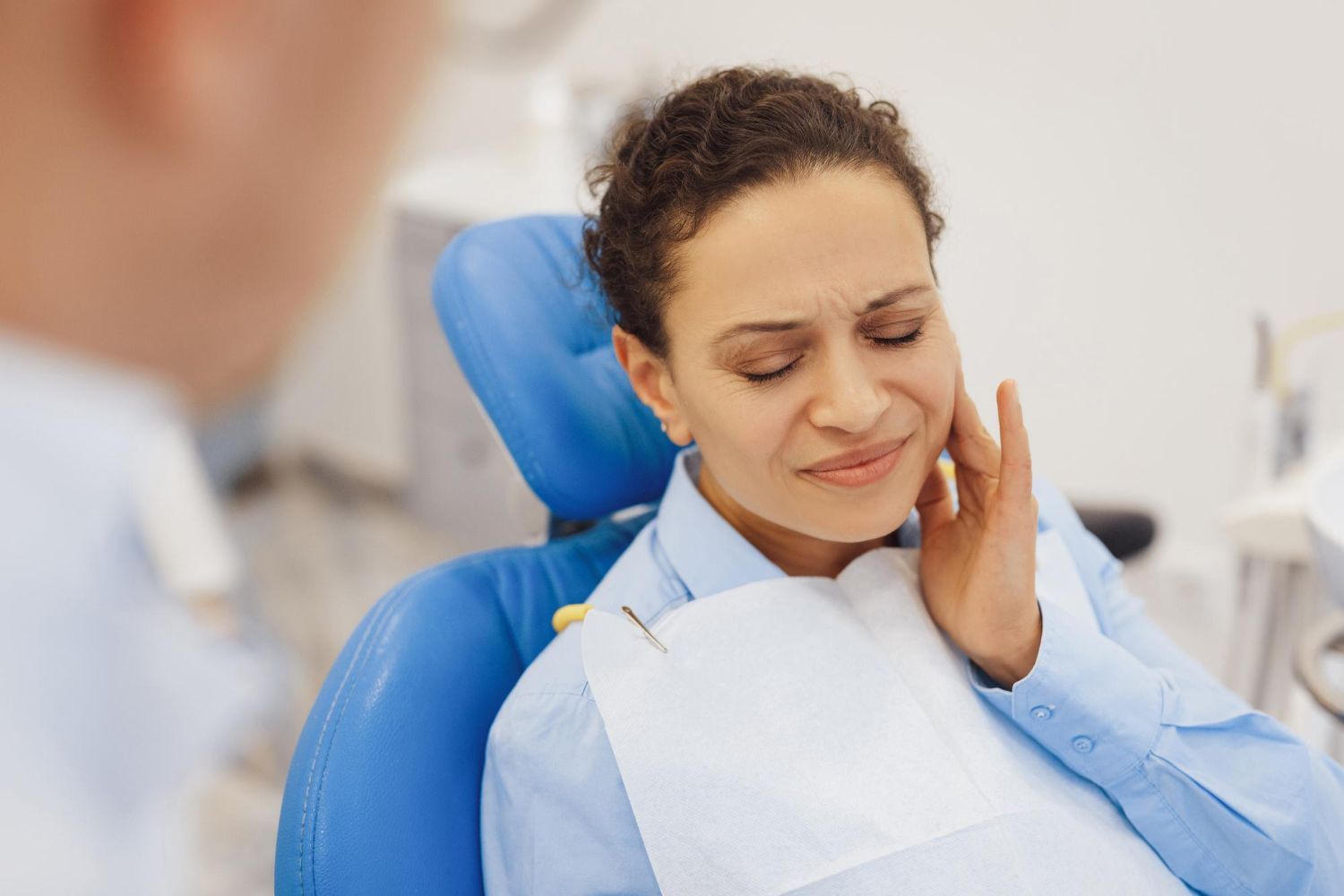
Tooth extraction in Bermuda can bring a lot of questions. How much will it hurt? When can you eat normally again? Is it safe to swim, exercise, or go back to work? These are all common worries when a tooth needs to come out.
At our family-run clinic, Dr. Fay and Dr. James Fay focus on more than just getting the tooth out. Dr. Fay and Dr. James Fay plan carefully for your healing, your comfort, and your long-term oral health. They know you want to get back to your usual daily routine quickly, without surprises.
Here, we walk through what usually happens after a tooth extraction, how to lower the chance of problems like dry socket, and which symptoms are normal healing versus reasons to call Dr. Fay or Dr. James Fay. With a clear plan and good follow-through, most people feel better faster than they expect and can return to everyday life with confidence.
What to Expect After Tooth Extraction in Bermuda
Healing after tooth extraction in Bermuda happens in stages. Everyone heals at a different speed, but there is a common pattern.
In the first 24 hours:
- A blood clot forms where the tooth was removed
- Mild oozing of blood is common
- The area feels numb at first, then sore as the numbing wears off
Dr. Fay and Dr. James Fay usually recommend:
- Resting and keeping your head propped up
- Biting down on gauze as directed
- Avoiding heavy activity or bending over a lot
During days 2 to 3, you may notice:
- Mild swelling around the cheek or jaw
- A dull ache or tenderness
- Stiffness when you open your mouth fully
From days 4 to 7, early tissue healing starts. The area may still feel tender if you bump it, but day-to-day activities feel easier. Over weeks 2 to 4, deeper bone healing is underway, even if the surface looks much better.
Normal symptoms often include:
- Mild bleeding that slows and stops
- Dull, manageable soreness
- Slight bruising or stiffness in the jaw
Warning signs that you should call Dr. Fay or Dr. James Fay include:
- Strong, throbbing pain that gets worse instead of better
- Persistent heavy bleeding that will not slow
- Fever, chills, or feeling generally unwell
- Bad taste, pus, or swelling that suddenly increases
Many people ask about work, exercise, and local activities. In general, light walking is fine once you feel up to it, but heavy lifting, intense workouts, and sports should wait a few days. Swimming and water sports can raise the risk of disturbing the clot or exposing the area to germs, so it is best to wait until Dr. Fay or Dr. James Fay says it is safe. Travel plans should also be shared with Paget Dental before your extraction, so Dr. Fay and Dr. James Fay can help time your treatment and follow-up.
Dr. Fay and Dr. James Fay always adjust these timelines to you. The plan changes if the extraction is simple or complex, if wisdom teeth are involved, if you have other medical concerns, or if we are planning future treatment like implants or bone grafts.
Step-by-Step Aftercare for a Smooth Recovery
Right after your tooth extraction in Bermuda, Dr. Fay and Dr. James Fay give you clear written instructions. They also explain everything before you leave, so you know exactly what to do that first day.
Immediate care usually includes:
- Biting on gauze as instructed to help a stable clot form
- Avoiding rinsing, swishing, or spitting forcefully at first
- Keeping your head slightly raised, even while resting
- Using ice packs on the cheek in short intervals
Dr. Fay or Dr. James Fay may recommend pain relief and other medications. Take them only as directed and do not skip or double up without guidance from Dr. Fay and Dr. James Fay.
For eating and drinking:
- Start with cool liquids and soft foods like yogurt, scrambled eggs, or mashed potatoes
- Avoid very hot drinks, alcohol, spicy foods, and crunchy or seedy foods that can scratch the area
- Stay hydrated, but sip slowly and avoid using straws
Oral hygiene is still important while you heal. Dr. Fay and Dr. James Fay usually suggest:
- Not brushing directly over the socket at first
- Gently brushing the other teeth as usual
- Starting gentle saltwater rinses at the time they recommend, usually by tilting and letting the water fall out, not spitting hard
Smoking and vaping are strongly discouraged by Dr. Fay and Dr. James Fay, because they raise the risk of dry socket and slow healing. Straws and strong spitting can also pull the clot out, so those should be avoided until Dr. Fay or Dr. James Fay says your healing is far enough along.
Our team follows up after your visit, so you are not left guessing through each day. If anything feels unclear, Dr. Fay and Dr. James Fay want you to ask.
Dry Socket Prevention and Early Warning Signs
Dry socket happens when the blood clot is lost too soon or does not form well. That clot is like a natural bandage that protects the bone and nerves underneath. Without it, the area can feel exposed and very sore.
Some extractions are more likely to develop dry socket, such as:
- Wisdom teeth removals
- Difficult or surgical extractions
- Extractions in people who smoke or vape
Simple ways to help prevent dry socket include:
- Not smoking or vaping before and after surgery, for as long as Dr. Fay or Dr. James Fay advises
- Avoiding straws and any strong suction in the mouth
- Not spitting with force
- Resting instead of doing intense exercise or water sports in the first days
Normal soreness should slowly get better. Call Dr. Fay or Dr. James Fay promptly if you notice:
- Pain that increases around days 2 to 4 instead of easing
- Pain that spreads to your ear, temple, or neck on the same side
- Foul breath or a bad taste coming from the socket
- A dry-looking hole where you can see bone
If dry socket happens, Dr. Fay or Dr. James Fay can gently clean the area, place special dressings, and guide your next steps, which usually brings much better comfort.
When Tooth Extraction Leads to Long-Term Solutions
Tooth extraction in Bermuda is often one step in a bigger plan, not the end of the story. Dr. Fay and Dr. James Fay may recommend removing a tooth for several reasons, such as:
- Preparing for dental implants or bridges
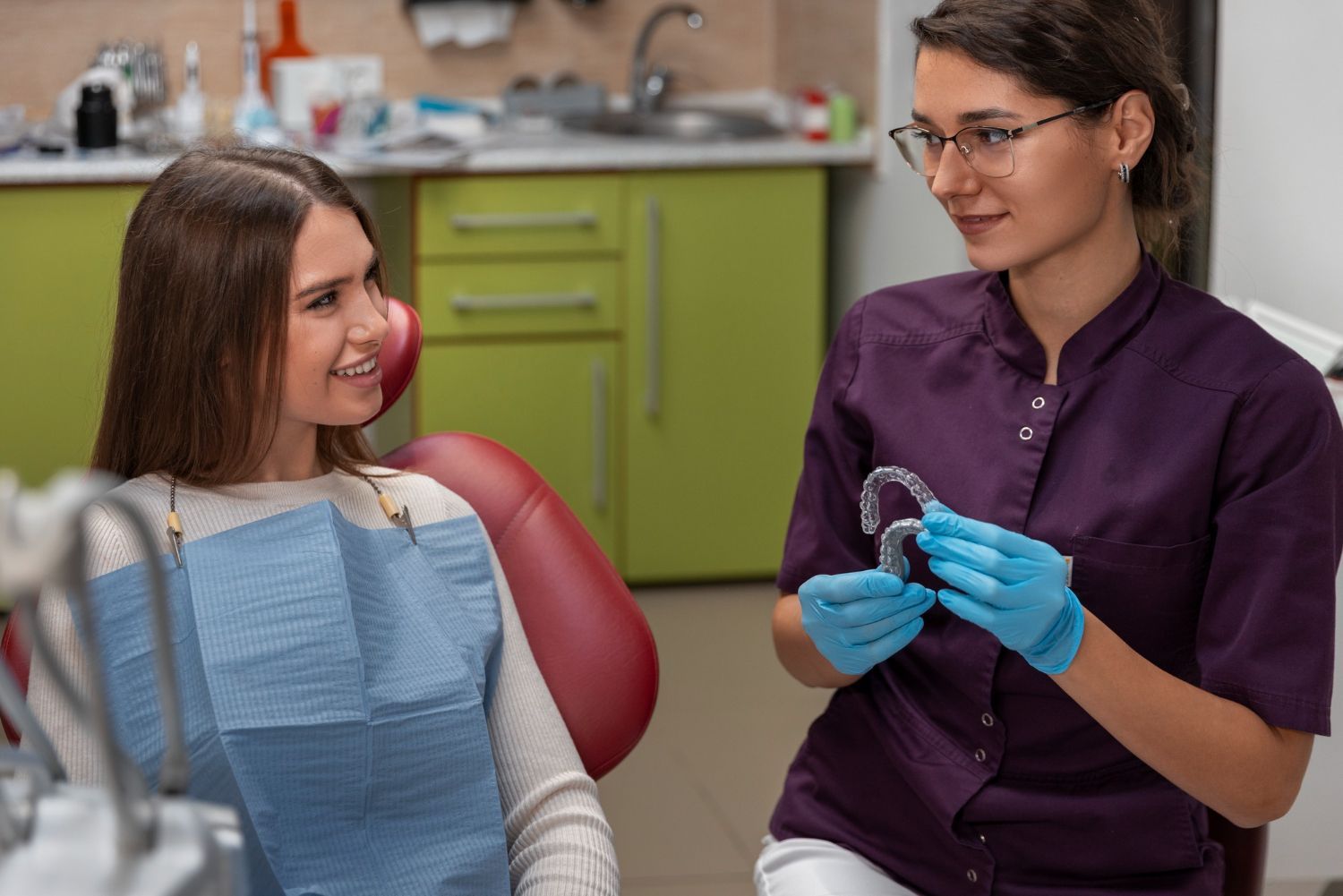
- Making space for orthodontic treatment
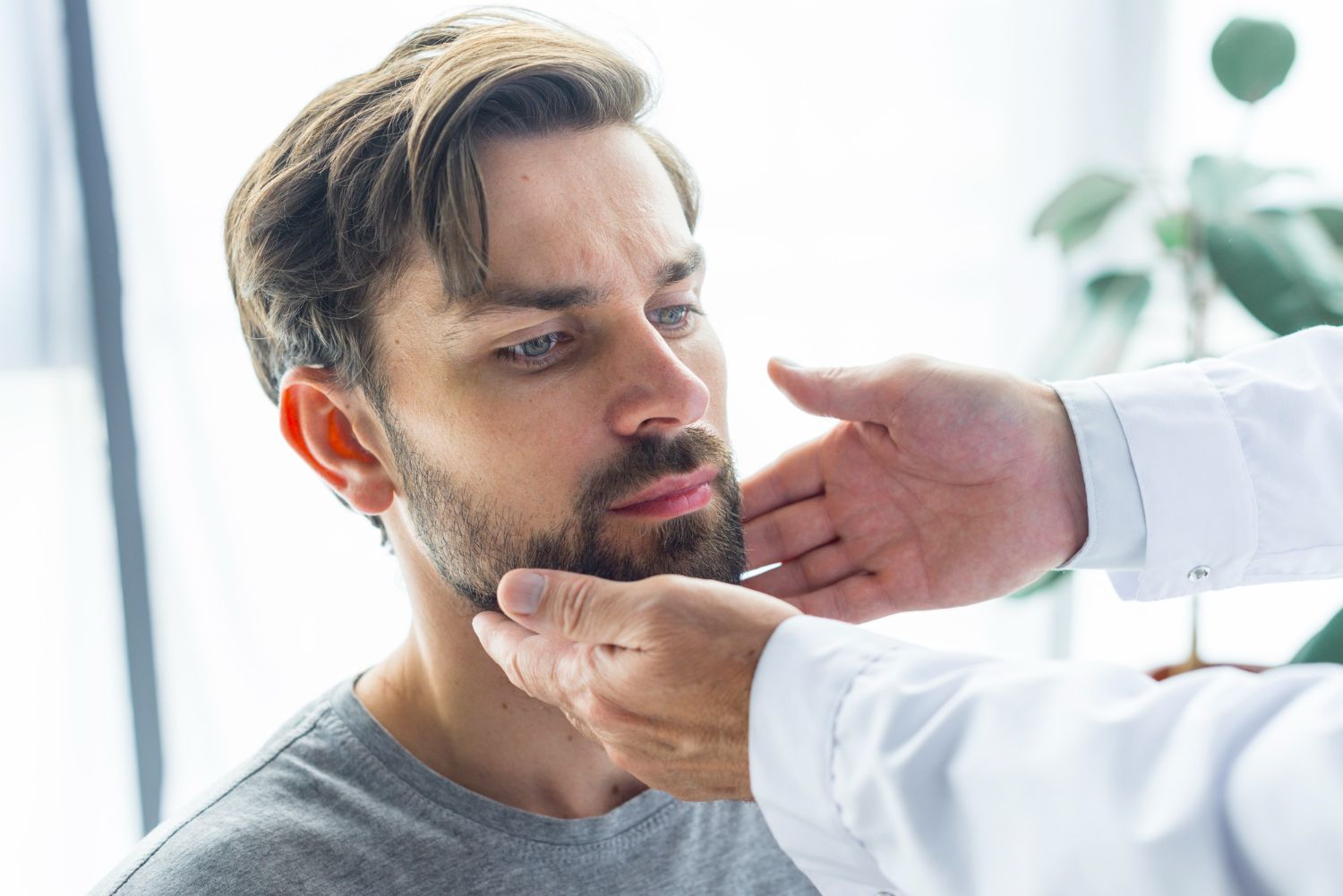
- Easing stress on the jaw in some TMJ cases
- Clearing severe infection that cannot be resolved in other ways
Good healing sets the base for what comes next. If Dr. Fay or Dr. James Fay are planning an implant later, for example, they want the bone and gums to be as healthy and strong as possible. Following the aftercare plan from Dr. James Fay and Dr. Fay protects that long-term goal.
At Paget Dental, Dr. Fay and Dr. James Fay use advanced technology, including digital imaging and 3D scans, to plan extractions and future restorations. This helps protect nearby teeth and preserve as much bone as possible. The focus of Dr. Fay and Dr. James Fay is not just on removing a problem tooth, but on replacing it with options that feel stable and look natural whenever possible.
When to Call Dr. James Fay and What Happens Next
Knowing when to call for help can lower stress and prevent small issues from becoming bigger ones. You should contact Dr. Fay or Dr. James Fay right away if you notice:
- Severe or worsening pain that is not helped by the recommended pain relief
- Heavy bleeding that continues even after using clean gauze as directed
- Pus, a strong bad taste, or a smell that seems unusual
- Fever, chills, or feeling suddenly unwell
- Swelling that grows quickly or makes it hard to swallow or breathe
- Worry about loose stitches or a clot that seems missing
When you contact Paget Dental, you speak with a trained team member who can ask the right questions and guide your next step. If something sounds urgent, we work to arrange a visit so Dr. Fay or Dr. James Fay can examine the area, ease your pain, and support your healing.
We encourage our patients to keep our number handy, follow the written instructions they receive after surgery, and attend follow-up visits so Dr. Fay and Dr. James Fay can confirm that everything is healing as it should. With careful aftercare and the experience of Dr. Fay and Dr. James Fay, most people recover smoothly and can get back to enjoying life in Bermuda with a healthier, more comfortable smile.
Protect Your Smile With Gentle, Expert Care Today
If you are worried you might need a
tooth extraction in Bermuda, we are here to guide you through every step with clarity and comfort. At Paget Dental, we focus on preserving your oral health while making treatment as stress-free as possible. Reach out to our team with your questions or to schedule an appointment through our
contact page.