Root Canal in Bermuda: What to Expect (Time, Pain Control, Aftercare)
Skip the Toothache Anxiety: What a Root Canal Really Is
A root canal sounds scary, but it is really just a way to clean and protect the inside of a damaged tooth. Inside each tooth there is soft tissue called the pulp, which holds the nerve and blood supply. When that tissue gets infected or badly inflamed, it can cause strong pain and ongoing problems.
Instead of pulling the tooth, a root canal with Dr. James Fay lets us remove the infection, clean the inside space, and seal it so the tooth can stay in your mouth. Keeping your natural tooth helps you chew better, keeps nearby teeth from shifting, and supports your jaw and smile. At our family-run clinic, we focus on comfort, clear steps, and long-term oral health, not just a quick fix.
Dr. Fay uses careful planning and a calm, steady approach so the visit feels more like a long filling than anything else. Many people are surprised by how manageable the appointment feels and how much relief they get once the infection is gone.
When You Need Root Canal Care with Dr. Fay in Bermuda
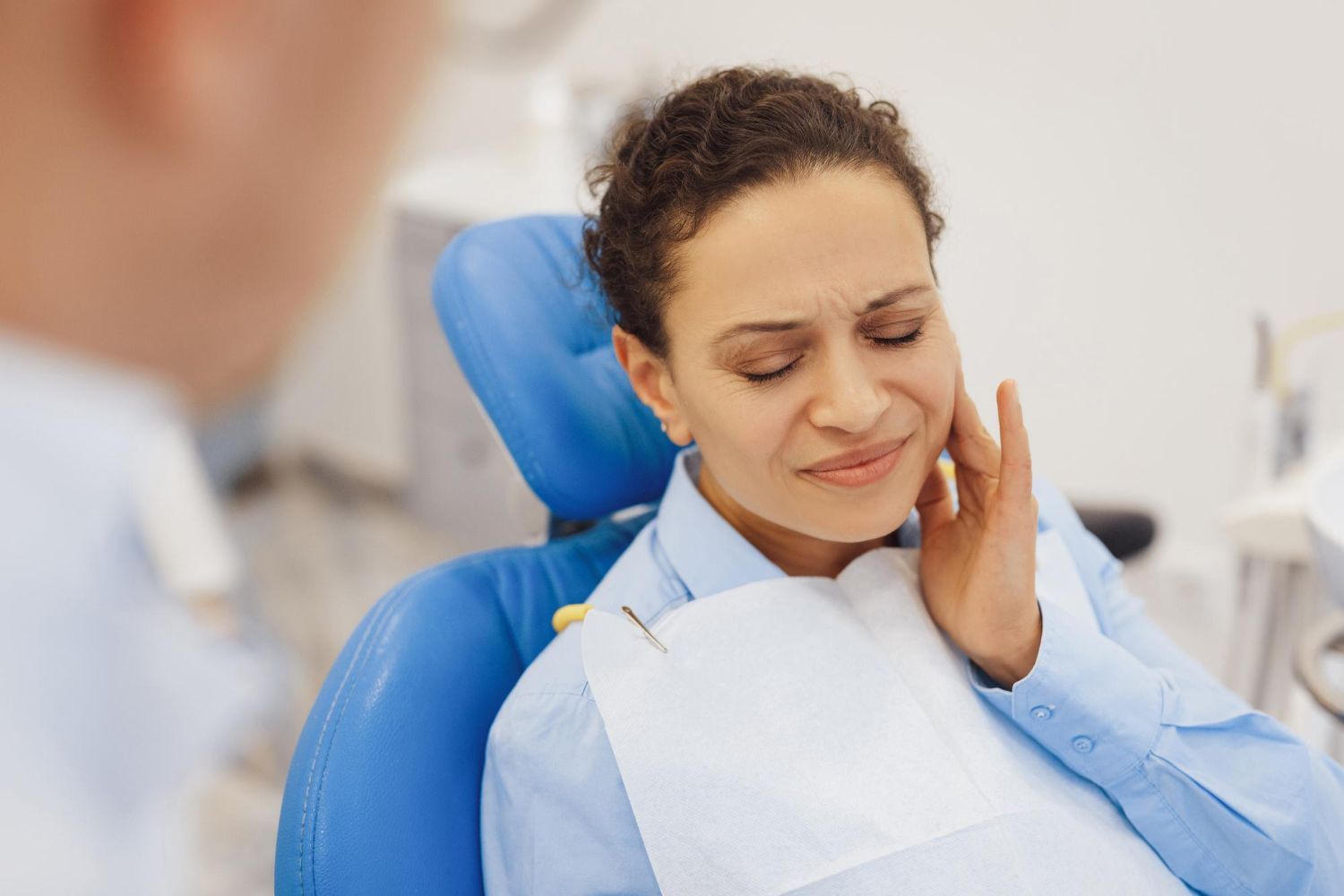
Tooth pain does not always mean you need a root canal, but there are warning signs you should not ignore. Common symptoms include:
- Lingering sensitivity to hot or cold that lasts after the drink or food is gone
- Throbbing or pulsing pain, especially at night or when you lie down
- Pain when you bite, chew, or touch the tooth
- Swelling in the gums or jaw near the tooth
- A small pimple-like bump on the gum that may drain fluid
When infection is deep inside the tooth, it will not clear up on its own. Ignoring these signs can lead to a serious abscess, more swelling, or even tooth loss. It can also make treatment more complex, and sometimes the infection can spread to nearby areas of the face.
As a root canal provider in Bermuda, Dr. Fay focuses on careful diagnosis before any treatment is started. Digital x-rays and a gentle clinical exam help Dr. Fay see the full picture, from the roots of the tooth to the surrounding bone. This lets us confirm if a root canal is truly needed or if another type of care with Dr. Fay would work better.
First Visit with Dr. James Fay: Exam, Imaging, and Planning
Your first visit with Dr. James Fay is about answers and a clear plan. We start with a simple health history review and a conversation about what you are feeling. Is the pain sharp or dull, constant or on and off, triggered by hot, cold, or biting? These details help Dr. James Fay narrow down the cause.
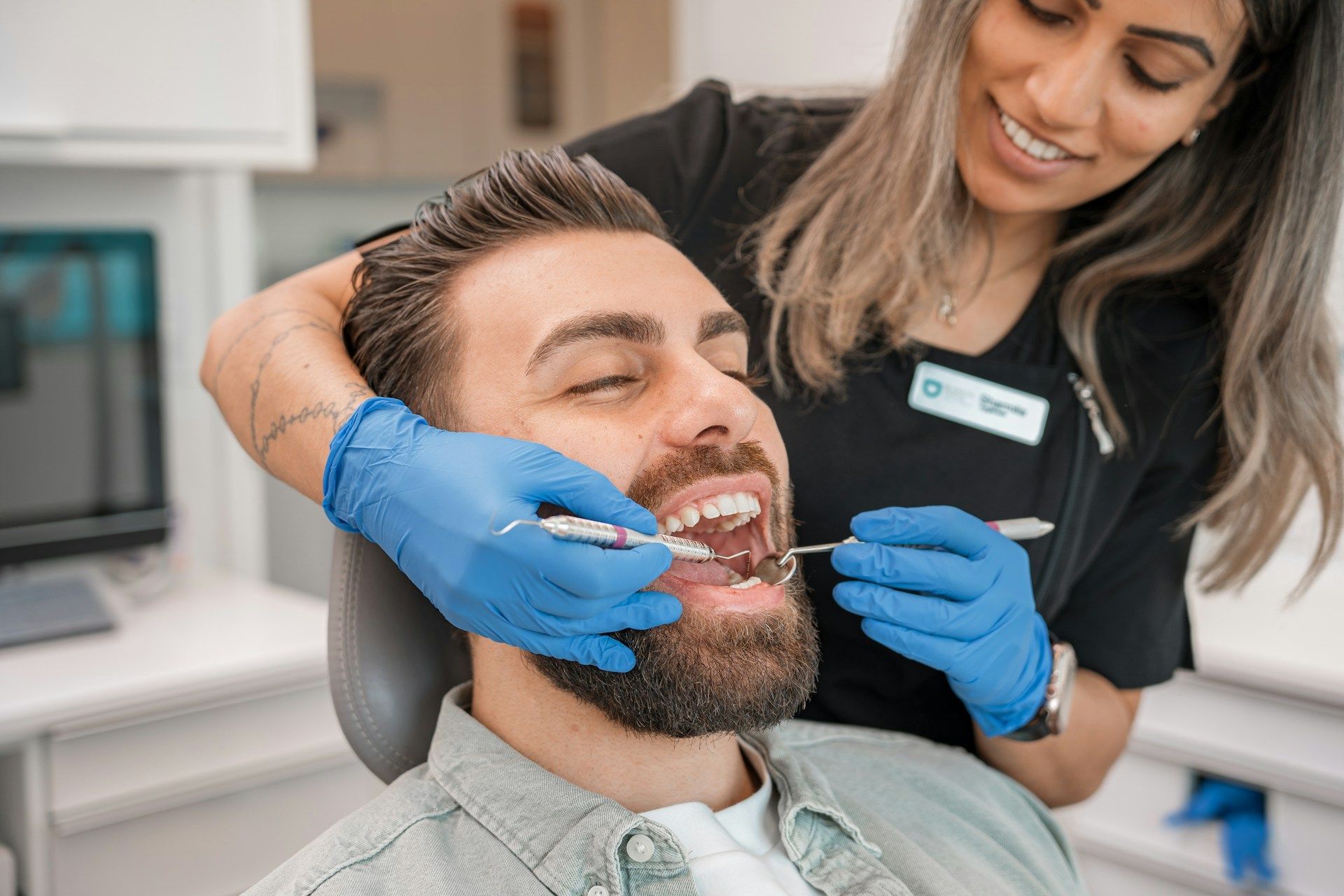
Next comes a careful exam of your teeth, gums, and bite. Digital x-rays give Dr. Fay a detailed look inside the tooth roots and surrounding bone. Dr. James Fay is checking for:
- Deep decay or cracks
- Signs of infection at the tip of the root
- Bone changes that point to long-term problems
- The shape and number of roots in that tooth
If a root canal is needed, Dr. Fay will walk you through the steps in simple language so you know exactly what to expect. Dr. James Fay takes time to answer questions and talk about what happens after the root canal, such as whether the tooth is likely to need a crown.
Because we also provide full smile rehabilitation, Dr. Fay always thinks about how this one tooth fits into your whole bite. He looks at how your teeth meet, how you chew, and any signs of grinding so your repaired tooth can stay strong for years.
Root Canal Step-by-Step: What Happens in the Chair
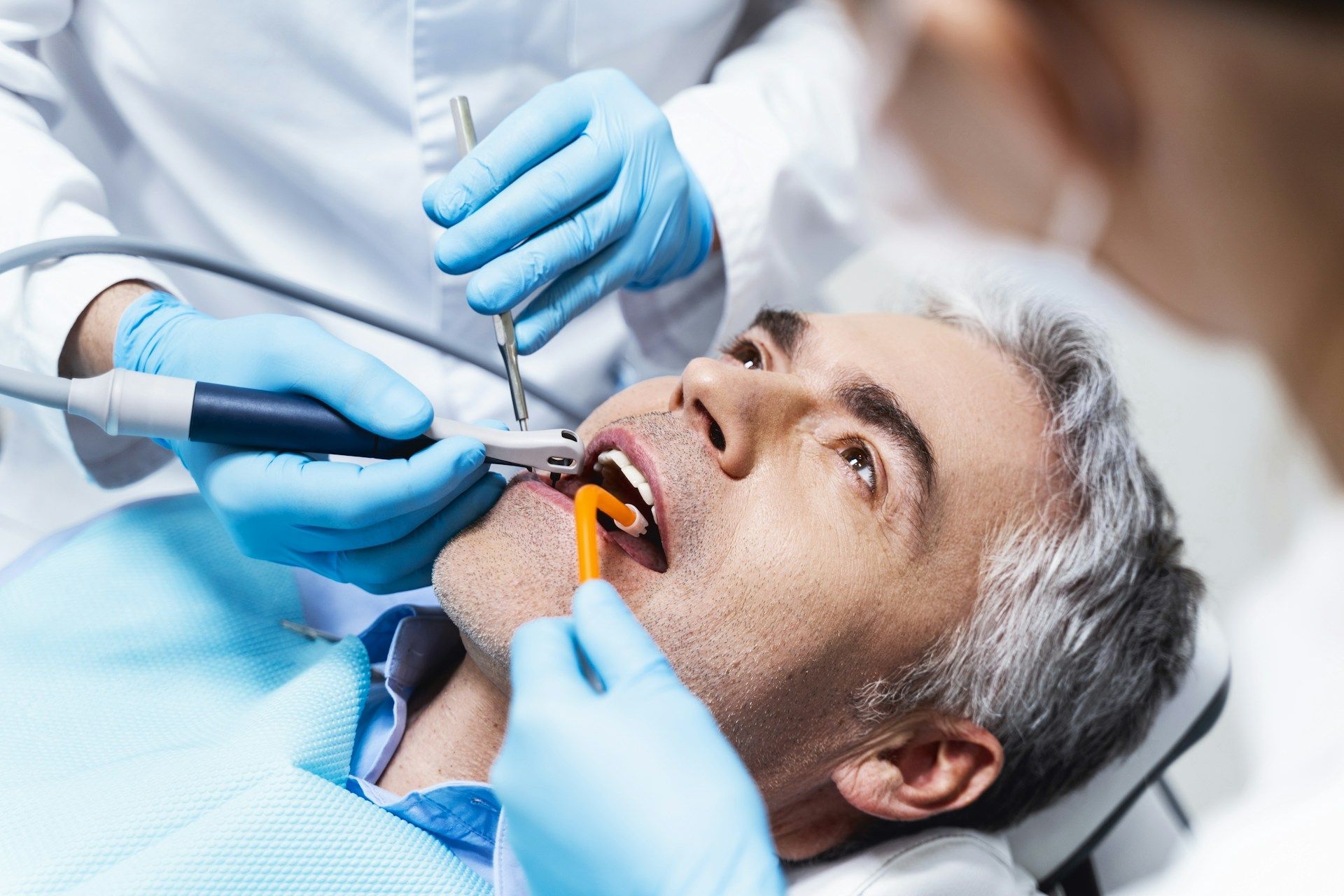
On root canal day, comfort is the first priority. Dr. Fay begins by numbing the tooth and gum with a local anesthetic. We wait and test the area until you feel pressure only, not sharp pain. If you still feel anything, we add more numbing before moving on.
Once you are fully numb, Dr. Fay:
- Makes a small opening in the top of the tooth
- Gently removes the infected or inflamed pulp tissue
- Cleans and shapes the tiny root canals inside the tooth
- Rinses and disinfects the space to reduce bacteria
- Fills the canals with a special sealing material to block future infection
After the canals are sealed, the opening in the tooth is closed with a temporary or permanent filling. Many root canals can be done in one visit with Dr. Fay, especially on front teeth or simple cases. Some back teeth or more complex infections may need a second visit so Dr. Fay can be as thorough and careful as needed.
The appointment usually feels like a longer regular dental visit. You may notice sounds, vibration, or light pressure, but the numbing medicine keeps you comfortable. We keep the visit as calm and efficient as possible so you can get back to your normal day.
Pain Control, Comfort, and Sedation Options
A lot of people fear root canals because of stories they have heard, not because of what actually happens. With modern numbing and the gentle style that Dr. James Fay uses, most patients feel:
- Pressure, but not sharp pain
- Vibration from instruments
- Short stretches of holding the mouth open
We use numbing gel on the gum before the injection to make that step easier. Dr. Fay always checks in and is happy to pause so you can rest your jaw, swallow, or just take a breath. Hand signals let you communicate even while your mouth is open.
Some people feel very anxious in the dental chair. For those patients, Dr. Fay can discuss extra ways to stay relaxed, combined with a clear, step-by-step explanation of what he is doing. Many nervous patients find that once they experience one calm, pain-controlled root canal with Dr. Fay, their fear of future care drops a lot.
Aftercare Timeline and Protecting Your Treated Tooth
Right after the numbing wears off, it is normal for the tooth and nearby area to feel a bit sore or tender, especially when you chew. This usually lasts a couple of days and is often handled well with over-the-counter pain relief, as advised by Dr. Fay. Some people feel almost no soreness at all.
For the first 24 to 72 hours, it helps to:
- Chew on the opposite side of your mouth
- Choose softer foods like rice, eggs, or yogurt
- Avoid very hot, hard, crunchy, or sticky foods
- Be gentle when brushing near the treated tooth
You should still brush and floss carefully to keep the area clean. Mild soreness that slowly improves is normal. You should contact Dr. Fay if you notice strong pain that gets worse instead of better, swelling that grows, or any fever or feeling very unwell. Those can be signs that the area needs to be checked.
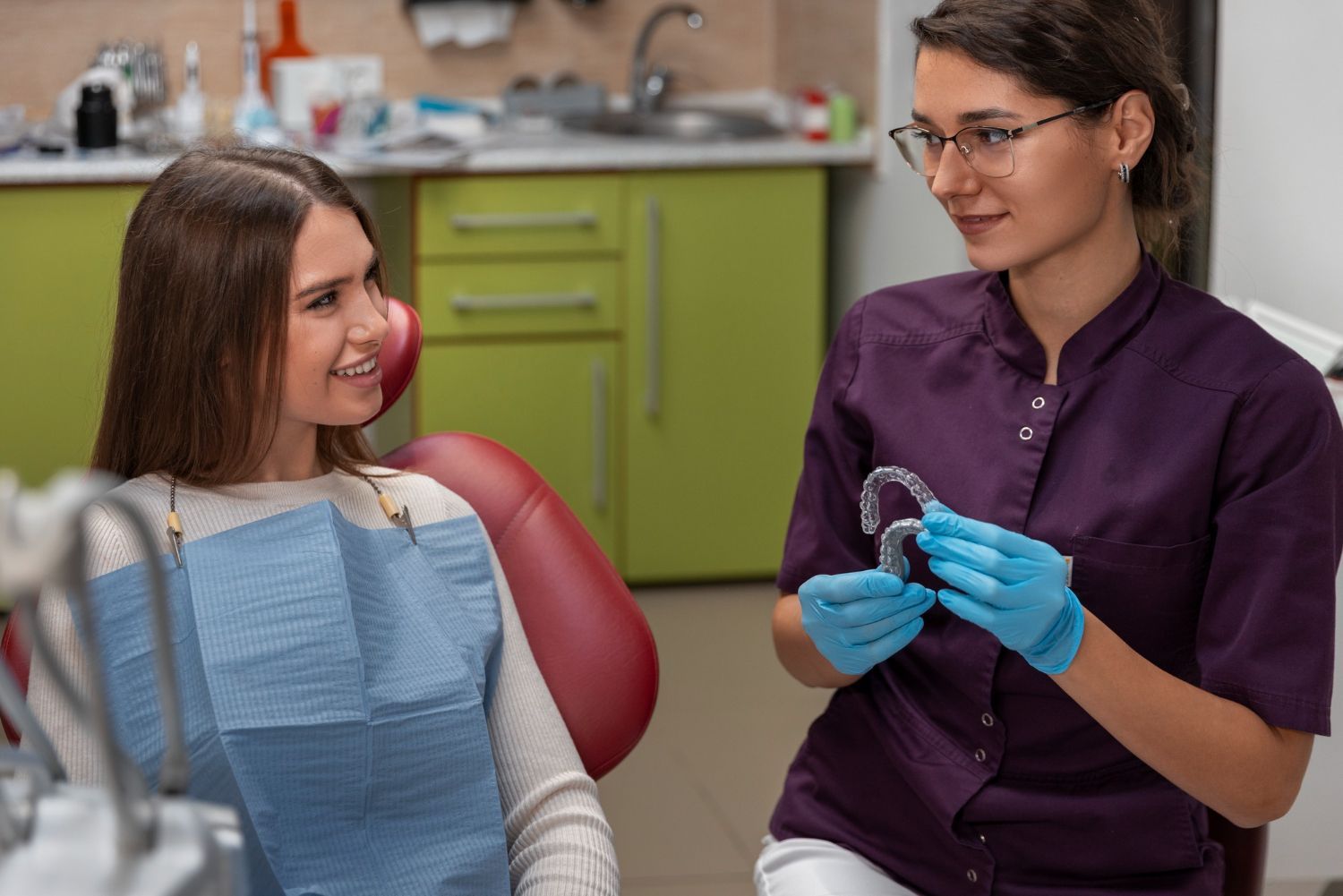
In the long term, most teeth that have had a root canal need a crown to protect them from cracks. The tooth no longer has a live nerve, so it can become more brittle over time. Dr. James Fay designs crowns to match your bite and blend with your other teeth, so chewing feels even and natural.
To keep your treated tooth healthy for the long run, it helps to:
- Brush twice daily and floss around the tooth and crown
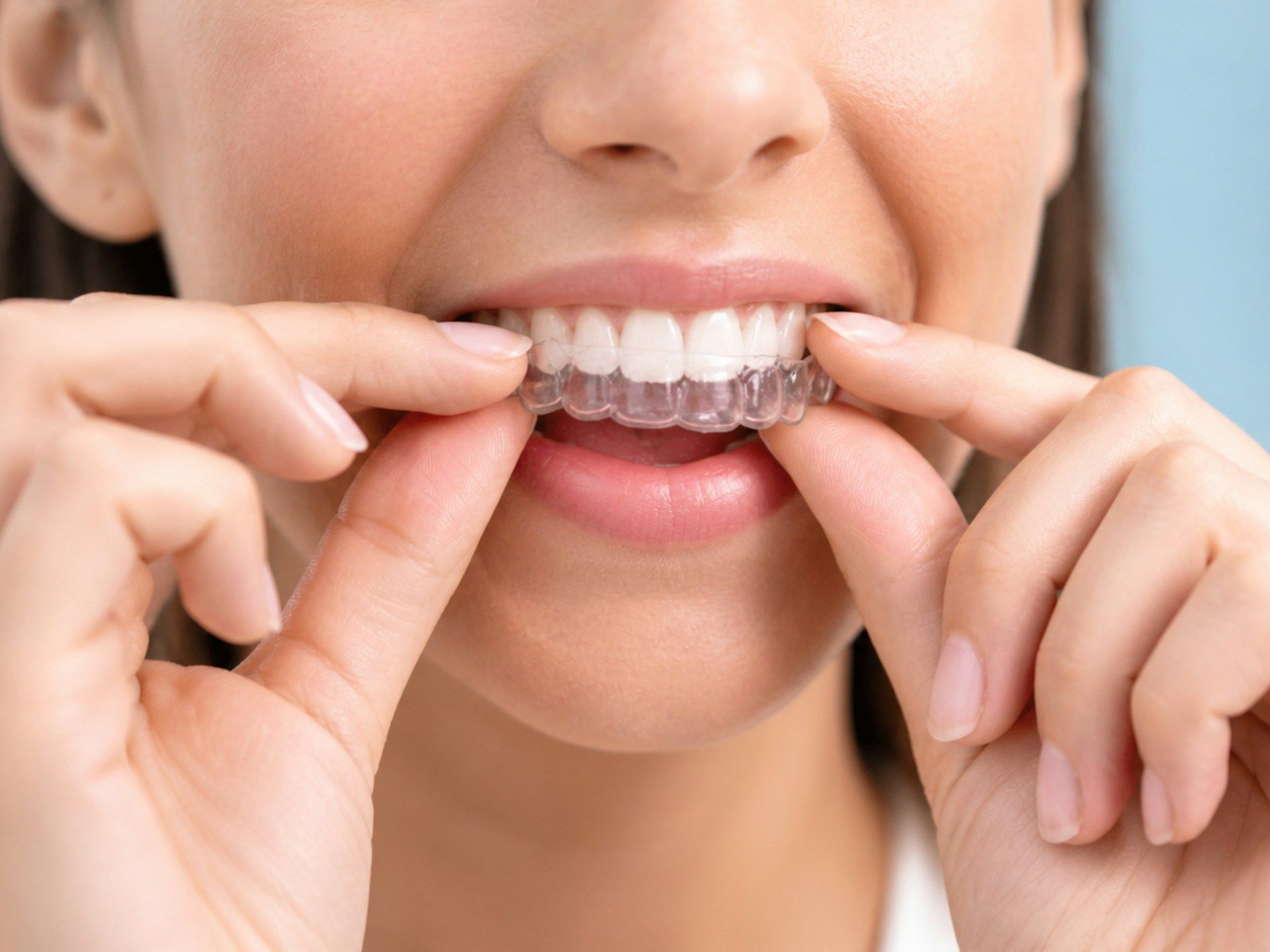
- Wear a nightguard if you grind or clench your teeth
- Keep regular checkups and cleanings so Dr. Fay can watch the tooth
- Talk about any jaw pain or TMJ symptoms that might stress your teeth
At Paget Dental, we look at the whole person, not just one sore tooth. That way, a root canal with Dr. James Fay is not just a quick fix; it becomes part of a stable, comfortable smile that can last for many years.
Protect Your Tooth Today With Expert Root Canal Care
If you are experiencing tooth pain or sensitivity, our team at Paget Dental is ready to help you quickly and comfortably. Start by finding a trusted
root canal dentist in Bermuda so you can address the problem before it gets worse. We will walk you through every step of treatment, answer your questions, and prioritize your comfort. To schedule an appointment or ask about your symptoms, please
contact us today.