Missing Teeth and Headaches: When Dental Implants in Hamilton Help

Missing Teeth and Headaches: The Surprising Connection
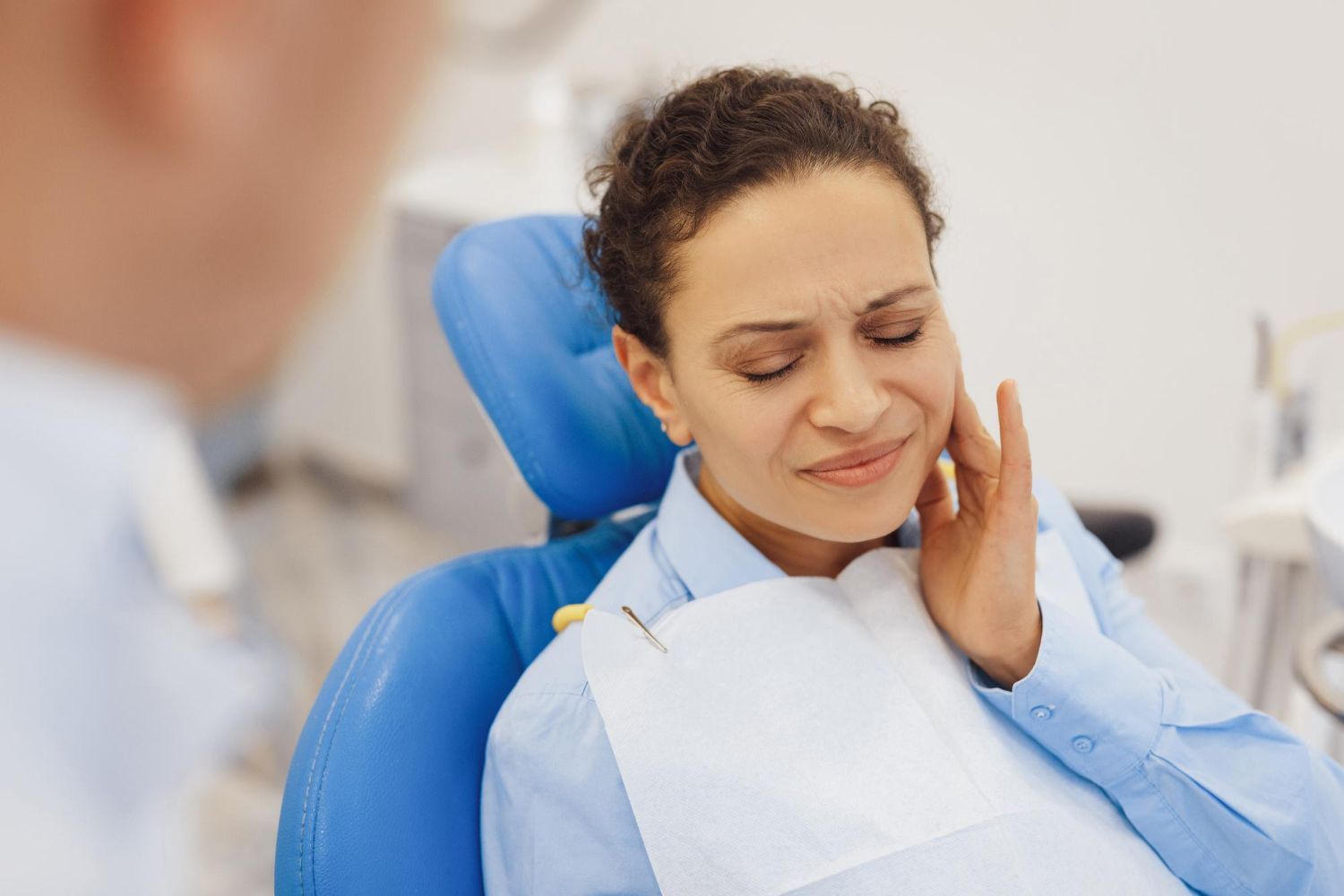
Chronic headaches can make even simple daily tasks feel exhausting. When pain keeps showing up in your temples, behind your eyes, or along your jaw, it is easy to think it is only a stress or screen-time problem. Many people never consider that missing teeth and changes in their bite might be part of the cause.
At Paget Dental in Hamilton, we see how the teeth, jaw, and muscles are all linked. When one part is off, the rest can struggle. In this article, we will explain how missing teeth can trigger headaches, how dental implants in Hamilton can help stabilize your bite, and how Dr. Fay and Dr. James Fay look at the whole mouth to create long-term comfort and function.
How Missing Teeth Can Trigger Daily Headaches
When a tooth is lost, the space left behind does not stay quiet. Nearby teeth can slowly tilt or drift into the gap. The way your upper and lower teeth meet can change without you even noticing. Over time, that small shift can place new pressure on your jaw joints and the muscles in your face and head.
Those strained muscles may respond with:
- Aching along the sides of the head
- Soreness in the cheeks and jaw
- Tightness around the temples or behind the eyes
- Pain that comes and goes almost every day
As your bite changes, some teeth begin to carry more force than they should. Your body might try to "fix" this by clenching or grinding to find a more stable position. That constant muscle effort can easily feed into regular headaches and facial pain.
At Paget Dental, we pay close attention when someone tells us they have headaches along with missing teeth, jaw clicking, or facial fatigue. Dr. Fay and Dr. James Fay look not only at the teeth, but also at how the bite comes together and how the jaw joints are working. When missing teeth are part of the problem, dental implants in Hamilton can sometimes be an important part of a long-term solution.
The Hidden Impact of Missing Teeth on Your Bite and Jaw
Your teeth, jaw joints, and facial muscles work as a team every time you chew, talk, or swallow. When even one tooth goes missing, that team has to adjust. You might start chewing more on one side, or your jaw might slide slightly forward or backward to make the bite feel "right."
These shifts can lead to:
- Clenching or grinding, especially at night
- Jaw fatigue during meals or long conversations
- Strain in the TMJ (temporomandibular joint) in front of the ears
- Pain that spreads into the temples, neck, and shoulders
Over time, the surfaces of the teeth can wear down in uneven ways. The jaw joints may become irritated or inflamed. Muscles can stay tight for so long that they forget how to relax. All of this can show up as stubborn headaches that do not respond well to simple pain tablets.
At Paget Dental, Dr. Fay and Dr. James Fay take a careful, full-mouth approach. They look at how the teeth fit together when you bite, how smoothly the jaw joints move, and where tooth wear or chipping is happening. This kind of detailed evaluation helps reveal when headaches may be linked to an unstable bite rather than only a medical or stress cause.
How Dental Implants in Hamilton Can Help with Headache Relief
A dental implant is a small, strong post that is placed in the jaw to act like the root of a missing tooth. After it joins with the bone, a custom crown is attached on top. The result looks and works much like a natural tooth, both above and below the gum line.
When missing teeth are part of a bite problem, dental implants in Hamilton can:
- Fill spaces so teeth stop drifting or tilting
- Spread chewing forces more evenly across the mouth
- Reduce the need for muscles to overwork or "search" for a stable bite
- Support nearby teeth, so they are less likely to overload and ache
At Paget Dental, Dr. Fay and Dr. James Fay do not look only at the gap where a tooth is missing. Before suggesting implants, they consider how the entire bite works, how the jaw joints feel, and what will support long-term comfort. Often, implants are just one piece of a broader plan to calm the muscles, protect the TMJ, and help ease chronic headaches.
How Dr. Fay and Dr. James Fay Investigate Bite-Related Headaches
When someone comes to us with ongoing headaches and missing teeth, we start with a thoughtful conversation. We listen to where the pain is, how often it happens, and what makes it better or worse. We ask about habits like clenching, grinding, or gum chewing, and we review both dental and medical history.
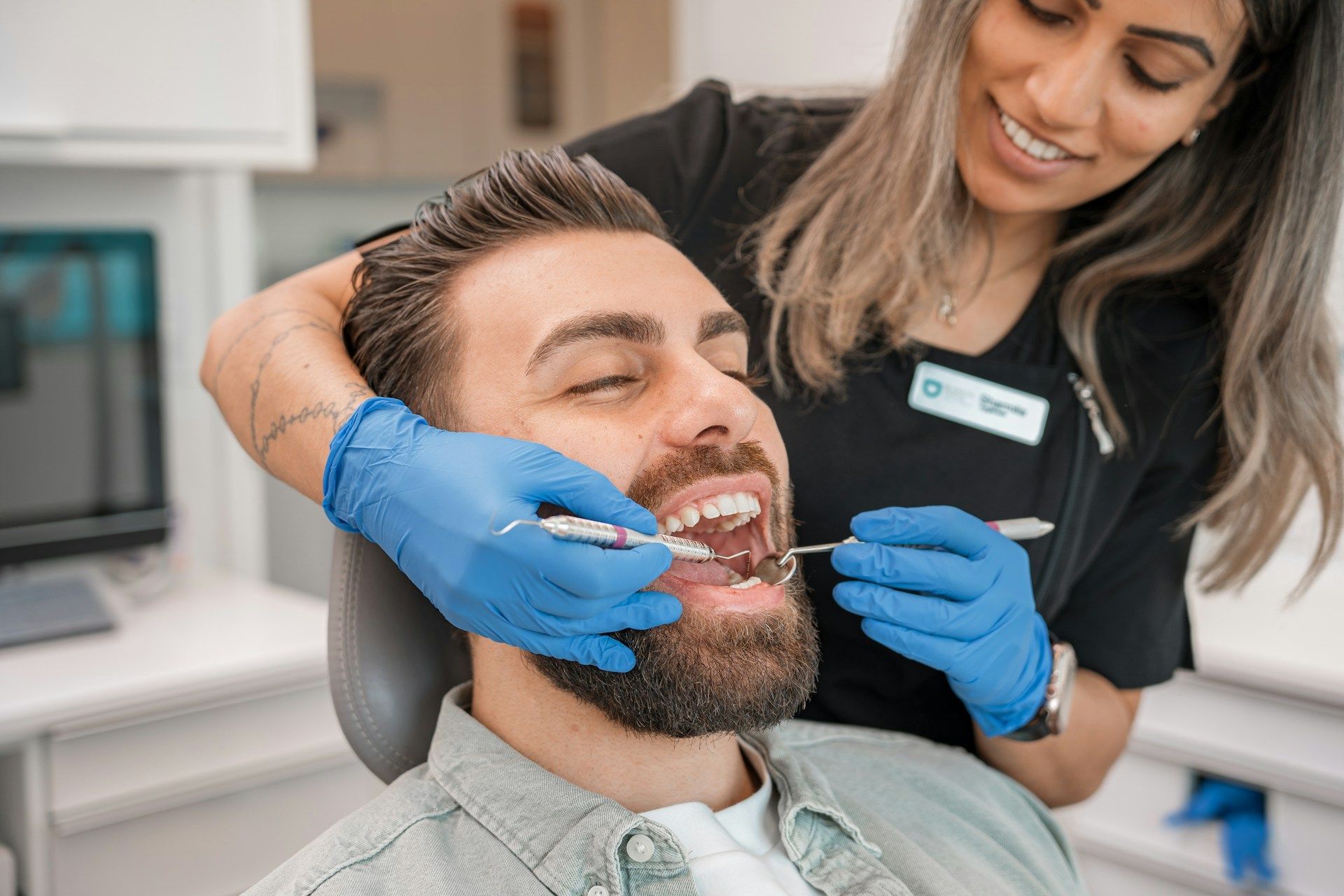
A full evaluation with Dr. Fay and Dr. James Fay may include:
- Careful bite analysis to see how teeth meet in different positions
- TMJ assessment, including joint sounds, movement, and tenderness
- Checking tooth wear patterns, fractures, or loose teeth
- Imaging, when needed, to look at the jaw joints and bone support
Because we also focus on TMJ and sleep apnea dentistry, we are used to sorting out whether pain is coming mainly from muscles, from the joints, or from another source. In some cases, dental implants are combined with other treatments, such as:
- Bite adjustments to smooth or reshape certain tooth surfaces
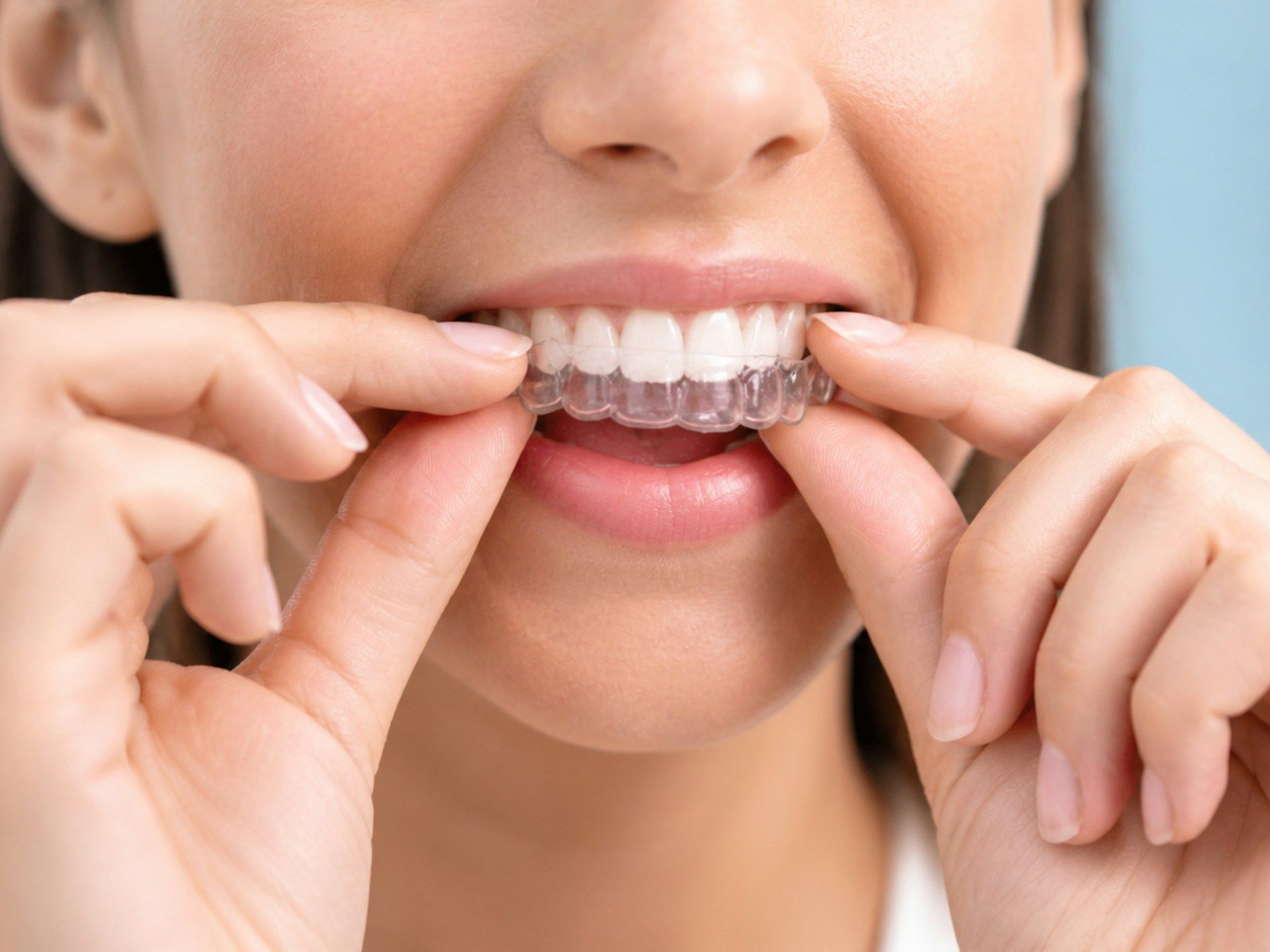
- Custom nightguards to reduce grinding strain
- Full-mouth rebuilding with crowns or bridges when many teeth are worn or missing
The goal is a bite that feels natural and balanced, so muscles and joints can relax instead of fight against each other all day and night.
Full-Mouth Rehabilitation and Long-Term Benefits
When several teeth are missing or badly damaged, a single filling or crown might not be enough to solve bite problems or headache triggers. In these cases, the mouth often needs a more complete plan, sometimes called full-mouth or comprehensive rehabilitation.
With this kind of plan, Dr. Fay and Dr. James Fay can combine:
- Dental implants in Hamilton to replace missing roots and teeth
- Crowns to rebuild worn or cracked teeth
- Bridges or other restorations to close spaces and steady the bite
By rebuilding the mouth as a whole, we can often create a more balanced bite that supports better chewing and more relaxed muscles. Many people notice that they can eat a wider range of foods, talk and laugh with less jaw fatigue, and wake up with fewer tight, aching muscles in the face and neck.
Modern implant solutions are designed with long-term function in mind. When cared for properly, they can be a strong part of a stable, comfortable smile. For people whose headaches are tied to missing teeth and bite strain, this kind of thoughtful rehabilitation can be an important step toward lasting relief and better overall comfort.
Restore Your Smile Comfort And Confidence
If you are ready to replace missing teeth with a solution that looks and feels natural, we are here to help. Our team will walk you through every step of your options for
dental implants in Hamilton, from consultation to final restoration. Reach out to Paget Dental today to discuss your goals and schedule an appointment, or
contact us with any questions about getting started.