Non-Crown Dental Emergencies: First Aid Before You Get to the Dentist

Handle Dental Emergencies Calmly and Quickly
A dental emergency can happen in one second. A slip by the pool, a hit from a ball, biting something hard, and suddenly there is pain, bleeding, or a broken tooth. Knowing what to do in those first few minutes can help save a tooth and keep small problems from turning into big ones.
Here at Paget Dental, we want you to feel prepared, not panicked. This guide focuses on non-crown emergencies, so we are not talking about lost or broken dental crowns. We are talking about knocked-out or loose teeth, broken or chipped teeth, abscesses, and bleeding gums or soft tissue injuries. The steps below are short-term first aid only. You still need to see a dentist in Bermuda or wherever you live as soon as you can for proper care.
What to Do When a Tooth Is Knocked Out
A knocked-out tooth is one of the most urgent dental problems. There is a big difference between a tooth that is fully out of the mouth and a tooth that is just loose or pushed out of place.
- A fully knocked-out tooth is completely out of the socket
- A loose tooth is still in the mouth but moves a lot when you touch it
- Both are emergencies, but a tooth that is fully out needs especially fast action
If a permanent tooth is knocked out, try to act within minutes. The goal is to protect the root, keep the tooth moist, and get to an emergency dentist as quickly as possible.
First steps if a tooth is knocked out:
- Find the tooth and pick it up by the crown (the white chewing part), not the root
- If it is dirty, gently rinse with clean water for a second or two, do not scrub or use soap
- If you can, gently place the tooth back into the socket, facing the right way, and bite down softly on a clean cloth to hold it in place
- If you cannot reinsert it, place the tooth in a small clean container of milk, or in your mouth between cheek and gums if it is safe for you to do so
What not to do:
- Do not let the tooth dry out
- Do not scrape, scrub, or remove tissue from the root
- Do not clean it with soap, alcohol, or chemicals
- Do not delay getting to an emergency dentist
- Avoid aspirin, as it can increase bleeding. Use another over-the-counter pain reliever if you can take it safely
If the tooth is only loose, do not wiggle or bite on it. Keep your bite light, avoid chewing on that side, and get urgent dental care.
First Aid for Broken, Cracked, or Chipped Teeth
Not all broken teeth are the same. Some are small chips, others are deep cracks or fractures that reach the center of the tooth.
Here are common types:
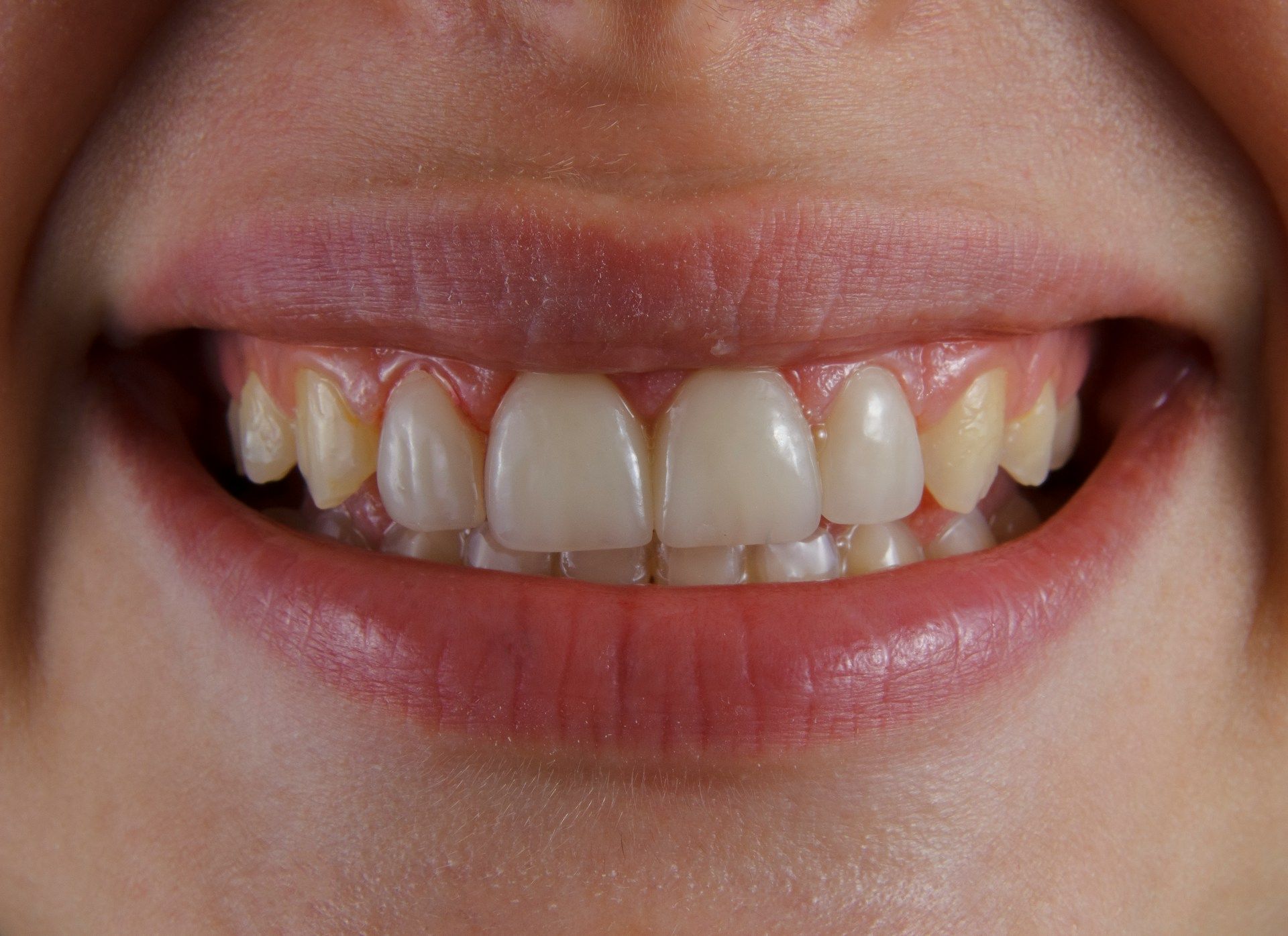
- Minor chip: a small piece of enamel missing, usually little or no pain
- Crack: a line running through the tooth, may hurt when you bite or release
- Fracture with nerve exposed: you may see a red or pink spot, often very painful
Some injuries can wait a short time for a dental appointment, while others need emergency attention. The warning signs below can help you tell when a broken, cracked, or chipped tooth is more likely to be a true emergency.
Warning signs of a true emergency include:
- Severe or throbbing pain
- A large piece of tooth missing
- Sharp edges cutting your tongue or cheek
- Visible red or pink tissue inside the tooth
- Trouble closing your mouth or biting normally
First aid steps:
- Gently rinse your mouth with warm water to keep the area clean
- Apply a cold compress to the cheek or lip near the tooth to help reduce swelling
- If there is a sharp edge, cover it with dental wax, a piece of sugar-free chewing gum, or a small piece of gauze
- If you find broken pieces, place them in a clean container with milk to bring to your dentist
For pain, you may take an over-the-counter pain reliever if it is safe with your health and other medicines. Avoid very hot, very cold, or very sweet foods and drinks until a dentist checks the tooth.
Call an emergency dentist right away if the injury is from sports, a fall, or a hit to the face or jaw. This is especially important if you also notice any of the following signs, which may point to a more serious tooth or jaw injury.
- Difficulty opening or closing your mouth
- Teeth that no longer fit together normally
- Swelling that is getting bigger
- Loss of feeling in your lips or chin
Recognizing and Responding to Dental Abscesses
A dental abscess is a pocket of pus caused by an infection. It can form in the tooth, the gum, or the bone around a tooth. It will not go away on its own, and it needs professional care.
Common signs of a dental abscess include:
- Throbbing tooth pain, often worse when lying down
- Swelling in the gum, face, or jaw
- A pimple-like bump on the gum that may drain
- Bad taste or smell in your mouth
- Fever or feeling generally unwell
- Tender or swollen lymph nodes under the jaw or in the neck
If you suspect an abscess, focus on comfort and cleanliness while you arrange urgent dental care. Home care can help you manage symptoms briefly, but it does not remove the infection.
Short-term steps at home:
- Rinse gently with warm salt water several times a day
- Try to keep the area as clean as you can by brushing and flossing carefully around it
- Use an over-the-counter pain reliever as directed, if safe for you
- Do not place aspirin directly on the gum or tooth. It can burn the tissue
Very important: do not try to squeeze or pop a gum bump. This can spread infection and make things worse.
In some situations, an abscess can become a medical emergency. If you notice any of the signs below, seek urgent medical or hospital care first, then follow up with a dentist as soon as possible to treat the source of the infection.
- Trouble breathing or swallowing
- Swelling that spreads to your face, neck, or around your eye
- High fever, chills, or confusion
- Trouble opening your mouth
Antibiotics alone are not a long-term fix. The tooth or gum will need proper treatment.
Managing Bleeding Gums and Soft Tissue Injuries
Not all bleeding in the mouth is an emergency, but it always deserves attention. There is a difference between light bleeding when you brush or floss and heavy or sudden bleeding after an injury.
Routine bleeding gums may be a sign of gum disease or brushing too hard. This type of bleeding is usually mild and stops fast, but ongoing gum bleeding should still be checked during a regular dental visit.
Sudden or heavy bleeding can come from:
- A cut lip or cheek
- A bitten tongue
- A blow to the mouth
- Gum problems that have become more serious
First aid for bleeding in the mouth:
- Gently rinse with cool water to clear out blood and see where it is coming from
- Place a clean piece of gauze or a damp tea bag on the area and bite or press with steady, firm pressure for 10 to 15 minutes
- Use a cold compress on the outside of your cheek or lip to help slow bleeding and reduce swelling
- Avoid spitting or drinking through a straw, this can restart bleeding
Bleeding is an emergency if it does not respond to pressure or if there are signs of significant injury to the mouth or jaw. In those cases, get urgent care.
- It does not slow after 15 to 20 minutes of firm pressure
- It follows a big hit to the face or jaw
- You see large cuts, deep wounds, or teeth that feel loose
Long-term bleeding or puffy, tender gums should be checked by a dentist. It may be a sign of gingivitis, periodontitis, or even other health concerns.
When to Call the Dentist and How Paget Dental Can Help
Sometimes it is hard to know when to seek same-day care. As a simple guide, aim for urgent or same-day help if you have:
- Severe or worsening tooth or jaw pain
- A knocked-out or very loose tooth
- Swelling in your face, cheek, or neck
- Fever along with a toothache or swelling
- Bleeding that does not slow with pressure
- Any signs of infection, such as pus, bad taste, or a gum bump
At Paget Dental in Bermuda, we understand that emergencies rarely happen at a convenient time. When you call, it helps to have a few things ready, including a short description of what happened, when it started, any medicines you take, and any allergies you know about. Having our office number saved in your phone can make this much easier during a rushed moment.
Regular checkups and cleanings can lower your risk of many emergencies by catching problems early. Keeping this guide handy on your phone or printed at home can also give you more confidence. With calm, quick steps and prompt care from a dentist in Bermuda or your local area, many dental emergencies can have a much better outcome.
Protect Your Smile With Trusted Local Dental Care
If you are looking for a dedicated dentist in Bermuda, we are here to provide personalized care for you and your family. At Paget Dental, we combine modern techniques with a calm, friendly environment to help make every visit as comfortable as possible. Schedule your appointment today with Dr. James Fay by using our online form or reach out through our contact us page so we can support your long-term oral health.