Jaw, Sleep, and Bite: How TMJ, Apnea, and Teeth Interact
How Jaw, Sleep, and Bite Problems Connect
Jaw pain, tired mornings, and worn teeth can feel like three separate problems. You wake up with a sore face, you drag through the day, and you notice your teeth look flatter in the mirror. It may not even cross your mind that all of this could be connected to how your jaw moves and how you sleep at night.
TMJ issues, obstructive sleep apnea, and bite misalignment often overlap. They can show up as headaches, snoring, grinding, and even neck pain. Instead of being random, they are usually different signs from the same system: your jaw joints, airway, and teeth.
Think of this as one shared “team” in your body. If one player is out of balance, the others have to work harder. That extra strain can affect your comfort now and your oral health and overall well-being over time. Understanding these links helps you choose care that looks at the whole picture, not just one symptom at a time.
Understanding TMJ, More Than Just Jaw Pain
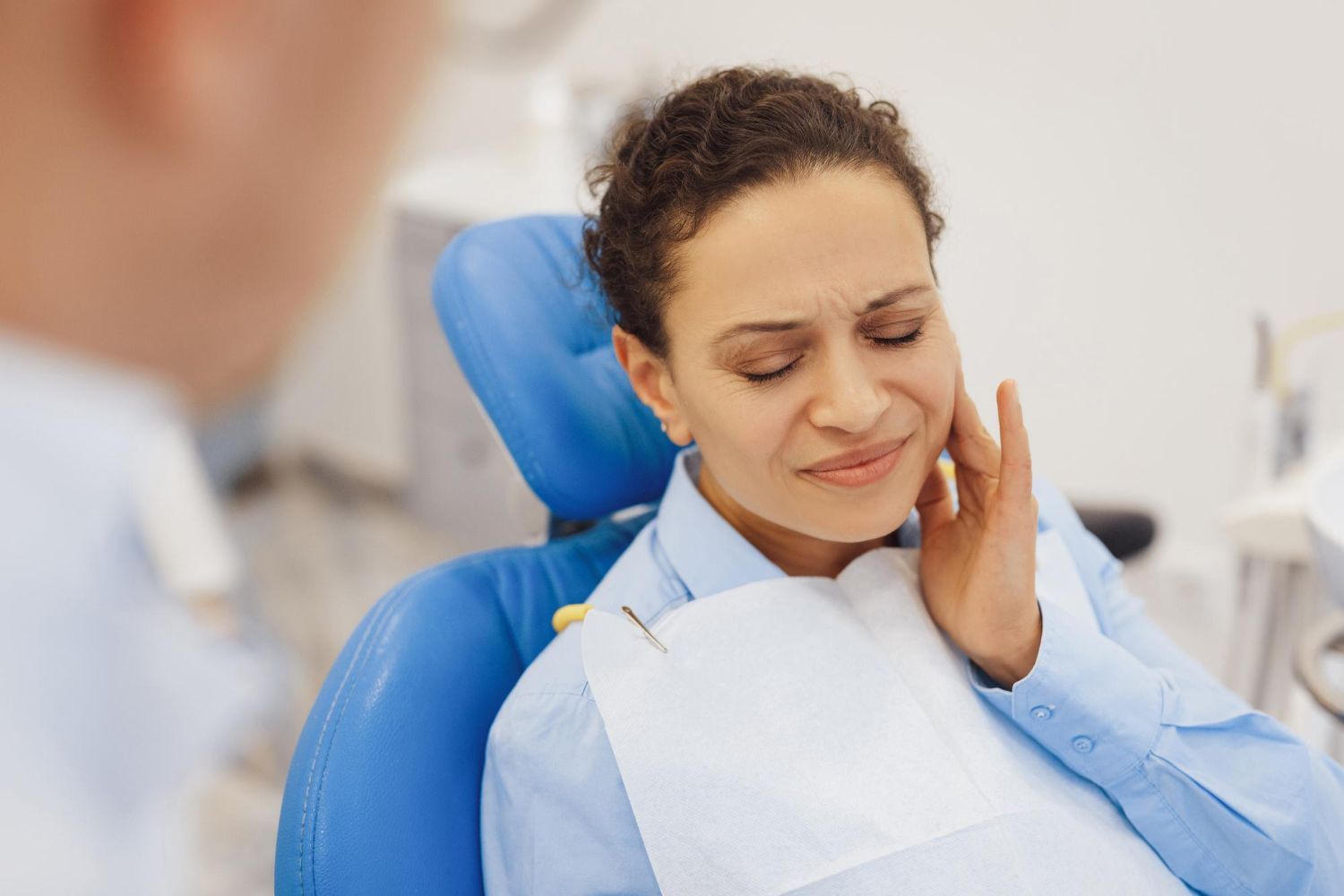
Your temporomandibular joint, or TMJ, is the small joint in front of each ear where your lower jaw connects to your skull. It works like a sliding hinge so you can talk, chew, yawn, and laugh. Because it moves so often and in so many directions, it is very easy to stress or unbalance it.
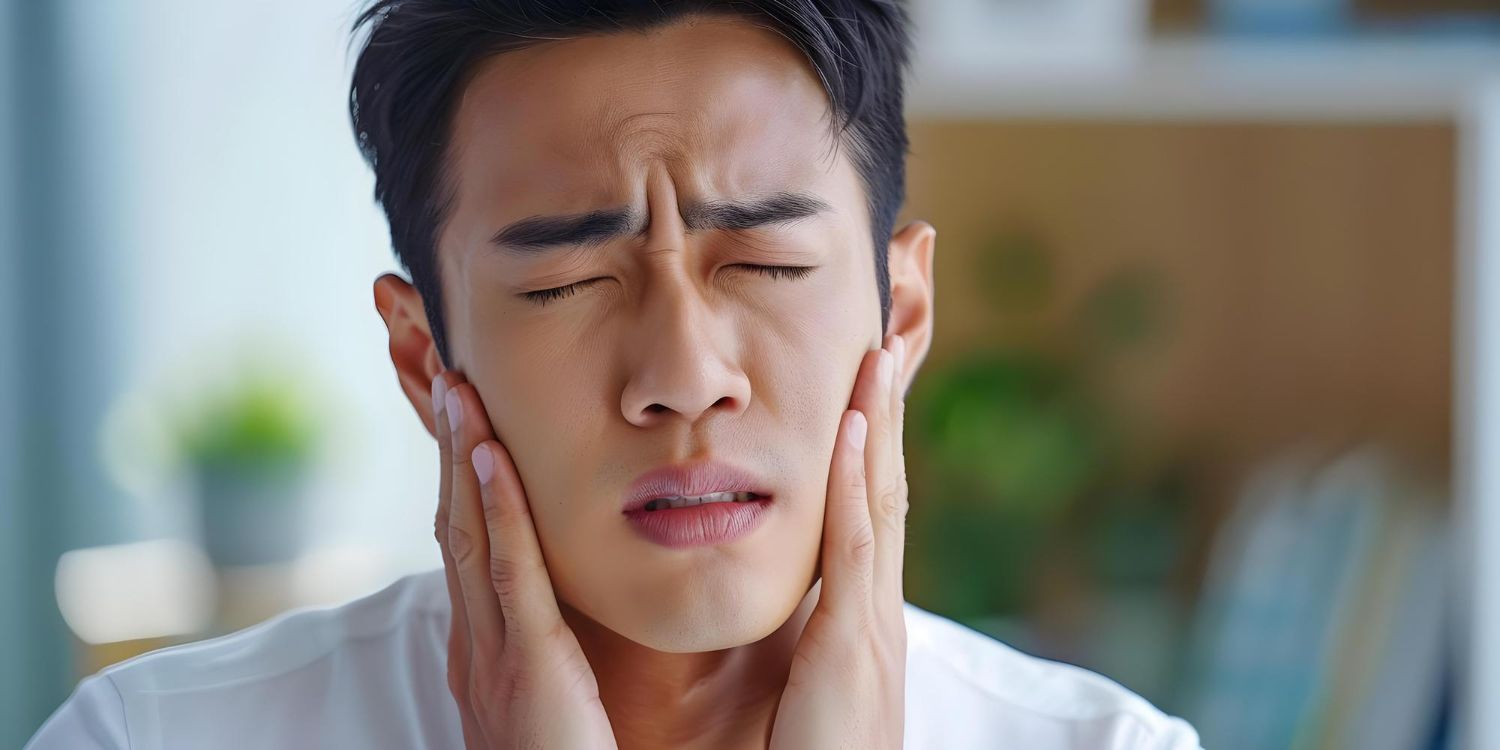
Common TMJ disorder symptoms can include:
- Jaw clicking, popping, or grinding sounds
- Pain when chewing or opening wide
- Jaw that feels stuck or “locks”
- Facial or cheek soreness
- Ear fullness, ringing, or pressure
- Headaches or neck and shoulder tension
These problems often have more than one cause. Some common triggers are:
- Clenching or grinding your teeth, especially at night
- Ongoing stress that tightens jaw and neck muscles
- Bite problems, such as teeth that do not meet evenly
- Past trauma to the jaw or face
- Arthritis in the joint
- Poor posture that shifts your head and jaw position
When your bite is off, your jaw may be forced to close in an unnatural position just so your teeth can touch. Over time, that can strain the TMJ and surrounding muscles. This is part of why people searching for TMJ treatment are often surprised when dentists talk so much about their bite and tooth alignment. To get lasting relief, we have to look at what the jaw is being asked to do all day and all night.
How Sleep Apnea and Your Jaw Are Linked
Obstructive sleep apnea happens when your airway partly or fully closes again and again while you sleep. You might snore, stop breathing for a few seconds, then gasp or choke as your body fights to get air. Even if you do not fully wake up, your sleep becomes broken and your oxygen level can drop.
Jaw and tongue position play a big role in how open your airway stays at night. A few things that can increase airway collapse risk are:
- A lower jaw that sits too far back
- Narrow dental arches or a crowded smile
- A tongue that has less room and falls back more easily
When that airway narrows, your body reacts. One theory is that clenching or grinding is a way the body tries to push the jaw forward and reopen space behind the tongue. This can keep you alive, but it is hard on your TMJ and teeth. Over time you might see:
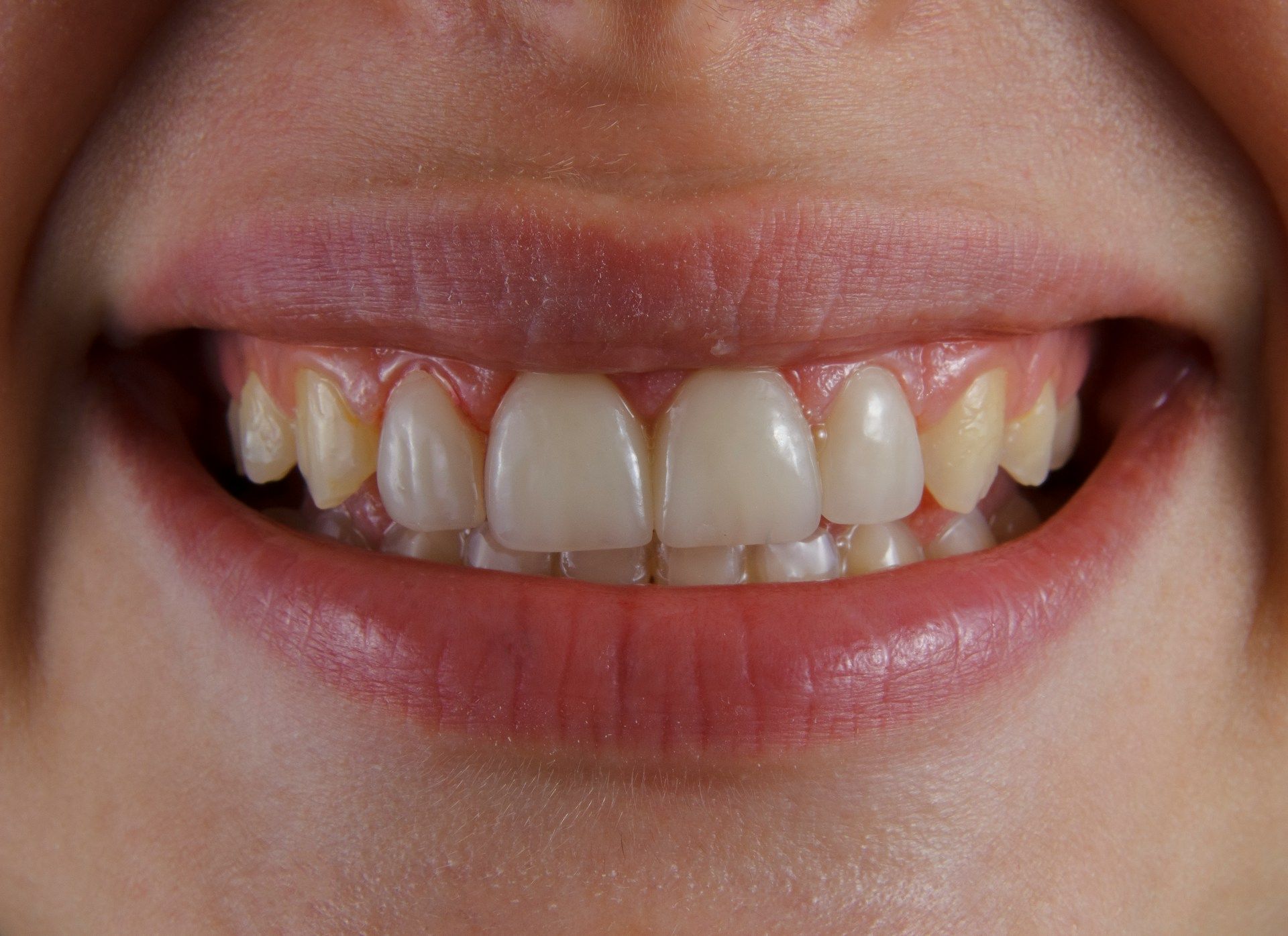
- Flattened or chipped tooth edges
- Sore jaw muscles on waking
- Waking with headaches or facial tightness
For some people, custom oral appliances are a helpful option. These devices fit over the teeth and gently guide the lower jaw a bit forward during sleep. By changing the jaw position, they can support a clearer airway and more restful sleep, while also reducing the strain of heavy clenching on the joints.
The Role of Your Bite in Long-Term Health
When dentists talk about your “bite,” we mean how your upper and lower teeth come together, called occlusion. In a balanced bite, forces spread evenly, the jaw can move smoothly, and chewing feels comfortable and natural.
In a misaligned bite, certain teeth hit too hard or too early. Others may not meet at all. This can:
- Overload specific teeth and cause cracks or wear
- Strain the jaw muscles as they try to “correct” the bite
- Put extra pressure on the TMJ
- Lead to headaches or face and neck tension
If you have TMJ symptoms and also notice uneven wear, shifting teeth, or discomfort when you bite down, those are clues that your bite may be involved. Dentists can use different tools to help rebalance things, such as:
- Orthodontic treatment like clear aligners that gently move teeth
- Minor bite adjustments to smooth high spots
- Restorative work, such as crowns or bridges, to rebuild proper tooth shape
When people search for TMJ treatment, they often expect only a night guard or a jaw massage. While those can be helpful parts of care, fixing the jaw without checking and treating the bite is like patching a tire without fixing the sharp object in the road. Relief may not last if the bite keeps pulling the jaw back into strain.
Integrated Solutions for Jaw, Sleep, and Bite
Because the jaw joints, airway, and bite are so connected, a good exam looks at all of them together. Instead of focusing only on the loudest complaint, like snoring or jaw popping, we step back and look at the whole system.
A thorough evaluation usually includes:
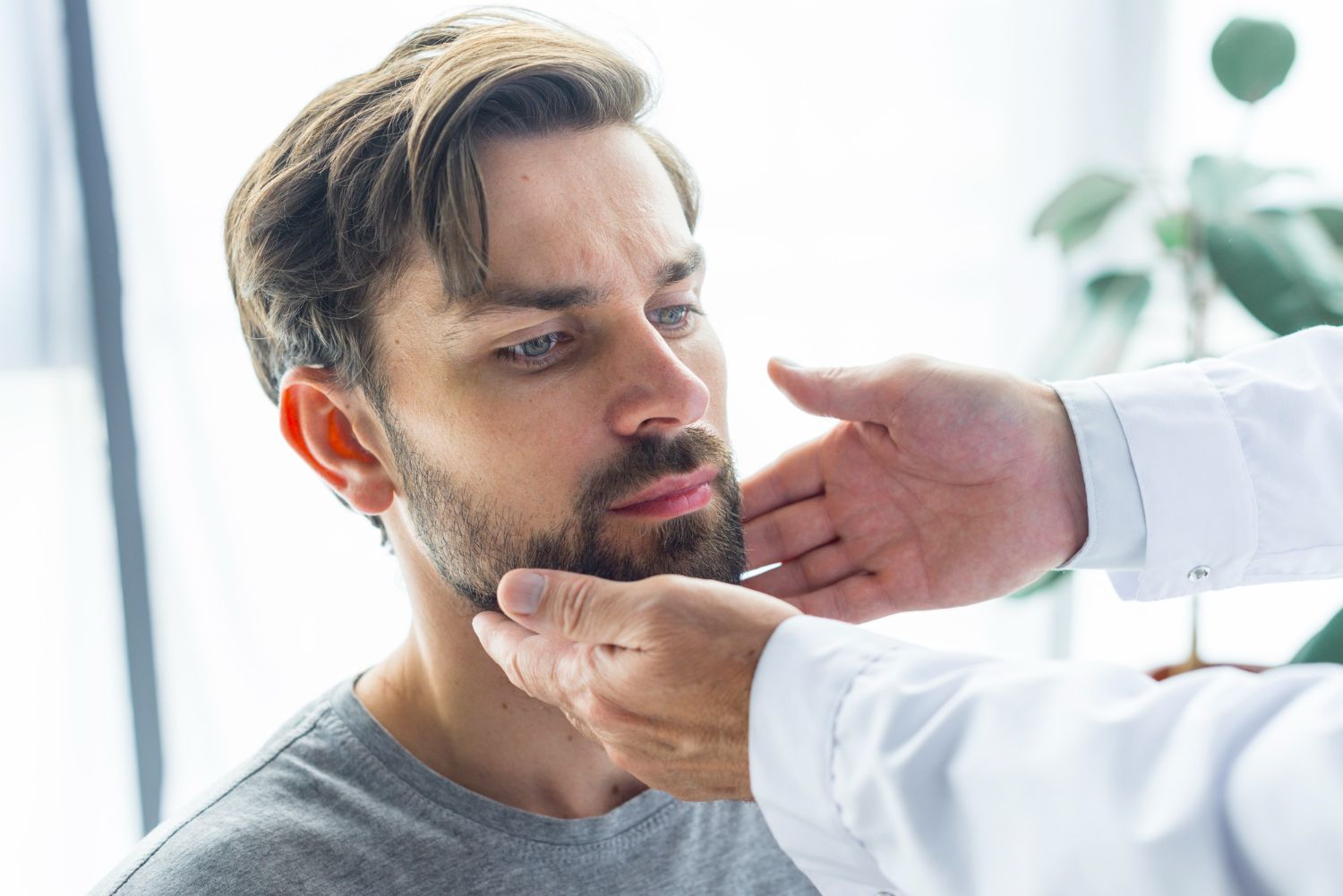
- Jaw movement checks, like how wide you open and if the jaw shifts
- Bite analysis, to see how teeth fit and where forces land
- Tooth wear patterns, to spot clenching or grinding signs
- Screening questions about snoring, gasping, and daytime sleepiness
From there, a personalized plan might combine several types of care. Depending on what we find, this can include TMJ therapy, custom night guards or splints, sleep apnea oral appliances, clear aligner treatment, and restorative dentistry to rebuild worn teeth. The goal is to calm sore muscles and joints, protect teeth, and support a healthier airway, not just quiet one symptom.
Sleep apnea often needs teamwork with sleep physicians or other medical providers. For some patients this may include sleep studies, CPAP, or a mix of approaches. Our job as dentists is to fit our part of the puzzle into that bigger care plan.
At Paget Dental in Bermuda, we are a family-run practice, which means we tend to think in terms of long-term relationships and big-picture health. Because we offer TMJ therapy, sleep appliances, Invisalign, implants, and full smile rehabilitation, we can often link jaw, sleep, and bite care into one thoughtful plan rather than a set of random fixes.
Taking the Next Step Toward Comfort and Better Sleep
If you notice warning signs like jaw or face pain, regular morning headaches, snoring that others comment on, daytime fatigue, or teeth that seem to be flattening or changing position, your jaw, sleep, and bite may all be involved. These are not problems you need to just put up with or shrug off as “normal.”
At a TMJ and sleep-focused dental visit, you can expect a calm conversation about your medical and dental history, a close look at how your teeth meet, gentle testing of jaw movement, and questions about your sleep patterns and snoring. For people in Bermuda who are searching for TMJ treatment, this kind of whole-mouth and whole-body approach can open the door to better comfort, clearer answers, and healthier sleep for the long term.
Relieve Jaw Pain And Protect Your Long-Term Oral Health
If jaw discomfort, headaches, or clicking joints are affecting your daily life, we are here to help you find relief. At Paget Dental, our team provides personalized care to identify the cause of your symptoms and recommend the most effective solutions. Learn more about our approach to TMJ treatment, then contact us to schedule an appointment and discuss your options.