TMJ Screening Before Veneers or Crowns: Bite, Joint, and Occlusion Check
How TMJ Screening Protects Your Smile Makeover
A beautiful smile is not just about straight, white teeth. It is also about how your teeth, jaws, and muscles work together every time you chew, talk, or swallow. Before you invest in veneers or crowns, it is important to know that your bite and jaw joints are healthy and stable.
That is where a TMJ screening comes in. TMJ stands for temporomandibular joint, which is the joint that connects your jaw to your skull. When we check this joint before cosmetic work, we can spot problems that might cause your new restorations to chip, crack, or feel uncomfortable. A strong foundation helps your smile makeover last longer and feel better.
Many people search “TMJ treatment” when they have jaw pain, clicking, or headaches. What they may not realize is that the same careful TMJ and bite evaluation is just as important before cosmetic work. At a technology-focused, family-centered practice, that screening is part of planning, not an afterthought. That kind of approach helps us create a smile that looks great and also works well for your everyday life.
Why Jaw Joints Matter Before Veneers and Crowns
Your temporomandibular joints are like tiny hinges and sliders on each side of your face. They guide how your lower jaw moves and how your teeth meet together. If those hinges are not working smoothly, it can affect your comfort, your chewing, and the final result of veneers or crowns.
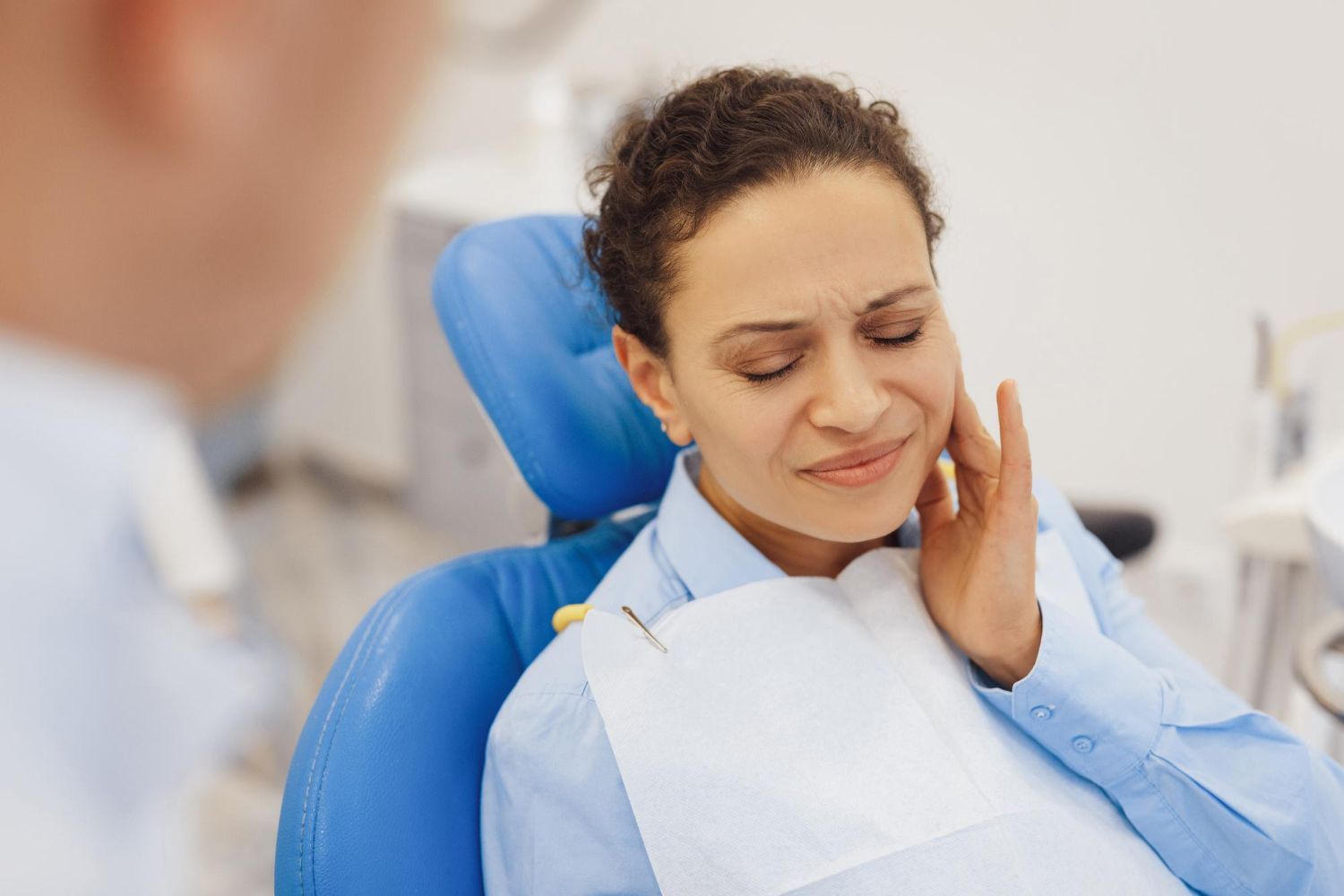
Common TMJ-related symptoms that can impact a smile makeover include:
- Jaw pain or tightness
- Clicking, popping, or grinding sounds in the joints
- Headaches, especially around the temples
- A feeling of fullness or pressure around the ears
- Difficulty opening wide or moving the jaw side to side
When the joint is stressed, it can shift slightly or work in a way the body is always trying to “correct.” Things like clenching, grinding, past dental work, or a blow to the jaw can change how the joint sits and how the teeth come together, creating bite imbalances that put extra force on certain teeth.
If we place veneers or crowns on teeth that are already in a stressed bite, those new restorations may take more pressure than they should. That can lead to fractured or chipped porcelain, loose or broken crowns, sore teeth or jaw muscles, and the need for frequent adjustments.
When TMJ and bite issues are addressed first, your new smile is built on a calmer, more stable system. That means your veneers and crowns are more likely to feel natural, work comfortably, and last longer with fewer surprises.
Comprehensive TMJ and Bite Evaluation Steps
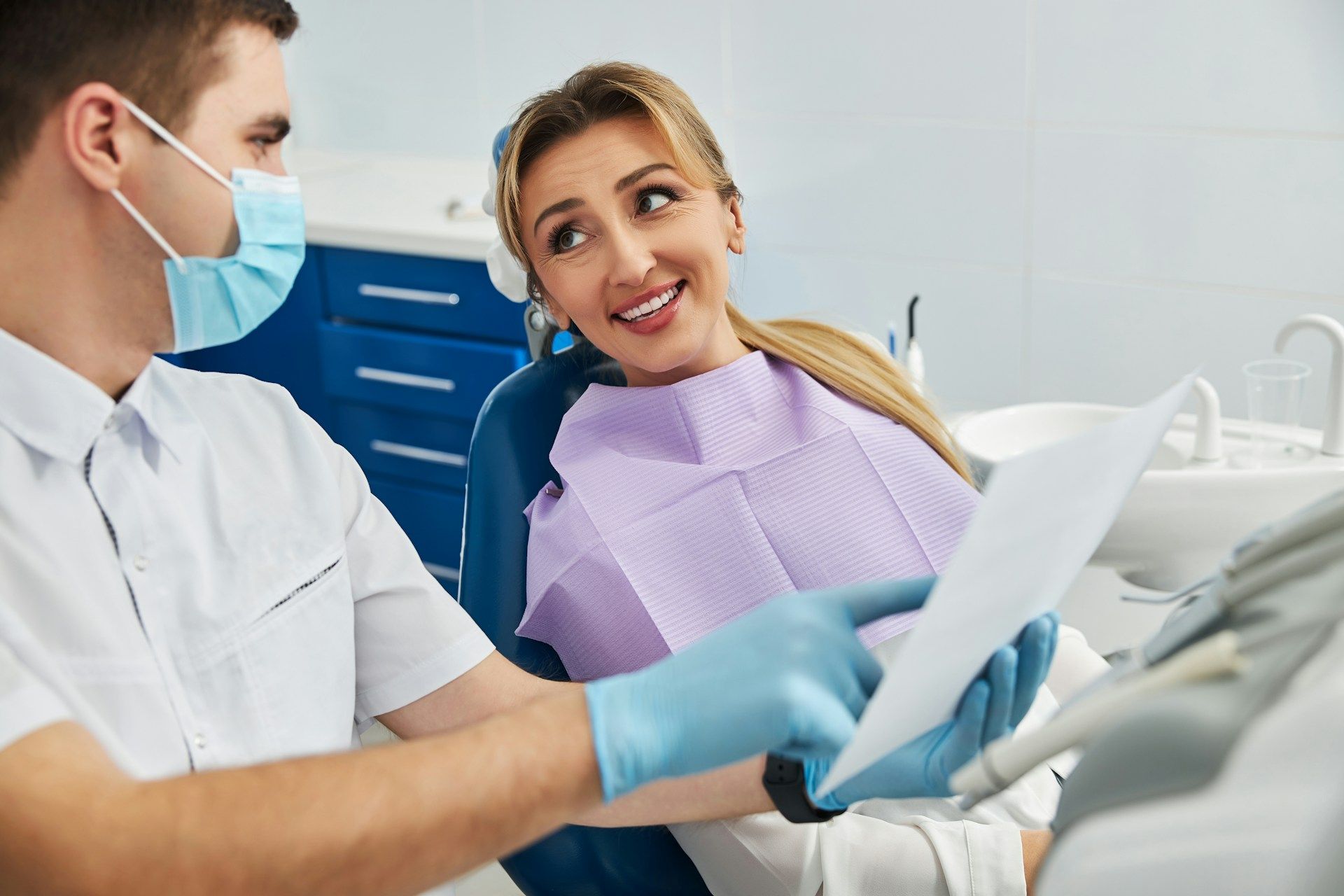
A proper TMJ screening is not just a quick glance at your teeth. It is a step-by-step look at how your whole chewing system is doing. Before planning veneers or crowns, we want to understand your history, your symptoms, and how your jaw moves.
A thorough evaluation usually includes:
- Medical and dental history review, including past or current jaw pain, grinding or clenching (especially at night), sleep quality, and snoring history, and previous dental or orthodontic treatment
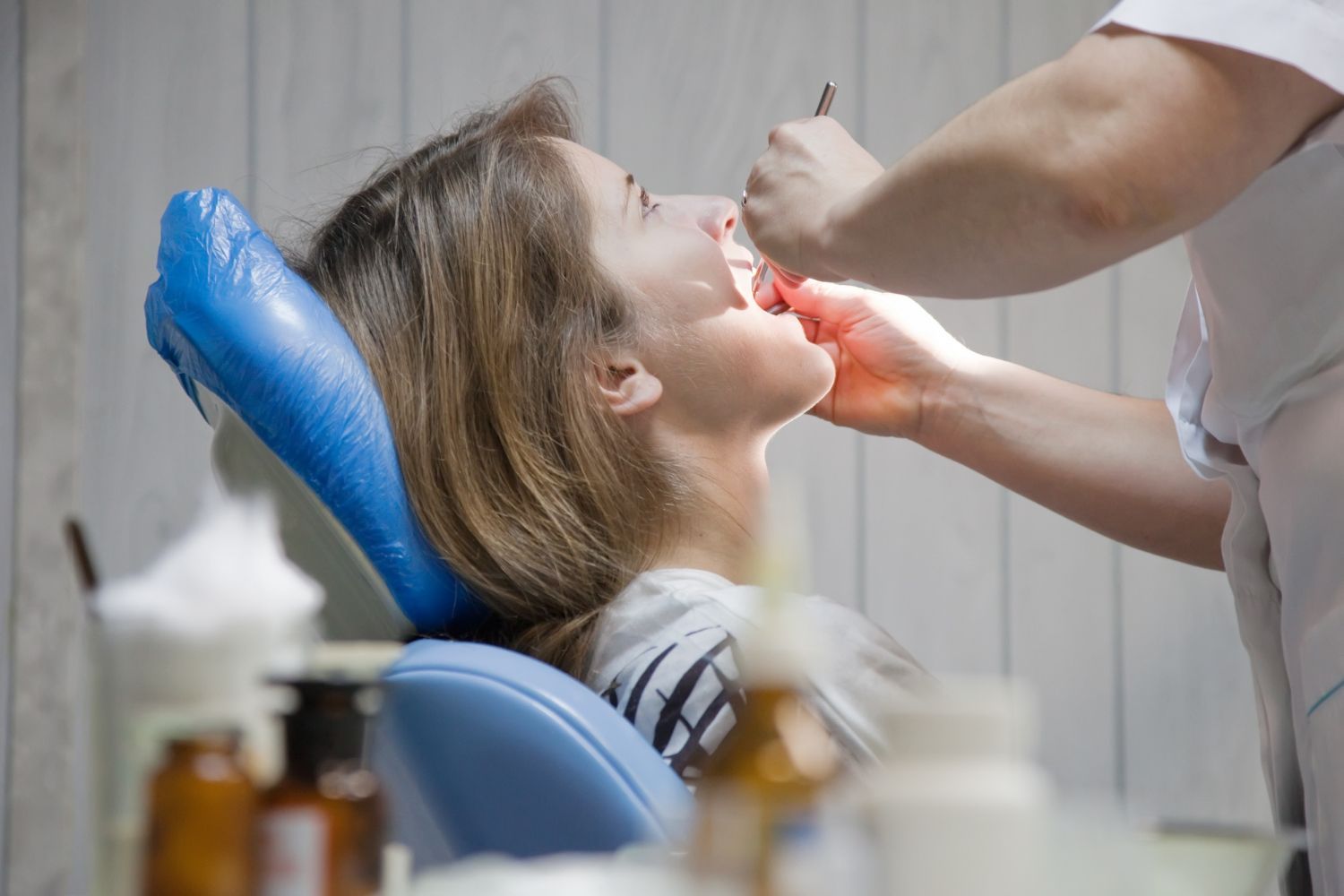
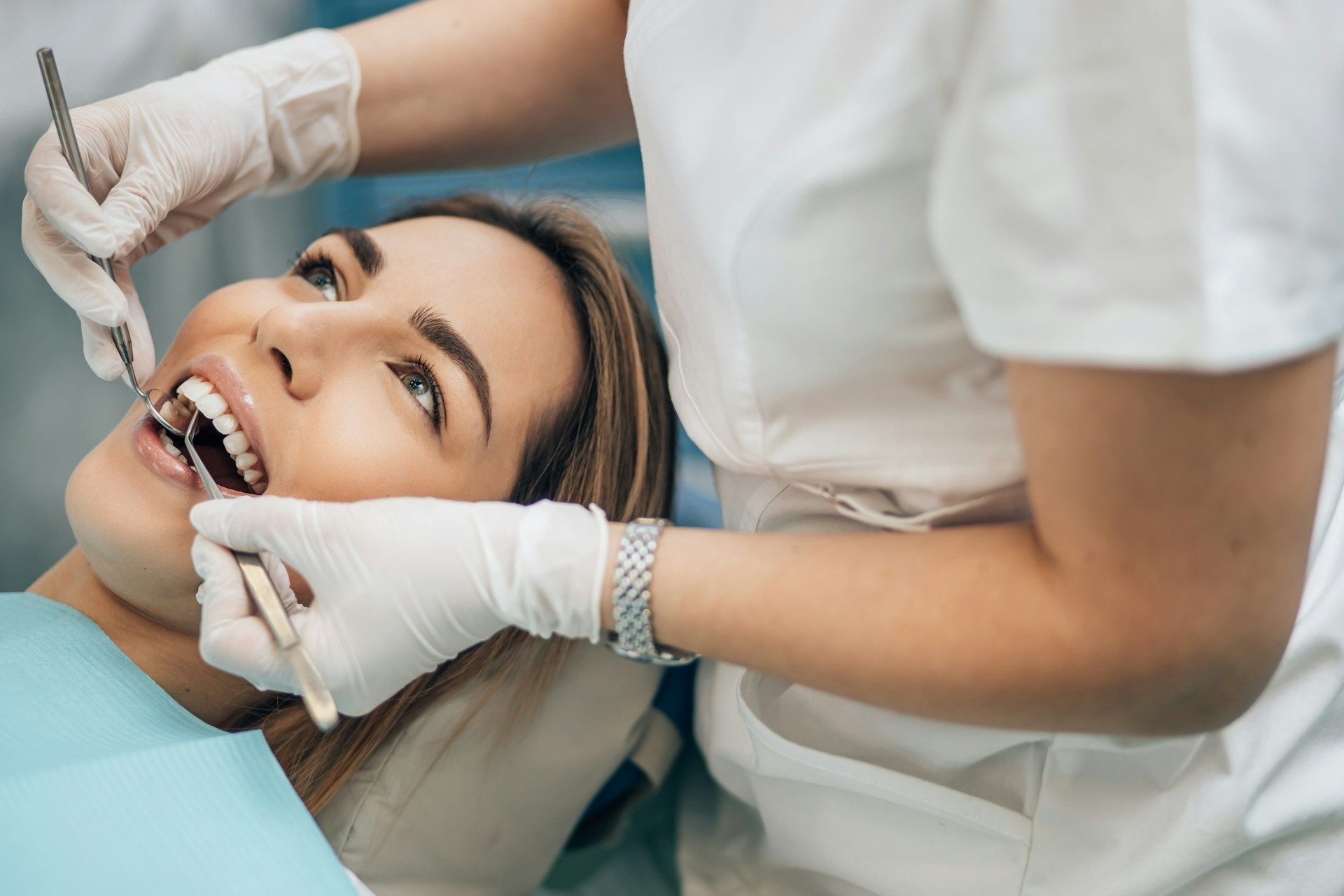
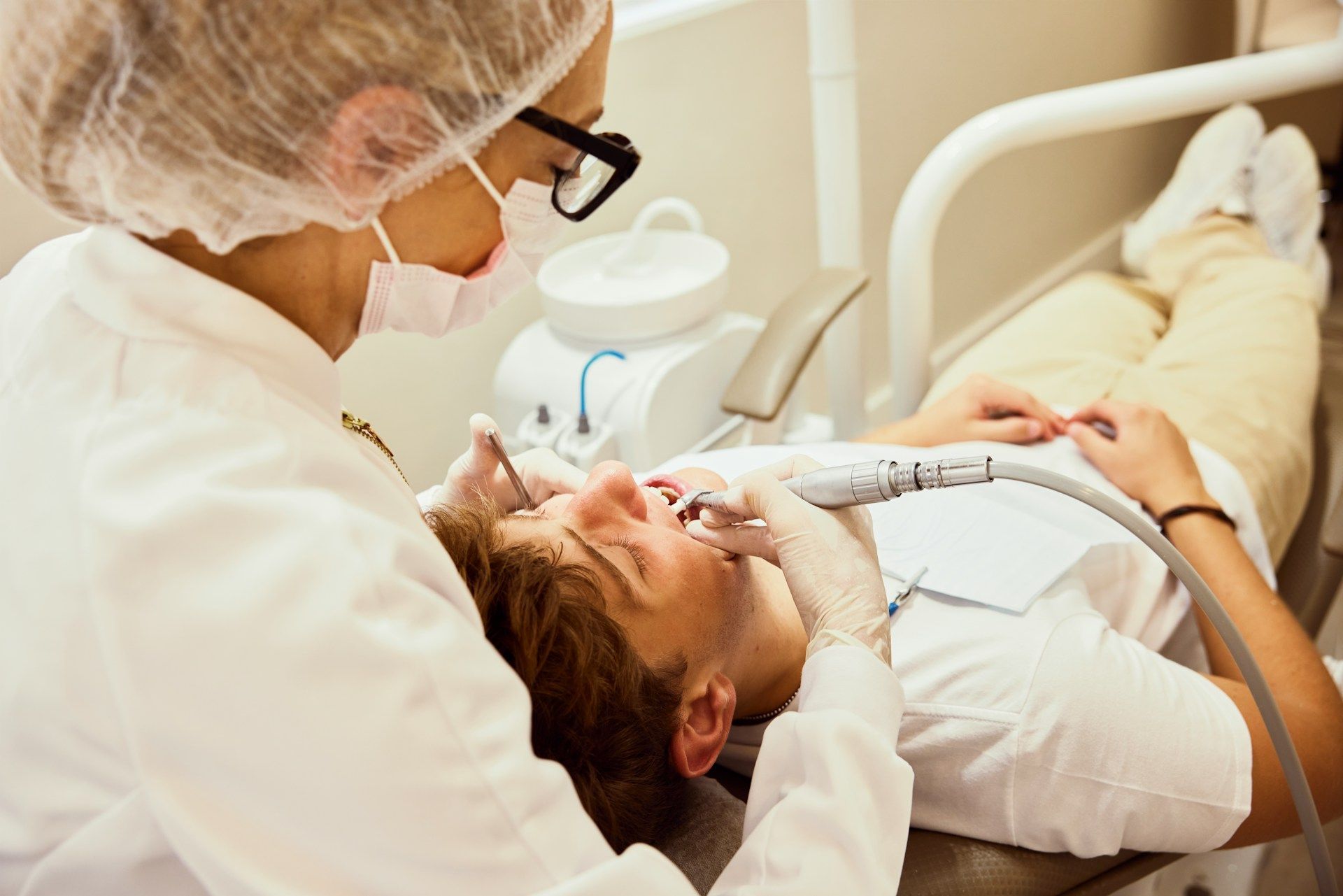
- Physical exam, including gently pressing along the jaw joints and muscles to check for soreness, measuring how wide you can open and how smoothly the jaw moves, listening and feeling for clicks, pops, or rough motion in the joints, and checking facial balance and posture around the lower face
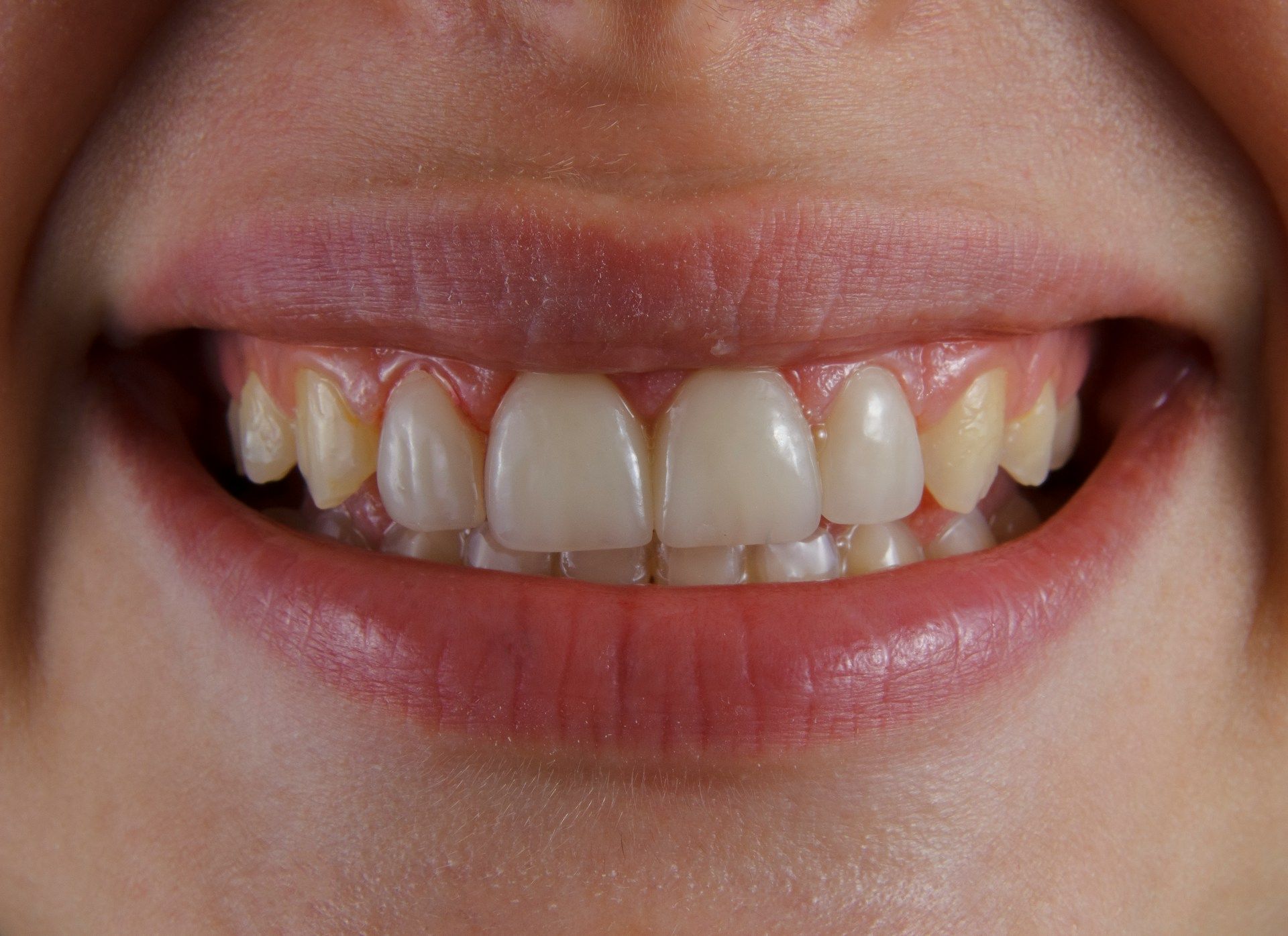
- Bite and occlusion check, including how upper and lower teeth touch when you close normally, how your bite shifts when you move side to side or forward, signs of wear, flat spots, or small fractures that suggest grinding, and existing broken fillings, chipped teeth, or loose teeth
In more advanced practices that focus on detailed planning, this exam is often paired with digital tools. Digital scans, clinical photos, and bite records can give a clearer picture of how everything fits together. This type of planning is especially helpful before cosmetic work, because it lets us design veneers or crowns that fit your natural bite instead of fighting against it.
Advanced Tools Dentists Use to Assess TMJ Health
Modern dentistry offers helpful tools to study TMJ health and bite function in more detail. These tools are not just “nice extras.” They help us see what is going on below the surface so we can plan veneers and crowns that are both attractive and functional.
Some of the technology often used includes:
- Digital impressions and 3D imaging
- Capture the shape of your teeth and jaws without messy trays
- Show bone structure and joint position
- Reveal alignment issues that might affect your bite
- Bite analysis systems and articulators
- Record how your teeth meet in different positions
- Let us simulate jaw movement on a model outside your mouth
- Help predict how new restorations will handle chewing forces
- Photographic records and smile design software
- Full-face and close-up photos help us see how your teeth fit your lips and face
- Digital smile design tools can map out tooth size, shape, and position
- We can plan a smile that looks natural while keeping your bite and joints in mind
When someone searches “TMJ treatment,” what they really need is care that looks at more than one sore spot. A thorough, technology-based assessment can connect the dots between your symptoms, your bite, and your cosmetic goals so the plan fits your whole mouth, not just the front teeth.
When TMJ Issues Change Your Smile Makeover Plan
Sometimes a TMJ screening shows that the joints or muscles are actively irritated. In that case, it is often safer to calm things down before placing permanent veneers or crowns. That does not mean you cannot have the smile you want. It just means we may take it in smart, planned steps.
Depending on what we find, your dentist may suggest:
- Splints or night guards to protect the teeth and relax the jaw
- Minor bite adjustments to even out high spots on certain teeth
- A change in which teeth are restored and in what order
For some people, this might turn a small cosmetic plan into a more complete bite rehabilitation. For others, it might mean doing a temporary phase first, then final veneers and crowns once the bite is stable. When joint health is respected, treatment often reduces pain or tightness, protects your natural teeth from further wear, and decreases the risk of chipping or breaking new restorations.
A phased approach is not about delay for its own sake. It is about comfort, function, and long-term success. You still reach your cosmetic goals, but your jaw and muscles are happier along the way.
Taking the Next Step Toward a Comfortable New Smile
If you are thinking about a smile makeover, one of the best things you can do is choose a practice that includes TMJ and bite screening in the planning process. When you meet with the dentist, consider asking questions such as:
- How do you check jaw joints and muscles before doing veneers or crowns?
- Will you evaluate my bite forces and grinding habits?
- How do you make sure my new smile will feel comfortable when I chew?
- What steps do you take if you find signs of TMJ stress?
At Paget Dental here in Bermuda, we focus on advanced, technology-driven care with a family-centered feel. Before we talk about changing the look of your teeth, we want to understand how your jaw, bite, and muscles are working together. That way, when you do invest in a smile makeover, it is built to look good, feel good, and hold up to real life for years to come.
Relieve Jaw Pain And Restore Comfortable, Confident Smiles
If jaw pain, headaches, or clicking joints are affecting your daily life, we are ready to help you find relief with personalized care. Our experienced team at Paget Dental will carefully evaluate your symptoms and design a treatment plan that fits your needs and lifestyle. Learn more about your options for
TMJ treatment, or reach out through our
contact us page to schedule an appointment.