Everyday Life with an Oral Appliance for Sleep Apnea in Bermuda
Waking up Rested in Bermuda Every Day
Good sleep changes how the whole day feels. When breathing is blocked by sleep apnea, nights are noisy and broken, and mornings feel heavy and slow. Many people live with loud snoring, dry mouth, and dragging fatigue without realizing that a simple oral appliance for sleep apnea could help.
Better sleep means more energy for work, safer driving, and more joy during family time and daily activities. When you already feel worn out, even small tasks can feel harder. That is why long-term sleep health matters so much, not just for comfort, but for everyday life.
At our family-run clinic, Dr. Fay and Dr. James Fay focus on personalized sleep apnea care. Dr. Fay and Dr. James Fay look at the whole mouth and airway, use advanced technology, and design custom oral appliances that fit your bite and lifestyle. The goal is simple: calmer nights, clearer days, and a plan that supports your health for years.
How an Oral Appliance for Sleep Apnea Actually Works
Sleep apnea happens when the airway gets too narrow while you sleep. The soft tissues in the throat can relax and fall back, and the tongue can slide toward the back of the mouth. This can cause:
- Loud or frequent snoring
- Pauses in breathing that others may notice
- Gasping or choking sounds at night
- Broken, restless sleep
When this keeps going, the body works harder to get oxygen. Over time, that strain can affect the heart and blood pressure and can leave you feeling worn out, foggy, and irritable during the day.
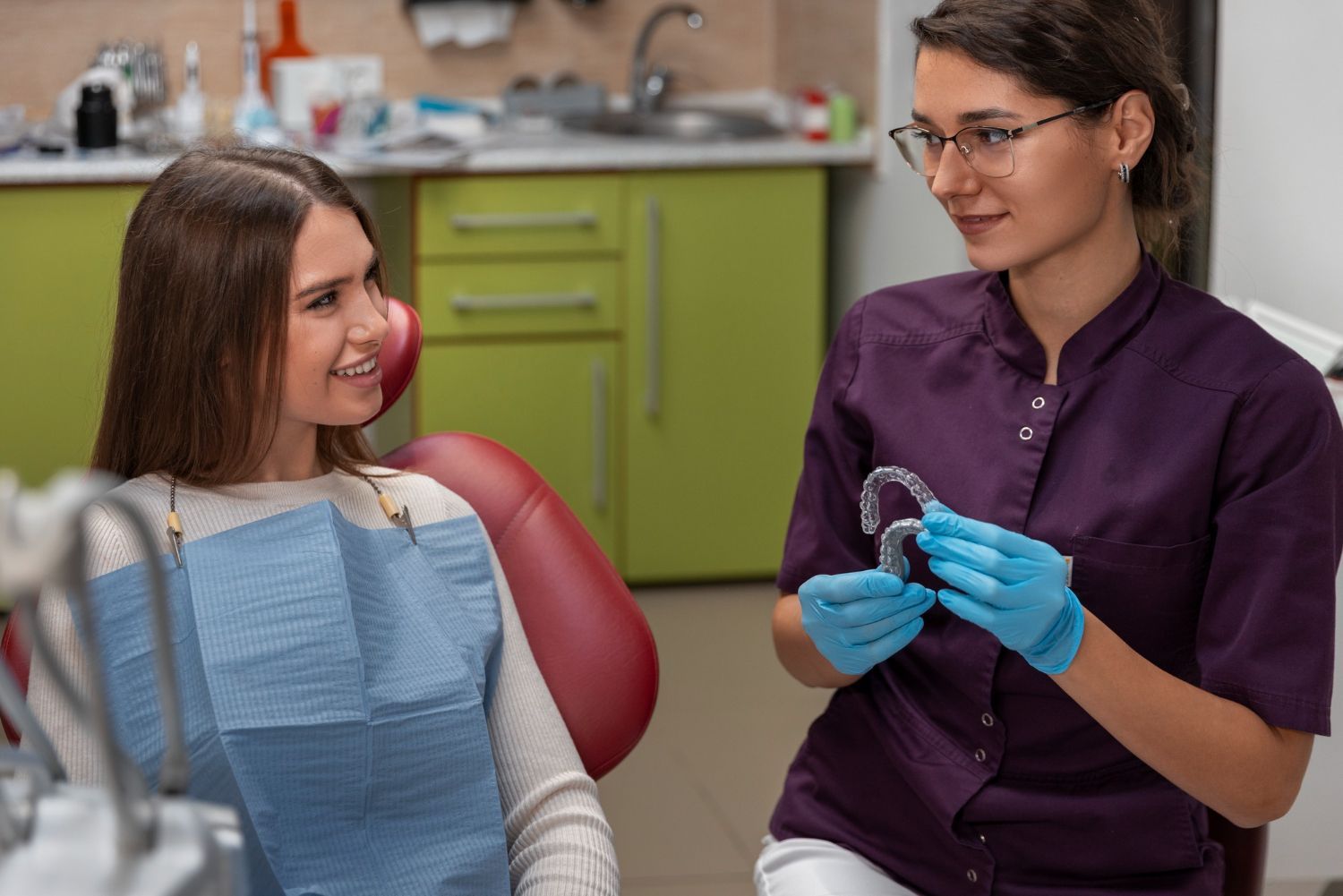
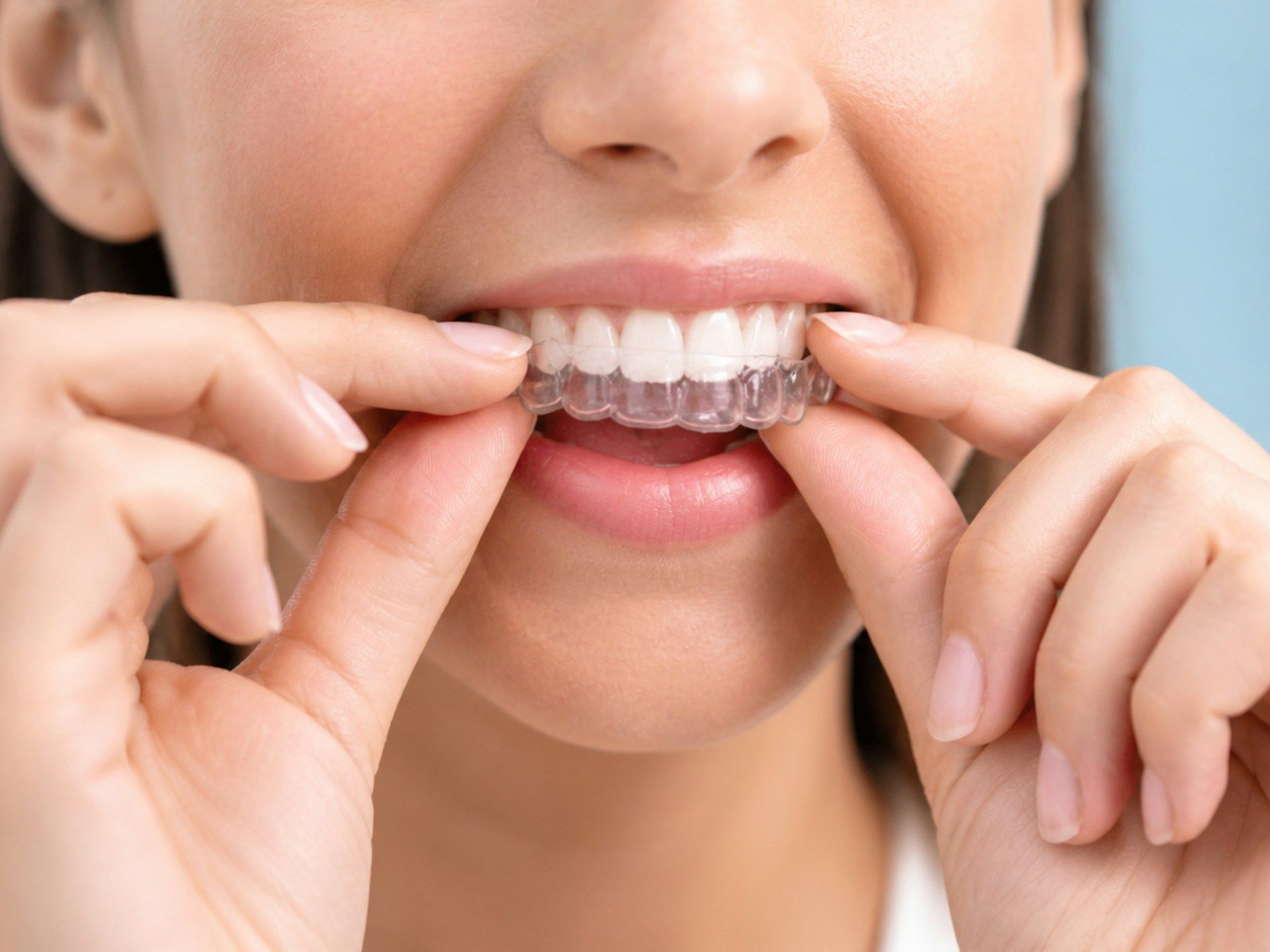
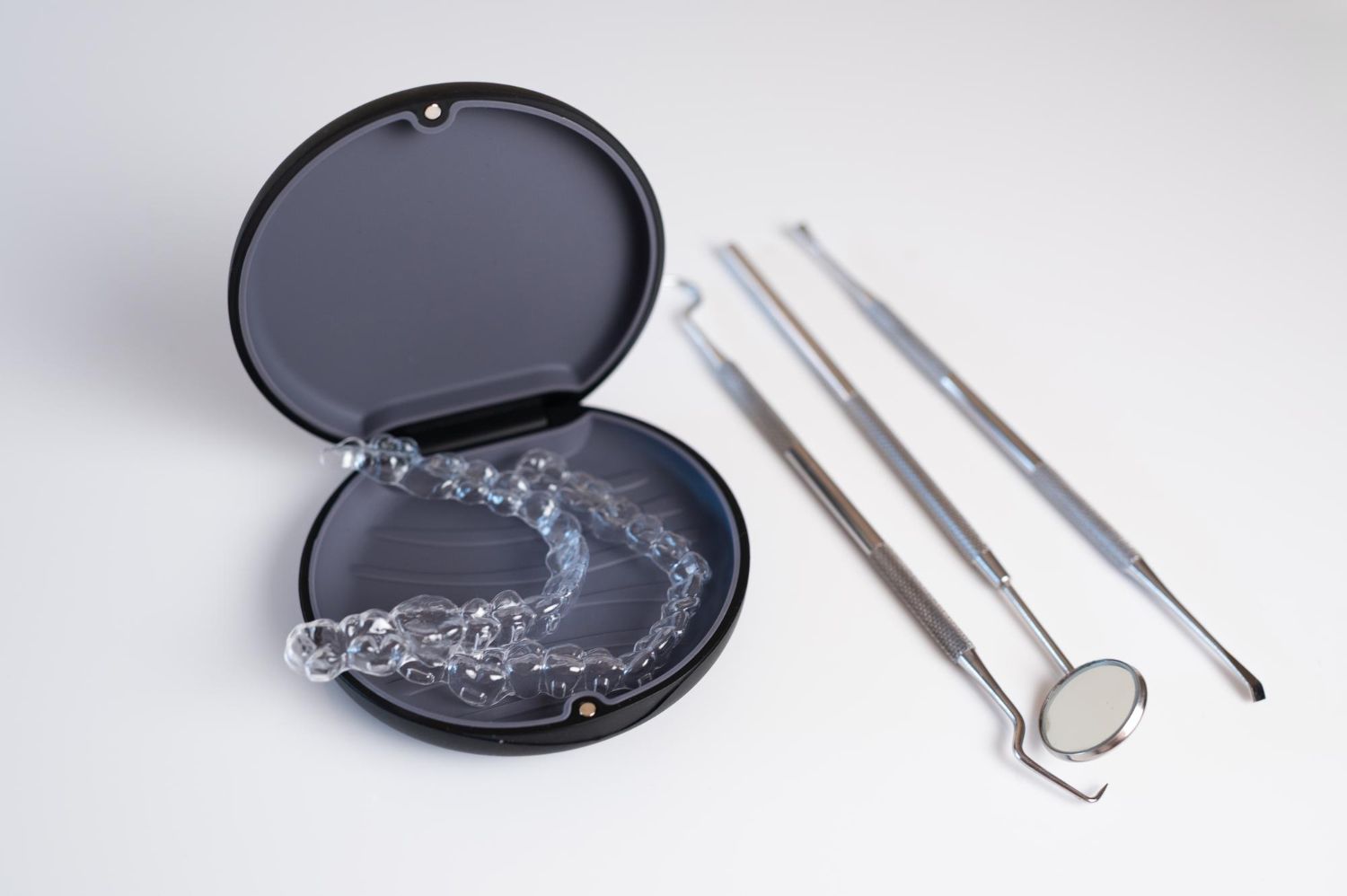
An oral appliance for sleep apnea is a small custom device that fits over the teeth, usually the upper and lower teeth together. It gently guides the lower jaw and tongue forward so the airway stays more open while you sleep. Compared with a CPAP machine, an oral appliance:
- Is smaller and easier to pack or carry
- Does not need a mask, tubing, or electricity
- Often feels more natural for people who move a lot in their sleep
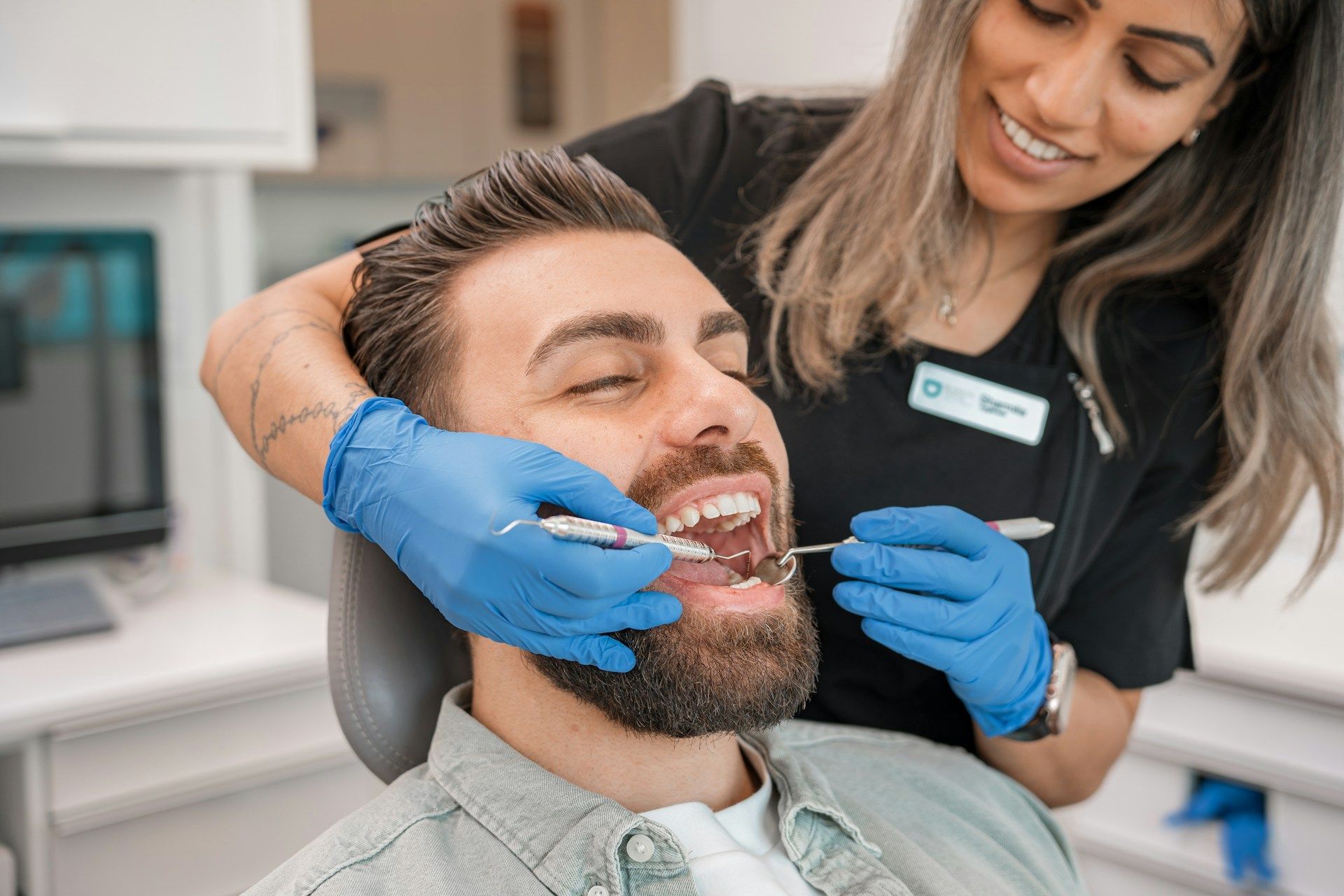
At our clinic, Dr. James Fay does a careful exam before recommending an oral appliance. Dr. James Fay checks your airway, bite, and jaw joints, and reviews your symptoms and medical history. Sometimes an oral appliance can work on its own, and other times it may be part of a broader plan with your medical team.
Getting Fitted for Your Appliance at Paget Dental
Your first visit with Dr. James Fay is mostly about understanding your sleep story. Dr. James Fay will talk through:
- Snoring and breathing patterns at night
- Morning headaches or dry mouth
- Daytime sleepiness, trouble focusing, or nodding off
- Any past tests, CPAP use, or surgeries
Dr. Fay and Dr. James Fay want to know how sleep apnea is affecting your life now, and what you hope will change.
Next, we use digital technology to capture your teeth and bite. Instead of messy molds, we use digital impressions and imaging to build a clear picture of your mouth. This helps Dr. Fay design a more precise and comfortable fit for your oral appliance.
Dr. James Fay then studies how your teeth meet, how your jaw moves, and how your TMJ (jaw joint) behaves. This is important, because the appliance gently moves the lower jaw, and we want that motion to be safe and controlled. Dr. James Fay explains what to expect, including:
- How the appliance will feel at first
- How we adjust the position over time
- How often you will come in to fine-tune comfort and effectiveness
The fitting process is not rushed. The goal for Dr. Fay and Dr. James Fay is a custom device that feels like it truly belongs in your mouth at night.
What Everyday Life Feels Like with Your Appliance
The first week with an oral appliance for sleep apnea can feel a little different. Some people notice mild jaw awareness when they wake up or extra saliva at night. This is normal as your mouth learns something new is there.
Dr. James Fay shares simple tips to help you adjust, like gentle jaw exercises, staying consistent with nightly use, and building a calm bedtime routine. Most people find that if they wear the appliance every night, their body adapts fairly quickly.
Daily life with the appliance is usually straightforward:
- In the morning, you remove the appliance, rinse it, and clean it with a soft brush
- You let it dry and keep it in its case during the day
- At night, it becomes part of your regular routine, like brushing and flossing
Over time, many patients under Dr. Fay’s and Dr. James Fay’s care report changes that feel very real in everyday life: less snoring that disturbs loved ones, deeper and more steady sleep, fewer morning headaches, and more mental clarity at work. People often say they have more energy for family time, errands, and enjoying daily activities without feeling drained by midafternoon.
Caring for an Oral Appliance Wherever You Are
No matter where you live, consistent care helps your oral appliance last and stay comfortable. Dr. Fay recommends:
- Rinsing your appliance after each use with cool or lukewarm water
- Brushing it gently with a soft brush, using cool or lukewarm water (not hot water)
- Letting it dry fully before placing it in its case
- Storing it in a cool, dry place away from direct sun
This helps prevent warping and buildup, and keeps the appliance feeling and smelling fresh.
If you travel, an oral appliance for sleep apnea is usually very simple to bring along. It fits in a small protective case in your carry-on bag, and there are no wires or machines to worry about. Airport security staff see dental appliances all the time, so you can just keep it in its case and follow their instructions.
Dr. Fay and Dr. James Fay also pay close attention to long-term success. With time, teeth can shift slightly, and your jaw pattern may change as you age. That is why follow-up visits are important. Dr. James Fay checks your appliance, your TMJ, and your bite, and makes small adjustments so your device keeps working comfortably as your mouth changes.
Long-Term Oral Health and TMJ Protection
Treating sleep apnea with an oral appliance is not just about quieter nights. It is also about protecting your jaw joints, teeth, and overall oral health. Some people already clench or grind their teeth, or have TMJ tension before they start treatment.
Dr. Fay looks at these issues carefully when planning your care. The position of your jaw in the appliance matters for both breathing and comfort. By checking your TMJ and bite at every review visit, Dr. James Fay can spot early signs of:
- Soreness or stiffness in the jaw
- Changes in how your teeth meet
- Unusual wear on certain teeth
When Dr. Fay or Dr. James Fay notice any of these, they can adjust the appliance, guide you on supportive habits, or coordinate with your broader dental care plan.
Because our clinic also offers general, cosmetic, implant, and TMJ care, Dr. Fay and Dr. James Fay can keep an eye on the whole picture over many years. This makes it easier to balance better breathing at night with the long-term health and comfort of your teeth and jaw. The goal is steady progress: calmer sleep, a stable bite, and a mouth that feels good day after day.
Wake Up Rested With a Comfortable Sleep Apnea Solution
If you are tired of restless nights and loud snoring, we can help you explore whether
an oral appliance for sleep apnea is right for you. At Paget Dental, we carefully evaluate your symptoms, bite, and airway to design a personalized treatment that fits comfortably and works with your lifestyle. Take the next step toward better sleep and improved health by scheduling a visit today or using our online form to
contact us.