Situation-Specific Invisalign in Bermuda for TMJ and Sleep Issues
Why Invisalign Matters for TMJ and Sleep Health
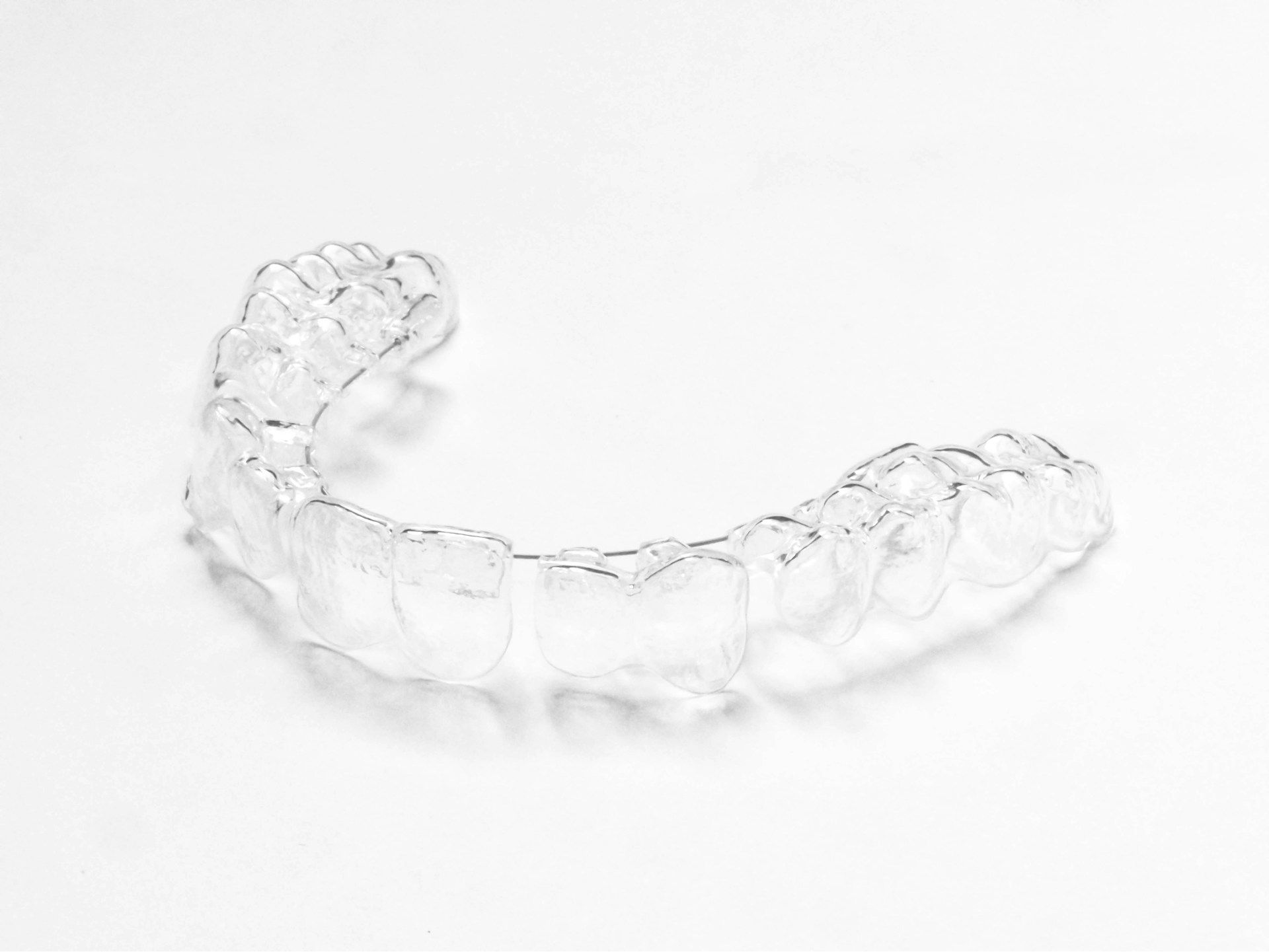
Invisalign is a clear aligner system that gently shifts teeth into better positions. Many people think of it only as a way to straighten a crooked smile, but it can also play a role in how your jaw feels and how you breathe at night. The way your teeth come together affects your bite, your jaw joints, and even your airway.
When teeth are crowded, tipped, or not matching up properly, the jaw has to work harder to close. This can strain the temporomandibular joint (TMJ) and the muscles in your face and neck. The position of your upper and lower jaws can also change the space behind your tongue, which is where your airway runs while you sleep.
At Paget Dental, we use Invisalign in Bermuda as part of a bigger plan, not as a one-size-fits-all fix. Dr. Fay and Dr. James Fay look at tooth position, bite alignment, TMJ comfort, and sleep concerns together. The goal is long-term comfort, steady function, and a smile that works as well as it looks.
How Your Bite Affects TMJ Pain and Daily Comfort
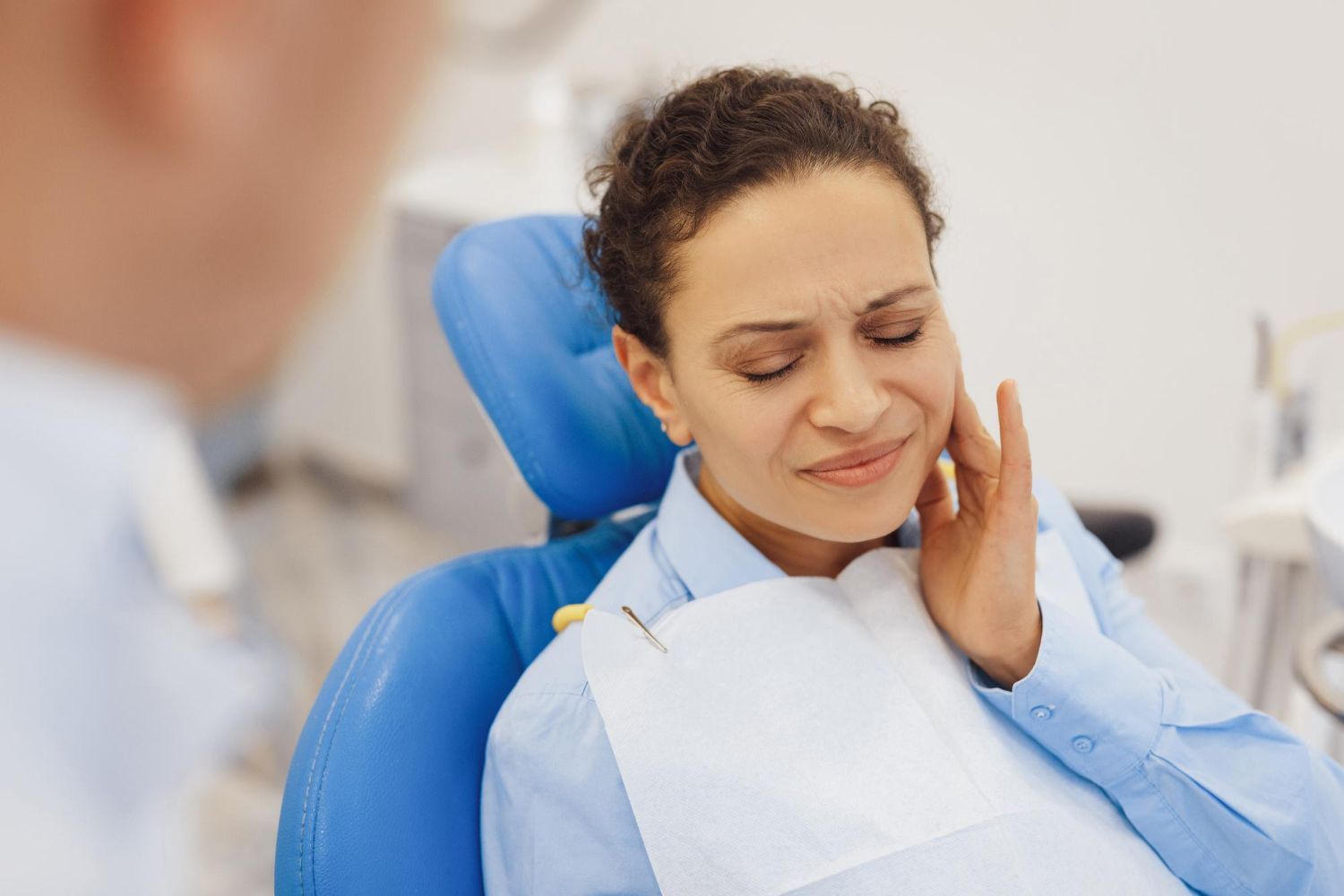
Your TMJ is the hinge that connects your lower jaw to the base of your skull. You use it every time you talk, chew, or yawn. When this joint is stressed, you might notice:
- Jaw pain or tightness
- Clicking or popping sounds when you open or close
- Headaches, especially around the temples
- Neck or shoulder tension
An imbalanced bite can overload this small joint. If your teeth hit too hard in some spots and not at all in others, your jaw may shift slightly each time you close. Over time, the TMJ and surrounding muscles can become sore and tired.
Clenching and grinding, often linked to stress, can make things worse. If your teeth do not fit together in a stable way, your muscles may work even harder at night trying to find a comfortable position. This can lead to worn teeth, morning jaw pain, and broken dental work.
Dr. Fay and Dr. James Fay take time to study how your bite and muscles work together. They may:
- Watch how your jaw moves when you open and close
- Check for tender jaw muscles and TMJ clicking
- Look at tooth wear and bite marks
- Use scans and records to see how the teeth fit
Based on what they find, Invisalign in Bermuda might be used to gently change how your teeth meet. In other cases, small bite adjustments, nightguards, or other TMJ therapies may be a better first step. The key is matching the treatment to your body, not the other way around.
Understanding the Link Between Teeth, Airway, and Sleep
Your teeth and jaws do more than chew. Their shape and position help frame your airway. If the lower jaw is set too far back or the upper arch is very narrow, the space behind the tongue can become tight. This can lead to:
- Snoring
- Broken, restless sleep
- Waking up unrefreshed or with a dry mouth
There are different levels of breathing trouble while asleep. Simple snoring is noisy airflow, but the airway stays mostly open. Upper airway resistance is when breathing is harder, but full blockages may not happen often. Obstructive sleep apnea is more serious, with repeated airway blockages that can lower oxygen and disrupt sleep many times a night.
These issues are not just annoying for a bed partner. They can affect daytime focus, mood, and overall health. That is why airway and sleep concerns should be taken seriously.
Before recommending Invisalign in Bermuda for someone with snoring or possible sleep apnea, Dr. Fay and Dr. James Fay look beyond the teeth. They pay close attention to:
- Tongue position and space
- Shape and width of the dental arches
- Jaw posture and range of motion
- Signs of mouth breathing or grinding
If needed, they may suggest medical sleep testing or work together with other healthcare providers as part of a broader sleep-focused plan.
Situation-Specific Invisalign Plans for TMJ and Sleep Issues
At Paget Dental, "situation-specific" Invisalign means treatment is built around your needs, not just straight teeth. For someone with TMJ pain, the plan might focus on creating a more stable, balanced bite. For someone with airway concerns, it may aim to improve jaw and tongue space while still keeping the TMJ comfortable.
Dr. Fay and Dr. James Fay use digital tools and detailed exams to guide each case. Planning often includes:
- Digital scans of your teeth and bite
- 3D simulations of tooth movement over time
- Joint and muscle evaluations before and during treatment
This careful planning helps them design aligner movements that support the TMJ instead of overloading it. Sometimes Invisalign in Bermuda is used along with other appliances. Depending on the situation, this might include:
- Custom nightguards to protect teeth from grinding
- Bite splints to help relax muscles and support the TMJ
- Oral sleep appliances for certain types of sleep-disordered breathing
By combining these tools, treatment can support both comfort and function while your teeth shift.
What to Expect From Invisalign Treatment at Paget Dental
If you are a good candidate for Invisalign in Bermuda, the process at Paget Dental is structured but comfortable. A typical treatment path may include:
- A full consultation with Dr. Fay or Dr. James Fay
- Digital imaging, photos, and scans
- Bite analysis and TMJ exam
- Screening questions about snoring and sleep quality
After gathering this information, Dr. Fay and Dr. James Fay plan your Invisalign steps and review them with you. You will see how your teeth are expected to move and how the final bite may look. If TMJ or sleep issues are involved, they explain how the plan supports those concerns.
During treatment, you switch to new aligners on a set schedule. Regular check-ins allow Dr. Fay and Dr. James Fay to:
- Monitor tooth movement and bite changes
- Check for new or changing TMJ symptoms
- Talk about any shifts in sleep comfort or morning headaches
If needed, they can adjust the plan, add a splint or nightguard, or pause to let the jaw settle. Treatment time varies by case, but many people enjoy the lifestyle-friendly parts of aligners, like being able to remove them for meals and cleaning. After active treatment, retainers and long-term bite maintenance help keep your new smile and jaw position stable.
When Invisalign Alone Is Not the Right Answer
Invisalign in Bermuda is a powerful tool, but it is not the right answer for every TMJ or sleep problem. Some situations need different or extra care, such as:
- Severe TMJ joint damage or limited jaw opening
- Complex airway collapse involving many areas of the throat
- Advanced obstructive sleep apnea confirmed by medical testing
In these cases, tooth movement alone may not provide enough support. Dr. Fay and Dr. James Fay can work together with sleep physicians, ENT specialists, or other healthcare providers when treatments like CPAP or surgery are more appropriate. Invisalign may still play a role later, but it should not replace needed medical care.
What matters most is an honest, complete evaluation. At Paget Dental, Dr. Fay and Dr. James Fay focus on long-term health, not quick fixes. They will tell you when Invisalign is a helpful part of your TMJ or sleep plan, and just as importantly, when it should not be the main focus. This balanced approach helps protect your jaw, your sleep, and your smile for years to come.
Start Your Discreet Smile Transformation Today
If you are ready to straighten your teeth without metal brackets or wires, we are here to help you get started. Learn how
Invisalign in Bermuda can fit comfortably into your daily routine and long-term oral health goals. Schedule a consultation with Paget Dental so we can evaluate your smile, discuss your options, and create a customized treatment plan. If you have questions or want to book an appointment, simply contact us.