Signs Your Dental Implants in Bermuda Need a Bite Check

Protect Your Investment: Why Your Bite Matters with Implants
Dental implants can feel like a fresh start. You can bite, chew, and smile again without worrying about slipping dentures or gaps in your teeth. But even when implants are placed very carefully, they still depend on one big thing to stay healthy for the long term: a balanced bite.
Your bite is the way your upper and lower teeth come together. If that balance is off, your implants can be pushed, squeezed, or twisted in ways they were not designed to handle. This can lead to discomfort now and bigger problems later.
At our family practice in Bermuda, we see how much difference a well-balanced bite makes for people with dental implants. Dr. James Fay focuses not only on placing implants, but also on keeping them comfortable and stable over time. Here, we will walk through how a healthy implant bite should feel, the subtle warning signs when it is off, and what Dr. Fay can do to protect your smile.
How a Healthy Implant Bite Is Supposed to Feel
A good implant bite should feel natural. You should be able to close your teeth together without hunting for a “right” spot. When everything is in balance, your teeth, jaw joints, and muscles all share the work.
In a healthy bite with implants, you should notice things like:
- Even contact on both sides when you gently bite down
- No single tooth or implant feeling like it hits first
- Smooth chewing without needing to avoid one area
- No ongoing strain in your jaw, face, or temples
Dr. Fay designs implant crowns and bridges so that your bite spreads the pressure across many teeth instead of dumping it on one spot. That way, your natural teeth, your implants, and your jaw joints all work together, instead of fighting each other.
Right after you get dental implants in Bermuda, it is normal for your bite to feel a little “different” for a short time. Your brain is learning this new shape in your mouth. But here is the key: that different feeling should fade. You should not be constantly aware of one area or feel like you are always adjusting to get comfortable.
If weeks go by and you are still very aware of one tooth, one implant, or one side of your mouth, that is a sign your bite might need a closer look from Dr. Fay.
Subtle Red Flags Your Implant Bite Is Off
Problems with your bite do not always start with big pain. Often, the first signs are small annoyances that are easy to ignore. Paying attention early can save you from cracks, loose parts, and sore jaws later on.
Some day-to-day warning signs include:
- One tooth or implant feels like it hits first when you close
- You keep tapping your teeth together, trying to find a “right” spot
- Chewing feels easier or safer on one side only
- You catch yourself changing how you chew to avoid one area
There are also body clues that your bite may be off:
- Clicking or popping sounds in your jaw joints
- Sore or tired facial muscles, especially at the end of the day
- A feeling that one or more crowns are “too high” or “too low”
- Light pressure turning into a sharp twinge on a certain tooth or implant
These issues can often be fixed by Dr. James Fay with small, careful changes. In many cases, a few gentle bite adjustments on your implant crowns are all it takes to spread the pressure more evenly. Catching these subtle problems early helps prevent cracks, loosened screws, or extra wear on your implant teeth.
Pain, Cracks, and Looseness You Should Never Ignore
While mild signs are easy to put off, some symptoms should never be brushed aside. These can point to a bite that is badly out of balance or strong clenching, especially at night.
Strong warning signs include:
- Sharp or zinging pain when you bite down on one spot
- Recurring headaches around your temples or behind your eyes
- Ear pain or jaw pain that keeps coming back
- Waking up with sore teeth, jaw stiffness, or tender implants
You might also notice visible changes around your implants, such as:
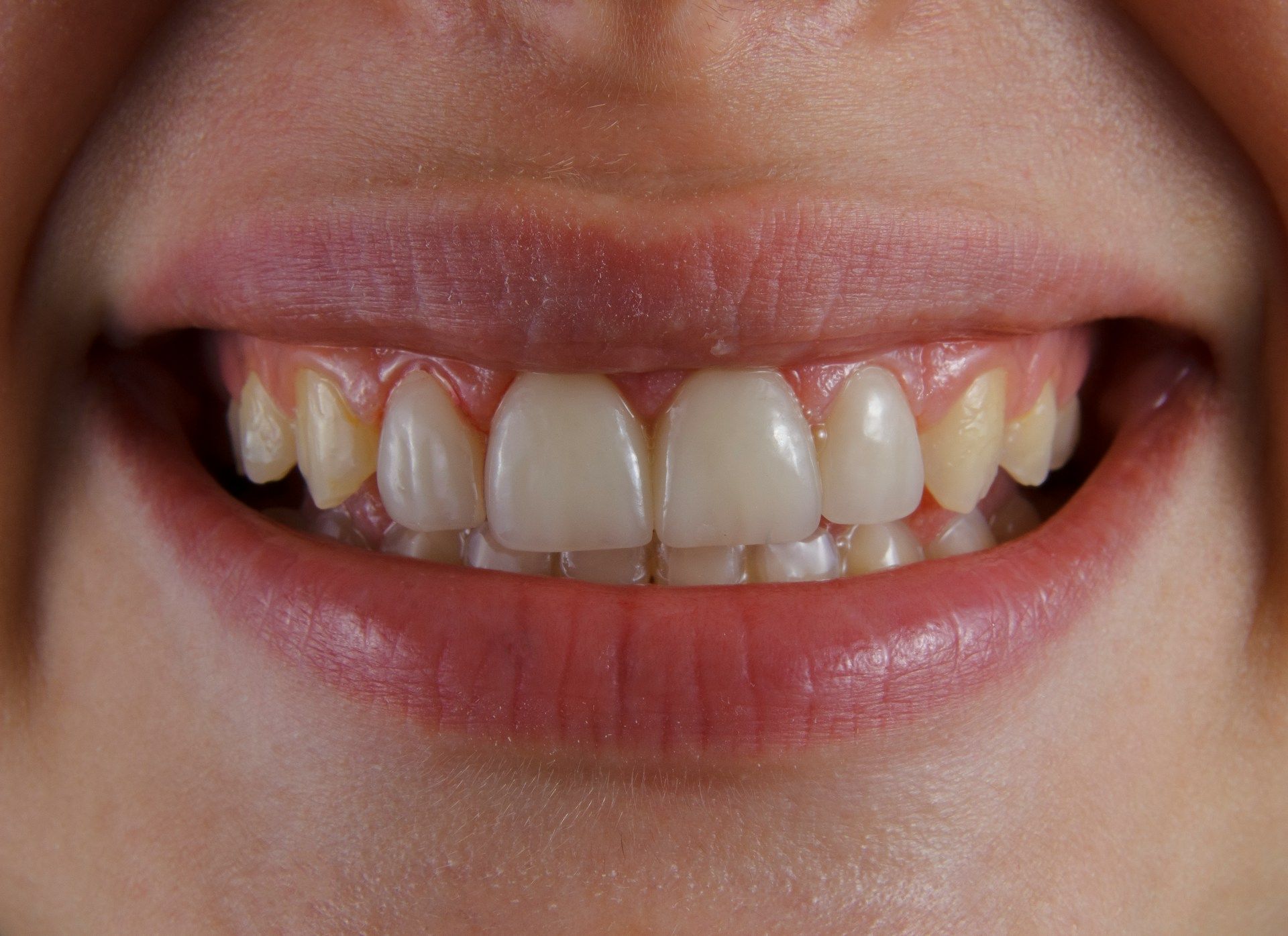
- Tiny fractures or lines in the porcelain of your crowns or bridge
- Chipped edges or rough spots that were not there before
- Gums that look red, puffy, or irritated around one implant
- A crown or bridge that feels loose, wobbly, or moves when you chew
These signs can all point to an unbalanced bite or strong clenching and grinding while you sleep. When the bite is off, implants and natural teeth can be pushed past what they can comfortably handle. It is important to let Dr. Fay check these problems quickly so your dental implants in Bermuda stay secure and comfortable for as long as possible.
How Dr. Fay Checks and Corrects Your Bite
A professional bite check is simple and usually very comfortable. Dr. James Fay starts by listening. He will ask about what you feel day-to-day, when the problem shows up, and what kinds of foods cause trouble.
A typical bite check might include:
- A careful look at your teeth, implants, and gums
- Special colored bite paper to see where your teeth touch first
- Having you bite and grind lightly so Dr. Fay can watch how things move
- In some cases, digital scans or images to map out contact points in detail
Once Dr. Fay understands what is happening, he can choose the best way to fix it. Common solutions include gentle reshaping of tiny high spots on your crowns, fine-tuning or remaking an implant crown that does not match your bite, or creating a custom night guard to protect your teeth and implants if you clench or grind.
Most bite adjustments are quick, conservative, and do not hurt. Many people feel relief almost right away. With regular follow-up, we can keep an eye on your bite as your mouth changes over time, so your implants stay stable and useful.
When to Call Paget Dental About Your Implants
It is not always easy to know when a small annoyance has become a real problem. A simple checklist can help you decide when to get your bite checked by Dr. Fay.
You should plan a visit if:
- You notice new discomfort when biting or chewing
- Your teeth meet differently than they used to
- You feel frequent jaw tension, soreness, or headaches
- Any implant crown feels loose, chipped, or “off” in height
- The gums around one implant look red, swollen, or tender
It is also smart to keep up with regular maintenance visits. Bite changes often appear after other dental work, orthodontic treatment, or during times of extra stress when clenching is more likely. Regular checks with Dr. James Fay make it easier to catch small shifts before they become bigger problems.
If you already have dental implants in Bermuda or are thinking about them, a careful look at your bite is one of the best ways to protect your smile for the long term.
Restore Your Confident Smile With Long-Lasting Implant Solutions
If you are considering replacing missing teeth, our team at Paget Dental can help you decide if
dental implants in Bermuda are the right choice for your health, comfort, and lifestyle. We will walk you through every step, from your initial consultation to your final restoration, so you always know what to expect. To schedule an appointment or ask questions about your options, please
contact us today.