TMJ Pain in Bermuda: When to See a Dentist, Oral Surgeon, or Physiotherapist

Stop Living With Jaw Pain: Clear Answers on TMJ Help
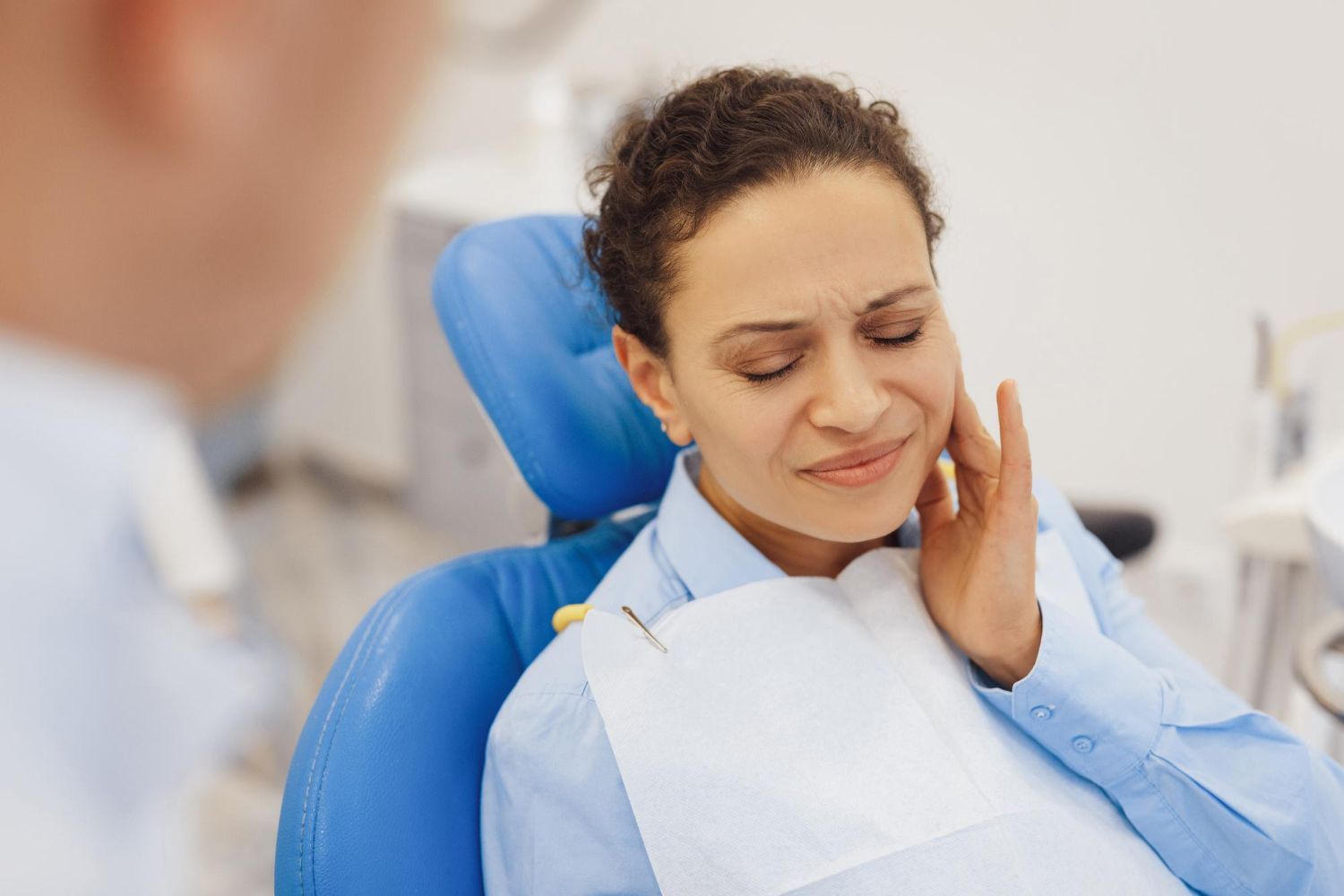
Jaw pain can make simple things like eating, talking, or laughing feel hard. When that pain lingers, it is frustrating and confusing because it is not always clear who should help first. TMJ problems often involve teeth, joints, muscles, nerves, and even sleep, so the cause is not always in one place.
In Bermuda, many people with jaw pain feel stuck between a private dentist in Bermuda, an oral surgeon, and a physiotherapist. You might see one provider, then get sent to another, then back again, without a clear plan. That bouncing around can wear you down.
At Paget Dental, our family team, including Dr. Fay and Dr. James Fay, focuses on complex TMJ and bite problems. We use advanced technology and long-term planning to sort out what is really happening with your jaw. This guide explains who treats what, when to see each provider, and how coordinated referrals with Dr. Fay and Dr. James Fay can help you get relief sooner.
Understanding TMJ Pain: Not Just a Clicking Jaw
TMJ stands for temporomandibular joint. You have one on each side of your face, in front of your ears. These joints connect your lower jaw to your skull and help you open, close, and move side to side. When people say “TMJ” as a problem, they usually mean TMD, which is a group of TMJ disorders affecting the joint, muscles, bite, and sometimes the nerves.
TMJ-related symptoms can show up in many ways, such as:
- Jaw pain or tightness
- Clicking, popping, or grinding noises in the joint
- Jaw locking, even for a moment
- Headaches or face and temple pain
- Ear fullness, ringing, or pressure with no ear infection
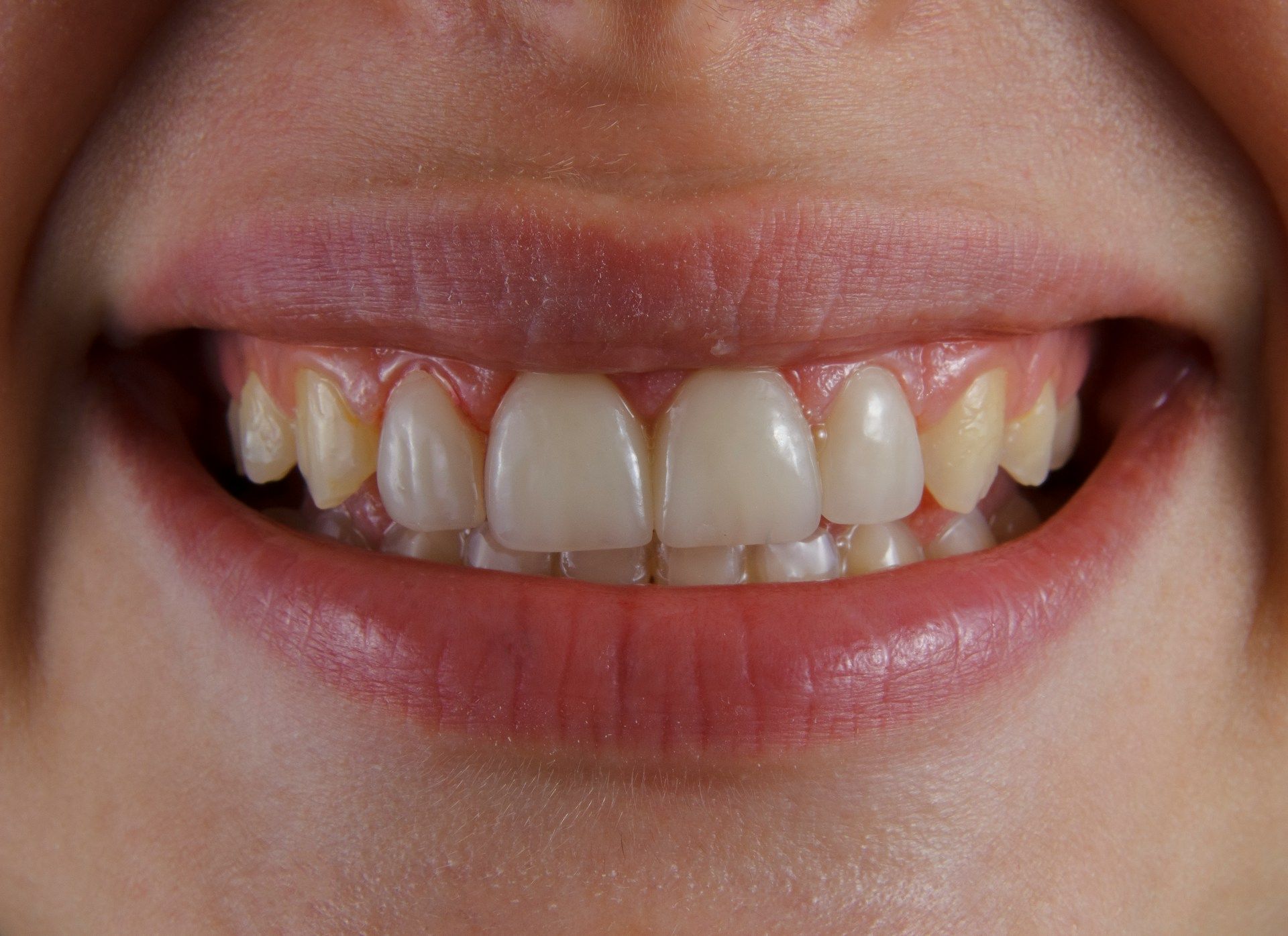
- Worn, chipped, or broken teeth
Pain or fatigue when chewing, talking, or yawning
The cause is often mixed. Common triggers include clenching and grinding, bite problems, arthritis, past trauma, stress, and sleep issues like sleep apnea. Many people have more than one factor at the same time.
When examining TMJ pain, Dr. Fay and Dr. James Fay look far beyond just the jaw. Dr. Fay and Dr. James Fay pay attention to posture, breathing patterns, airway space, and how your teeth fit together. Tooth wear patterns, jaw movement, and even how you hold your head can give clues about what is really driving the pain.
When to See a Private Dentist in Bermuda First
Most people with TMJ symptoms should start with a private dentist in Bermuda who understands jaw and bite problems. That is often the fastest way to sort out if your pain is mainly dental, muscular, or structural.
You should consider seeing a private dentist in Bermuda such as Dr. Fay or Dr. James Fay first if you notice:
- New or recurring jaw pain or tightness
- Clicking or popping in the jaw, even without pain yet
- Morning jaw stiffness or soreness
- Broken, flat, or worn teeth from clenching or grinding
- Pain when chewing tougher foods or talking for long periods
At Paget Dental, a TMJ and bite evaluation with Dr. Fay or Dr. James Fay usually includes:
- A detailed history of your pain, habits, and past dental work
- Digital imaging of your teeth and jaws when needed
- Careful checks of how your teeth meet and slide
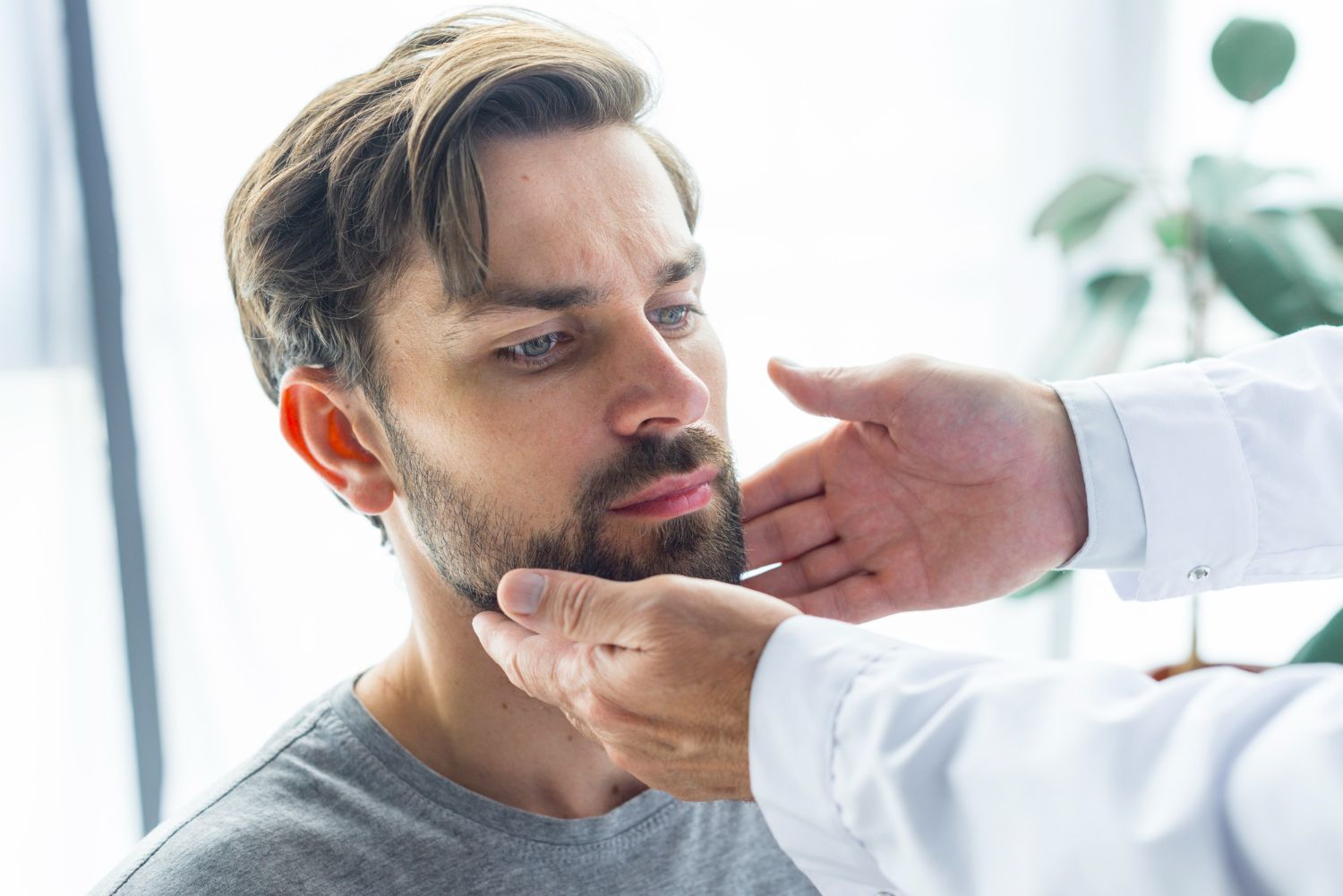
- Gentle palpation of jaw, face, and neck muscles
- Screening questions about snoring, poor sleep, or waking tired
From there, Dr. Fay and Dr. James Fay can often manage many issues directly, such as:
- Custom bite splints and night guards
- Adjusting how certain teeth meet to reduce strain
- Restorative work to rebuild worn or broken teeth
- Working with sleep physicians when an oral device may help sleep apnea
In complex cases, Dr. Fay often acts as the care coordinator. Dr. Fay helps decide if your main issue is dental, surgical, muscular, or a mix. When needed, Dr. Fay and Dr. James Fay arrange referrals to an oral surgeon or physiotherapist, so your care remains coordinated instead of fragmented.
How Dr. Fay Works with Oral Surgeons for TMJ Care
Oral surgeons focus on the structural parts of TMJ problems. Their work is aimed at bones and joints rather than teeth and bite balance. They are especially important when the joint itself is damaged or unstable.
Referral to an oral surgeon may be right if you have:
- Jaw that locks open or closed and will not move back easily
- Heavy trauma to the jaw, such as a hit or accident
- Suspected fractures or dislocations
- Possible cysts, tumors, or other growths near the joint
- Severe arthritis or joint breakdown that does not improve with gentle care
When Dr. James Fay believes an oral surgeon should be involved, Dr. James Fay prepares a thorough referral. This often includes recent imaging, detailed bite records, and notes about any splints or bite therapy already tried. That way, the oral surgeon sees the full picture and you are less likely to repeat the same tests.
A typical shared care pathway looks like this: Dr. Fay or Dr. James Fay evaluates and identifies the likely problem, the oral surgeon treats any structural joint issues, and then you return to Paget Dental. From there, Dr. Fay and Dr. James Fay focus on restoring your bite, protecting your teeth, and monitoring long-term jaw stability.
Where Physiotherapy Fits Into Complex TMJ Treatment
TMJ pain is rarely only about the joint. The muscles in your cheeks, temples, neck, and shoulders play a big role, and this is where physiotherapy can be very helpful.
Physiotherapy often works well for TMJ-related issues like:
- Muscle spasm or tight “knots” in the jaw or neck
- Tension-type headaches connected to clenching
- Neck pain that worsens with jaw use or stress
- Limited jaw opening without clear joint damage
- Posture problems that put strain on the jaw
Dr. Fay and Dr. James Fay usually suggest a physiotherapist when they see:
- Ongoing muscle tenderness despite good bite support
- Clear relief when certain muscle areas are pressed or massaged
- Pain that keeps returning even though the joint and bite look stable
In a coordinated plan, Dr. Fay and Dr. James Fay manage the bite, splints, and any needed dental work. The physiotherapist focuses on muscle release, stretching, strengthening, and posture training. All providers share updates and keep goals aligned, so your care follows one clear plan rather than several separate paths.
Complex Cases: How Dr. James Fay Coordinates Your TMJ Team
Some TMJ cases are simple, and others are not. A case is considered “complex” when there is long-standing pain, multiple failed nightguards, overlapping migraine or ear symptoms, sleep apnea, jaw locking, or a history of significant trauma.
For these patients, a quick fix rarely works for long. A private dentist in Bermuda like Dr. James Fay builds a long-term plan instead. That usually includes detailed diagnostics, steps of treatment spread out over time, and regular checks of how your bite, joints, and muscles are adapting.
At Paget Dental, Dr. Fay and Dr. James Fay use digital imaging and careful bite analysis to look for the main drivers of your pain, such as:
- Joint wear or degeneration
- Bite imbalance or unstable contact points
- Muscle overload from clenching, grinding, or posture
- Possible links to airway or sleep issues
Based on what they find, Dr. Fay and Dr. James Fay plan the order of care. They usually begin with the least invasive options, such as splints, bite adjustments, and simple dental repairs. If muscles remain a major part of the problem, Dr. Fay and Dr. James Fay bring in a trusted physiotherapist. Only when there is clear evidence of structural joint damage, and when conservative care has not helped enough, do they look at referral to an oral surgeon.
With steady follow-up and a connected team led by Dr. Fay and Dr. James Fay, even complex TMJ pain can often be brought under much better control. The goal is not just short-term relief, but a jaw that works comfortably for the long run.
Relieve Jaw Pain And Protect Your Smile Today
If you are struggling with jaw discomfort, headaches, or bite problems, we are here to help you find lasting relief. As a trusted
private dentist in Bermuda, Paget Dental combines advanced diagnostics with personalized care to address the root cause of your TMJ issues. Reach out to our team with any questions or to schedule an appointment through our
contact page.