Early TMJ Warning Signs a Dentist in Bermuda Can Actually Fix

Stop Jaw Pain Early Before It Becomes a Daily Problem
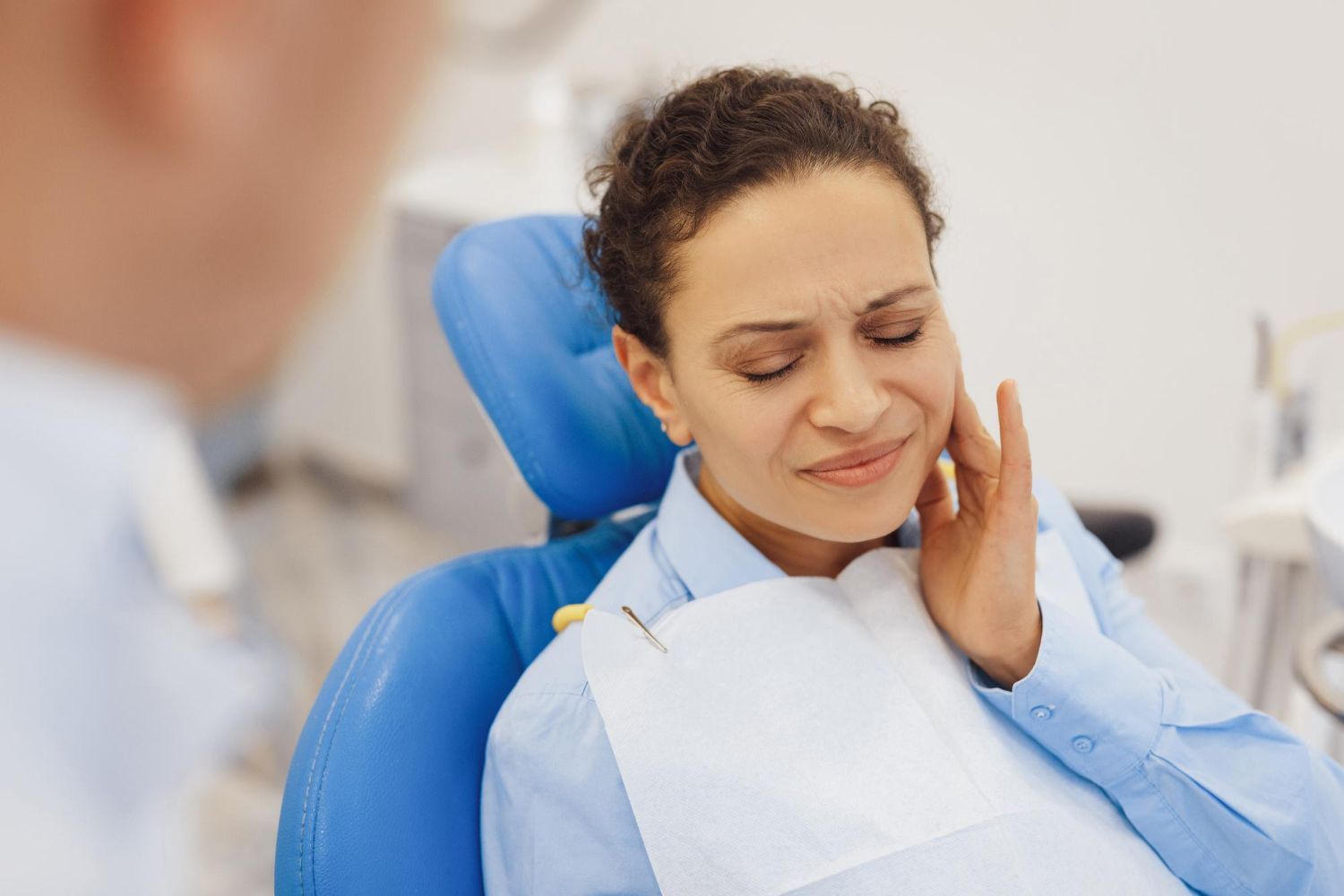
Waking up with a sore jaw, a dull headache, or a little click when you chew can feel easy to shrug off. Many people blame stress, a long day, or how they slept, and then move on. When it starts to happen again and again, it is your body trying to tell you something.
These early signs can point to trouble in your jaw joints, often called TMJ problems. When those joints are not working smoothly, they can affect how you chew, talk, and even how you sleep. If you pay attention early, you can often calm things down before they become a daily source of pain.
Seeing a TMJ specialist in Bermuda while symptoms are still mild can help protect the joints from long-term wear, prevent your bite from changing, and cut down the chances of chronic pain. At our family dental clinic in Paget Parish, we focus on the whole system, not quick fixes, so your jaw, teeth, and muscles can work together in a more natural way.
Subtle Jaw Changes You Should Never Ignore
TMJ problems do not always start with strong pain. They often sneak in as small changes that feel odd but not “serious enough” to worry about. These early clues include things like:
- Jaw stiffness when you first wake up
- Feeling like your bite is “off” some days
- Needing to slowly “warm up” your jaw before eating tougher foods
- Tiring out halfway through a meal
A tight, tired feeling around your cheeks or temples
Dr. Fay and Dr. James Fay pay close attention to these subtle shifts. When we hear that your jaw feels different from one day to the next, or that your teeth no longer meet the way they used to, it tells us your jaw joints and muscles may be working harder than they should. These problems often start before strong pain shows up.
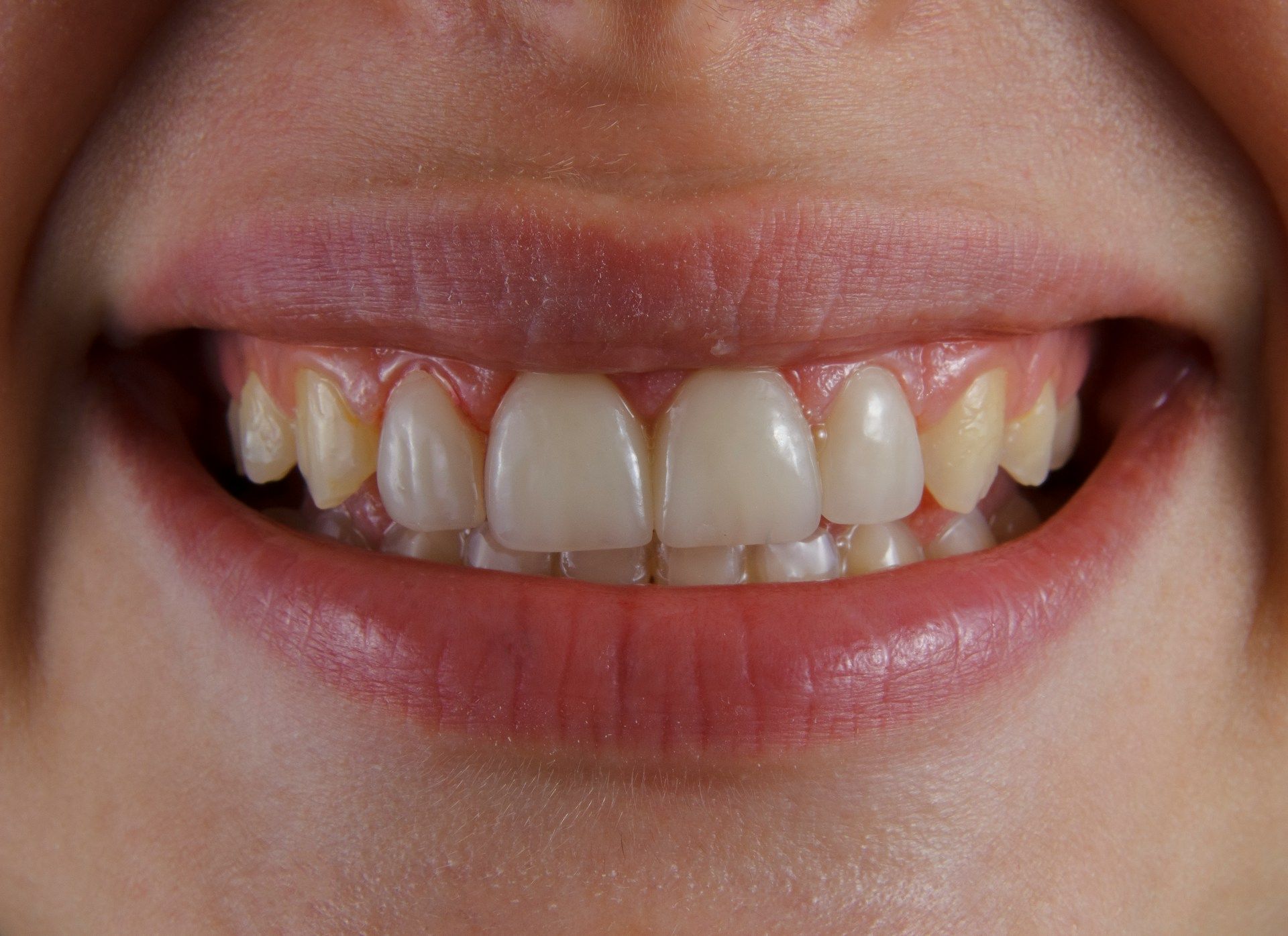
Over time, that extra strain can show in your teeth. It can lead to:
- Flattened or worn-down edges
- Tiny cracks that catch food or stain more easily
- Growing sensitivity to hot and cold
- Chips on front teeth from clenching
By catching these changes early, Dr. Fay and Dr. James Fay can step in before you need more complex restorative work. Early TMJ care can protect the enamel, reduce stress on your bite, and help your jaw move in a smoother, more relaxed pattern.
Headaches, Ear Pressure, and Neck Pain From Your Jaw
Many people do not think of the jaw when they feel pressure behind the eyes, a tight band across the forehead, or a dull ache in the neck and shoulders. It is common to see different providers for headaches or ear fullness without anyone checking how the jaw joints are moving.
The jaw is closely linked to the muscles around your head and neck. When the joints are not lined up well, or the bite is not stable, the muscles that help you chew and talk can get overworked. Tight jaw muscles can spread pain to nearby areas and cause:
- Tension headaches at the sides or back of the head
- Ear fullness or pressure without an ear infection
- Soreness along the neck and shoulders
- Facial pain around the cheeks, temples, or behind the eyes
At Paget Dental, Dr. Fay and Dr. James Fay look at the whole head and neck system. During a TMJ visit, we often:
- Watch how wide and how smoothly you can open
- Listen for clicks, pops, or grinding sounds in the joints
- Gently press on muscles to check for tender spots
- Look at how your teeth meet when you bite and slide your jaw
By putting these pieces together, Dr. Fay and Dr. James Fay can see whether your jaw joints are likely playing a role in those “mystery” headaches or neck aches. When the jaw is part of the problem, targeted TMJ care can often bring real relief.
Noisy Joints, Locking Jaws, and Tooth Grinding at Night
Some TMJ warning signs are harder to ignore. If you hear or feel a click every time you open or close, or your jaw sometimes feels like it may “catch” halfway, those are clear signs that the joint is under stress. For some people, the jaw can even lock for a few seconds or longer.
Other people notice the effects of nighttime grinding when they wake up. You might:
- Wake with sore, tight jaw muscles
- Feel like your back teeth are bruised
- Notice more wear on your teeth over time
- Hear from a partner that you grind at night
Dr. James Fay and Dr. Fay listen carefully to how your joints sound and feel during movement. Clicking or popping can be related to the cartilage disc inside the TMJ slipping or not gliding smoothly. When we see these changes early, many patients respond well to gentle, conservative care that reduces strain on that disc.
Clenching and grinding also connect closely with sleep quality and stress. If you are not sleeping deeply, you may clench harder without even knowing it. In some cases, undiagnosed sleep apnea or airway problems can push the body to grind more at night. At Paget Dental, Dr. Fay and Dr. James Fay keep an eye on these sleep and airway factors, because calming the jaw often means looking at the whole body, not just the teeth.
How Dr. Fay Builds a Gentle, Step-by-Step TMJ Plan
A TMJ-focused visit with Dr. Fay or Dr. James Fay is calm and detailed. We start by talking. We want to know:
- What you feel and when you feel it
- How long symptoms have been going on
- What makes things worse or better
- Whether you have noticed changes in your bite or sleep
After that, we carefully check your jaw joints and muscles. We may use digital imaging if needed to see the joint structure more clearly and perform a bite analysis to see how your teeth come together. Our goal is to find the simplest path that gives you the most relief with the least disruption.
Most TMJ care in our office starts with conservative, reversible steps such as:
- Custom bite splints to reduce pressure on the joints and teeth
- Gentle bite adjustments when small interferences are stressing the system
- Specific jaw exercises to support healthier movement
- Guidance on posture, chewing habits, and stress-linked clenching
Dr. Fay and Dr. James Fay prefer to start small, track your progress, and adjust as your body responds. We only suggest more advanced options if they are clearly needed, and we always explain each step so you feel informed and supported.
Protect Your Smile and Sleep with Early TMJ Care
Small warning signs like intermittent jaw pain, clicking, a shifting bite, or morning headaches are easy to ignore, but they are not “nothing.” They are early signals that your jaw joints, muscles, and teeth need attention. By addressing them early, you can lower your risk of cracked teeth, ongoing pain, and more complicated future dental work.
As a family-run clinic in Paget Parish, Paget Dental brings together the skills of Dr. Fay and Dr. James Fay in TMJ, bite, and sleep-related care. We focus on finding and treating root causes, so your jaw can move more comfortably, your teeth can stay protected, and your sleep can improve over time. Early, thoughtful TMJ care is one of the best gifts you can give your future smile.
Relieve Jaw Pain And Restore Comfortable, Confident Smiles
If jaw pain, headaches, or bite problems are affecting your daily life, our team at Paget Dental is ready to help you find lasting relief. Schedule an appointment with our
TMJ specialist in Bermuda so we can carefully evaluate your symptoms and create a treatment plan tailored to you. We will walk you through every step, answer your questions, and support you throughout your care. If you are ready to take the next step, simply
contact us to book your visit.