Dental Crown Emergencies vs. Non-Urgent Issues: When to Call the Dentist
Dental Crown Emergencies vs. Non-Urgent Issues
A problem with a dental crown can turn a normal day into a stressful one very fast. You might be getting ready to travel, heading into an important meeting, or planning a big celebration; then you feel something crack or a crown comes loose. It is easy to panic and assume the worst.
The good news is that not every crown problem is a true emergency. Some issues need help right away, while others can safely wait for a planned visit. In this guide, we will sort out the difference, share safe temporary steps, and explain what not to do so you can protect your tooth, your comfort, and your long-term dental work.
A dental crown is a custom cover that fits over a tooth or an implant. It protects weak teeth, restores broken ones, and can improve your smile. Because crowns are part of a bigger plan for your mouth, knowing when a problem is urgent helps keep that plan on track and helps your restoration last longer.
When a Dental Crown Problem Really Is an Emergency
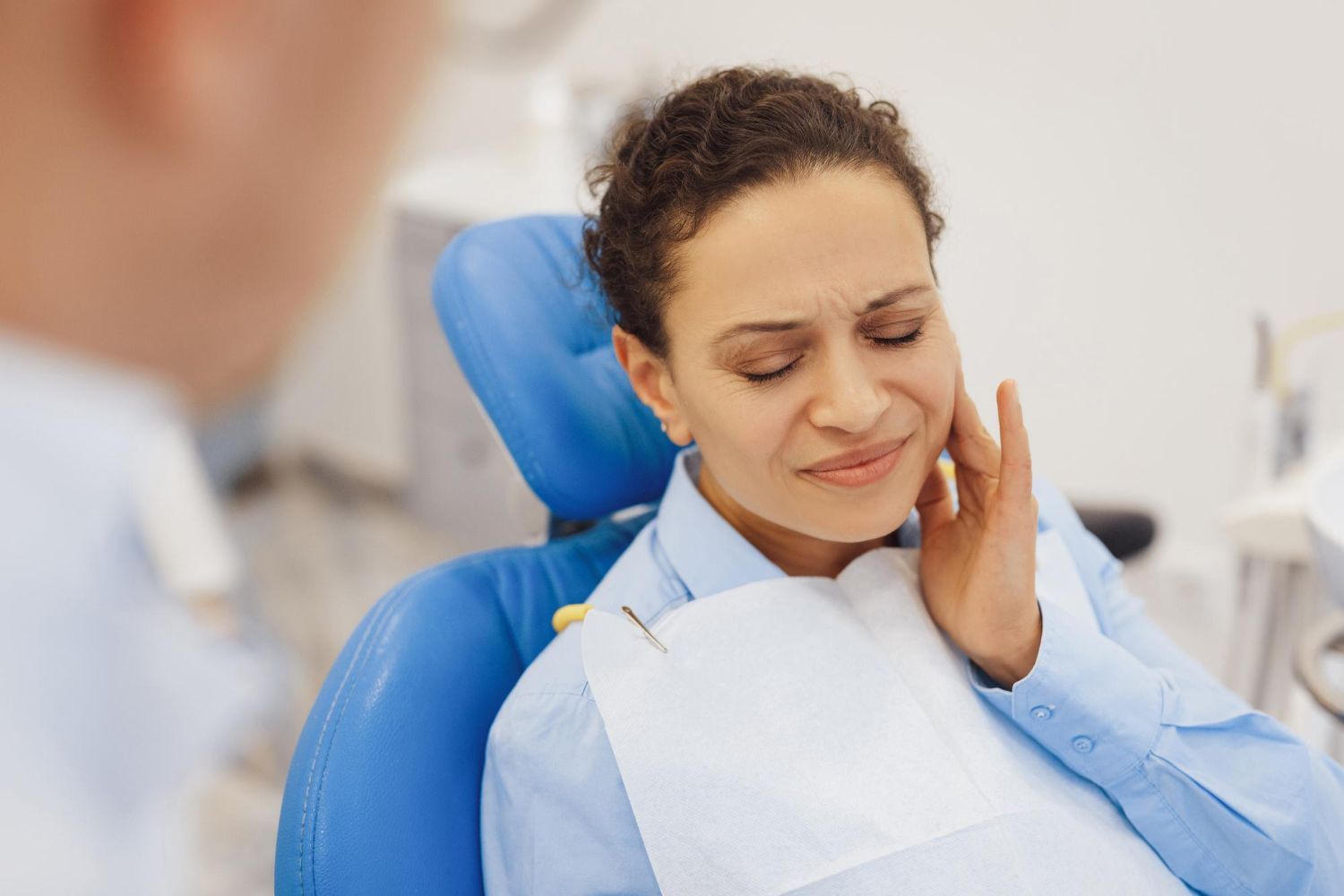
A dental emergency is not just “something feels off.” With crowns, we look at how much pain you are in, whether there are signs of infection, and if there has been trauma to the tooth or jaw.
A crown problem is usually an emergency if you notice:
- Strong, throbbing pain that keeps you awake or makes it hard to focus
- Pain that does not calm down with over-the-counter pain medicine
- Swelling in your gums, face, or jaw
- A foul taste, bad odor, or pus around the tooth, which can mean infection
- A crown or tooth broken in an accident, especially with bleeding or sharp edges
These signs matter because they can point to nerve damage inside the tooth, a growing abscess, or an infection that can spread. In some cases, the tooth can be at risk if care is delayed.
If you notice any of these, the next step is simple: contact your dentist as soon as you can. Be ready to share:
- Where the pain or problem is
- What happened just before it started
- Any swelling, fever, or trouble opening your mouth
- If the crown came off, chipped, or broke with the tooth
Waiting several days in these situations can make treatment harder and may lead to more work later.
Common Crown Problems That Can Usually Wait a Bit
Not every crown issue is an emergency. Some are uncomfortable or annoying, but they do not put your health at risk right away. These still need attention, just not always the same day.
Non-urgent crown problems often include:
- A crown that feels a little loose but is not painful
- Mild sensitivity to hot, cold, or biting that comes and goes
- A small chip in the crown that is not sharp
- A dark line at the edge of an older crown without pain
In many of these cases, it is usually okay to book the next regular appointment instead of urgent care, as long as:
- You are not in strong or constant pain
- There is no swelling or draining
- The crown is still mostly in place
- You can chew gently on the other side
These issues often develop with time. Normal wear, clenching or grinding at night, changes in your bite, or aging dental work can all play a part. Modern restorative care can help fix the crown itself and also look at the bigger picture: how your bite fits, how your jaw moves, and how your teeth work together.
People often search for “dental crowns” when something small feels off. That is smart, as long as you choose a practice that understands long-term crown care, not just quick patch jobs.
Safe Temporary Fixes Before You Reach the Dentist
While you wait to be seen, there are a few safe things most people can do at home. These steps are meant to keep you comfortable and protect the tooth, not replace real treatment.
If a crown comes off in one piece:
- Gently rinse it with clean water; do not scrub
- Rinse your mouth with warm salt water
- Keep the crown in a small, clean container so it does not get lost
In some situations, a dentist may suggest using temporary dental cement from a pharmacy to hold the crown in place for a short time. Do not do this on your own without clear advice, especially if the tooth underneath looks broken, dark, or very sensitive.
To help manage discomfort:
- Use over-the-counter pain relievers as directed on the label
- Rinse with warm salt water a few times a day
- Avoid chewing on the side with the crown
- Choose softer foods that do not need strong biting
If a sharp edge is rubbing your tongue or cheek, you can cover it with:
- Dental wax if you have it
- A small piece of sugar-free gum pressed gently over the sharp area
Remember, these tricks are temporary. Even if you feel better or the crown seems stable again, the tooth still needs to be checked. Leaving a “fixed” crown alone for too long can let bacteria seep in, lead to decay under the crown, or upset your bite.
What Not to Do When a Crown Breaks or Falls Off
When you are stressed, it is tempting to fix things yourself. Some “quick fixes” you might see online are not safe and can cause real harm.
Avoid:
- Using superglue, household glue, or craft glue to stick a crown back on
- Forcing a crown back if it does not slide into place easily
- Biting down hard to “seat” the crown
- Grinding, cutting, or filing the crown or tooth yourself
These can bring toxic or irritating chemicals close to your gums, crack the crown or tooth, or trap bacteria under a bad seal. There is also a risk of swallowing the crown or breathing it in if it slips.
Also avoid:
- Chewing hard foods, nuts, ice, or sticky sweets on that side
- Ignoring steady pain, swelling, or a bad taste while you “wait and see”
Searching for “dental crowns” is a reasonable first step when something goes wrong, but it is especially important to see a dentist who understands more complex cases, such as crowns on implants, bite and jaw joint issues, and smile rehabilitation.
Protecting Your Crown Investment with Smart Next Steps
Dental crowns are an investment in your comfort, function, and confidence. Any time something changes, even if it feels minor, it is smart to let your dentist know. Small problems are usually easier to correct than big ones.
Good habits that help protect your crowns include:
- Regular dental checkups and cleanings
- Wearing a nightguard if you grind or clench
- Avoiding opening bottles or packages with your teeth
- Being careful with very hard or sticky foods
Thoughtful planning and follow-up mean your crowns are not just “single teeth,” but part of a strong, stable bite. With a comprehensive approach that looks at implants, full-mouth repair, and jaw comfort, crowns can support a smile that looks good and feels natural for a long time.
If you are dealing with a crown issue right now or have been searching for “dental crowns” in Bermuda, the most important step is simple: get professional eyes on the problem so you can know if it is urgent, calm your worries, and keep your smile protected for the future.
Restore Your Confident Smile With Lasting Crown Solutions
If you are searching for trusted
dental crowns, we are here to help you protect and strengthen your teeth with personalized care. At Paget Dental, we carefully evaluate your smile and recommend crown options tailored to your comfort, budget, and long-term oral health. Schedule an appointment today so we can get you out of pain, restore function, and improve the appearance of your smile. Have questions before you book? Simply
contact us and our team will walk you through your options.