Sleep Apnea Oral Appliance Therapy at Paget Dental: What to Expect

Breathe Easier at Night with Custom Dental Care
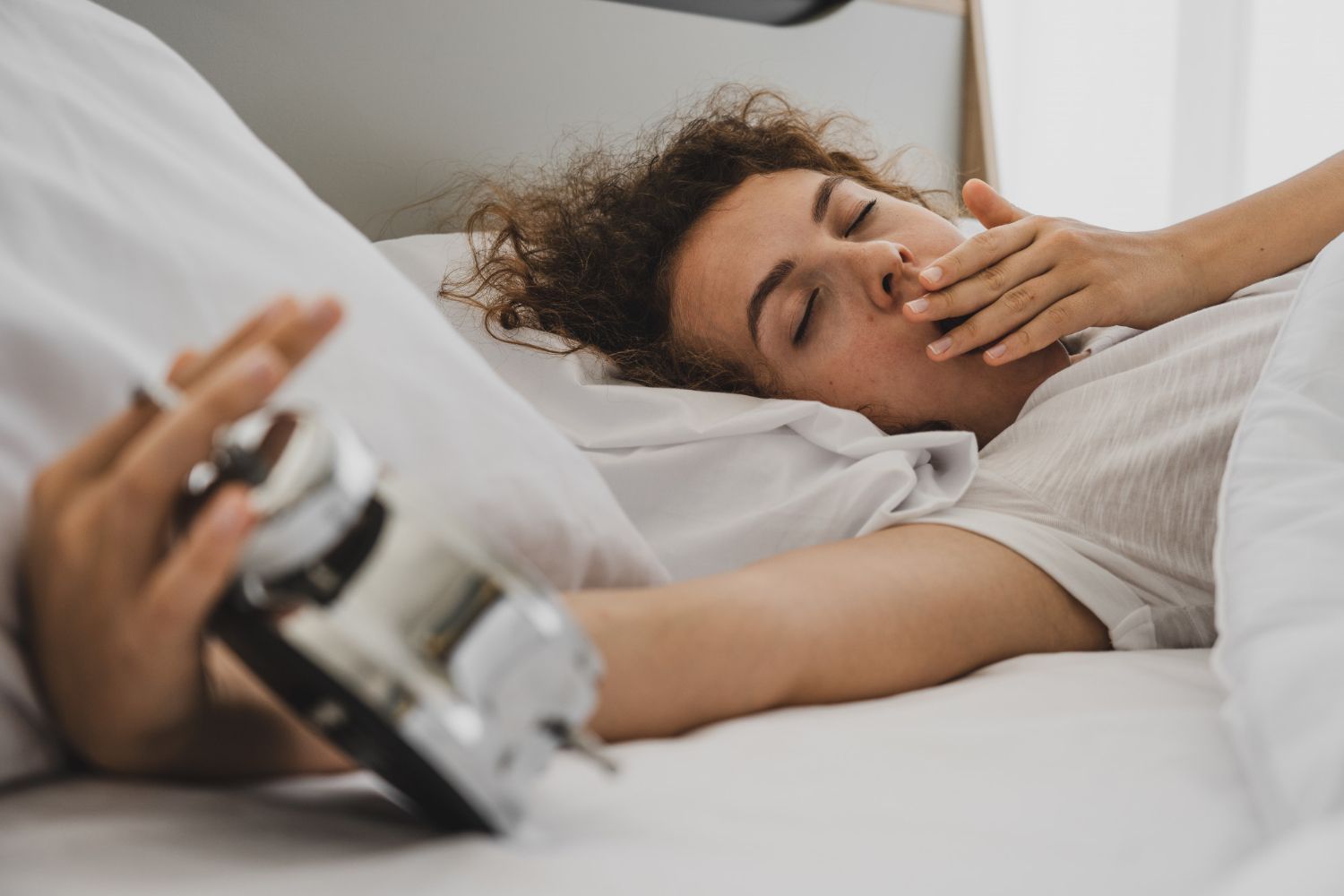
Obstructive sleep apnea happens when the soft tissues in the throat relax too much during sleep and block the airway. Breathing can stop and start many times through the night. This often leads to loud snoring, gasping, poor quality sleep, and feeling tired no matter how early you go to bed. Over time, it can affect mood, focus, and long-term health.
That is where a custom dental approach can help. Oral sleep apnea appliances are small devices that fit in your mouth while you sleep and help keep the airway open. At Paget Dental, our family team, including Dr. Fay and Dr. James Fay, offers this type of care in a relaxed, friendly setting. We will walk through what happens from your first visit to getting your appliance to follow-up adjustments, so you know what to expect at each step.
Why See a Sleep Apnea Dentist in Bermuda
A sleep apnea dentist in Bermuda focuses on how the teeth, jaw, and airway work together during sleep. While a physician or sleep doctor looks at your overall health and sleep study results, a dentist like Dr. Fay or Dr. James Fay looks inside the mouth and jaw to see if an oral appliance is a good fit for your needs.
Working with a local sleep apnea dentist in Bermuda offers some clear benefits:
- You can see Dr. Fay or Dr. James Fay for regular follow-ups without long travel
- Your dental and medical records can be shared more easily with local sleep clinics and physicians
- You have a team that understands local healthcare systems and referral paths
At Paget Dental, we focus on long-term, whole-mouth treatment planning. That means we are not only thinking about snoring or apnea tonight. We are also keeping an eye on:
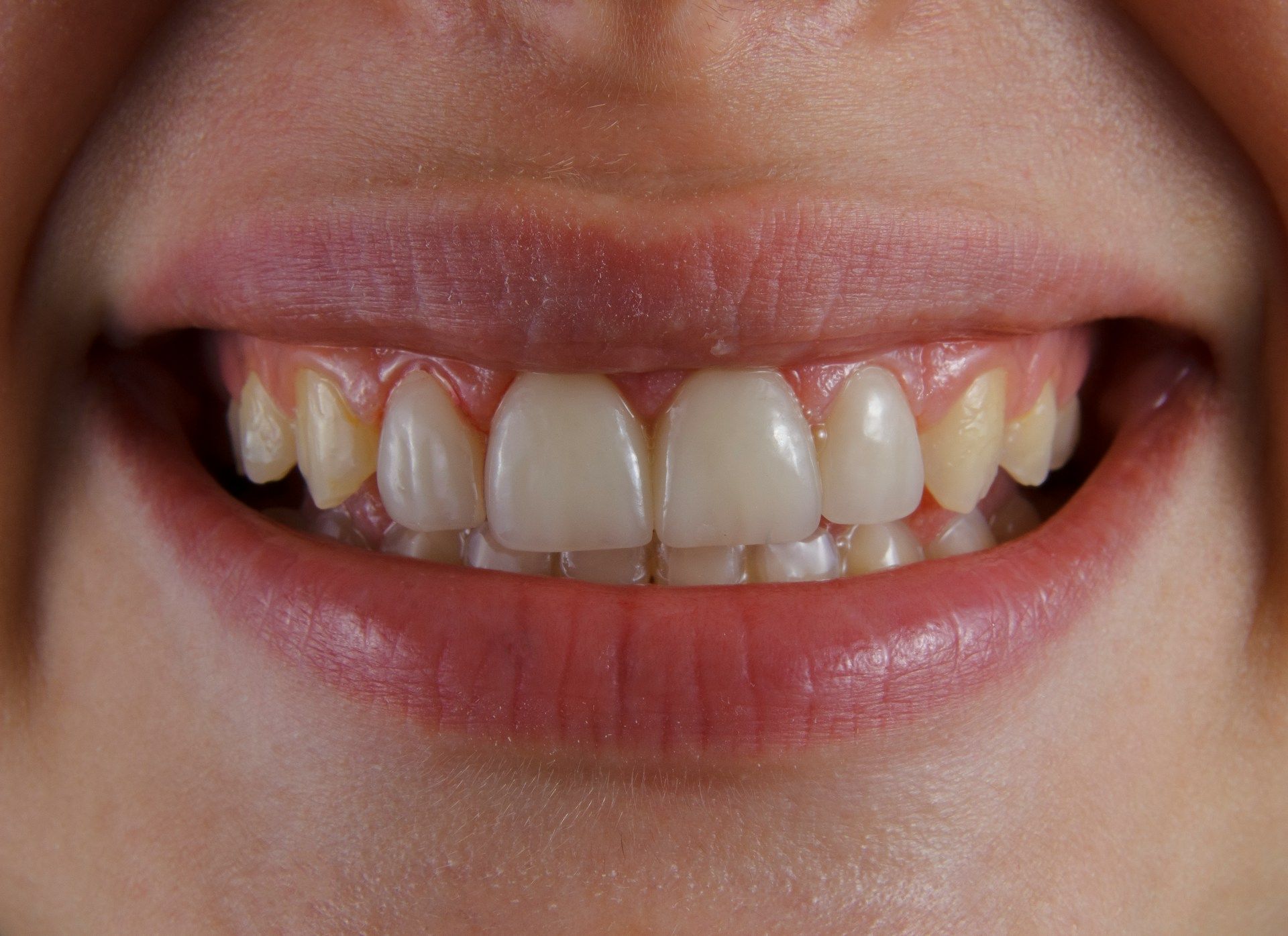
- Tooth wear from grinding or clenching
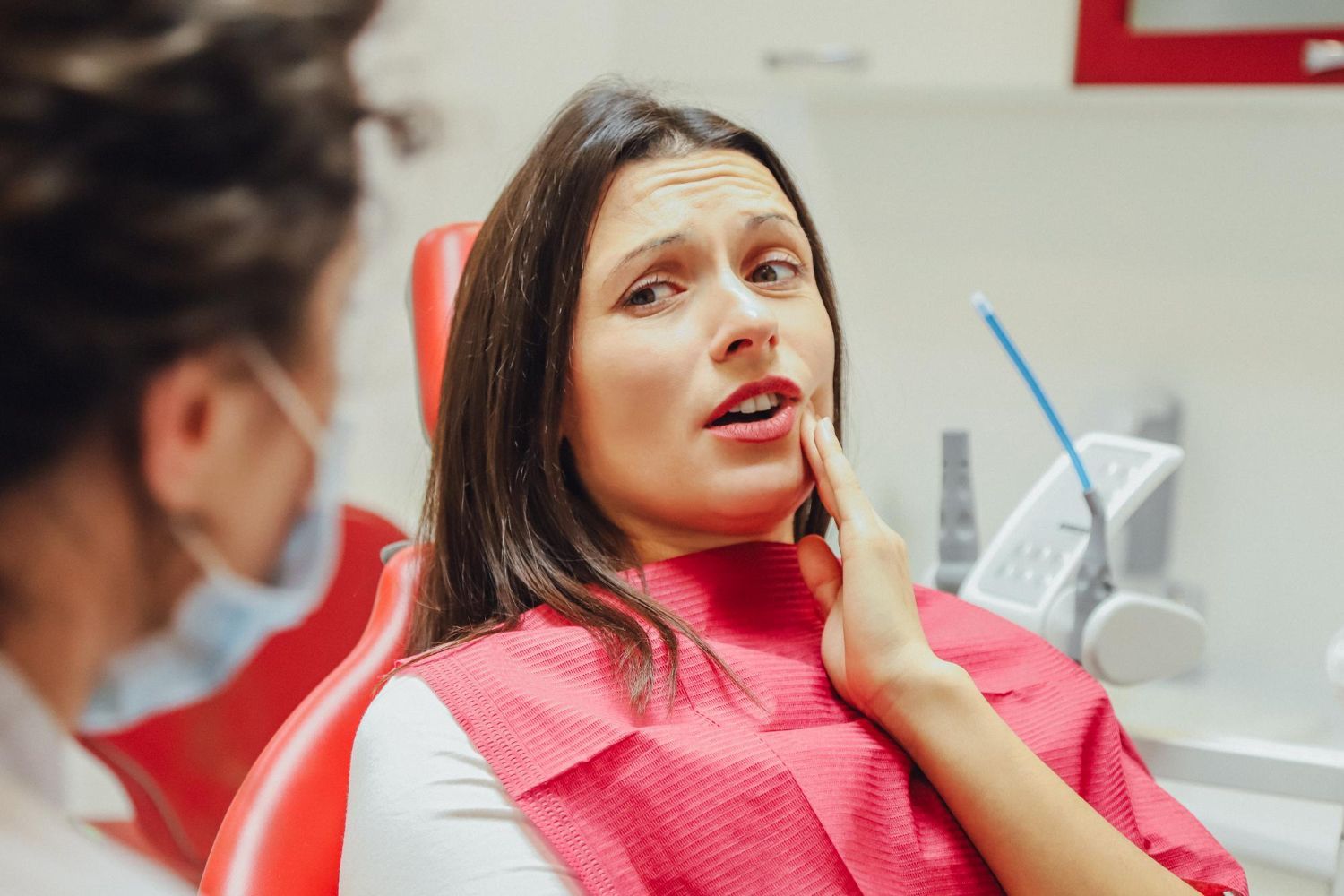
- Jaw joint comfort and TMJ concerns
- Gum health and bite balance
- How your airway might change as your mouth and jaw change
This bigger-picture view helps us plan care that supports better sleep along with a healthier mouth over time.
Your First Sleep Apnea Consultation at Paget Dental
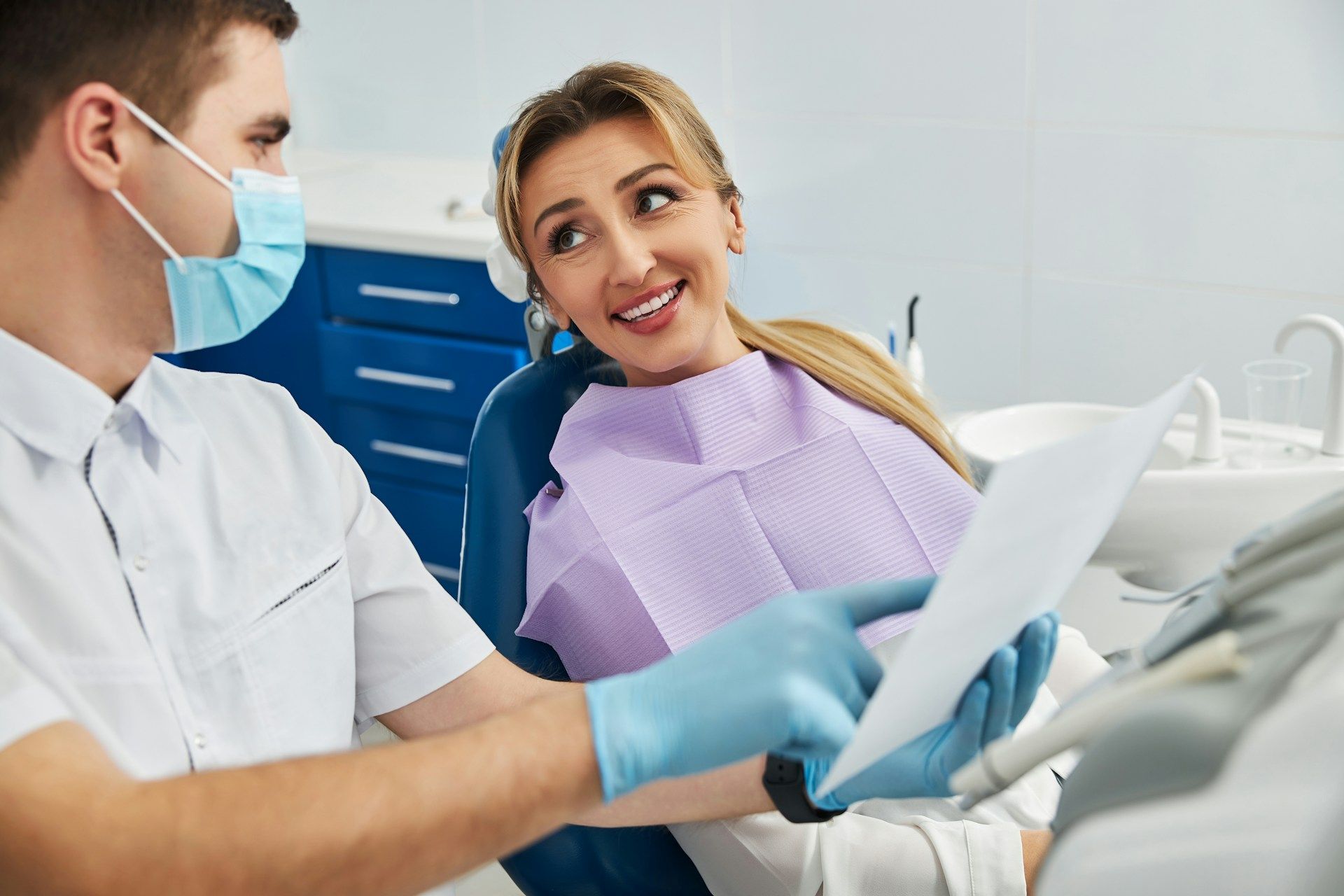
Your first visit is mostly about listening and learning. Dr. Fay or Dr. James Fay will ask about your medical and sleep history. Common topics include:
- Loud snoring or gasping reported by a sleep partner
- Waking up often at night or feeling unrefreshed in the morning
- Daytime sleepiness, trouble focusing, or morning headaches
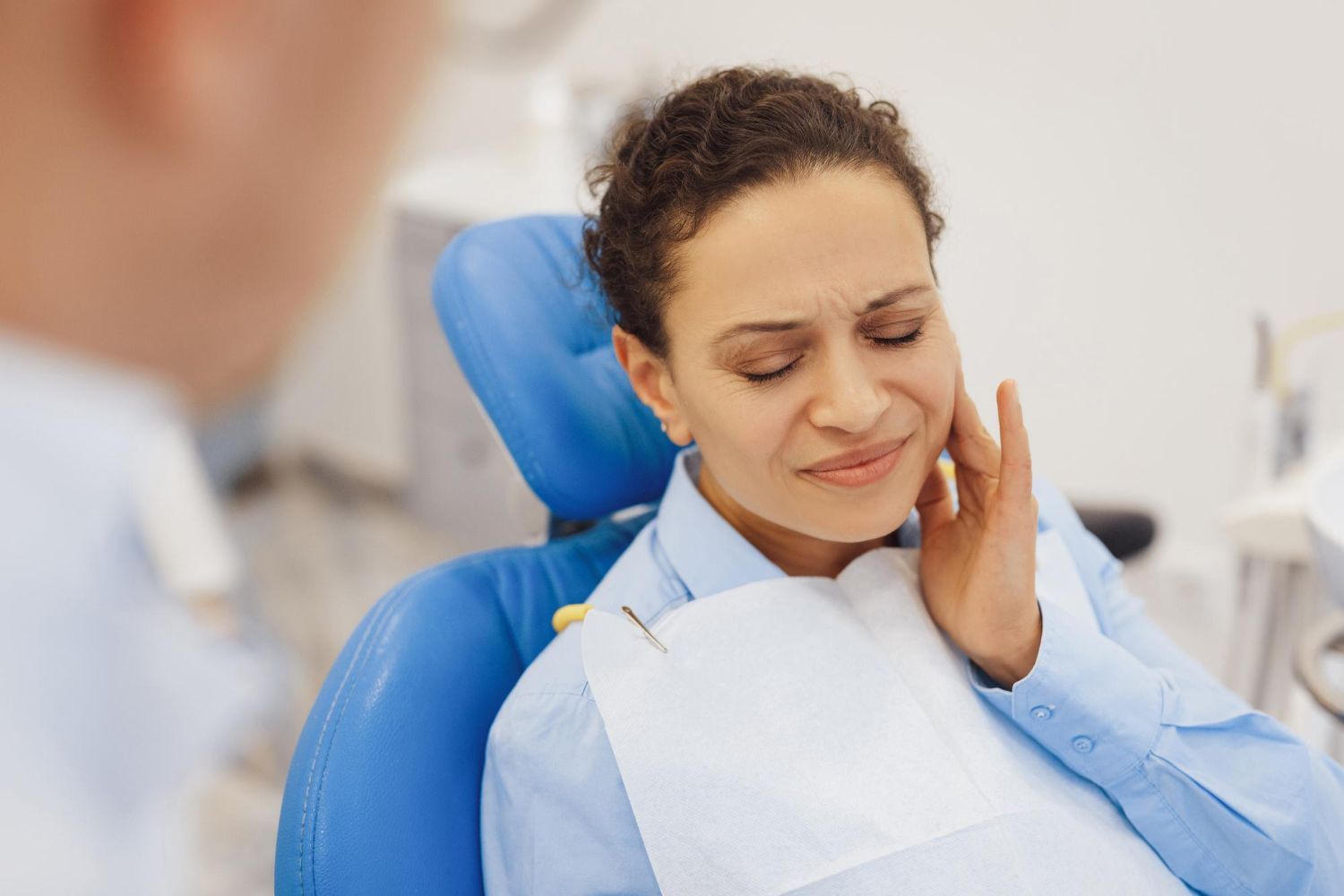
- Teeth grinding, jaw soreness, or tight neck muscles
If you already have a sleep study report, we will review it together and explain what it means in simple terms. If you have not had a sleep study yet, Dr. Fay or Dr. James Fay may talk with your physician about arranging one, since an official diagnosis needs to come from a medical provider.
During the exam, we typically:
- Look at your teeth, gums, and bite
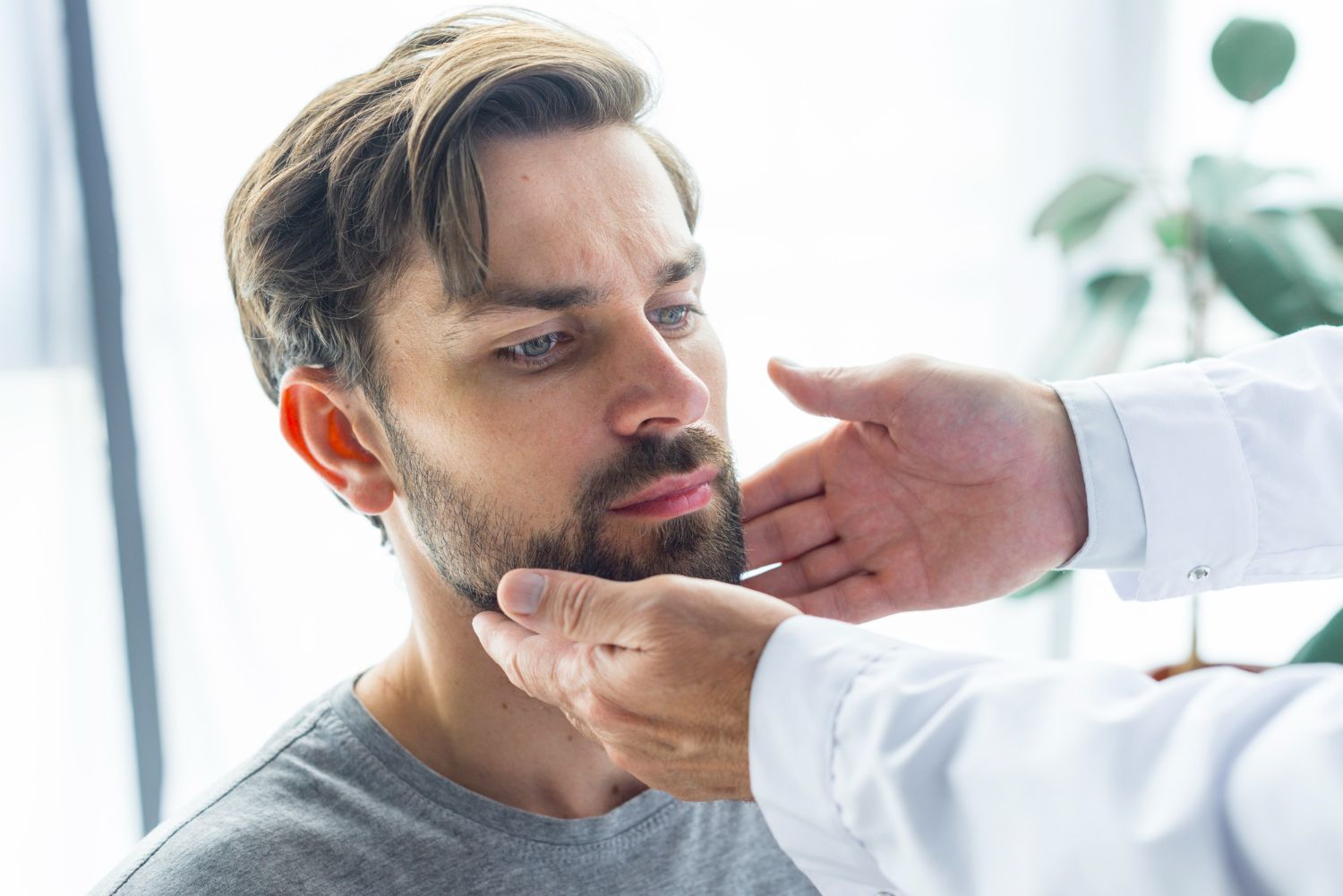
- Check your jaw joints and muscles
- Use digital imaging to see jaw position and airway space
- Take a careful bite analysis to see how your teeth meet
Based on this, we decide if an oral appliance could be a safe and helpful option. Sometimes, we may suggest working closely with a sleep physician first, or combining dental treatment with other medical care.
Customized Oral Appliance Design and Fitting
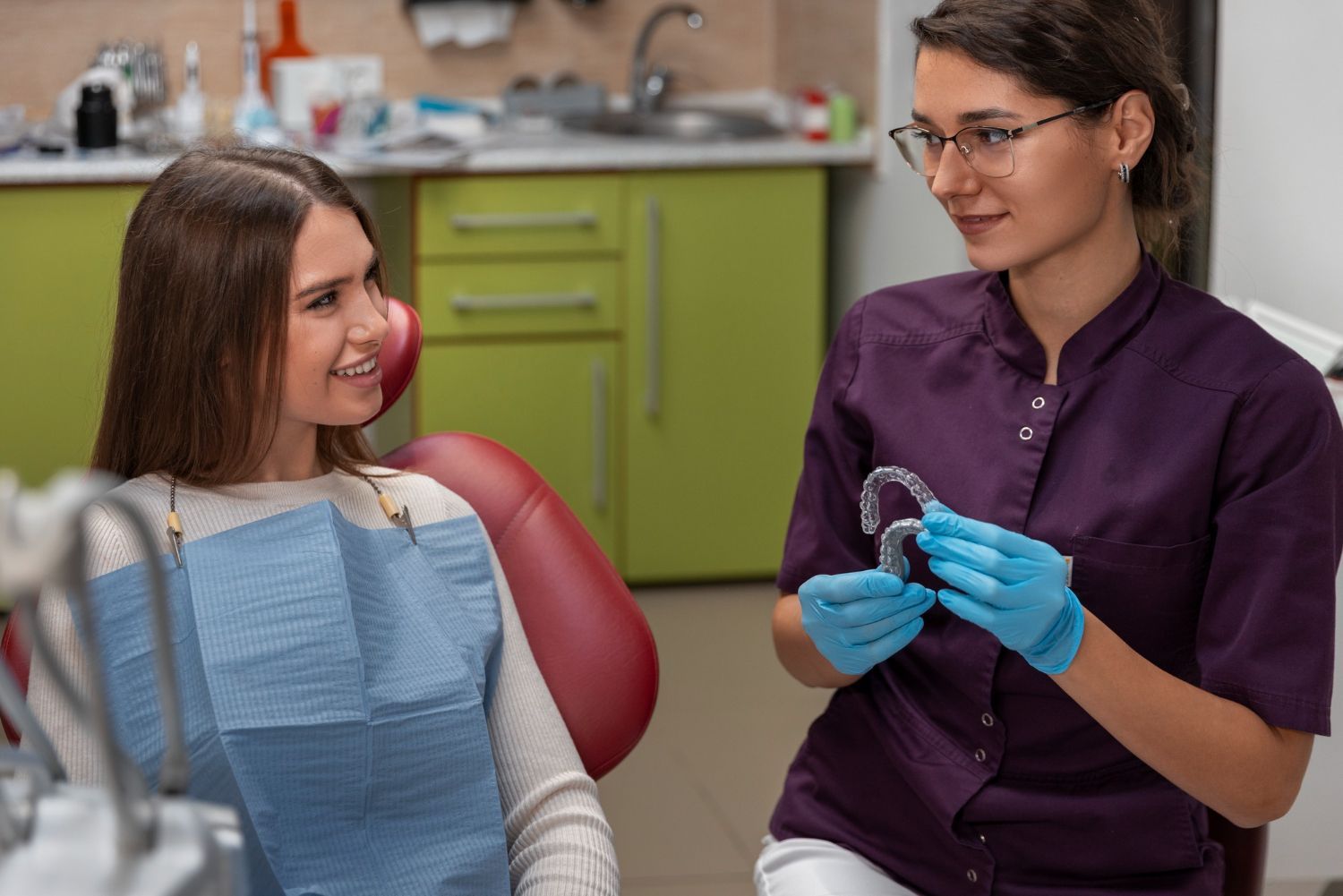
If an oral appliance looks right for you, the next step is to design it. Dr. Fay or Dr. James Fay will take digital scans or impressions of your teeth and a record of how your upper and lower teeth fit together. This helps us plan the exact position for your lower jaw or tongue while you sleep.
When choosing the style of oral sleep apnea appliance, we think about:
- Your bite and jaw shape
- Any TMJ or jaw joint concerns
- How severe your airway blockage is
- How easy it will be for you to clean and care for the device
Most appliances gently guide the lower jaw or tongue slightly forward to keep the airway more open at night. Comfort and durability are key. We want something you can wear for hours every night, not just once in a while.
At the fitting appointment, Dr. Fay or Dr. James Fay will:
- Try the appliance in your mouth and check pressure points
- Make initial adjustments for a snug but comfortable fit
- Show you how to insert and remove it
- Explain how to store and clean it each day
We will ask you how it feels and make changes right away if anything pinches or feels off.
Getting Used to Your New Sleep Apnea Appliance
The first few nights with your new appliance are an adjustment. Many people notice:
- Mild jaw stiffness in the morning
- Extra saliva when first wearing it
- Slight pressure on certain teeth
These feelings are usually temporary and tend to settle as your jaw and muscles get used to the new position. If something feels sharp, painful, or does not improve after a short time, we want you to tell Dr. Fay or Dr. James Fay so we can adjust the device.
To help you adapt, we often suggest:
- Wearing the appliance for short periods in the evening while you relax, then adding sleep time
- Keeping a simple bedtime routine so your body links the appliance with sleep
- Rinsing or brushing the appliance daily as shown by Dr. Fay or Dr. James Fay
- Following good sleep habits, such as limiting late-night screens and heavy meals
In the early weeks, we track progress by asking about snoring, nighttime waking, and how rested you feel. With your permission, we may share updates with your sleep physician so they can decide if follow-up testing is needed to check oxygen levels and apnea events.
Follow-up Adjustments and Long-Term Care
Oral appliance therapy works best with regular follow-up. In the first few months, Dr. Fay or Dr. James Fay will see you for scheduled visits to:
- Check how your jaw, teeth, and gums are responding
- Adjust the appliance forward or backward in tiny steps
- Fine-tune the fit to balance comfort and airway opening
These small changes can make a big difference in both your sleep quality and how your mouth feels in the morning. Long-term, we like to see patients on a routine schedule to:
- Check for any wear on the device
- Watch for tooth movement or bite changes
- Monitor TMJ health and muscle comfort
- Talk about any changes in health, weight, or sleep patterns
If something about your health shifts, Dr. Fay or Dr. James Fay may suggest a new sleep study, an updated appliance, or closer coordination with your medical team.
How Oral Appliances Fit with CPAP and Other Options
Oral appliances are one tool among several for managing obstructive sleep apnea. For some people with mild to moderate sleep apnea, an oral appliance on its own may be enough. For others, especially those with more severe apnea, Dr. Fay or Dr. James Fay may recommend:
- Using an oral appliance together with CPAP
- Positional therapy to avoid sleeping flat on the back
- Support from your physician for weight or lifestyle changes
We work closely with local physicians and sleep centers to help keep your care safe and consistent over time. Some people come to us because they struggle with CPAP. In those cases, Dr. Fay or Dr. James Fay will review your history carefully and, together with your sleep doctor, decide if an oral appliance is a good alternative or if a combined approach makes more sense.
Throughout the process, our focus is simple: better sleep, healthier breathing, and a plan that fits your life here in Bermuda. With clear steps from consultation to follow-up, we want you to feel informed and supported as you explore whether an oral sleep apnea appliance is right for you.
Take The Next Step Toward Restful, Healthy Sleep
If you are ready to address snoring or sleep apnea symptoms, our team at Paget Dental is here to help you find a solution that fits your life. Schedule an appointment with our
sleep apnea dentist in Bermuda to explore comfortable, noninvasive treatment options. We will review your concerns, coordinate with your medical provider when needed, and create a personalized plan to improve your sleep quality and overall health. To book a visit or ask questions, simply
contact us today.