Oral Appliance Therapy for Sleep Apnea in Bermuda: What to Expect
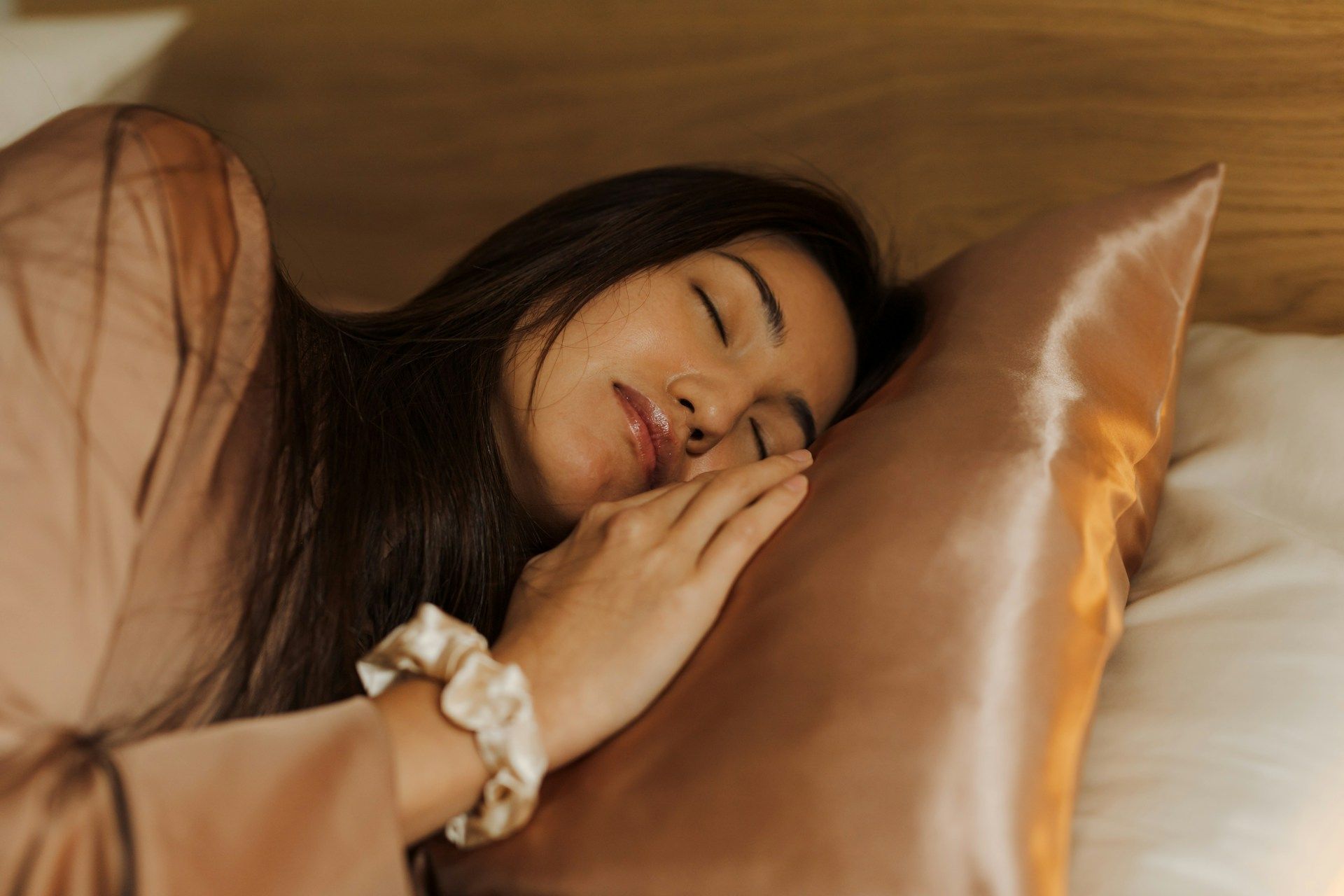
Wake up Rested with Sleep Apnea Treatment Without CPAP
Sleep apnea is a sleep problem where your breathing keeps stopping and starting during the night. You might snore, gasp, or wake up often without knowing why. Over time, this can leave you feeling drained, moody, and foggy during the day. It can also put strain on your heart and raise your blood pressure, which is not something to ignore.
Many people think CPAP is the only way to treat sleep apnea. CPAP can work very well, but not everyone can get used to a mask and a noisy machine beside the bed. Sleep apnea treatment without CPAP is possible for many people, using a small custom mouthpiece that fits over your teeth. At a dental sleep medicine visit, you can be evaluated to see whether this kind of oral appliance might be a good fit for your needs and your lifestyle in Bermuda.
How Oral Appliances Help You Breathe Easier at Night
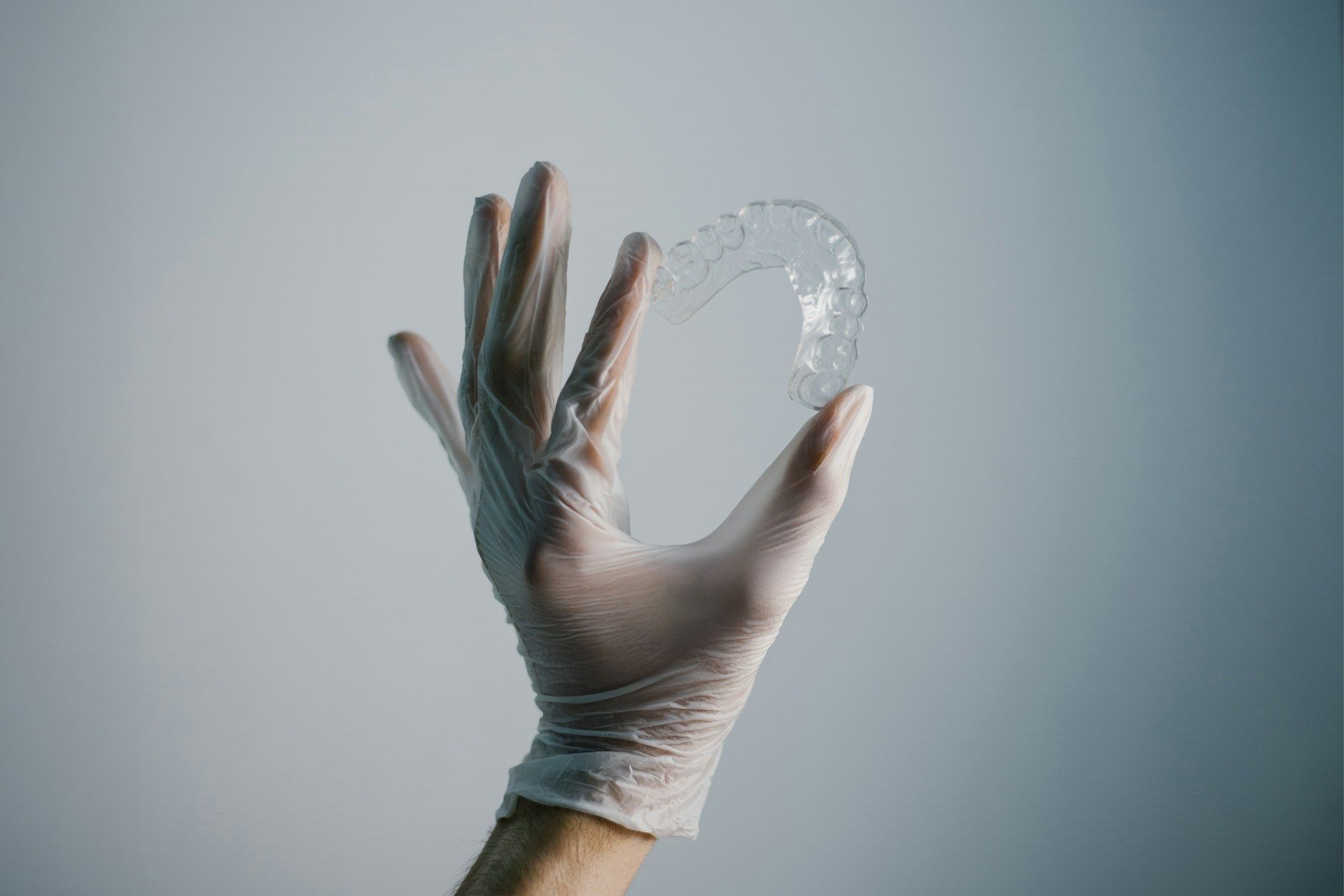
A sleep apnea oral appliance looks a bit like a sports mouthguard or an orthodontic retainer. It is worn only while you sleep. The appliance gently guides your lower jaw and tongue slightly forward so the airway at the back of your throat stays more open.
This can help with:
- Reducing or stopping snoring
- Cutting down how often your breathing stops
- Helping you wake up feeling more rested
Compared to CPAP, an oral appliance has:
- No mask on your face
- No hoses or straps
- No machine by the bed
- Easy packing for travel and sleepovers
Many people find oral appliances easier to live with, especially if they have mild to moderate obstructive sleep apnea or they mainly struggle with loud snoring. For more severe sleep apnea, a sleep physician might still recommend CPAP, or a mix of CPAP and an oral appliance in some cases.
Good candidates for sleep apnea treatment without CPAP often:
- Have been told they snore or stop breathing at night
- Feel sleepy during the day, even after a full night in bed
- Have tried CPAP and cannot tolerate it, or do not want a machine
A proper medical diagnosis is important so you know how severe your sleep apnea is and what level of treatment is safest.
What to Expect at Your First Dental Sleep Medicine Visit
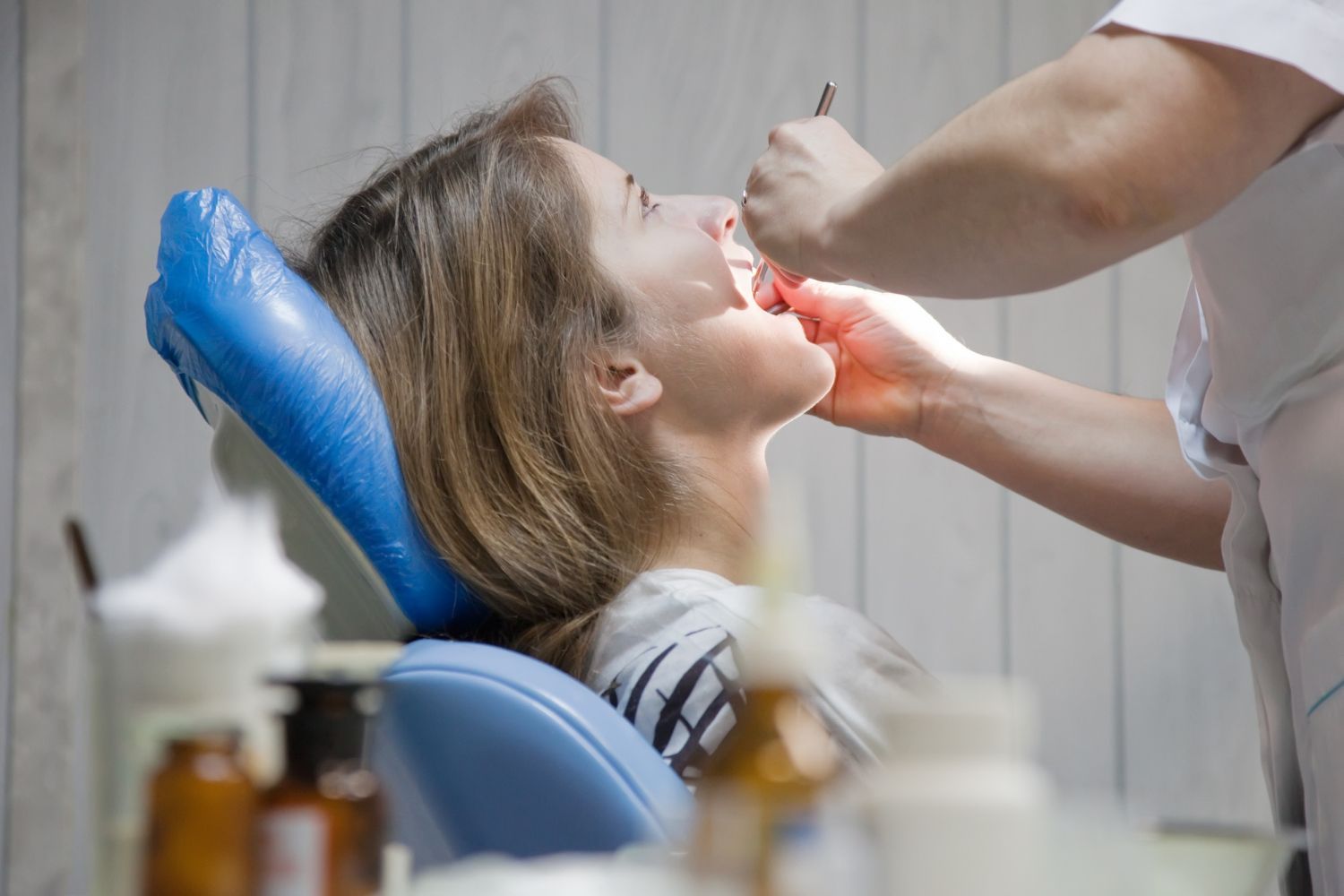
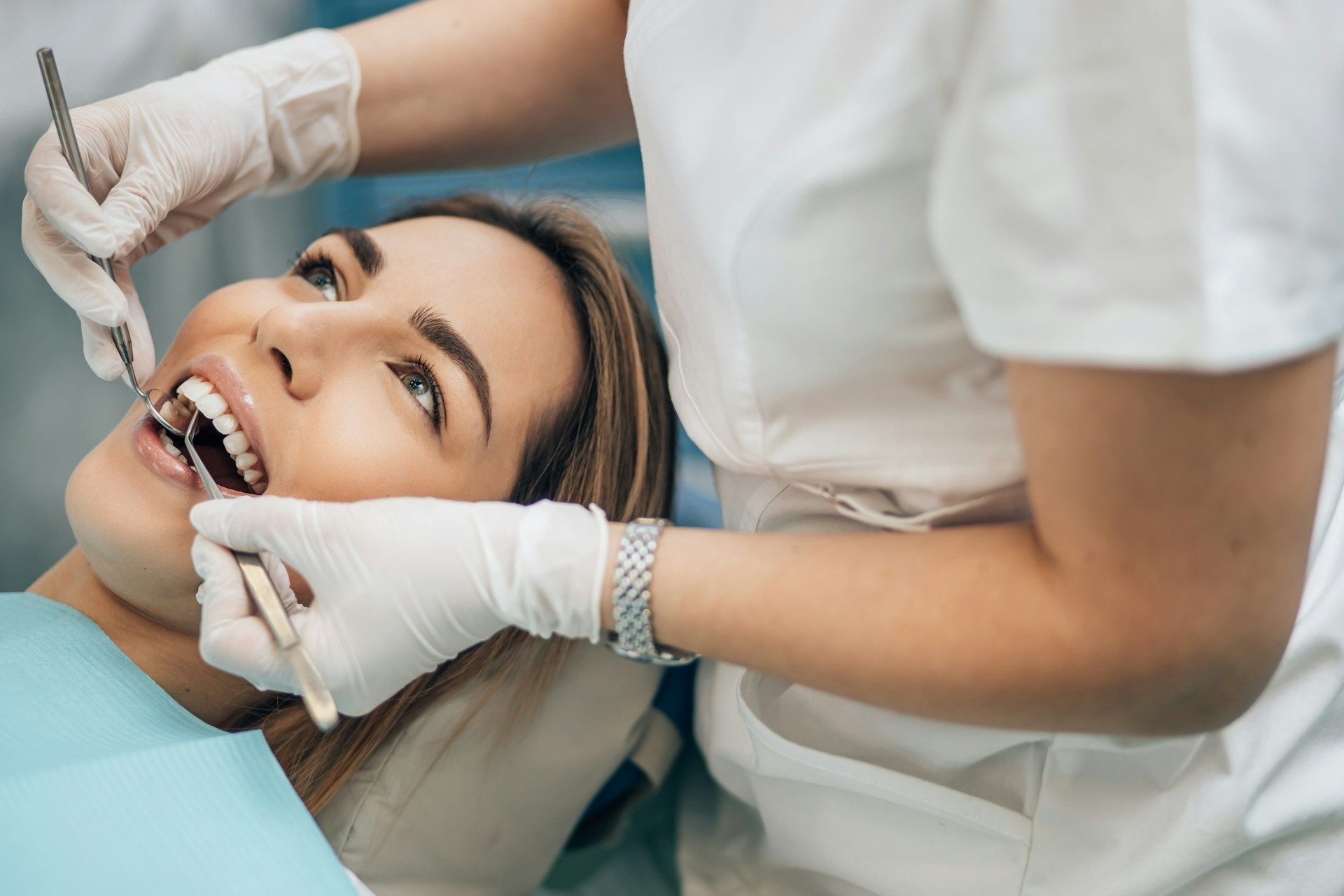
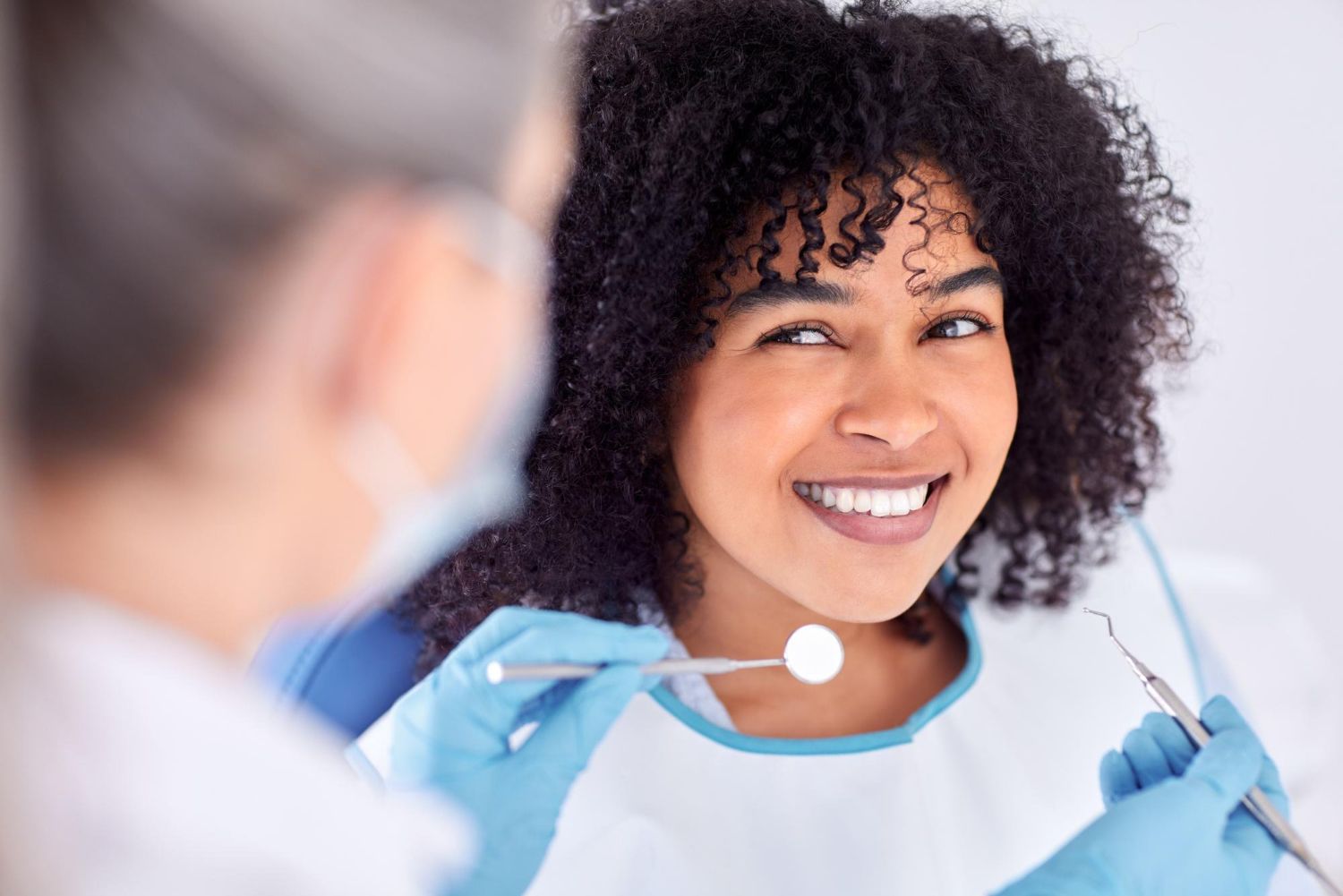
Your first visit for dental sleep medicine is mostly about getting to know your health and sleep story. At Paget Dental, we start with a relaxed conversation and a careful exam so we can understand your symptoms and your goals.
We usually:
- Review your medical history, medications, and any current health issues
- Talk about your sleep: snoring, gasping, waking up at night, morning headaches, and daytime fatigue
- Look at any past sleep studies or reports from a physician
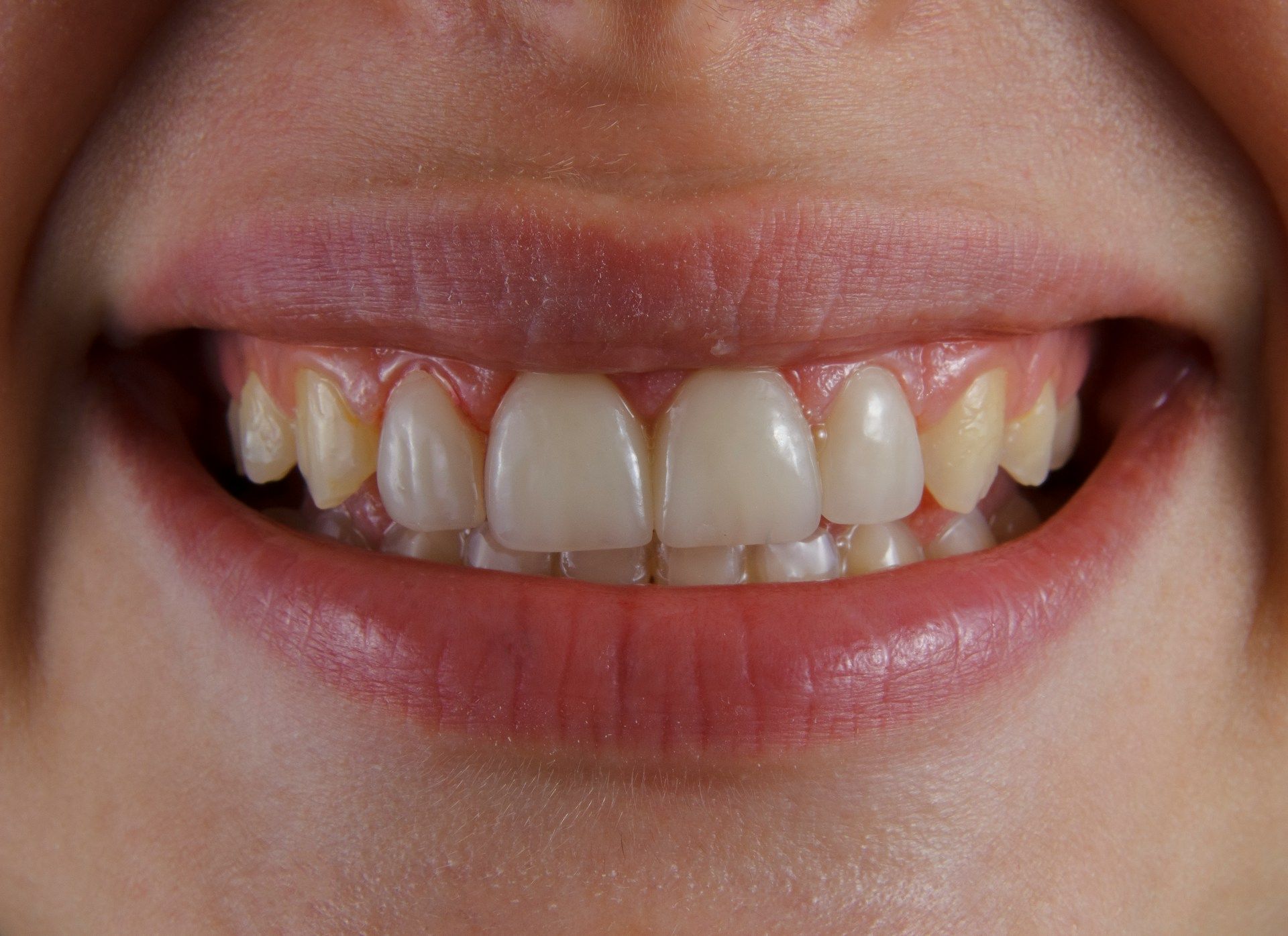
- Examine your teeth, bite, tongue, and the way your jaw moves
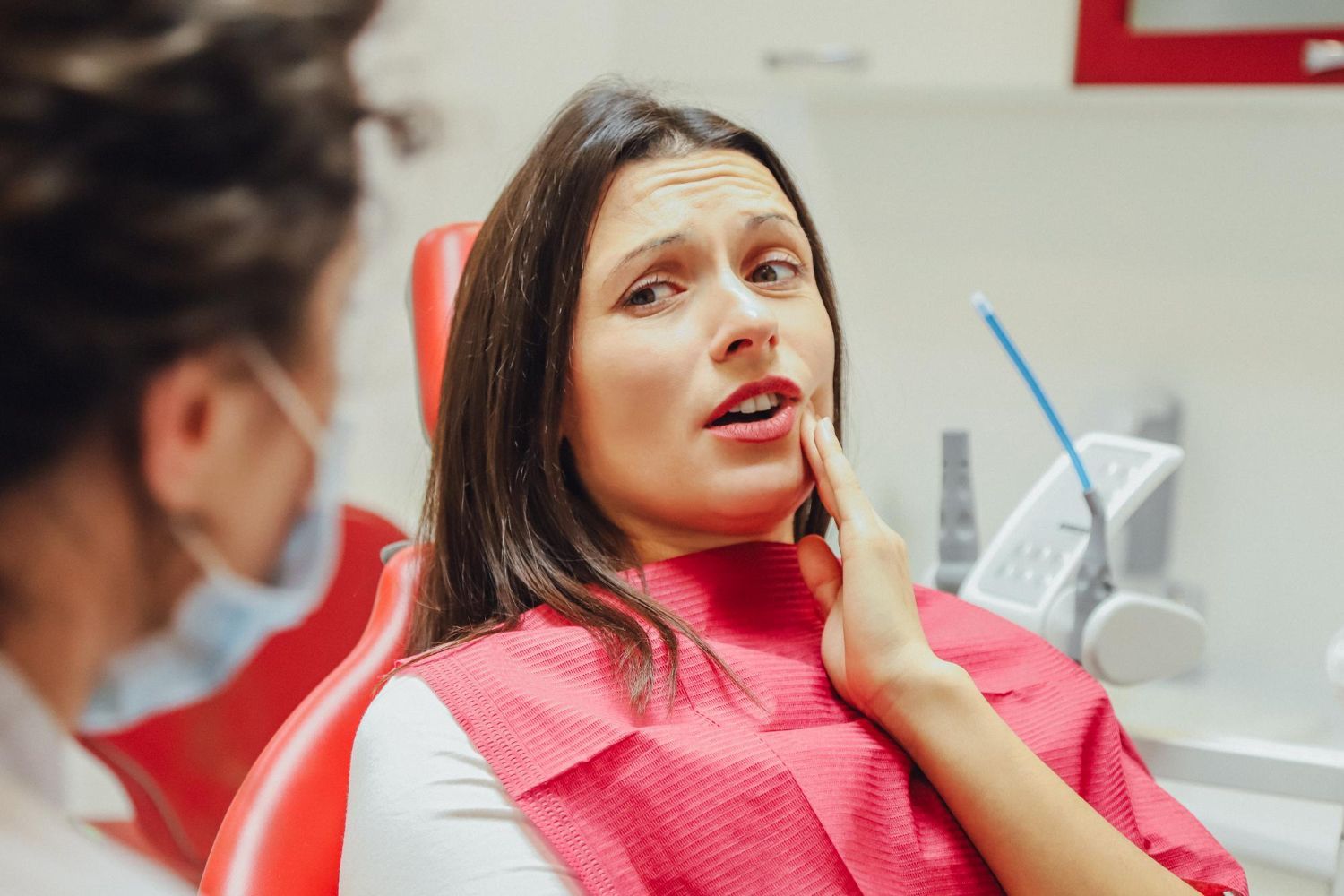
- Screen for TMJ problems like jaw clicking, popping, or pain
Sleep apnea is a medical condition, so a sleep physician needs to make the official diagnosis. If you already have one, we look at your sleep report and work with your doctor’s recommendations. If you have not had testing yet, we may suggest you speak with a sleep physician for a study at home or in a sleep lab before moving ahead.
To get the most from this first visit, it helps to bring:
- A list of your current medications and health conditions
- Copies of any sleep study results or sleep doctor notes
- Notes on your symptoms, like how often you wake or how sleepy you feel
We then talk through whether an oral appliance might be a safe option for you, what kind of results you can expect, and how the process works here in Bermuda.
Custom Fitting Your Sleep Apnea Oral Appliance
If an oral appliance looks like a good fit for your situation, the next step is to design it just for you. This is not a one-size-fits-all device from a store. It is custom made to match your teeth, your jaw, and your sleep apnea needs.
The design process usually includes:
- Digital scans or impressions of your teeth
- A record of how your upper and lower teeth meet
- Measuring how far your lower jaw can move forward comfortably
Based on your bite, the shape of your mouth, and your sleep apnea severity, we choose an appliance style that is adjustable and safe for your jaw joints. Once the lab has made your device, you come back for a fitting visit.
At the fitting, we:
- Check that the appliance fits closely but comfortably
- Adjust how far your lower jaw is brought forward
- Show you how to put it in and take it out the right way
- Teach you how to clean and store it
The first few nights can feel a bit strange. Some people notice:
- Mild jaw or tooth soreness
- Extra saliva
- Slight pressure on the teeth
These feelings are usually short-term and often settle as your mouth gets used to the appliance. We are here to guide you through this period and make small changes if needed so you can stick with treatment.
Follow-Ups, Results, and Long-Term Care
Follow-up visits are a key part of safe sleep apnea treatment without CPAP. Your jaw and teeth can shift slightly over time, and your sleep needs can change too. We want to make sure your appliance stays effective and comfortable.
Early on, we may see you a few times to:
- Tweak the jaw position for better breathing
- Check your teeth, gums, and jaw joints
- Talk about how you are sleeping and how you feel during the day
To track results, we pay attention to:
- Changes in snoring, especially from a bed partner’s point of view
- Daytime sleepiness, focus, and morning headaches
- Any new or lingering jaw discomfort
Your sleep physician might also suggest a follow-up sleep test while you use the appliance. This can show how much your breathing has improved and whether your treatment needs any changes.
For long-term care, we go over:
- Daily cleaning steps to keep the device fresh
- How to store it safely when not in use
- What to watch for, like cracks, looseness, or changes in your bite
Regular dental and TMJ checks help keep your teeth, gums, and jaw healthy while you keep wearing your appliance year after year.
Understanding Costs, Insurance, and Overall Value
Sleep apnea oral appliance therapy has several parts that can affect the overall cost. These usually include the first consultation and exam, the custom appliance itself, the fitting visits, and follow-up care over time. The type of appliance and how complex your case is can also play a role.
Coverage can vary. In some situations:
- Medical insurance may help if you have a documented sleep apnea diagnosis from a physician
- Dental insurance may cover certain dental parts of care, depending on your plan
- A clear written report from your sleep doctor can support any insurance claims
At Paget Dental, we understand that sleep apnea treatment is an investment in your health and quality of life. Better sleep can mean more steady energy, less stress on your heart and blood pressure, and fewer nighttime disruptions for your partner. For many people, a small oral appliance also feels easier than traveling with CPAP equipment and setting up a machine in every new place.
By choosing care close to home in Bermuda, you have the benefit of ongoing support from a team that knows you, your bite, and your sleep history, and can adjust your treatment as life changes.
Wake Up Rested With Comfortable Sleep Apnea Relief
If you are tired of struggling with a CPAP machine, we invite you to explore how our customized dental solutions for
sleep apnea treatment without CPAP can help you breathe and sleep more comfortably. At Paget Dental, we carefully evaluate your airway, bite, and sleep history so we can design an oral appliance that fits your needs and lifestyle. To schedule a consultation or ask questions about your options, simply
contact us and our team will guide you through the next steps.