What Your TMJ Pain Reveals About Your Bite Alignment

When Jaw Pain Is Really a Bite Problem
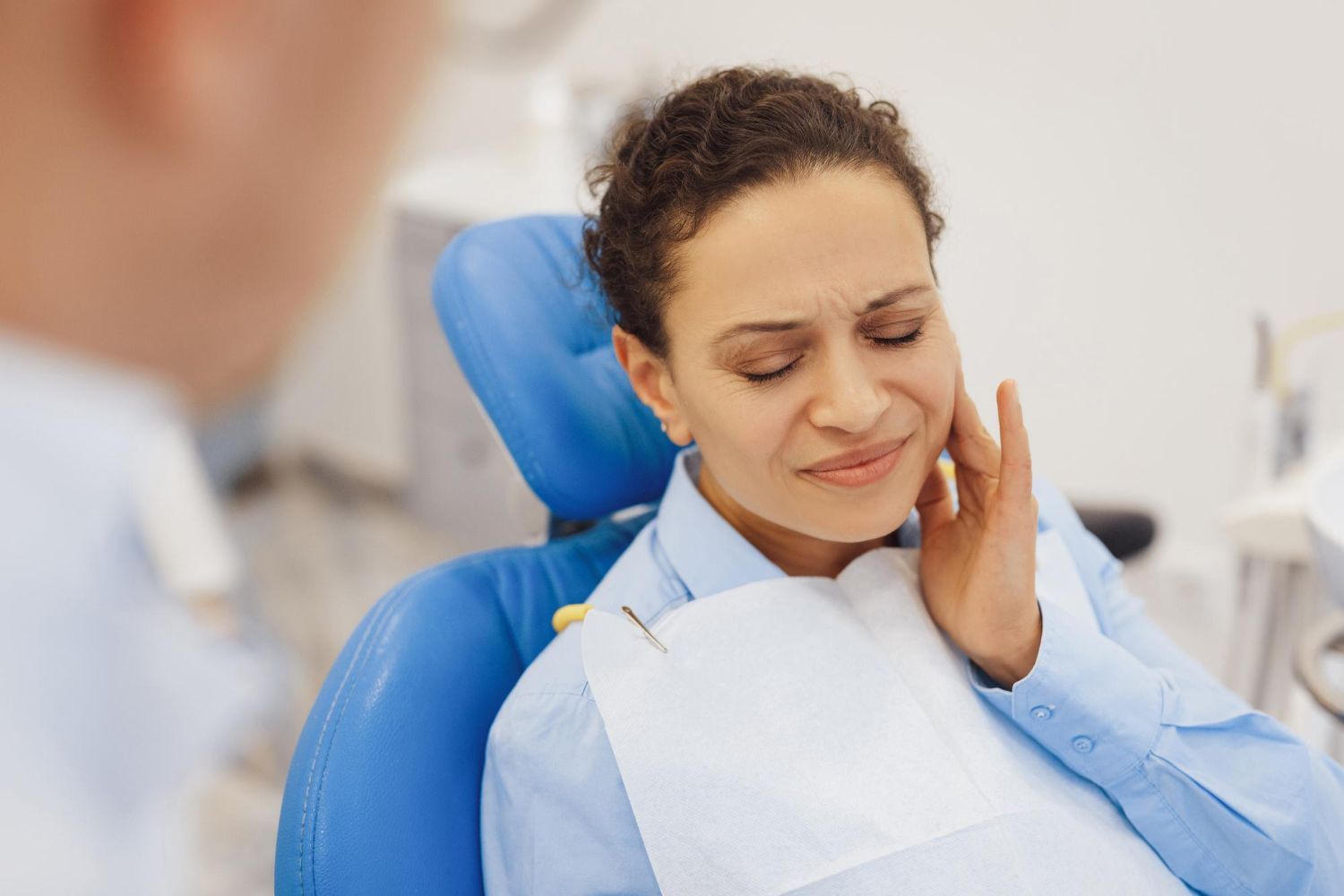
Jaw pain, clicking, headaches, and ear fullness can make simple things like chewing or talking feel tiring. Many people blame stress, long workdays, or sleeping funny. They try painkillers, soft diets, or a basic night guard and hope it goes away.
When these symptoms keep coming back, there is often more going on. They can be signs that your bite and your jaw joints are not working together the way they should. Instead of only treating the pain, it helps to look at how your teeth, jaw joints, and muscles are lining up and moving every day.
At our family practice in Bermuda, we see how often TMJ pain connects to bite alignment. Once people understand that link, they can move from short-term fixes to care that aims at the real cause of the problem.
How Your Bite Affects Your TMJ Joints
Your TMJ, or temporomandibular joint, is the small but powerful joint in front of each ear. These joints act like hinges and sliders at the same time. They let your jaw move up and down, side to side, and forward and back so you can talk, chew, and yawn.
For the TMJ to stay comfortable, three things need to work together:
- Teeth that meet in a stable, even way
- Joints that sit in a healthy, supported position
- Muscles that do not have to overwork to make the bite fit
When your bite is not balanced, your jaw has to twist or shift to bring your teeth together. This can happen with:
- Teeth that hit harder on one side than the other
- Big overbites or underbites
- Crossbites where upper and lower teeth do not match
- Missing teeth that make the bite collapse in certain areas
That extra effort puts strain on the TMJ. The joints may sit slightly out of their best position. Muscles around the face, head, and neck have to pull harder to guide the jaw. Over time, this can lead to:
- Soreness in the jaw joints
- Clicking or popping when you open or close
- A feeling like the jaw catches or gets stuck
- Trouble opening wide or chewing tougher foods
So what starts as a “bite issue” can end up feeling like a joint and muscle problem. Until the bite is back in balance, the TMJ often keeps getting irritated.
Silent Clues Your Bite Is Out of Alignment
Not everyone with a bite problem has loud clicking or sharp jaw pain. Many signs are quiet and easy to miss at first. You may only notice small changes in your teeth or how your mouth feels.
Some subtle dental clues include:
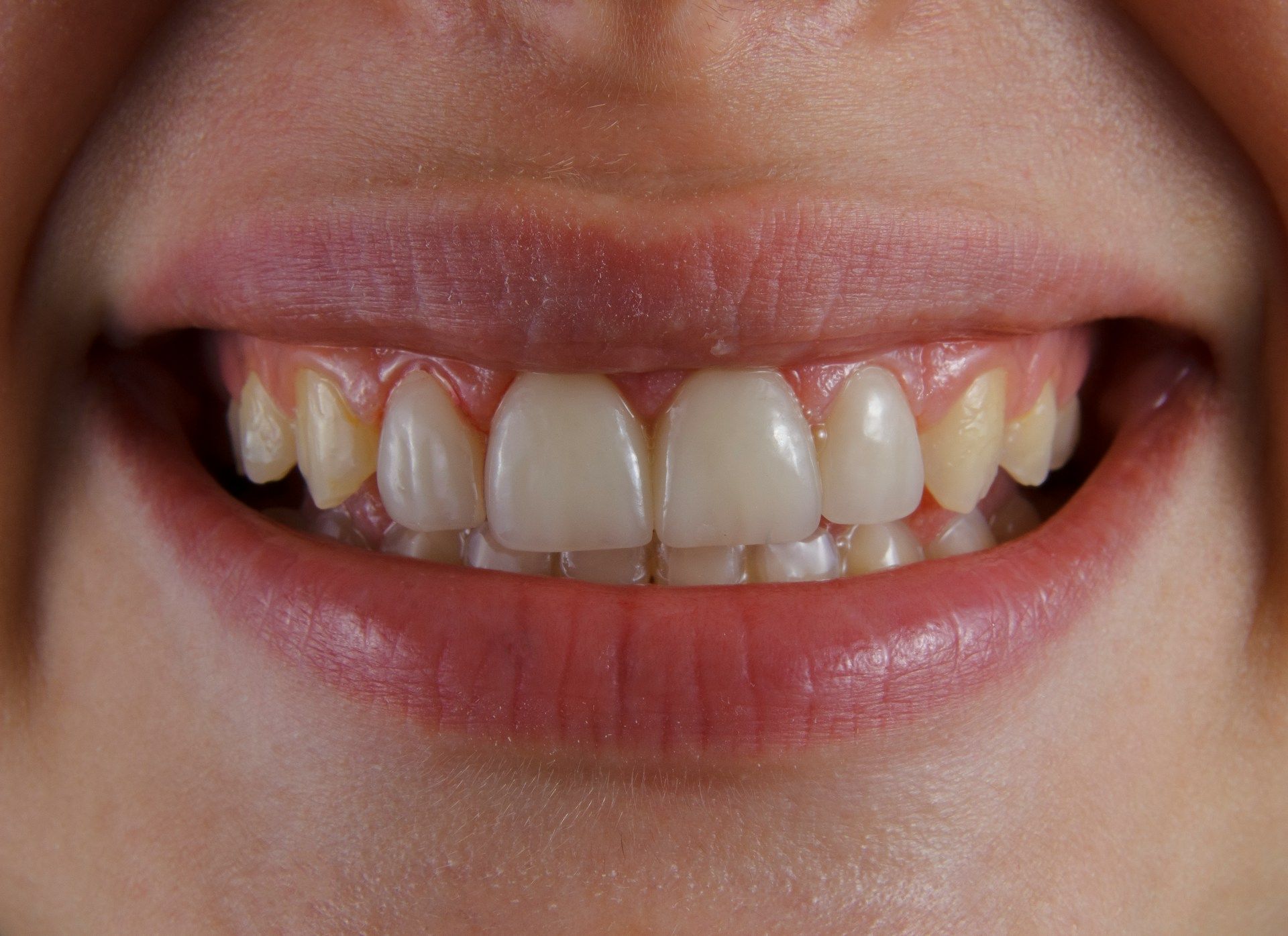
- Uneven tooth wear, where some teeth look shorter or flatter
- Chipped or cracked edges on front or back teeth
- Gum recession in certain spots from extra pressure
- Feeling like one side does more chewing than the other
There are also body clues that do not feel “dental” at all:
- Tension headaches, especially at the temples or behind the eyes
- Tightness in the neck and shoulders
- Facial fatigue, as if your cheeks or jaw feel tired by evening
- Earaches or a feeling of fullness, without an ear infection
Many people who search “TMJ treatment” are really dealing with a bite that has been slowly wearing down their joints and muscles over years. Because these signs build little by little, it is easy to blame screens, sleep, or stress. A careful dental checkup can connect the dots and show how they fit together.
Modern TMJ Diagnostics That Go Beyond a Quick Look
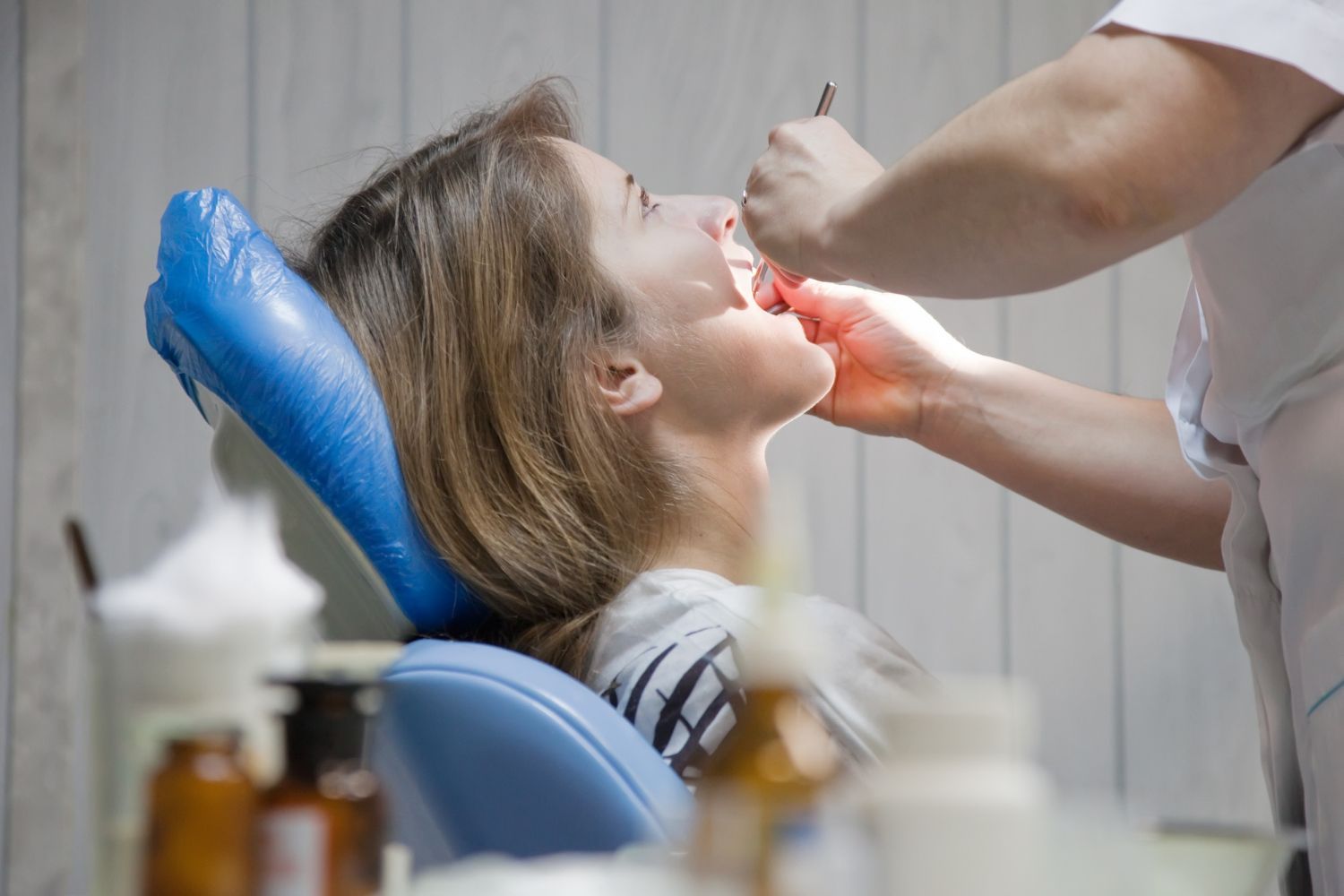
A fast glance at the teeth is not enough to understand TMJ problems. A good evaluation should feel detailed and thoughtful. We want to know not only what hurts, but also how your whole chewing system is working.
A thorough TMJ and bite exam often includes:
- A careful look at how your teeth come together in different positions
- Gently feeling the jaw muscles to check for tight or tender areas
- Testing how far and how smoothly your jaw opens and closes
- Talking through your medical and dental history, including habits like grinding
Modern tools can make this even clearer. Digital bite analysis and 3D imaging help us see how the teeth, joints, and muscles all interact in real time. We can spot tiny imbalances that might be hard to see with the eye alone.
This type of diagnosis matters because not all jaw pain is the same. Some problems are mostly muscle tension and can ease with gentle support. Others involve the joint itself or the way the teeth hit. When we understand which parts are involved, we can choose treatments that match the real cause instead of guessing with random splints or guards.
Treatment Options That Correct the Cause, Not Just the Pain
Once we find out how your bite and TMJ work together, we can talk about ways to calm things down and protect your joints over time. We usually start with conservative options that aim to guide the jaw into a more balanced position.
These may include:
- Custom orthotic appliances to support the jaw in a healthier place
- Small bite adjustments to even out high spots on teeth
- Gentle exercises to relax and stretch tight jaw muscles
- Advice on jaw-friendly habits, like avoiding very hard or sticky foods
In some cases, the bite has changed so much that the teeth themselves need rebuilding. This might involve:
- Restoring worn teeth so they support the bite again
- Adjusting tooth positions with orthodontic care
- Replacing missing teeth with options such as implants to stop the bite from collapsing
People who search “TMJ treatment” are usually tired of living around their pain. A personalized plan that considers your joints, bite, and muscles together can help you chew, talk, and smile with less strain and more confidence.
Take the Next Step Toward a Comfortable Bite
Jaw discomfort and daily headaches are not just “part of getting older” or something you must push through. When simple home remedies have not brought relief, it is often a sign that your bite and TMJ need a closer look.
At Paget Dental, our family team is committed to understanding the full picture of your mouth, from your teeth to your joints and the muscles that connect them. By addressing bite alignment instead of only chasing symptoms, you can protect your teeth from future damage, lower your risk of sudden dental emergencies from worn or broken teeth, and enjoy a more stable, comfortable smile for years to come.
Relieve Jaw Pain And Protect Your Smile Today
If jaw pain, headaches, or bite problems are disrupting your life, we are here to help you find lasting relief. Our team at Paget Dental will carefully evaluate your symptoms and create a personalized plan using trusted options for
TMJ treatment. To schedule an appointment or ask questions about your symptoms, simply
contact us. Let us help you restore comfort, protect your teeth, and get back to enjoying your daily routine.