Early Warning Signs Your Dental Crown Is Failing
Do Not Ignore These Early Crown Failure Clues
A dental crown is like a strong cap that covers a weak or damaged tooth. It is meant to protect the tooth, help you chew, and keep your smile looking good for many years. When a crown is working well, you should almost forget it is there.
Crowns rarely fail all at once. Most of the time, they send little warning signs first. These signs can be easy to brush off, especially if you are busy or not in serious pain yet. But catching problems early can save your tooth and keep you out of a dental emergency.
Our team focuses on long-term, relationship-based care, so we pay close attention to these early clues. With advanced technology, we can often spot issues long before they turn into a broken crown or a toothache that keeps you up at night. If you have been searching for dental crowns and you live in Bermuda, learning these early signs can help you know when it is time to get things checked.
How Long Dental Crowns Should Really Last
Crowns are designed to last for many years. With good care, they can often stay in place for a very long time. That said, some crowns wear out faster if they are under a lot of stress or not cleaned well.
A few key factors affect how long a crown lasts, such as:
- Bite forces from chewing tough foods
- Grinding or clenching, especially at night
- Daily brushing and flossing habits
- The type of crown material
- How well the crown fits and is placed on the tooth
Even if your crown is older and feels fine, it still needs regular checks. Tiny cracks, leaks at the edge, or decay under the crown are usually invisible at home. With professional exams and digital images, we can see what your eyes cannot, and catch issues before you feel pain.
Subtle Pain and Sensitivity You Should Never Ignore
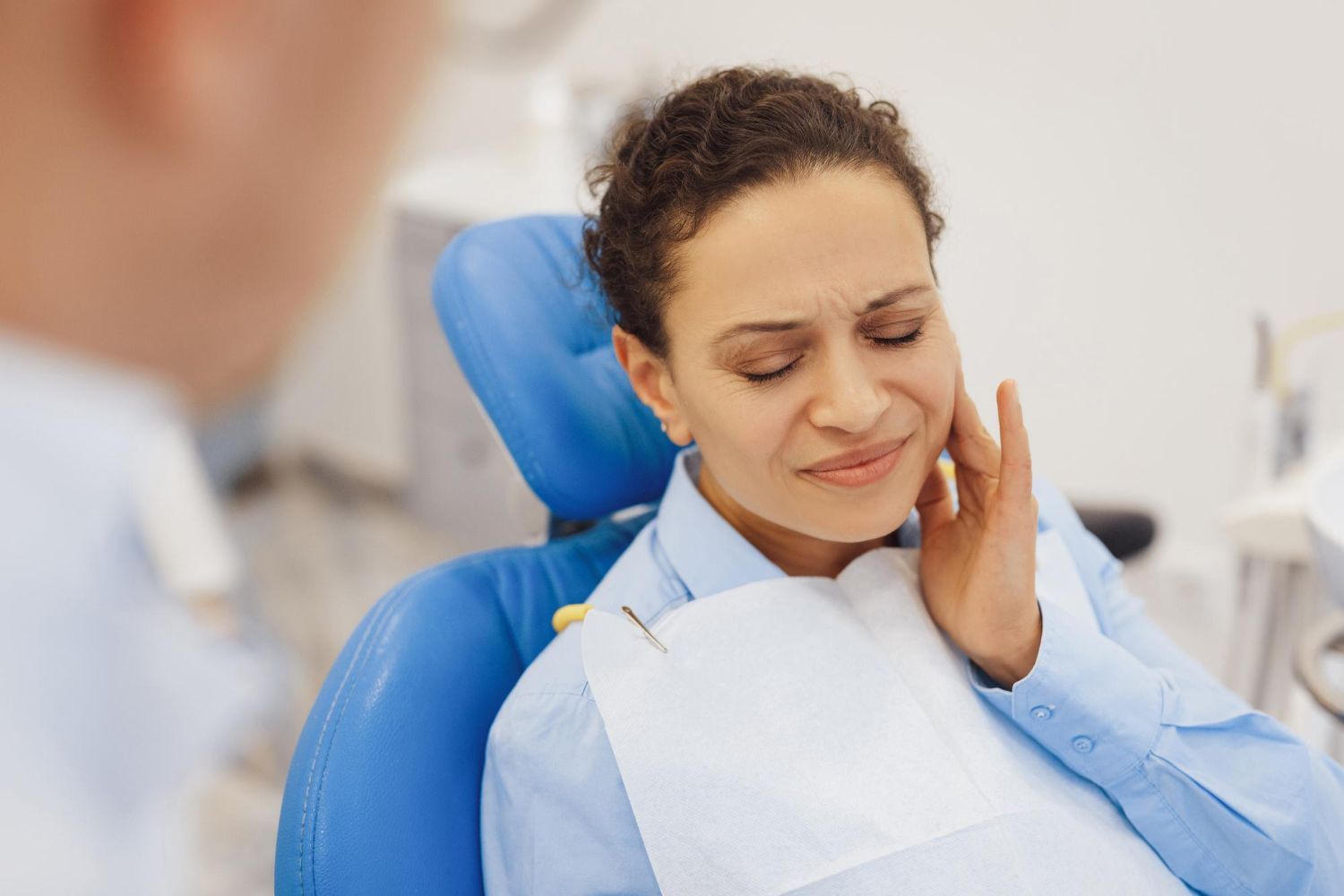
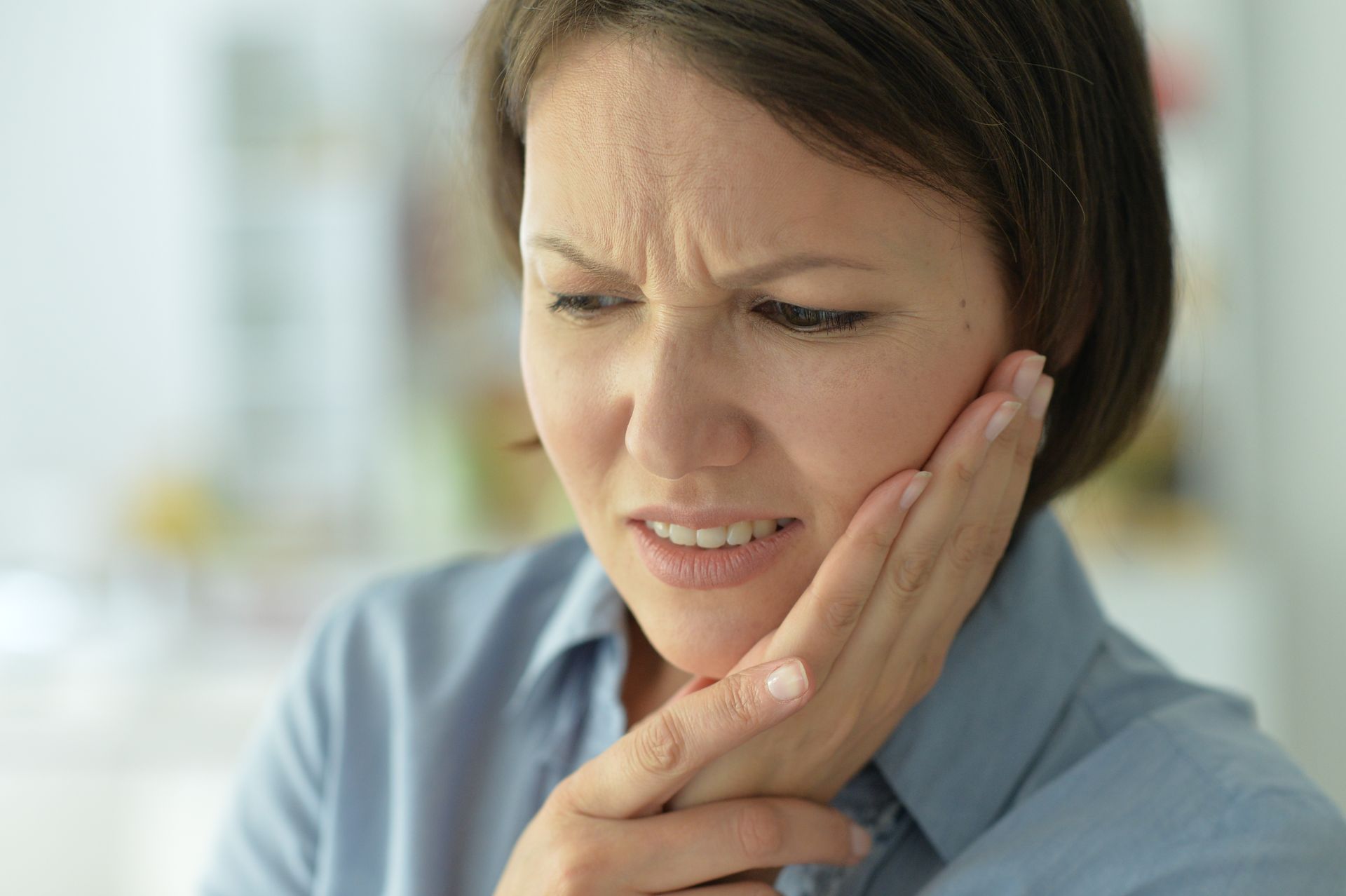
One of the first signs of crown trouble is a change in how the tooth feels. It might not be sharp pain at first. Instead, you may notice a mild ache when you chew on that side or a quick twinge when you drink something hot or cold.
Pay attention if you notice:
- New sensitivity to hot or cold on a crowned tooth
- A dull ache when biting or chewing
- A sharp sting when eating something sweet
- A feeling that the crowned tooth is “different” than before
These symptoms can point to several problems. There might be decay sneaking in under the edge of the crown. The crown could be slightly loose, which allows bacteria to slip between the crown and the tooth. Sometimes the tooth under the crown can crack, or your bite can shift and start putting too much pressure on that area.
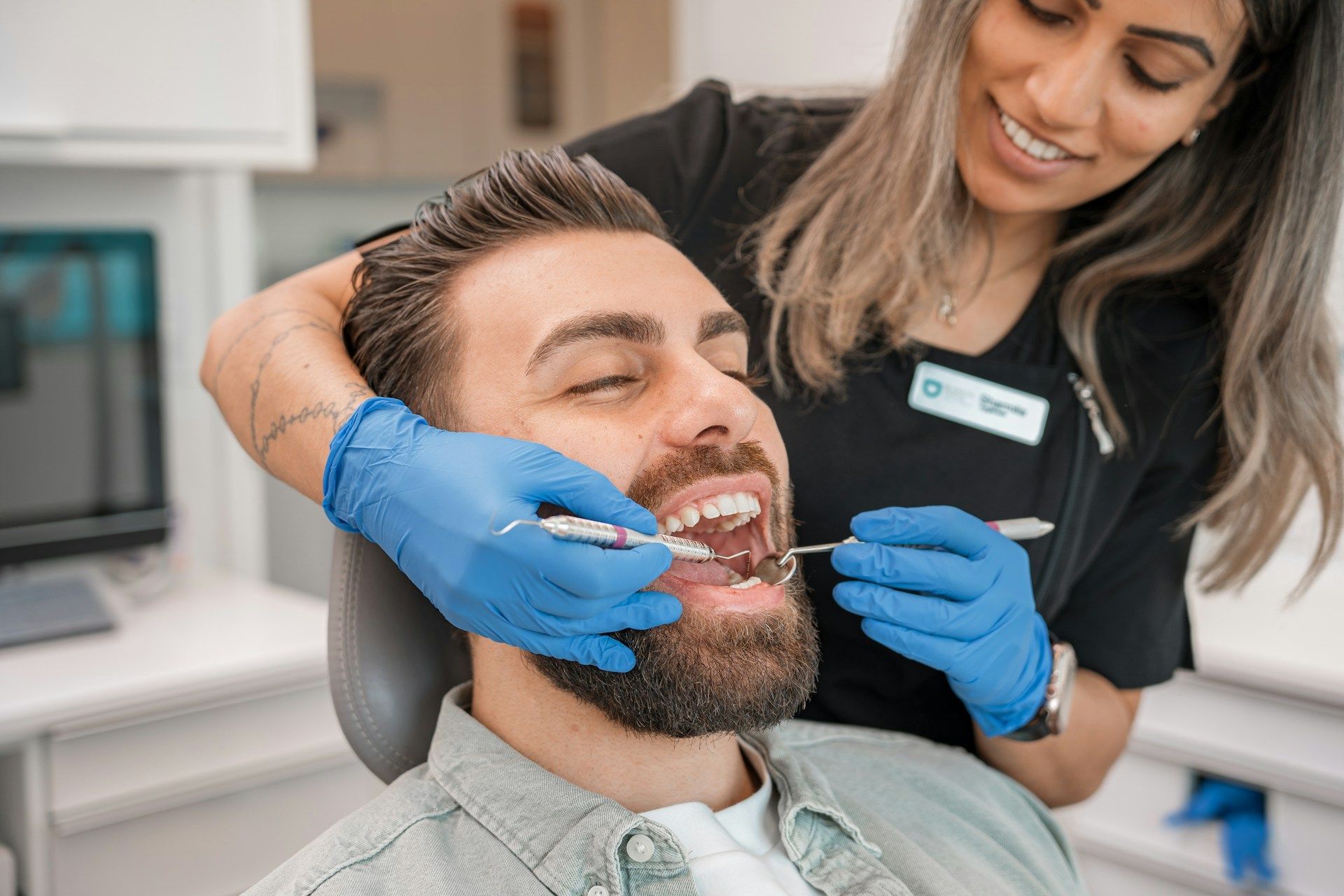
At our practice, we use tools like digital X-rays and careful bite checks to figure out what is actually going on. That helps us see if the problem is the crown itself, the nerve inside the tooth, or how your teeth and jaw are meeting when you chew. Since we also focus on TMJ and jaw issues, we look at the whole system, not just one tooth.
Visible Changes That Signal Trouble Is Starting
Your eyes can often spot crown problems before they cause major pain. Small changes in shape, color, or how the gum looks around the crown are all worth noticing.
Watch for signs like:
- A dark line forming where the crown meets the gum
- Chipping, cracks, or rough edges on the crown
- The crown looking more yellow or dull than before
- The tooth looking shorter because the gum has pulled back
Changes at the gumline are especially important. They can mean that the seal between the crown and tooth is no longer tight, which allows bacteria and plaque to slip in. Gum inflammation around the crown may also point to gum disease, which can slowly weaken the support for the tooth and the crown.
Many people first notice these differences when they see themselves in a photo, video call, or bathroom mirror. If something about a crowned tooth looks newly uneven, darker at the edge, or just not quite right, it is worth having it checked before it turns into a bigger problem.
When a Loose or Wobbly Crown Becomes an Emergency
A crown should feel solid when you bite. If it starts to move, something is wrong. “Loose” can mean different things, from a slight rock when you chew to the crown fully coming off.
You may notice:
- The crown rocks or shifts when you chew or press on it
- Food gets stuck around the edge more than it used to
- Your bite suddenly feels high or uneven on that tooth
- The crown feels like it clicks when you tap your teeth together
A loose crown can quickly become an emergency if you have sudden strong pain, swelling in the gum, or if the crown comes off completely. Sharp broken edges can also cut your tongue or cheek. If the crown pops off, keep it clean and safe, and avoid chewing on that side.
What you should not do is try to glue the crown back on with household products. That can damage the tooth and make it harder to fix correctly later. Leaving a loose crown alone for too long can also lead to the tooth breaking or needing more complex treatment.
Protecting Your Crown Investment for the Long Term
Think of your crown as an investment in your smile and your ability to chew comfortably. Daily care and regular dental visits help protect that investment for as long as possible.
Helpful habits include:
- Brushing at least twice a day, including gently along the gumline
- Flossing around the crown to remove plaque and food
- Using fluoride products if recommended
- Keeping up with professional cleanings and exams
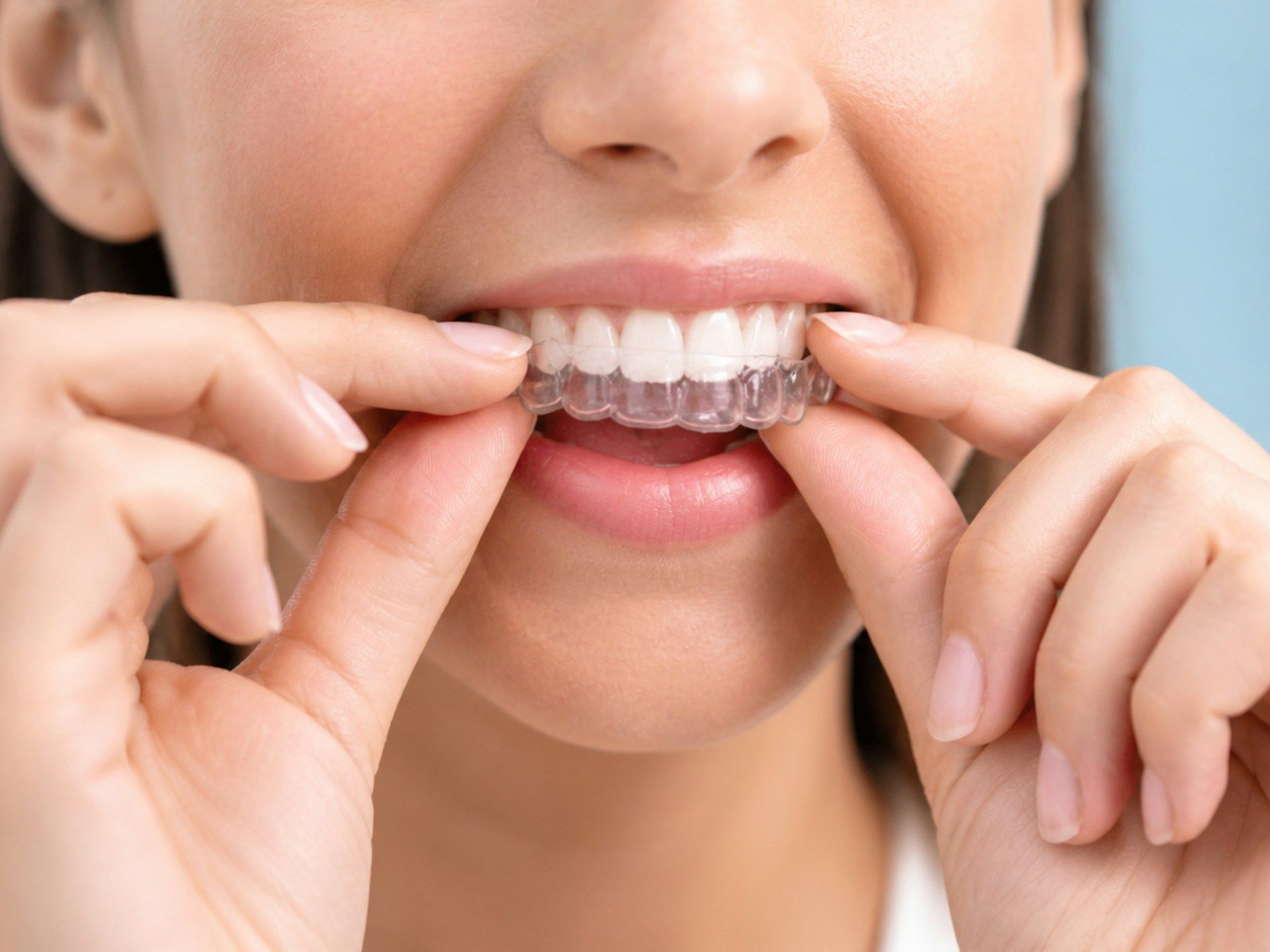
Managing bite forces is just as important as cleaning. If you grind or clench, especially while you sleep, a custom nightguard can help protect your crowns and natural teeth. If a crown feels high or off when you bite, having the bite adjusted early can prevent cracks, soreness, and jaw pain.
When people search for dental crowns in Bermuda, it helps to find a practice that looks at the full picture. That includes restorative care for teeth, as well as support for TMJ and sleep-related issues that can affect how your teeth wear over time.
Take Action Fast If Your Crown Feels Not Quite Right
You do not need to be in severe pain for something to be wrong with a crown. A small change in comfort, a new sensitive spot, or a slight shift in how your teeth meet is enough reason to have things checked. Early attention usually means simpler treatment and less stress for you.
At Paget Dental, we focus on long-term relationships with our patients in Bermuda, so we take these early signs seriously. By listening to your concerns and using advanced technology, we can often adjust, repair, or replace a crown before the tooth underneath is at risk. If you are worried about an existing crown or thinking about new dental crowns, paying attention to these early warning signs is one of the best ways to protect your smile for the future.
Restore Your Confident Smile With Custom Dental Crowns
If you are looking for durable, natural-looking solutions to strengthen damaged teeth, our team at Paget Dental is ready to help. Explore your options for dental crowns so we can create a personalized treatment plan that fits your needs and goals. To schedule an appointment or ask questions about your care, simply contact us today.