Ridge Augmentation Explained: A Comprehensive Guide by Paget Dental Clinic
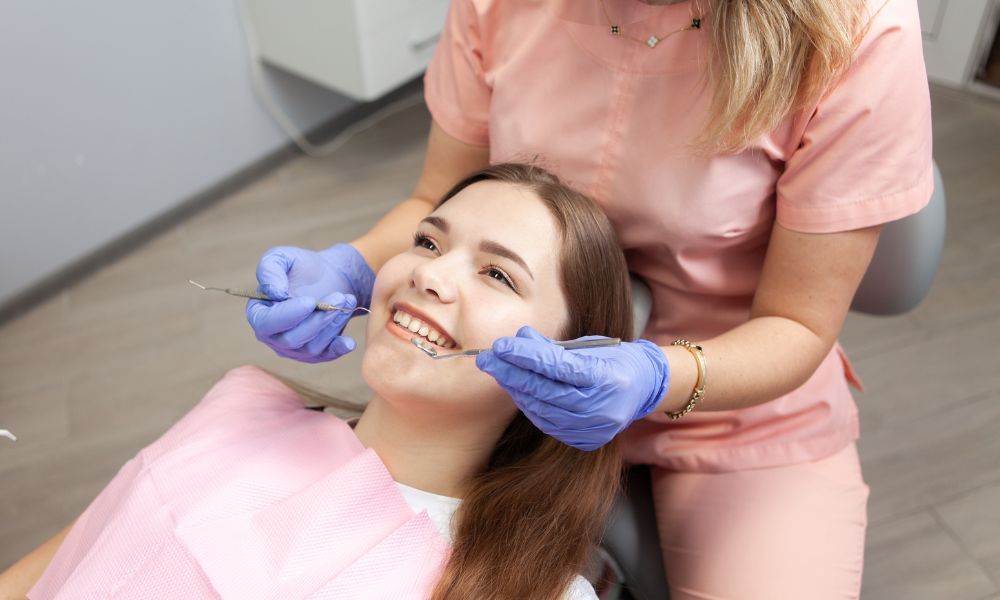
Paget Dental Clinic, a world-class dental clinic in Bermuda, offers a wide range of specialized dental services to accommodate your unique needs and improve your oral health. One crucial procedure that falls under this category is ridge augmentation, a dental surgery designed to correct defects in the jawbone and improve the aesthetics of your smile.
In this comprehensive guide, we will provide an in-depth understanding of ridge augmentation, explain its importance, and detail the process carried out by our expert team at Paget Dental Clinic. Our skilled professionals are here to help you make informed decisions about your dental care, and we take pride in creating a comfortable and trusting environment to address your concerns.
1. What is Ridge Augmentation?
Ridge augmentation is a dental surgical procedure that involves rebuilding and reshaping the contour of the jawbone, specifically the alveolar ridge. The alveolar ridge houses the tooth sockets and can lose height and width for various reasons, such as tooth extraction, trauma, or long-term tooth loss.
Ridge augmentation helps correct these defects, providing a solid foundation for dental implants or other dental prosthetics and improving the overall aesthetic appearance of your smile.
2. Key Indications for Ridge Augmentation
Ridge augmentation is typically recommended for the following situations:
- Post-tooth extraction: Following tooth extraction, the alveolar ridge might lose its height and width and become atrophic, resulting in an uneven and unattractive ridge. Ridge augmentation can be performed immediately after tooth extraction to preserve the bone structure.
- Long-term tooth loss: Over time, tooth loss can lead to a significant reduction in the volume of the alveolar ridge, making it difficult to place dental implants without additional bone support.
- Occlusal and aesthetic concerns: Aesthetic issues caused by an uneven or atrophic ridge may affect your smile or cause bite-related problems. Ridge augmentation can address these concerns.
3. The Ridge Augmentation Procedure
Comprehensive planning and a thorough assessment of your dental and medical history, including X-rays and CBCT scans, are crucial to determining the best approach for a successful ridge augmentation procedure. The process generally involves the following steps:
- Anesthesia: Ridge augmentation is typically performed under local anesthesia to minimize pain and discomfort during the procedure. Sedation can also be offered if patients experience anxiety or prefer additional comfort measures.
- Incision and exposure: Your dentist will make a small incision in the gum tissue to expose the site of the defective alveolar ridge.
- Bone grafting: The dentist will use bone graft materials, which can be derived from the patient, human tissue banks, animals, or synthetic sources, to rebuild the ridge and restore its height and width. Additionally, membranes or growth factors may be used to promote bone regeneration and secure the graft in place.
- Closure: The gum tissue is sutured back to cover the bone graft and allow the surgical area to heal.
4. Healing Process and Dental Implant Placement
The recovery process after ridge augmentation varies depending on the patient, the specific procedure used, and the extent of bone grafting required. Some general guidelines for recovery include:
- Postoperative care: You may experience mild pain, swelling, and bleeding during the first few days after the procedure. Your dentist will provide guidance on managing discomfort, maintaining oral hygiene, and following a soft diet during the initial healing process.
- Follow-up appointments: Your dentist will assess the healing progress during periodic follow-up appointments and may remove sutures if necessary.
- Bone integration: The healing process, including integrating the bone graft with the existing bone, typically takes four to six months. This time frame may vary depending on the individual healing capacity and the type and volume of the bone graft material used.
- Dental implant surgery: Once the ridge augmentation has successfully healed and integrated, your dentist will assess the surgical site to determine the appropriate timing for dental implant placement. The dental implant procedure involves inserting a titanium post into the jawbone, which requires additional healing time before the final restoration, such as a crown or bridge, can be attached.
5. Benefits and Potential Risks of Ridge Augmentation
Ridge augmentation offers several benefits, including:
- A stable foundation for dental implants: By increasing the height and width of the alveolar ridge, ridge augmentation provides the necessary support for dental implants, facilitating long-term success and stability.
- Improved aesthetics: Ridge augmentation improves the appearance of your smile by correcting an uneven or atrophic ridge, leading to increased confidence and self-esteem.
However, as with any surgical procedure, there are potential risks to consider:
- Infection: Proper oral hygiene and postoperative care are crucial in reducing the risk of infections at the surgical site.
- Graft failure: In some cases, the bone graft may not integrate as expected with the existing bone. If this occurs, additional procedures might be necessary.
Achieve a Healthier, More Beautiful Smile with Ridge Augmentation at Paget Dental Clinic
Dental implants at Paget Dental offer a revolutionary solution for restoring your smile, providing a long-lasting, natural-looking, and functional tooth replacement. Our highly skilled dentists in Bermuda pride themselves on delivering high-quality dental care at an affordable rate, incorporating the latest technology to ensure the best possible outcomes.
Regain your confidence and oral health with dental implants at an affordable cost. Book a consultation with Paget Dental today and take the first step towards a restored smile and renewed self-assurance. Don't let tooth loss hold you back any longer. Contact us now to schedule an appointment and learn more about our dental implant options.