Invisalign vs. Traditional Braces: A Comparative Guide by Dr. James Fay
Choosing between Invisalign and traditional braces for straightening your teeth is a major decision. Both options have their own set of benefits and drawbacks, and understanding these can help you make an informed choice. Straight teeth not only enhance your smile but also contribute to better oral health by making it easier to clean and maintain your teeth.
Dr. James Fay at Paget Dental has extensive experience in orthodontic treatments and understands the unique needs of each patient. With advancements in dental technology, there are multiple ways to achieve a straight and healthy smile, and Invisalign and traditional braces are two of the most popular options. Each method offers its own approach to correcting dental issues like crowding, gaps, and misalignment.
Dr. Fay believes that choosing the right orthodontic treatment goes beyond aesthetics; it's also about long-term oral health and comfort. By exploring both Invisalign and traditional braces, you'll be better equipped to decide which option suits your lifestyle and dental needs. Both treatments aim for the same goal—a perfect smile—but they take different paths to get there. Understanding these differences can make your orthodontic journey smoother and more effective.
Understanding Invisalign: Insights from Dr. James Fay
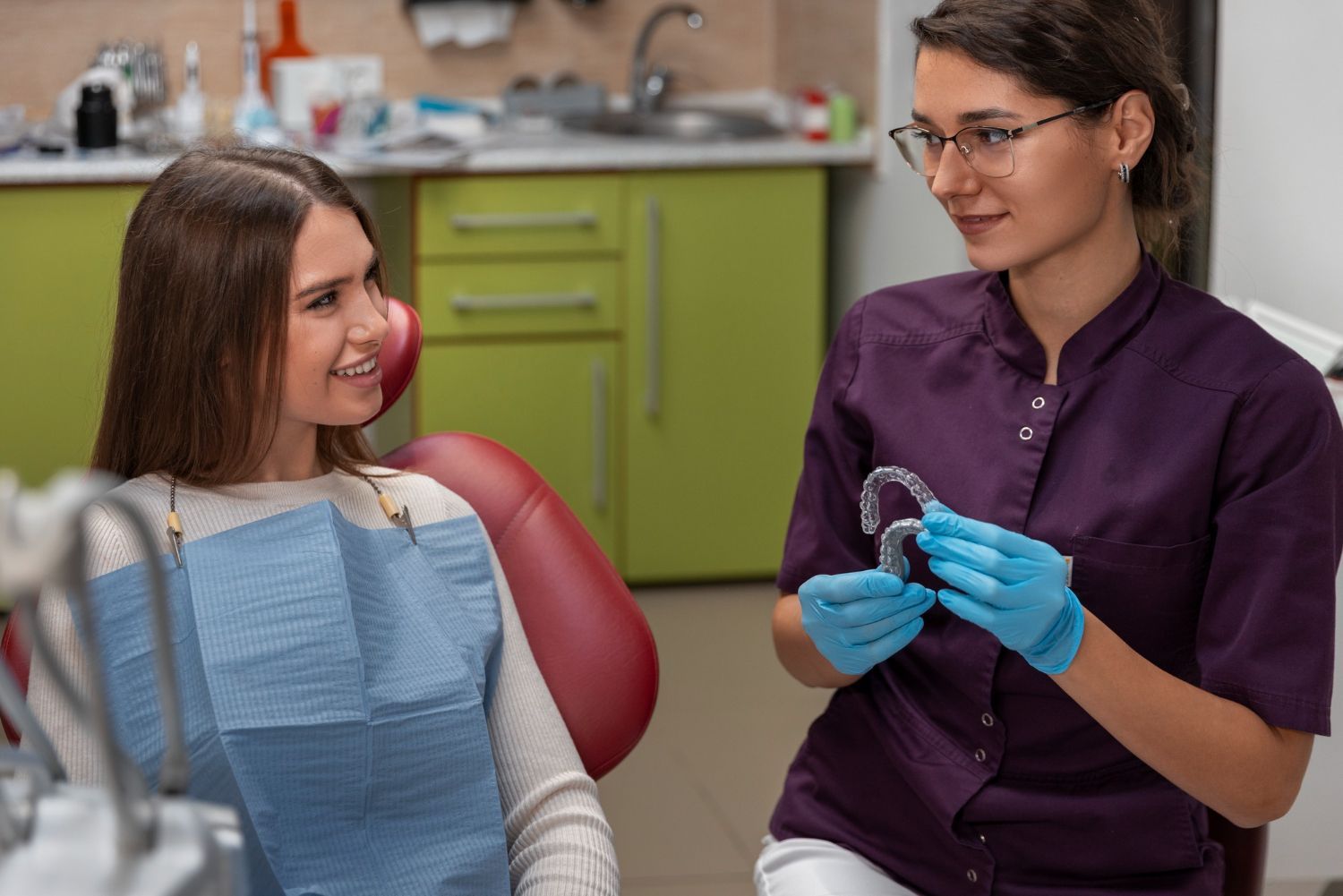
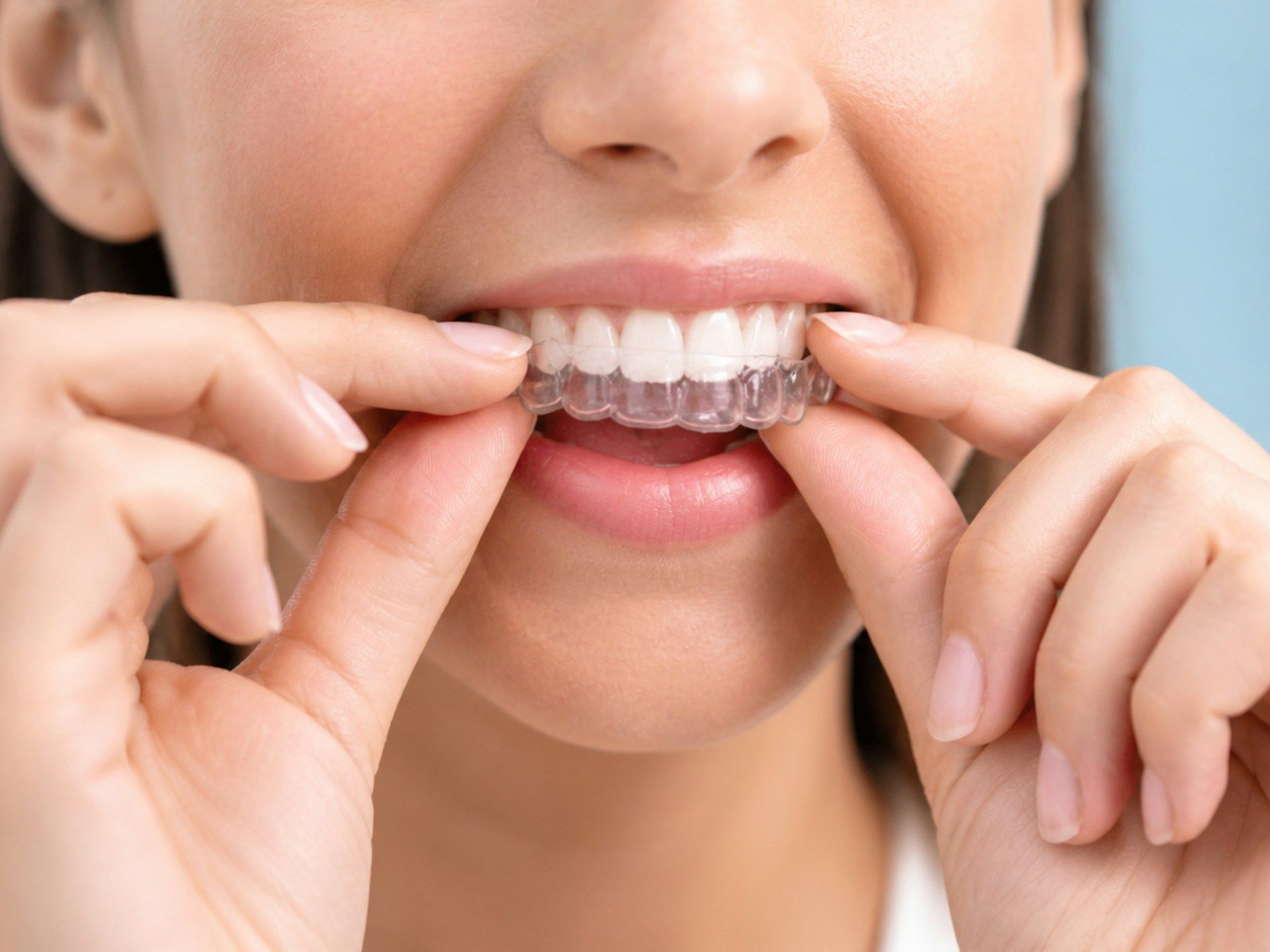
Invisalign is a modern orthodontic treatment that uses clear, removable aligners to shift teeth into their proper positions. Dr. James Fay explains that these aligners are custom-made for each patient using 3D imaging technology. This precise customization allows for a tailored fit that gradually adjusts the alignment of your teeth.
One of the biggest advantages of Invisalign, according to Dr. Fay, is its discreet appearance. The aligners are transparent, making them barely noticeable when worn. This makes Invisalign particularly appealing for adults and teenagers who might feel self-conscious about wearing traditional braces. Additionally, because the aligners are removable, you can continue to eat your favorite foods without restriction and maintain your regular oral hygiene routine with ease.
Exploring Traditional Braces: What Dr. Fay Wants You to Know
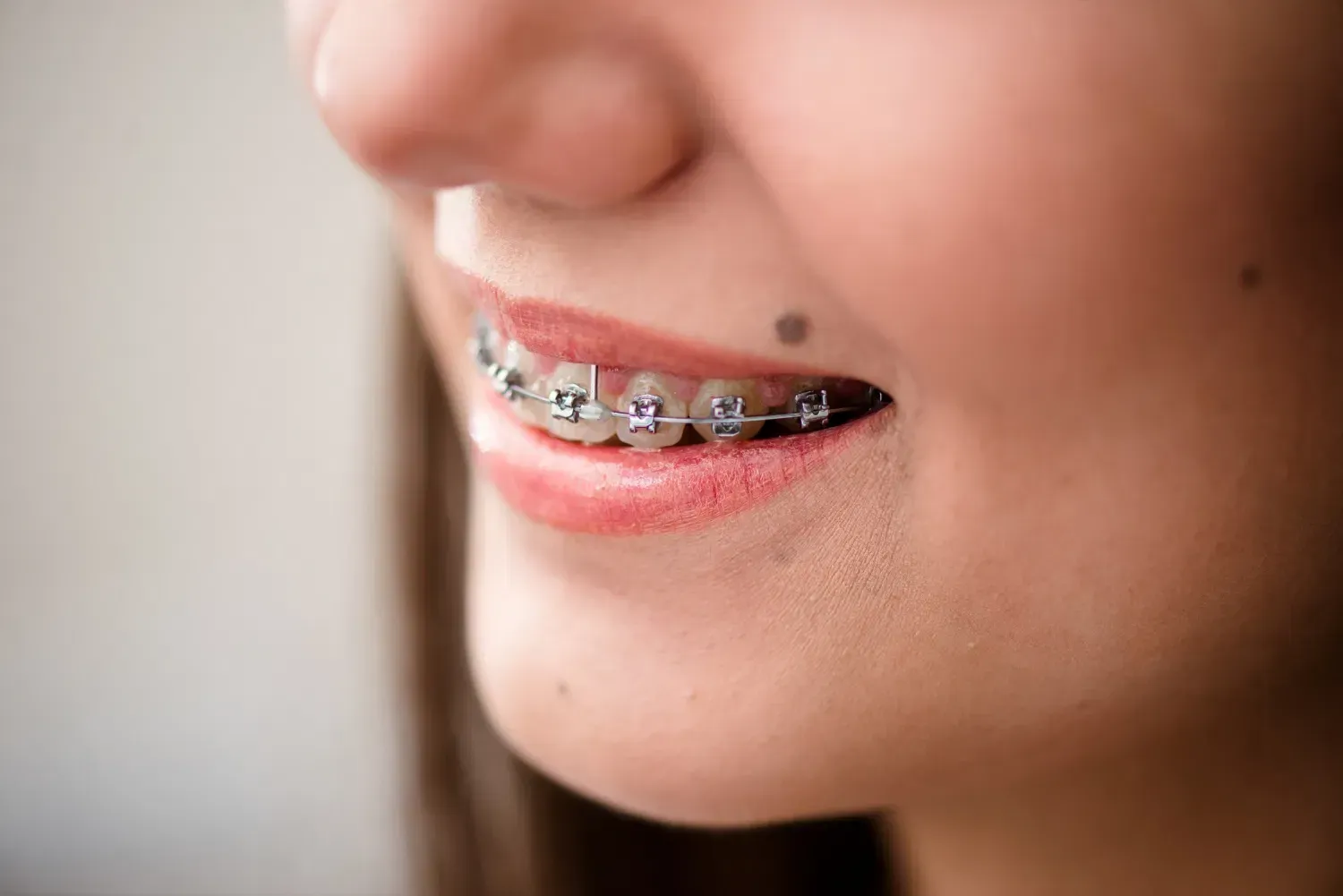
Traditional braces are the time-tested method for correcting a wide range of orthodontic issues. Dr. James Fay highlights that braces consist of metal brackets affixed to the teeth, connected by wires and elastic bands that are adjusted over time to move teeth into their desired positions. This method allows for precise control and can address complex dental problems effectively.
While traditional braces are more noticeable than Invisalign, they are highly effective and often work faster for severe misalignment issues. Dr. Fay notes that braces are attached to the teeth and cannot be removed until treatment is complete, which ensures that the patient is continually undergoing orthodontic adjustments. This can be beneficial for patients who might not adhere strictly to wearing removable aligners as required. Additionally, advances in orthodontics have led to the development of more aesthetically pleasing options, such as ceramic braces, which blend more naturally with the color of teeth.
Comparing the Benefits and Drawbacks: Invisalign vs. Traditional Braces
When it comes to benefits, Invisalign offers a discreet and flexible treatment option. Dr. James Fay emphasizes that the clear aligners are virtually invisible, making them a preferred choice for those who wish to maintain a low-profile appearance. The removable feature of Invisalign also allows for easier cleaning and the ability to eat without restrictions, which enhances overall comfort and convenience.
On the other hand, traditional braces are highly effective for treating more complex dental issues. Dr. Fay points out that braces are reliable for significant tooth movements and correcting severe misalignment. However, traditional braces do come with some drawbacks. They are more noticeable and can cause discomfort, especially after adjustments. Additionally, they require more diligent oral hygiene practices to avoid issues like plaque buildup.
Cost and Maintenance: Dr. Fay's Recommendations on Invisalign and Traditional Braces
Cost is a significant factor when choosing between Invisalign and traditional braces. Dr. James Fay explains that while Invisalign may offer enhanced aesthetics and comfort, it tends to be more expensive than traditional braces. This higher cost is due to the advanced 3D imaging and customized aligners used in the treatment process. However, the convenience and aesthetic benefits often justify the investment for many patients.
Maintenance is another important consideration. Invisalign aligners need to be worn for 20-22 hours a day and cleaned regularly to avoid staining and odor. Traditional braces also require meticulous care, including brushing and flossing around brackets and wires to prevent cavities and gum disease. Dr. Fay suggests that the choice between Invisalign and traditional braces should consider not only the initial cost but also the commitment to maintaining good oral hygiene throughout the treatment period.
Final Thoughts
Choosing between Invisalign and traditional braces requires careful consideration of your specific needs and lifestyle. Both methods have their unique advantages and limitations, and understanding these can help you make a well-informed decision. Dr. James Fay at Paget Dental provides expert guidance to help you choose the best orthodontic treatment for achieving a perfect smile.
If you're unsure about which option is right for you, a consultation with Dr. Fay can provide personalized recommendations based on your dental condition and goals. At Paget Dental, we are committed to guiding you through every step of your orthodontic journey. Schedule a consultation today and take the first step towards a healthier, more beautiful smile with Paget Dental.