Invisalign vs. Traditional Braces: A Comparison
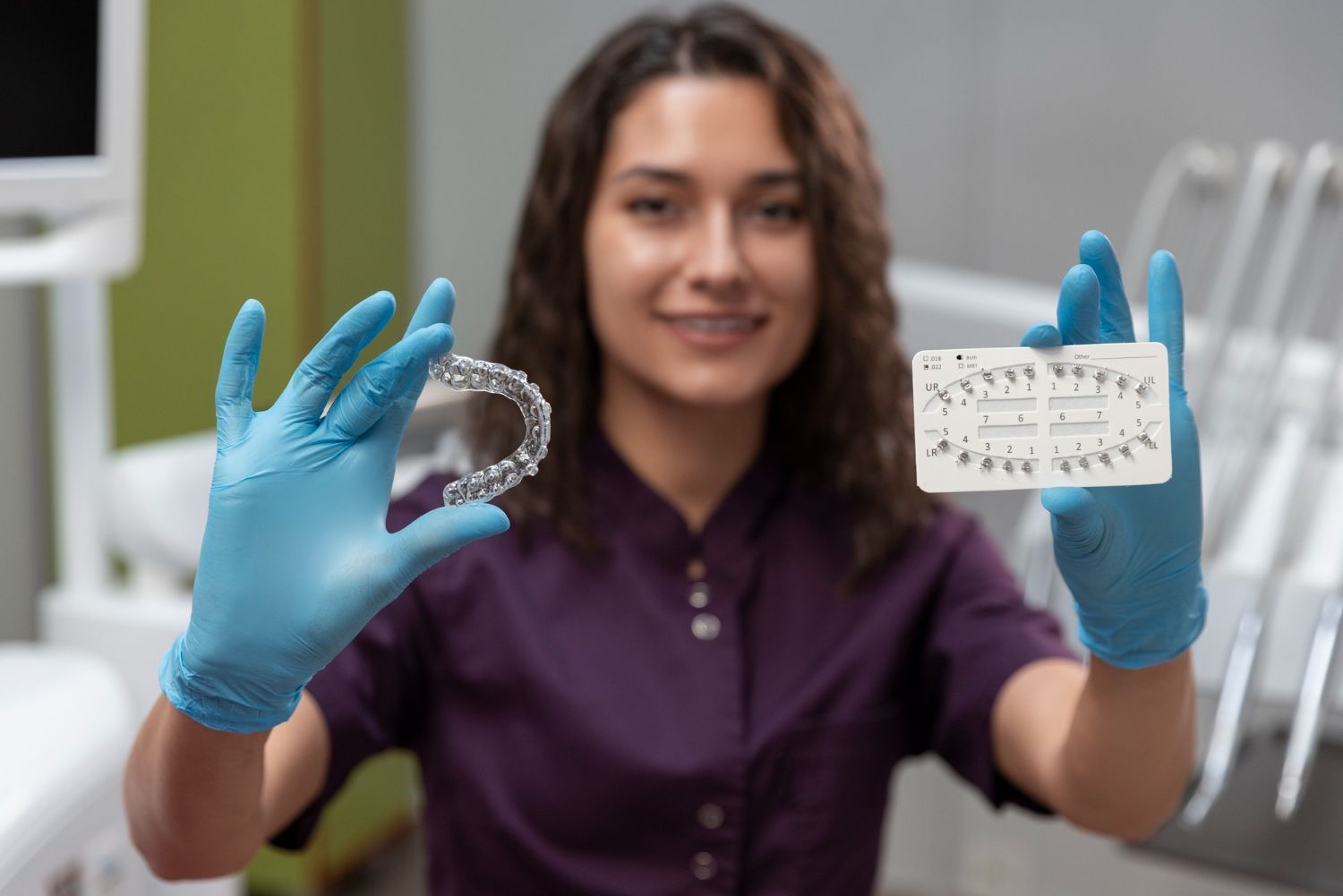
When it comes to achieving a straighter smile, options like Invisalign and traditional braces are some of the most effective treatments available today. These systems serve the same purpose, aligning teeth, but they do so in distinct ways.
For individuals seeking orthodontic care in Bermuda, it helps to understand these options better, especially since each comes with its own set of advantages. Recognizing the role of Dr. Fay and Dr. James Fay in orthodontic treatments, it's essential to know how their expertise can guide you through these choices.
Both Invisalign and traditional braces strive to align your teeth, but they do more than just improve your smile. Properly aligned teeth can also enhance oral health, minimizing the risk of serious dental issues down the line. Let's take a closer look at what Invisalign and traditional braces are, how they work, and what differences exist between the two.
What Are Invisalign and Traditional Braces?
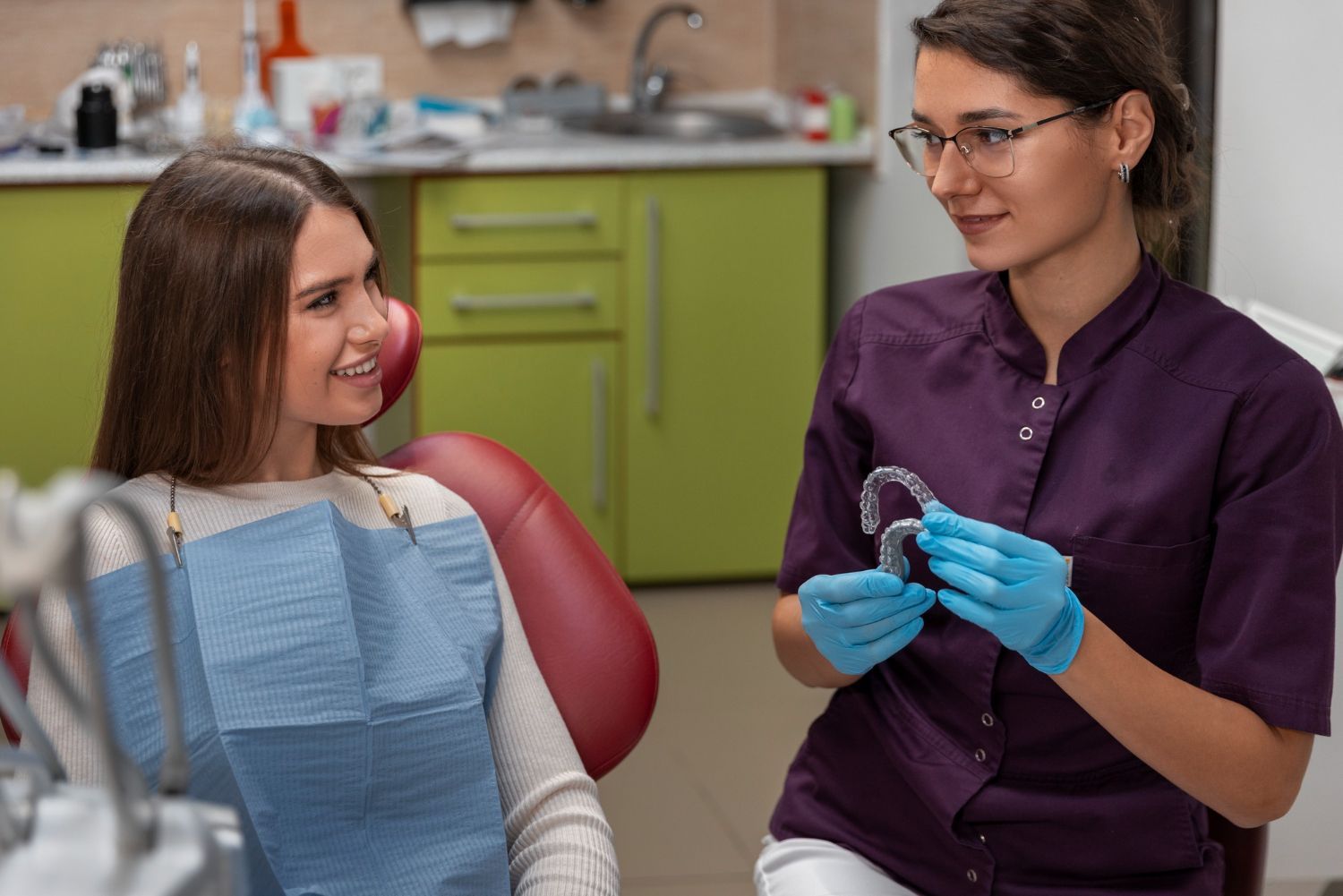
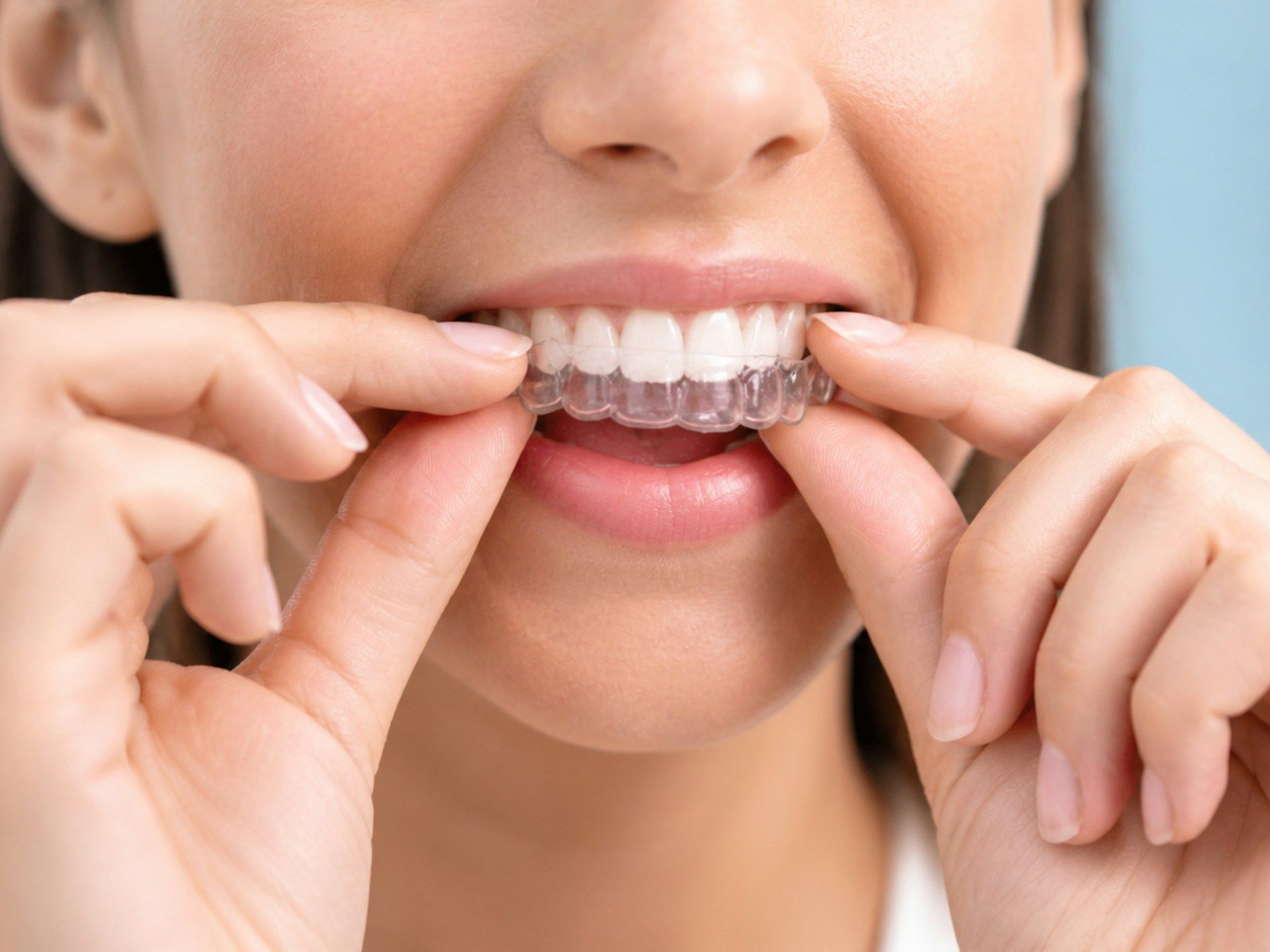
Invisalign represents a modern approach to straightening teeth using a series of custom-made, clear aligners. These aligners resemble mouthguards and apply gentle pressure to shift teeth into their desired positions. They're removable, allowing for easier brushing, flossing, and eating. Patients often appreciate the discreet appearance Invisalign offers, as the clear aligners are barely noticeable.
On the other hand, traditional braces use a system of metal brackets and wires that are fixed onto the teeth. These braces exert consistent pressure and gradually move the teeth into alignment over time. Though typically made of metal, some braces can be made from ceramic for a less noticeable finish. Components such as elastic bands may also be used to enhance alignment.
Materials Used:
- Invisalign: Clear plastic material that is comfortable and virtually invisible.
- Traditional Braces: Metal or ceramic brackets attached to the teeth, with wires connecting them.
Each method employs different materials to achieve similar results, but the experience of wearing them can vary greatly. Understanding these basic mechanics can help when making an informed decision with Dr. Fay and Dr. James Fay, ensuring an individual's needs and lifestyle are fully taken into account.
Next, it becomes important to consider factors like comfort and aesthetics, as these can significantly influence the decision-making process for choosing between these orthodontic options.
Comfort and Aesthetics
When considering comfort, many people find that Invisalign comes out ahead. The aligners are smooth and fit snugly over the teeth, which minimizes the irritation often caused by metal brackets and wires. On the flip side, traditional braces might feel a bit harsher initially, but many eventually adapt to the sensation. However, some regularly face irritations due to loose wires or brackets.
Aesthetically, Invisalign holds a clear advantage. The aligners are nearly invisible, which is a great draw for anyone seeking to maintain a natural appearance while undergoing treatment. This is especially appealing to adults who prefer a more subtle solution. Traditional braces, with their metallic shine, bring more attention to one's mouth. Yet, modern options like ceramic braces offer a slightly less noticeable version, even if they cannot compete with the transparency of Invisalign.
Patient preferences play a big role here. Some focus on aesthetic appeal, while others consider cost and effectiveness more important. Many patients, guided by Dr. Fay and Dr. James Fay, can weigh these factors to find what best fits their needs and lifestyles.
Treatment Duration and Convenience
The duration of orthodontic treatments can vary depending on the method chosen. Generally, Invisalign tends to provide quicker results, often ranging from 12 to 18 months. This timeline, however, depends on wearing the aligners for the recommended 20 to 22 hours a day. Dr. Fay and Dr. James Fay stress the importance of consistency for achieving the desired outcomes swiftly.
With traditional braces, treatments can span from 18 months to 2 years or more, depending on the complexity of the case. The fixed nature of braces ensures constant pressure on the teeth, moving them steadily into position. Yet, some might find this convenience limiting, especially when it comes to certain foods which require careful consumption to avoid damaging the braces.
Here's how they stack up in terms of convenience:
Invisalign:
- Removable for eating and brushing.
- Requires discipline to wear for the recommended hours.
Traditional Braces:
- Constantly working towards alignment.
- Need special care during meals and cleaning.
Dr. Fay and Dr. James Fay encourage patients to consider these practical aspects, as they significantly influence daily routines and long-term satisfaction.
Cost and Accessibility
The costs involved can be a significant factor in choosing between Invisalign and braces. Both options require a financial commitment, but factors such as materials and duration of treatment can affect pricing. Traditional braces generally have a lower upfront cost but may require additional visits and adjustments.
In contrast, Invisalign might have a higher initial price due to the advanced technology and custom trays. Dr. Fay and Dr. James Fay explain that while these aligners offer convenience and discretion, potential users should weigh these against their budgets and insurance plans.
Availability is another key point. In Bermuda, treatments are widely accessible, with Paget Dental offering both options to meet diverse needs. Dr. Fay and Dr. James Fay provide consultations to help determine the most suitable choice based on individual circumstances, factoring in both the financial and clinical aspects.
Making the Right Choice for You
Ultimately, deciding between Invisalign and traditional braces involves considering all the factors discussed. Each option comes with its unique benefits, whether it's Invisalign's discreet design or the consistent pressure applied by braces. Dr. Fay and Dr. James Fay can help guide this decision, tailoring recommendations based on personal goals, needs, and expectations.
Choosing the right form of orthodontic treatment can lead to more than just a beautiful smile. It can enhance confidence, improve oral health, and positively impact one's everyday life. Considering your priorities, consulting with experienced professionals, and being clear on what you want from your treatment can all steer you towards the best choice.
Ready to transform your smile with the latest innovations in orthodontics? Discover the advantages of
Invisalign and let Paget Dental craft a treatment plan tailored just for you. Our skilled team, led by Dr. Fay and Dr. James Fay, is committed to ensuring your orthodontic journey is both effective and comfortable. Begin your path to a confident smile today by consulting with our experts at Paget Dental.