Treating TMJ: Dr. Fay's Most Effective Techniques

Dr. Fay and Dr. James Fay are renowned in Bermuda for their deep expertise in treating TMJ disorders. At Paget Dental, they focus on helping patients manage and alleviate the discomfort associated with this condition.
TMJ, or temporomandibular joint disorder, affects the joint that connects your jaw to your skull. This problem can lead to persistent jaw pain, difficulty chewing, and a clicking sound when you move your jaw. Dealing with TMJ is not just about addressing discomfort; it's about improving quality of life. By exploring effective treatment options, you can find relief and enjoy everyday activities without pain.
Understanding TMJ and why it needs attention is crucial. TMJ is a disorder that can go unnoticed until it disrupts daily activities. Symptoms like chronic headaches, ear pain, and even shoulder pain often point back to this joint issue.
While it's common to think this condition affects older individuals, TMJ doesn't discriminate and can impact anyone, from teenagers to adults. Risk factors vary and can include stress, arthritis, or even certain injuries. Recognizing these symptoms early means getting the right help and preventing further complications.
Understanding TMJ
The temporomandibular joint is a small hinge that matters a lot. It's what lets your jaw move smoothly up and down and side to side. When it's not working right, that's when you get TMJ. Common symptoms aren't just about jaw pain. You might notice headaches that won't quit, neck pain, or even a clicking sound in your ears. And since TMJ can stay hidden, these signs are your body's way of saying "pay attention."
But why do some people get TMJ and others don't? There are a few reasons:
- Injury: A hit to the jaw can throw the joint out of sync.
- Arthritis: Just like it affects knees and hands, arthritis can be tough on the jaw too.
- Stress: Clenching your jaw when stressed or anxious can hurt over time.
- Alignment Issues: Misaligned teeth or a bad bite can strain the jaw joint.
Anyone can develop TMJ, but it more commonly appears in people between 20 and 40. If you catch it early, dealing with TMJ can mean less pain later.
Dr. Fay and Dr. James Fay know how important it is to diagnose TMJ clearly and early. With a closer look at your symptoms, these experts can guide you in understanding the best path forward to ease the pain and get that smile working right again.
Dr. Fay's Diagnostic Techniques for TMJ
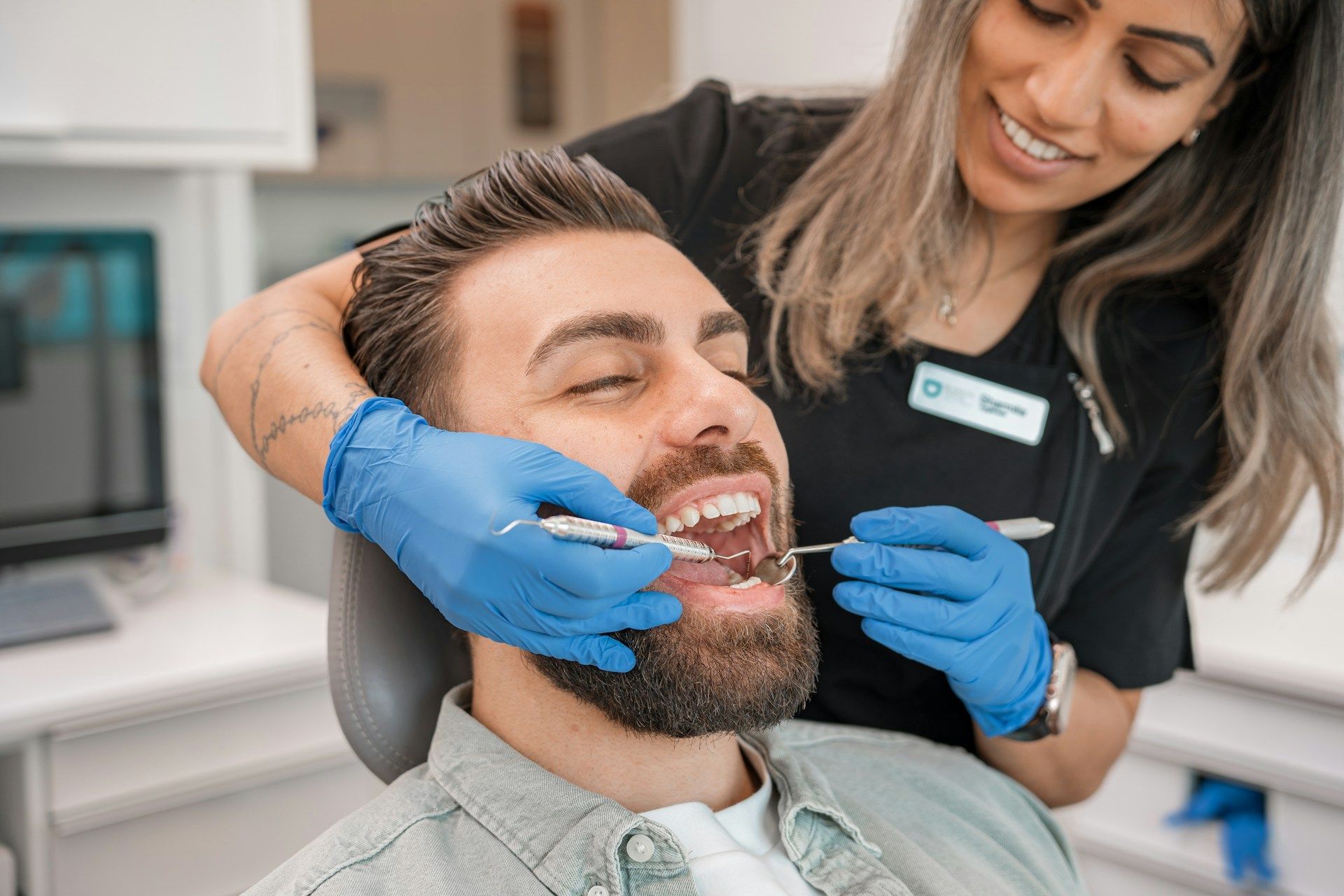
When you suspect TMJ, accurate diagnosis is the first step to relief. Dr. Fay and Dr. James Fay use a comprehensive approach to pinpoint the exact nature of the issue. They start by listening to your symptoms and examining your jaw's movement. This detailed examination includes checking for any clicking sounds or muscle tenderness when you open and close your mouth. They might also recommend imaging tests like X-rays to get a clearer picture of the joint's condition.
The importance of this thorough diagnostic process can't be overstated. Understanding your specific symptoms helps in crafting a treatment plan that suits your needs. For instance, two people might experience similar symptoms, but their underlying causes could differ significantly. This tailored approach ensures you get the solutions that work best for your body.
Dr. Fay's Most Effective TMJ Treatments
Once diagnosed, Dr. Fay and Dr. James Fay offer several techniques to tackle TMJ:
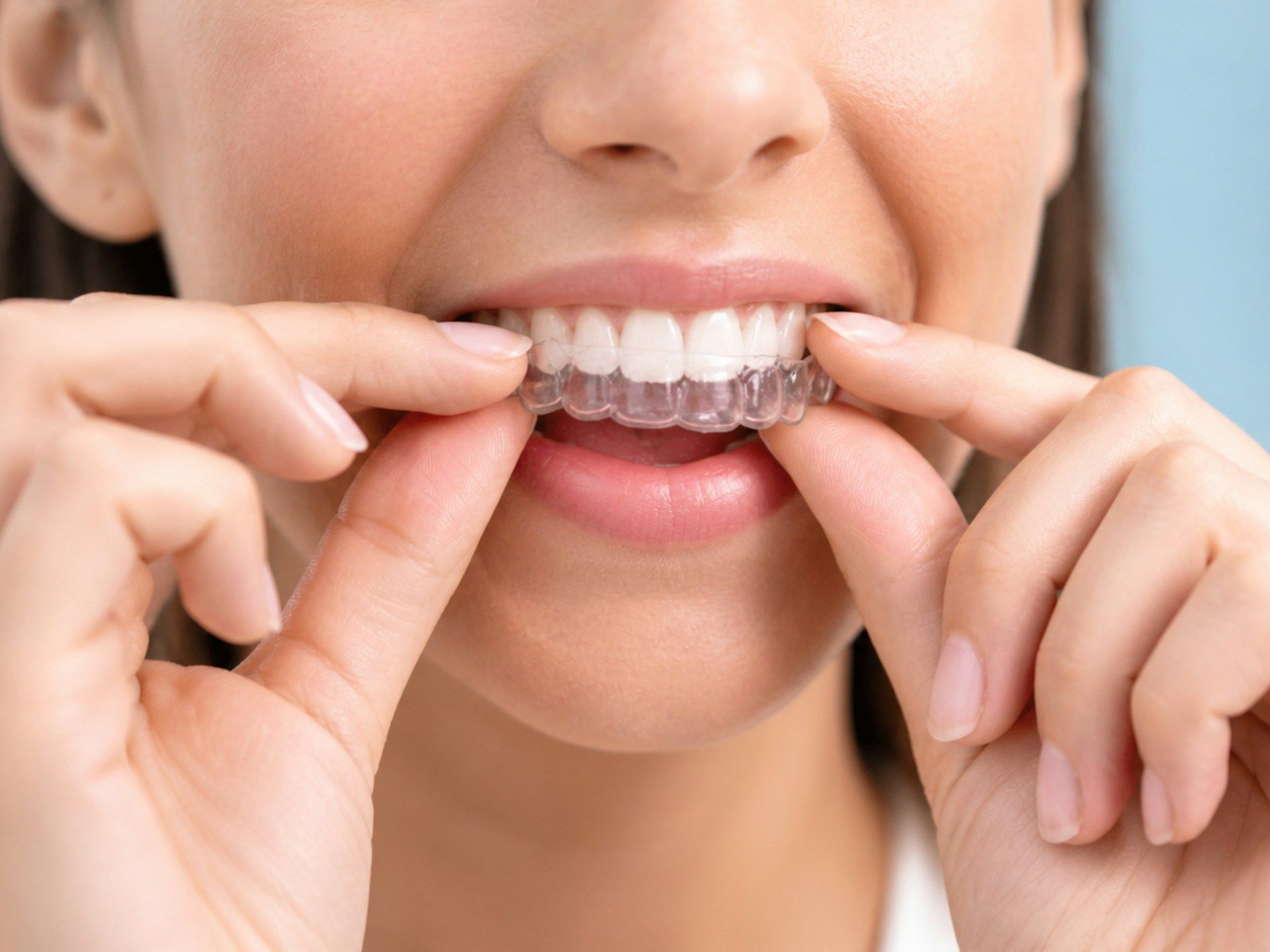
- Orthotic Devices: These devices help realign your jaw and ease tension. They balance out muscle stress, reducing the strain on your joints. Wearing these can gradually bring relief over time.
- Physical Therapy: A series of exercises can strengthen the jaw muscles and improve flexibility. Dr. Fay's guidance ensures the exercises are done safely and effectively, targeting the right areas for each individual.
- Medications: Sometimes, relief can come in the form of medication. Dr. Fay may suggest anti-inflammatory drugs to reduce swelling or pain relievers to manage discomfort.
- Lifestyle Changes: Small changes in daily habits can also make a big difference. For example, keeping stress levels in check can reduce teeth clenching, which in turn helps the jaw. These lifestyle adjustments, combined with other treatments, form a comprehensive plan to tackle TMJ effectively.
The Benefits of TMJ Treatment at Paget Dental
With personalized care from Dr. Fay and Dr. James Fay, treatment for TMJ becomes a collaborative process. They use advanced tools and techniques, ensuring that you receive the best care possible. This attention to detail means that every aspect of your treatment is thoughtfully considered.
Patients often find that addressing TMJ leads to improvements in multiple areas of life. Reduced pain means enjoying meals without discomfort and experiencing fewer headaches. As the quality of life improves, so does confidence. For those facing TMJ, knowing there's help available can be a huge relief.
Take the First Step to Relief
Recognizing the signs of TMJ and seeking treatment can prevent long-term discomfort and further complications. The right expertise can guide you to the relief you're seeking, beyond just addressing symptoms. When your smile functions without pain, every day becomes more enjoyable.
By understanding TMJ and exploring the effective techniques available, you position yourself towards a more comfortable and pain-free life. Embracing the journey to relief with the right support allows you to rediscover the joy in every bite, conversation, and smile.
Find lasting relief from TMJ symptoms and reclaim your comfort at Paget Dental. Dr. Fay and Dr. James Fay offer tailored TMJ treatment strategies designed to meet your specific needs, ensuring you enjoy your daily activities pain-free. Embrace a future with reduced discomfort and improved quality of life. Connect with us today and take the first step towards a happier, healthier smile.