Dealing with TMJ Pain? Dr. James Fay Can Help

TMJ, or temporomandibular joint disorder, is a condition that affects the jaw joint and surrounding muscles. These joints are crucial for everyday activities like talking, chewing, and yawning. When the TMJ isn’t working properly, it can cause significant pain and discomfort. Dr. James Fay at Paget Dental specializes in diagnosing and treating TMJ disorders, helping patients find relief from their symptoms.
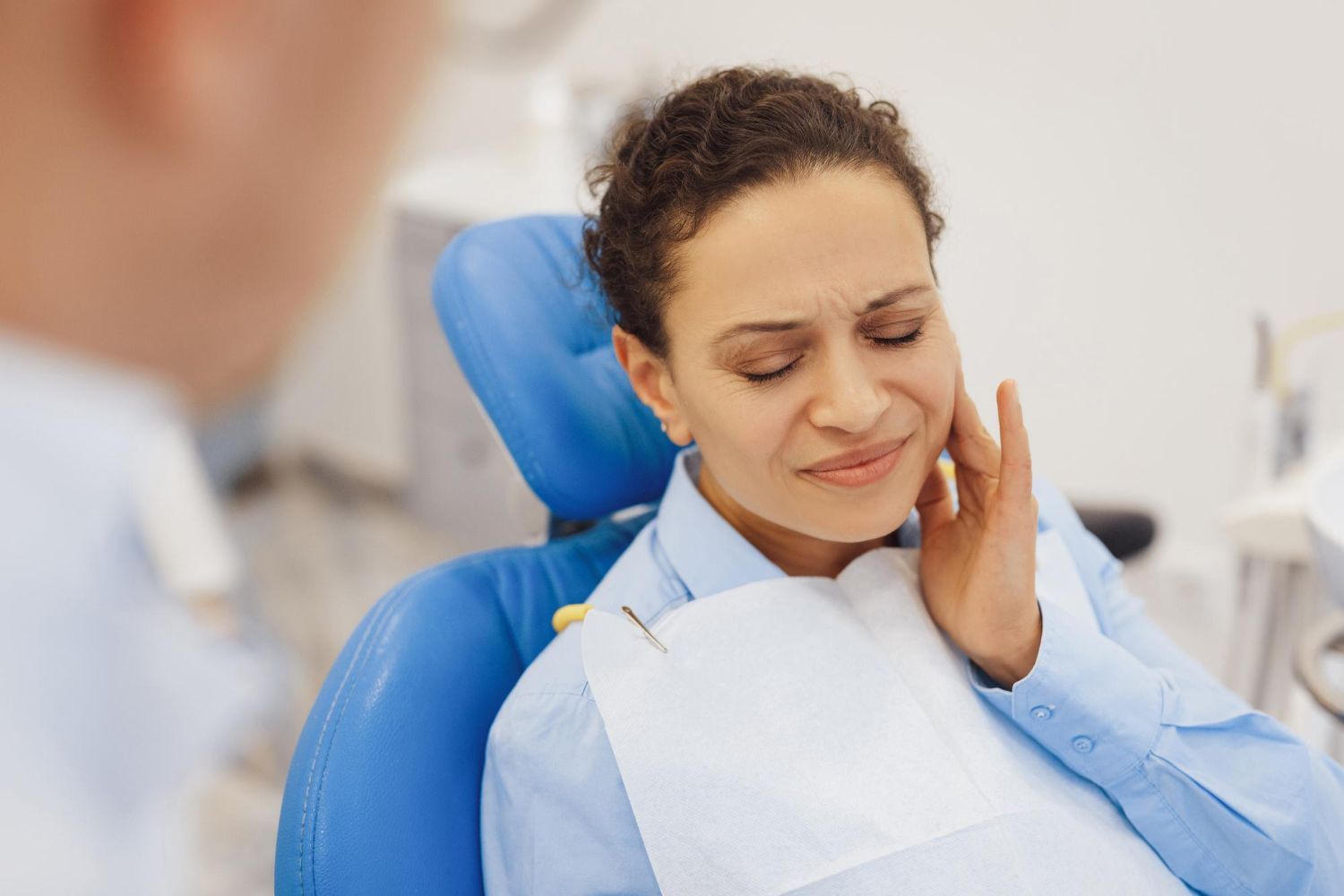
Living with TMJ pain can be challenging. It can make simple tasks like eating or talking difficult and can significantly impact your quality of life. Common symptoms include jaw pain, headaches, earaches, and even neck pain. If you’re experiencing any of these, it might be time to seek help from Dr. Fay.
Dr. James Fay uses advanced techniques to diagnose TMJ disorders accurately. With a thorough examination and personalized treatment plan, he can help alleviate your pain and improve your jaw function. Whether it’s through physical therapy exercises, dental appliances, or lifestyle changes, Dr. Fay provides comprehensive care tailored to your needs.
Understanding TMJ and its symptoms is the first step to getting the help you need. With Dr. Fay’s expertise and commitment to patient care, you can find effective solutions and get back to enjoying a pain-free life.
What Is TMJ and Its Symptoms?
TMJ stands for temporomandibular joint, which connects your jawbone to your skull. This joint allows you to move your jaw up and down and side to side so you can talk, chew, and yawn. When there’s a problem with this joint or the muscles around it, it’s called a TMJ disorder.
Common symptoms of TMJ disorders include:
1. Jaw pain or tenderness: pain in the jaw area is a typical sign. It can happen on one side or both sides of your face.
2. Headaches: Many people with TMJ disorders experience frequent headaches or migraines.
3. Ear Pain: Pain around the ears, ringing in the ears, or hearing loss can be related to TMJ.
4. Clicking or Popping Sounds: You might hear a clicking or popping noise when opening or closing your mouth.
5. Difficulty Chewing: Chewing might be uncomfortable or even painful.
6. Lockjaw: Sometimes, the jaw can get stuck in an open or closed position.
These symptoms can vary from mild to severe. If you experience any of these signs, it’s essential to seek help. Dr. James Fay can offer the right diagnosis and treatment plan to alleviate your discomfort.
How Dr. James Fay Diagnoses TMJ Disorders
Dr. James Fay uses a comprehensive approach to diagnose TMJ disorders, ensuring that every aspect of your condition is carefully assessed. Here are the steps he takes:
1. Medical History Review: The first step is to discuss your medical history. Dr. Fay will ask about any symptoms and previous treatments to get a complete picture of your health.
2. Physical Examination: Dr. Fay will perform a physical examination of your jaw. He will check the range of motion, listen for any sounds like clicking or popping, and press on areas to find pain points.
3. Dental Examination: Sometimes, dental issues like misaligned teeth can contribute to TMJ disorders. Dr. Fay will examine your teeth and bite to see if this is a factor.
4. Imaging Tests: Depending on your symptoms, Dr. Fay might recommend imaging tests like X-rays, CT scans, or MRI. These tests provide detailed images of the jaw, joint, and surrounding tissues, which help in making an accurate diagnosis.
5. Jaw Tracking and Electromyography (EMG): Dr. Fay might use advanced techniques like jaw tracking to observe how your jaw moves. EMG measures the electrical activity of the muscles, helping to identify any abnormalities.
By using these methods, Dr. James Fay ensures a thorough and accurate diagnosis. Identifying the exact cause of your TMJ disorder is crucial for developing an effective treatment plan tailored to your specific needs.
Effective TMJ Treatments Offered by Dr. Fay
Dr. James Fay offers a range of treatments to help alleviate TMJ pain and improve jaw function. These treatments are tailored to each patient's unique needs. Here are some effective options:
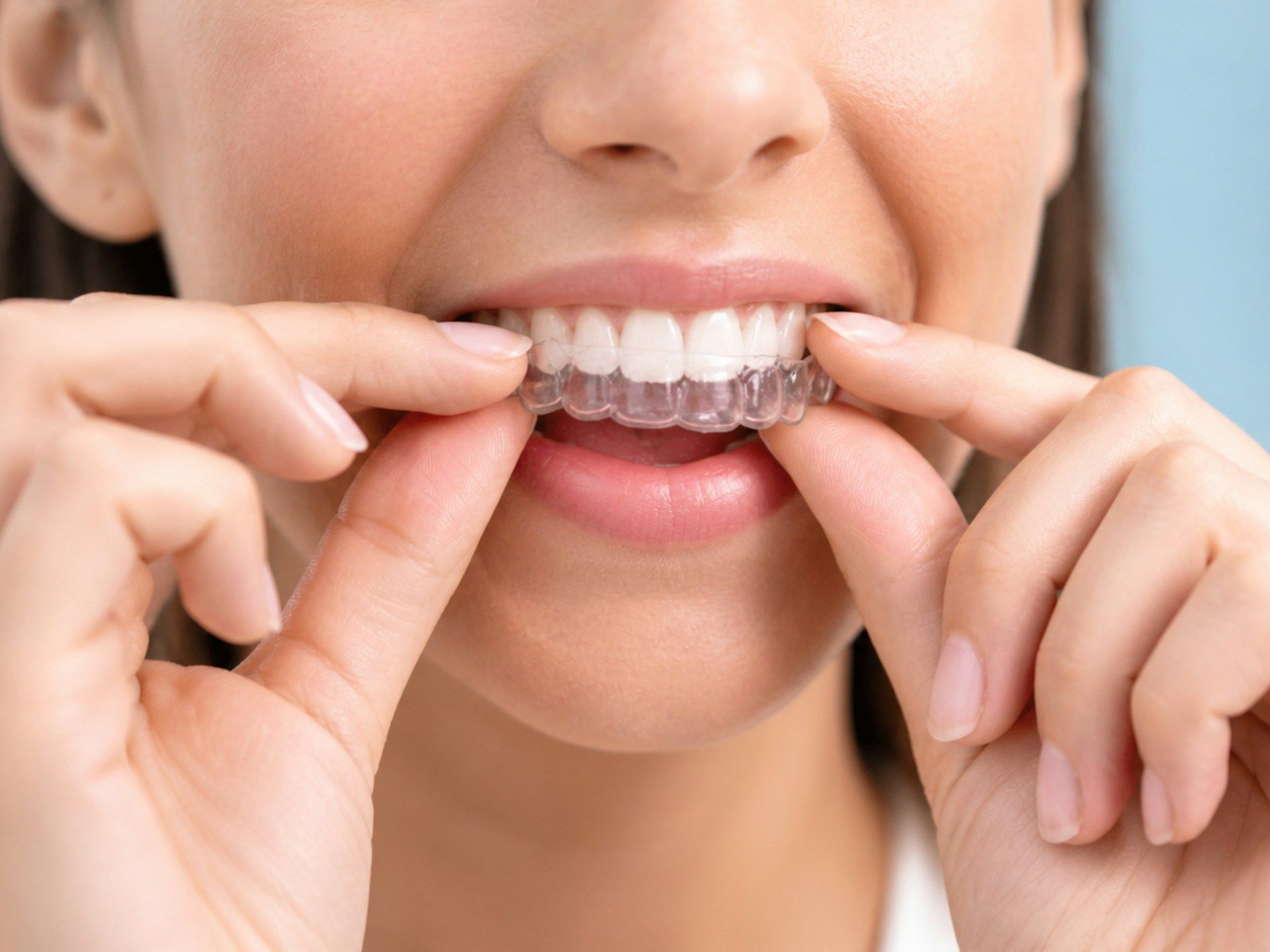
1. Oral Appliances: Dr. Fay might recommend a splint or mouthguard to wear at night. These devices help reduce teeth grinding and jaw clenching, which can relieve TMJ pain.
2. Medications: In some cases, Dr. Fay may prescribe medication to manage pain and inflammation. This can include over-the-counter pain relievers, muscle relaxants, or anti-inflammatory drugs.
3. Physical Therapy: Physical therapy exercises can strengthen jaw muscles and improve flexibility. Dr. Fay can guide you through specific exercises designed to relieve TMJ pain.
4. Lifestyle Changes: Sometimes, simple lifestyle changes can make a big difference. Dr. Fay might advise eating softer foods, avoiding chewing gum, and practicing stress-relief techniques to reduce jaw tension.
5. Surgery: In rare cases where other treatments have not worked, surgery might be an option. Dr. Fay will discuss this thoroughly with you if he believes it's necessary.
These treatments are designed to work together to provide comprehensive care. By following Dr. James Fay’s recommendations, you can find the relief you need and improve your quality of life.
Tips for Managing TMJ Pain at Home
Dealing with TMJ pain doesn’t always require medical treatments. Here are some tips from Dr. James Fay that can help you manage your symptoms at home:
1. Apply Warm or Cold Packs: Applying a warm or cold pack to your jaw for 10-15 minutes can help reduce pain and inflammation.
2. Jaw Exercises: Gentle jaw exercises can improve flexibility and reduce pain. Dr. Fay can show you specific exercises that can be done at home.
3. Mind Your Posture: Good posture can help keep your jaw in the correct position. Try to avoid slouching and keep your head up straight.
4. Eat Soft Foods: Eating soft foods can minimize the strain on your jaw muscles. Avoid hard, crunchy, or chewy foods that require a lot of jaw movement.
5. Avoid Extreme Jaw Movements: Yawning widely or chewing vigorously can stress your jaw. Try to avoid these actions to reduce pain.
6. Practice stress management: Stress can make TMJ symptoms worse. Techniques like deep breathing, yoga, or meditation can help you stay relaxed and reduce jaw tension.
7. Stay Hydrated: Drinking plenty of water keeps your joints hydrated and can reduce muscle cramps.
Using these tips along with professional treatment can help you manage TMJ pain effectively. Dr. Fay is always available to provide additional guidance and support.
Conclusion
TMJ disorders can significantly impact your everyday life, but you don’t have to suffer in silence. With the help of Dr. James Fay at Paget Dental, you can find effective solutions tailored to your specific needs. Understanding what TMJ is and recognizing the symptoms is the first step to getting the help you need. Dr. Fay’s thorough diagnostic process ensures that every aspect of your condition is assessed, paving the way for effective treatment.
From oral appliances to physical therapy and even lifestyle changes, there are many ways to manage TMJ pain. Dr. Fay’s expertise ensures that you receive the best care possible. Additionally, simple home remedies can greatly complement professional treatments, making daily life more comfortable.
Don’t let TMJ pain control your life. Take the first step towards relief and improved jaw function today. Contact us at
Paget Dental to schedule a consultation with Dr. James Fay. Our team is ready to help you achieve a pain-free life and a healthier smile.