Sleep Better with Dr. Fay's Sleep Apnea Treatments
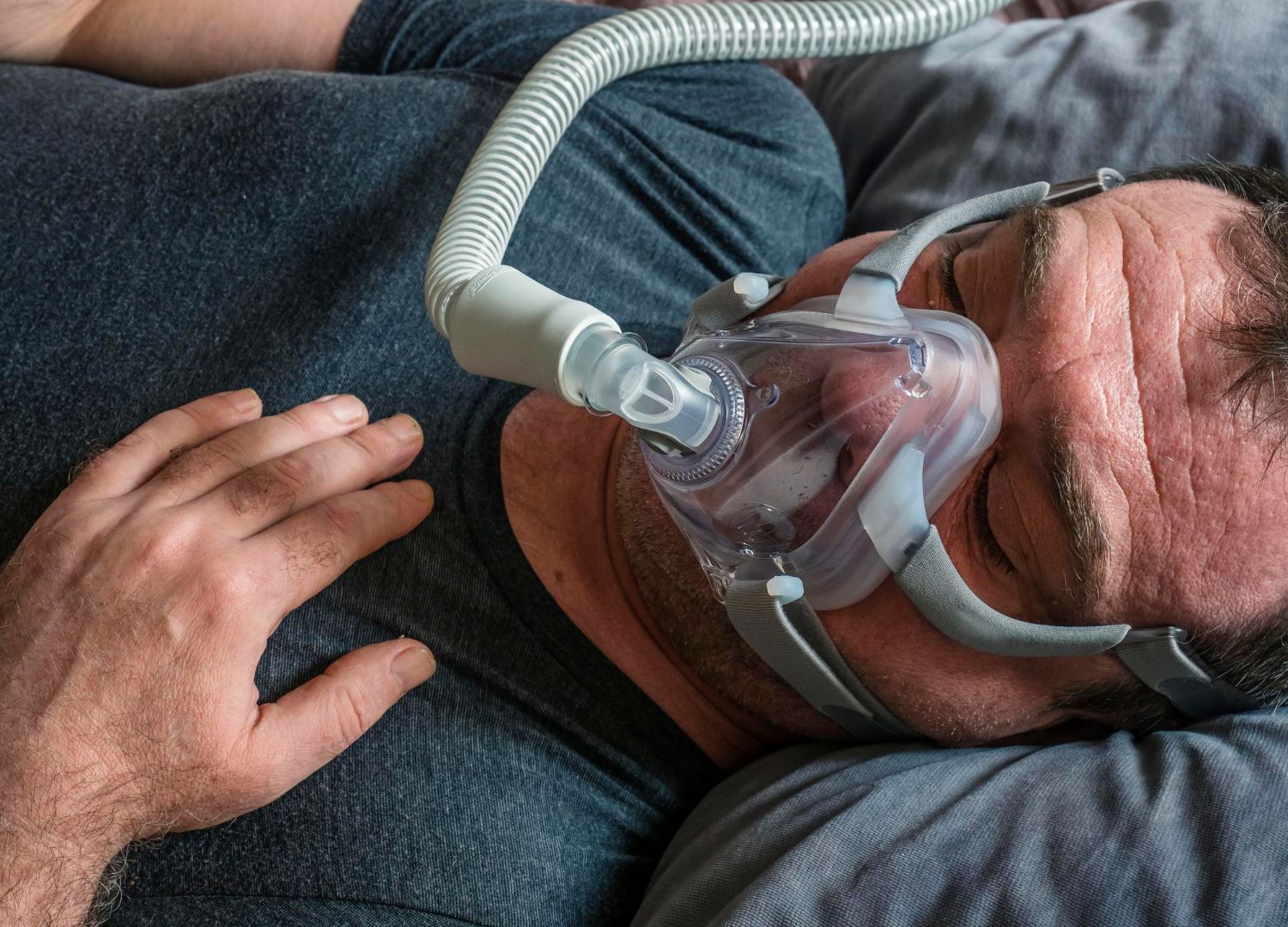
Sleep apnea is a serious condition that affects your breathing while you sleep. If you wake up tired or experience snoring, you might be dealing with this common issue.
Sleep apnea can lead to various health problems like heart disease, stroke, and high blood pressure. Addressing it early can improve your overall well-being. Fortunately, there are effective treatments available, and Dr. Fay is here to guide you through them.
In this article, we will explore what sleep apnea is, the treatments offered by Dr. James Fay, tips for better sleep hygiene, and how to maintain your results after treatment. You will find practical advice and solutions to ensure you sleep well and wake up refreshed.
Understanding Sleep Apnea: What It Is and Why It Matters
Sleep apnea is a condition where your breathing repeatedly stops and starts during sleep. The most common type is obstructive sleep apnea (OSA), caused by a blockage in the airway. This usually happens when the throat muscles relax too much, causing a temporary stop in breathing.
Symptoms of sleep apnea include loud snoring, gasping for air during sleep, morning headaches, and daytime fatigue. If left untreated, sleep apnea can lead to serious health issues like high blood pressure, heart disease, diabetes, and even stroke. That's why understanding and addressing sleep apnea is crucial.
Dr. James Fay explains that recognizing sleep apnea early can make a significant difference in a person's quality of life. People with untreated sleep apnea often experience poor sleep quality, which affects their overall well-being. Using various diagnostic tools, Dr. Fay can identify the presence of sleep apnea and determine the severity to prepare a tailored treatment plan.
Dr. James Fay's Effective Sleep Apnea Treatments
Treating sleep apnea often involves a combination of strategies tailored to each patient's needs. Dr. James Fay offers several effective treatments for managing sleep apnea:
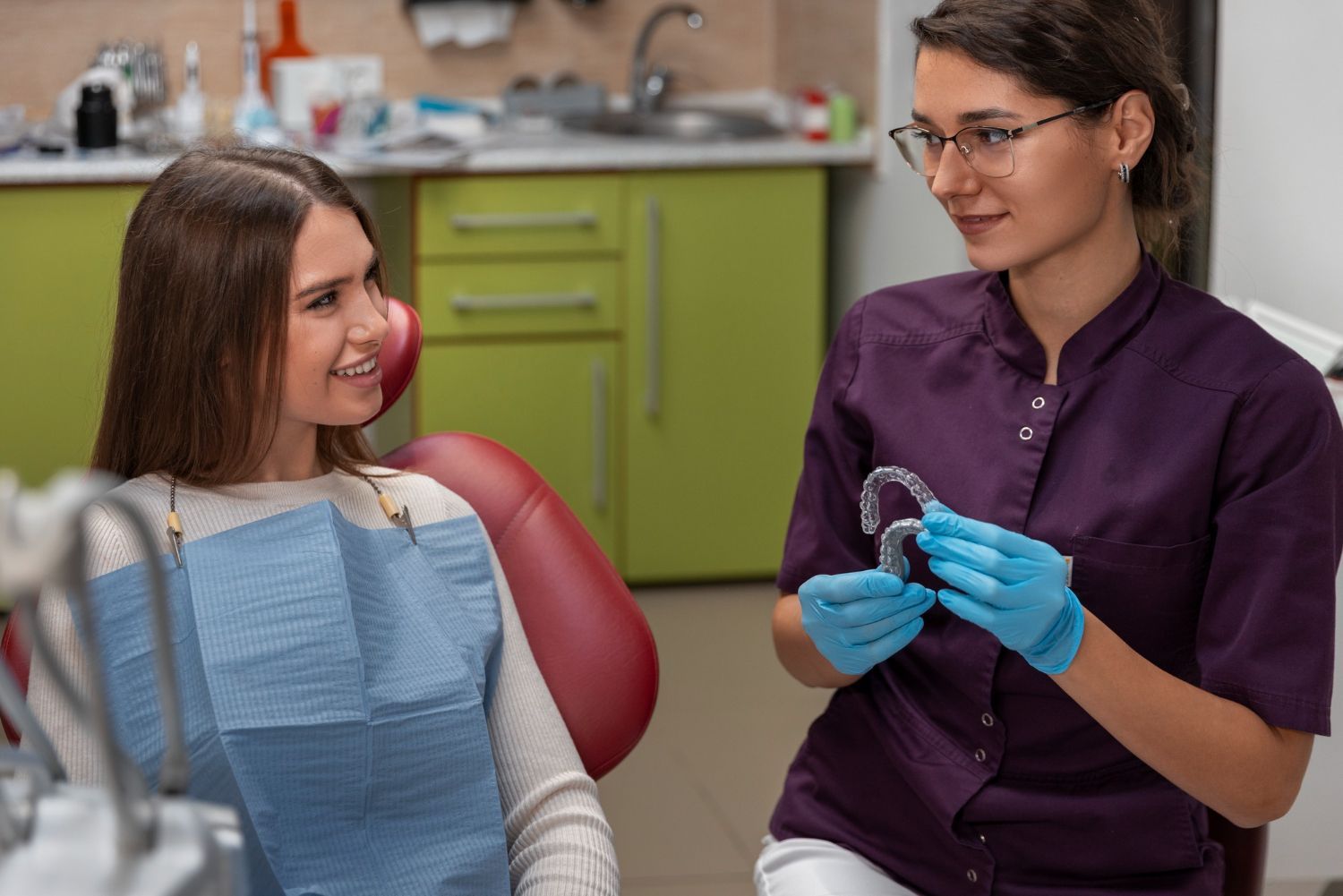
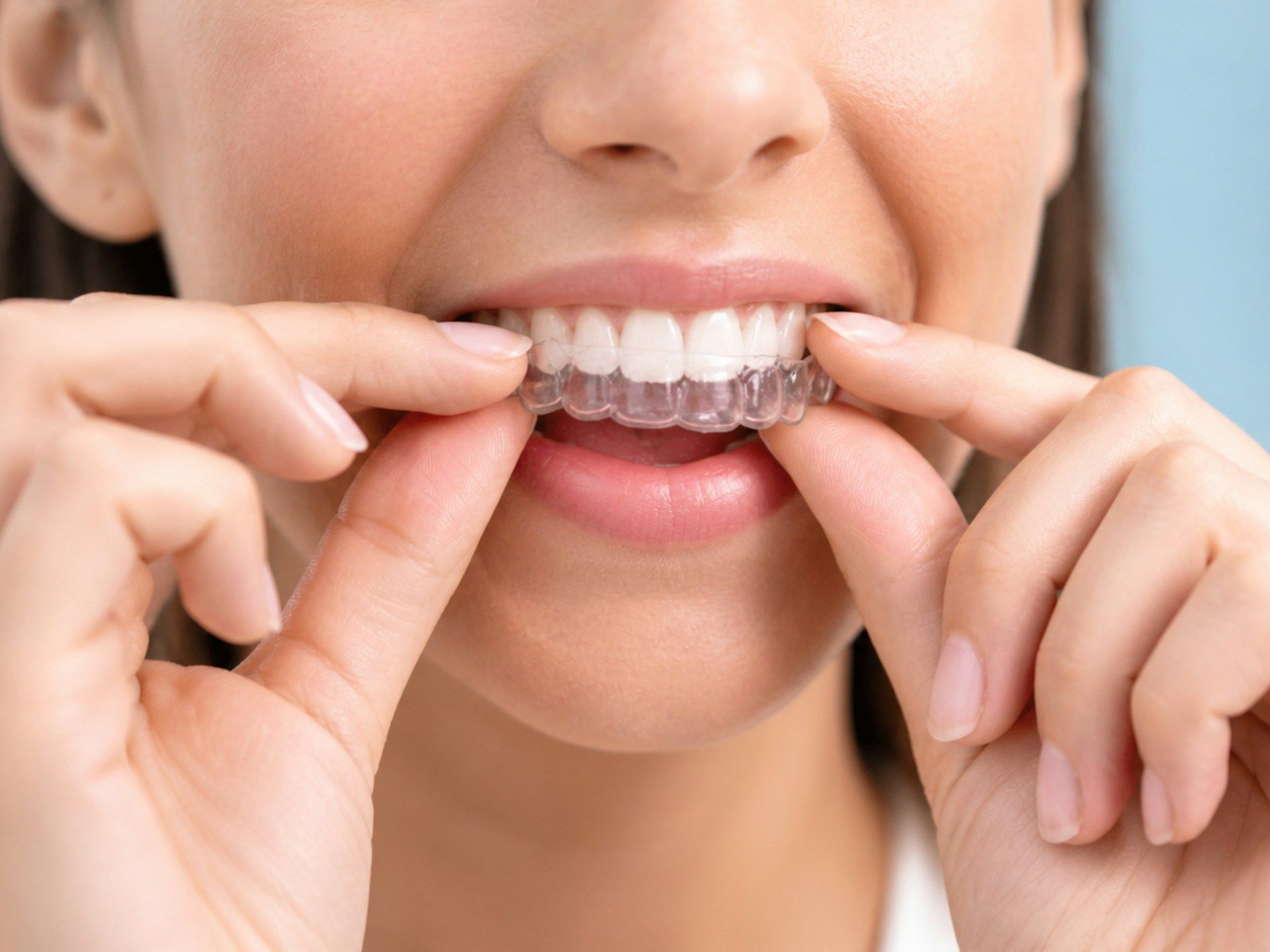
1. Oral Appliances: Dr. Fay may recommend a custom-made oral appliance designed to keep your airway open while you sleep. This device repositions your lower jaw and tongue to improve airflow. These appliances are comfortable, easy to wear, and an excellent option for mild to moderate sleep apnea.
2. Continuous Positive Airway Pressure (CPAP): For more severe cases, a CPAP machine may be recommended. This device delivers a steady stream of air through a mask, keeping your airway open. Dr. Fay will guide you in selecting the right machine and ensuring you use it correctly for optimal results.
3. Lifestyle Changes: Sometimes, simple changes can make a big difference. Dr. Fay may suggest losing weight, quitting smoking, and avoiding alcohol or sedatives before bedtime. These changes can significantly reduce sleep apnea symptoms.
4. Positional Therapy: Some people experience sleep apnea primarily when sleeping on their back. Dr. Fay may recommend positional therapy, which involves strategies to help you sleep on your side instead.
5. Surgery: In cases where other treatments are not effective, surgical options might be considered. Procedures vary from removing excess tissue from the throat to advanced techniques that help restructure the airway. Dr. Fay will discuss these options thoroughly if necessary.
Using these methods, Dr. Fay provides personalized care to help manage and treat sleep apnea effectively, allowing you to enjoy improved sleep quality and overall health.
Tips from Dr. Fay on Improving Your Sleep Hygiene
Improving your sleep hygiene can greatly enhance the effectiveness of sleep apnea treatments. Dr. James Fay shares some practical tips to help you develop better sleep habits:
1. Establish a Routine: Go to bed and wake up at the same time every day, even on weekends. This helps regulate your body's internal clock, making it easier to fall asleep and wake up naturally.
2. Create a Sleep-Friendly Environment: Keep your bedroom dark, quiet, and cool. Use blackout curtains, earplugs, or a white noise machine if needed. Dr. Fay recommends investing in a comfortable mattress and pillows to support restful sleep.
3. Limit Screen Time Before Bed: The blue light from phones, tablets, and computers can interfere with your ability to fall asleep. Dr. Fay advises turning off electronic devices at least an hour before bedtime to help your brain wind down.
4. Avoid heavy meals and caffeine: Eating large meals or drinking caffeinated beverages close to bedtime can disrupt your sleep. Dr. Fay suggests having your last meal a few hours before bed and opting for herbal tea instead of coffee in the evening.
5. Practice Relaxation Techniques: Engage in activities that help you relax before bed, such as reading, taking a warm bath, or practicing deep breathing exercises. These habits can signal your body that it's time to sleep.
6. Exercise Regularly: Regular physical activity can help you fall asleep faster and enjoy deeper sleep. However, Dr. Fay recommends avoiding vigorous exercise too close to bedtime, as it can have the opposite effect.
How to Maintain Results After Sleep Apnea Treatment
Maintaining the results of your sleep apnea treatment is essential for long-term health and well-being. Dr. James Fay offers valuable advice on how to keep your improvements steady:
1. Continue Using Treatments: If you've been prescribed a CPAP machine or an oral appliance, continue using it as directed by Dr. Fay. Stopping treatment can cause your symptoms to return.
2. Regular Follow-Ups: Schedule frequent check-ups with Dr. Fay to monitor your progress and make any adjustments to your treatment. These appointments help ensure that your sleep apnea remains under control.
3. Maintain a Healthy Lifestyle: Keep the weight off if you've lost weight through a balanced diet and regular exercise. Dr. Fay highlights that maintaining a healthy weight can reduce the severity of sleep apnea symptoms.
4. Avoid Triggers: Limit alcohol, sedatives, and smoking, as these can worsen sleep apnea. Dr. Fay advises staying away from these triggers to keep your airway open and reduce sleep disruptions.
5. Stay Consistent: Good sleep hygiene and lifestyle changes should be maintained even after treatment. Consistency is key to preventing the recurrence of sleep apnea symptoms.
6. Educate Yourself: Keep learning about sleep apnea and stay updated on new treatments. Dr. Fay believes that being informed empowers you to make better decisions about your health.
Dr. Fay's tips ensure that you continue to enjoy the benefits of your sleep apnea treatment. By remaining committed to your treatment plan and adopting healthy habits, you can maintain your health and sleep quality effectively.
Conclusion
Sleep apnea is a condition that requires serious attention and effective treatment. Dr. James Fay at Paget Dental provides comprehensive care to help you manage sleep apnea and improve your sleep quality.
If you're struggling with sleep apnea or need advice on improving your sleep quality, Dr. Fay and the team at Paget Dental are here to guide you. Contact us today to learn more about our
sleep apnea treatments and take the first step towards a restful night's sleep.