Sleep Apnea Solutions with Dr. Fay
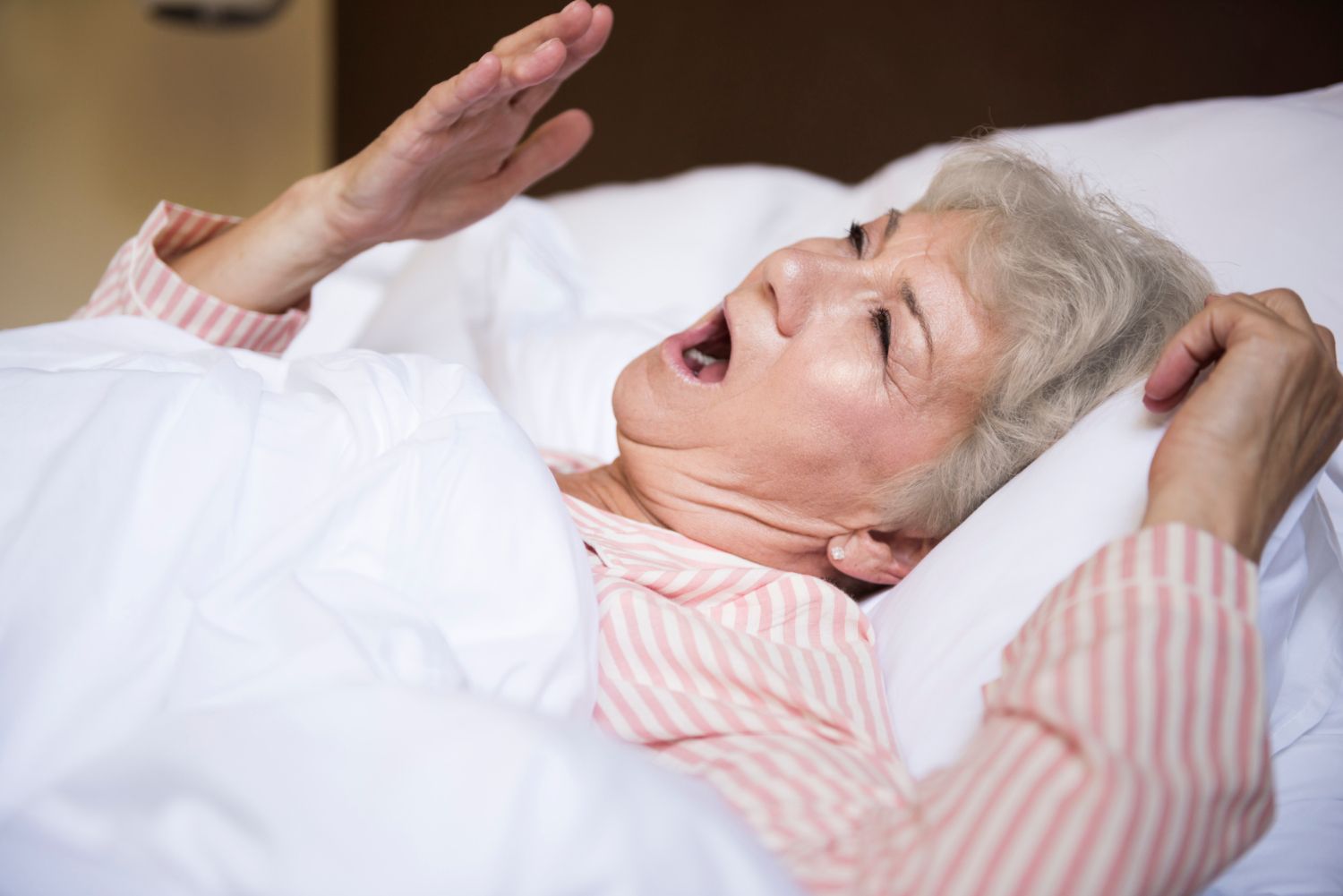
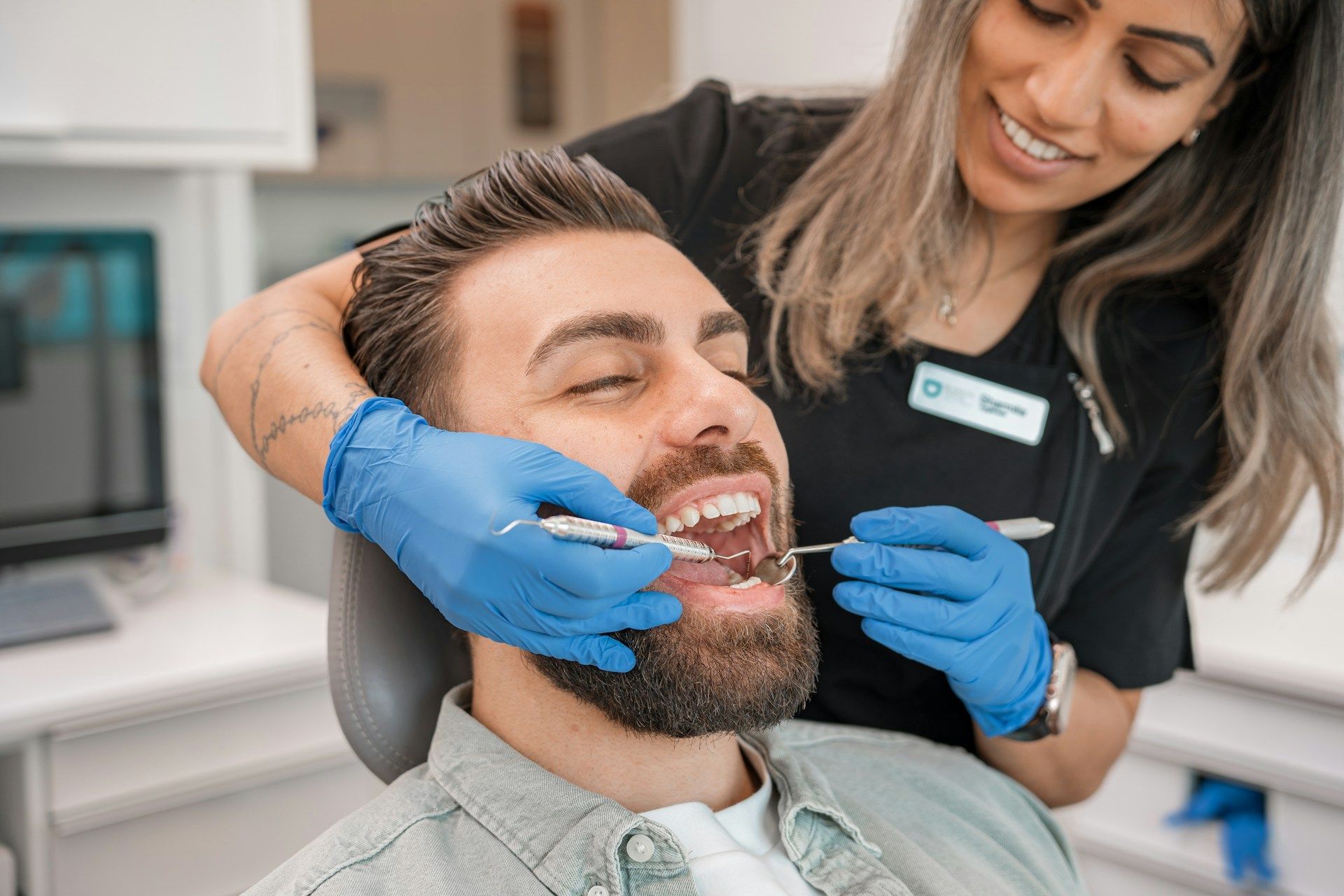
Sleep apnea is a common but serious condition that affects your breathing while you sleep. People with sleep apnea experience frequent interruptions in their breathing, which can lead to poor sleep quality and other health issues. Dr. James Fay at Paget Dental offers solutions to help manage and treat sleep apnea, improving your overall well-being and quality of life.
Untreated sleep apnea can lead to a host of problems, including fatigue, headaches, and even more severe conditions like heart disease and high blood pressure. Recognizing the signs and seeking treatment early can make a significant difference. Dr. Fay is equipped with the knowledge and tools to diagnose and treat sleep apnea effectively.
If you suspect you have sleep apnea or have been diagnosed with it, understanding your options for treatment is crucial. At Paget Dental, Dr. Fay provides a variety of treatment options tailored to your specific needs. From oral appliances to behavioral changes, there are multiple ways to manage this condition. In this article, we will explore what sleep apnea is, its signs and symptoms, the treatments available at Paget Dental, and tips for managing sleep apnea at home.
Understanding Sleep Apnea and Its Impacts on Health
Sleep apnea is a condition where breathing repeatedly stops and starts during sleep. These interruptions, or apneas, can last from a few seconds to a minute and can occur multiple times an hour. There are three types of sleep apnea: obstructive sleep apnea (OSA), central sleep apnea, and complex sleep apnea syndrome. OSA is the most common form and occurs when the throat muscles relax too much and block the airway.
The impacts of sleep apnea on health are significant. One major issue is daytime fatigue. Because your sleep is interrupted multiple times a night, you never get the restful sleep needed to feel refreshed. This can lead to difficulties in concentrating and an increased risk of accidents. Moreover, poor sleep can worsen mental health conditions like anxiety and depression.
Sleep apnea also puts a strain on your cardiovascular system. The repeated drop in blood oxygen levels can raise your blood pressure and strain your heart. It can lead to high blood pressure, heart disease, stroke, and even type 2 diabetes. Recognizing these potential health impacts early on can encourage people to seek diagnosis and treatment, improving their overall quality of life.
Signs and Symptoms of Sleep Apnea
Recognizing the signs and symptoms of sleep apnea is the first step toward getting treatment. Here are some common indicators:
1. Loud Snoring: One of the most common signs of sleep apnea is loud, chronic snoring. It occurs due to the partial blockage of your airway.
2. Gasping for Air During Sleep: People with sleep apnea often wake up abruptly, gasping for air. This happens because the body is trying to breathe despite the airway being obstructed.
3. Morning Headaches: Frequent morning headaches are another symptom caused by the reduced oxygen levels during sleep.
4. Daytime Sleepiness: If you find yourself feeling excessively sleepy during the day, despite having slept all night, it could be a sign of sleep apnea. This is due to the repeated interruptions in your sleep cycle.
5. Difficulty Concentrating: Sleep apnea can make it hard to focus or stay alert. It affects your mental clarity and overall cognitive functions.
6. Mood Changes: Sleep deprivation from sleep apnea can lead to irritability, anxiety, or depression.
If you notice one or more of these symptoms, it is important to discuss them with a healthcare provider. A proper diagnosis through a sleep study or other methods can confirm whether you have sleep apnea and help in developing an effective treatment plan. Recognizing these signs early can lead to better outcomes and improve your quality of life.
Sleep Apnea Treatments Available at Paget Dental
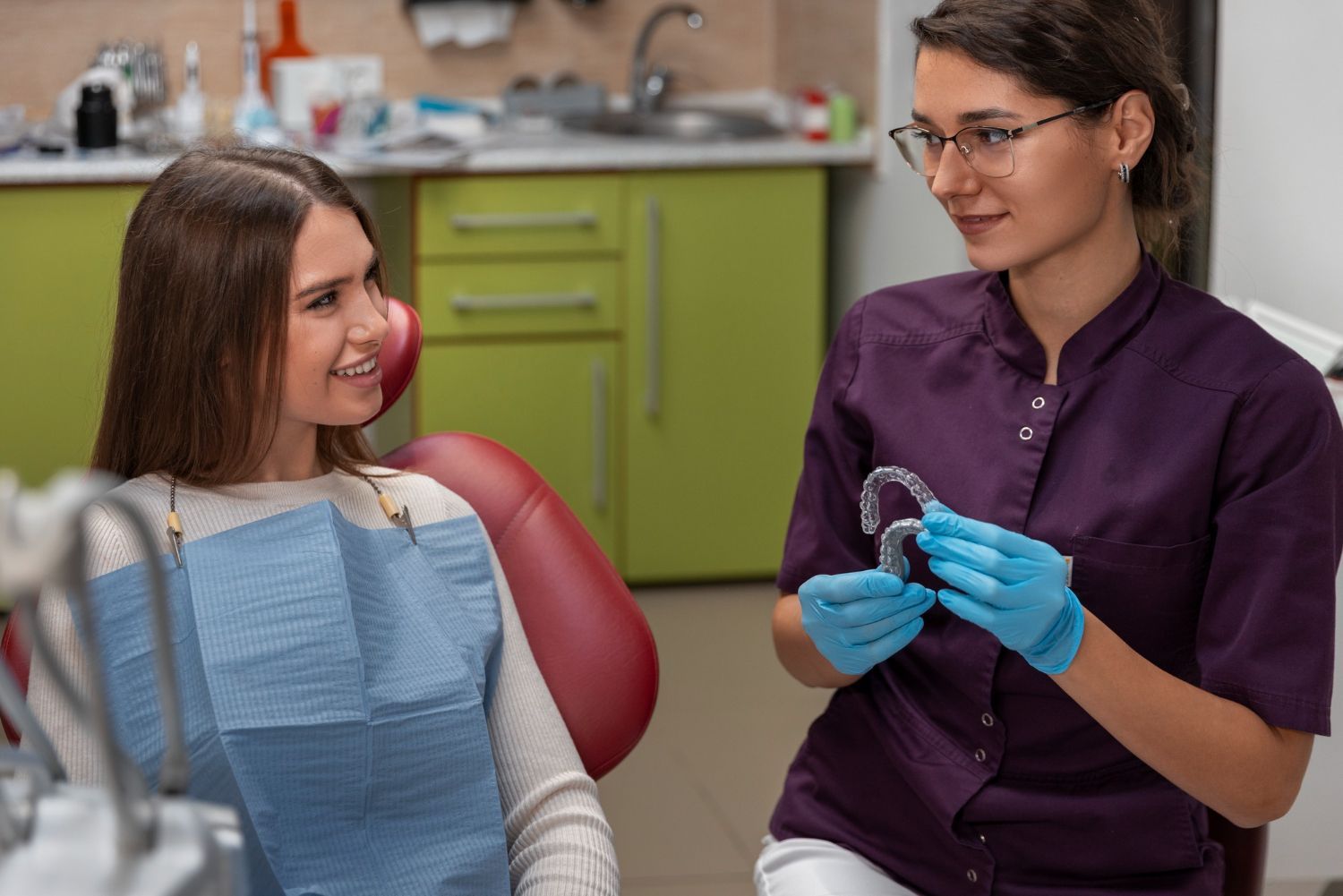
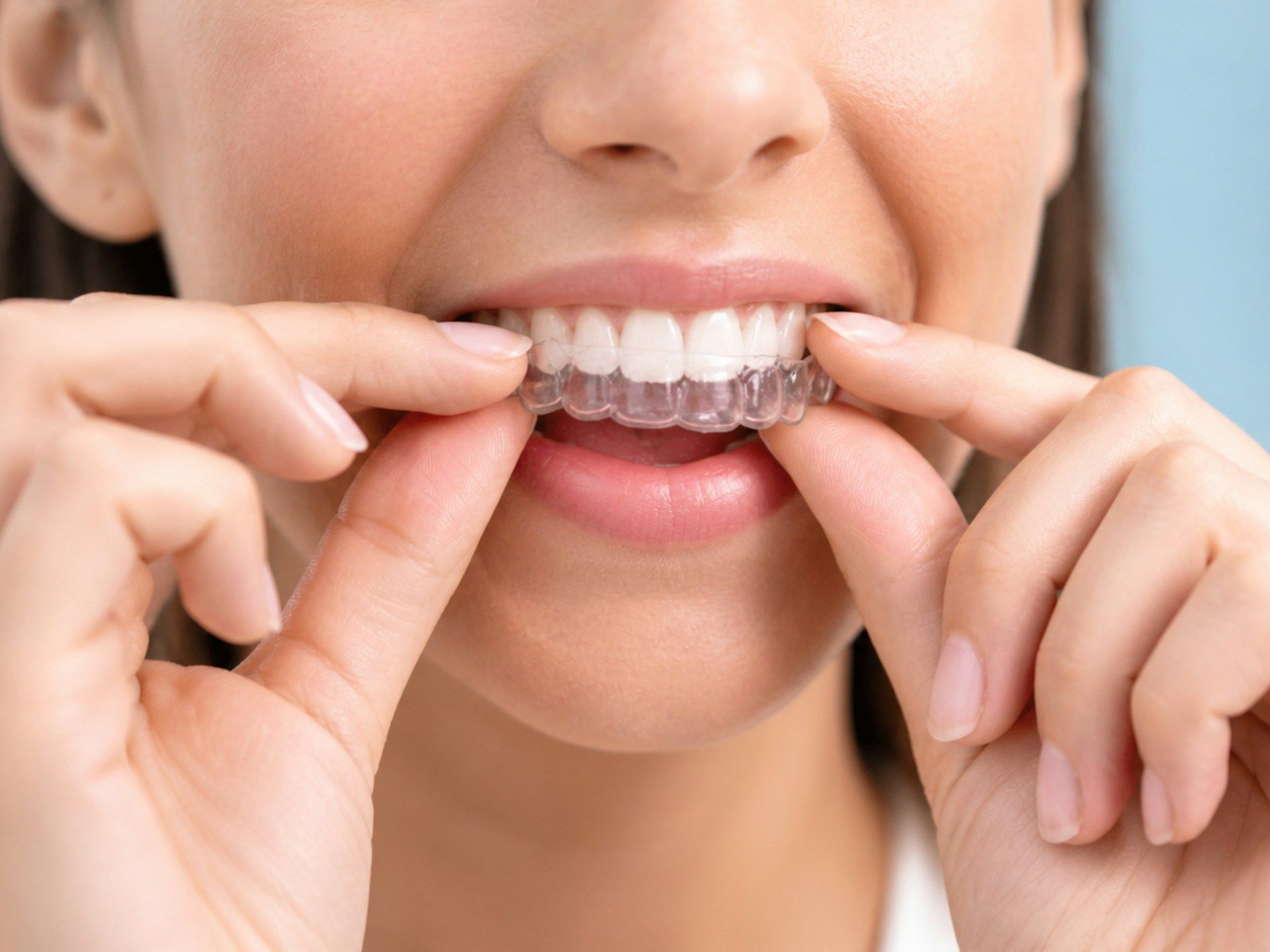
At Paget Dental, Dr. James Fay offers several treatments for managing sleep apnea. One of the most effective solutions is the use of oral appliances. These custom-made devices fit in your mouth like a sports mouthguard or an orthodontic retainer. They work by repositioning your jaw and tongue to keep your airway open while you sleep. Oral appliances are a great option for those with mild to moderate sleep apnea and are often more comfortable than CPAP machines.
Another treatment option is continuous positive airway pressure (CPAP) therapy. While typically prescribed by sleep specialists, Dr. Fay can work in conjunction with them to ensure you receive holistic care. A CPAP machine uses a mask that covers your nose or both your nose and mouth. It provides a steady stream of air that keeps your airway open throughout the night. Although it may take some getting used to, CPAP is highly effective for severe sleep apnea.
In addition to oral appliances and CPAP, Dr. Fay may recommend lifestyle changes or treatments for underlying conditions that contribute to sleep apnea. These could include weight loss programs or treating TMJ disorders that may exacerbate your sleep apnea. Together, these solutions can significantly improve your sleep quality and overall health.
Tips for Managing Sleep Apnea at Home
Managing sleep apnea at home involves making certain lifestyle changes and adopting good sleep habits. Here are some practical tips to help you manage sleep apnea on your own:
1. Maintain a Healthy Weight: Carrying extra weight, especially around the neck, can increase the risk of airway blockage. A balanced diet and regular exercise can help you maintain a healthy weight and may reduce sleep apnea symptoms.
2. Sleep Position: Sleeping on your back can cause your tongue and soft tissues to fall backward, blocking your airway. Try sleeping on your side to keep your airway open. You can use pillows to help maintain this position.
3. Avoid Alcohol and Sedatives: These substances relax the muscles of your throat, which can worsen sleep apnea. Try to avoid them, especially in the hours leading up to bedtime.
4. Quit Smoking: Smoking can inflame the upper airway and aggravate sleep apnea. Quitting smoking improves your overall health and helps manage sleep apnea.
5. Keep a Regular Sleep Schedule: Go to bed and wake up at the same time every day, even on weekends. Consistency helps regulate your body's internal clock and improves sleep quality.
6. Elevate Your Head: Using an extra pillow or a bed wedge to elevate your head can help keep your airway open while you sleep.
By incorporating these tips into your routine, you can better manage sleep apnea symptoms and improve your sleep quality. These changes, along with treatments from Dr. Fay, can make a significant difference in your overall health.
Conclusion
Sleep apnea is a serious condition that can impact your health and quality of life. Understanding the condition, recognizing its symptoms, and seeking effective treatments are essential steps toward better sleep and overall well-being. Dr. James Fay at Paget Dental offers various solutions to help manage sleep apnea, including oral appliances and coordination of CPAP therapy. Beyond treatments available at the clinic, making lifestyle changes and adopting good sleep habits play a crucial role in managing the condition at home.
Taking action to address sleep apnea can lead to better sleep, improved health, and increased daytime energy. If you suspect you have sleep apnea or have already been diagnosed, don't wait to seek treatment. Let Dr. Fay and the team at Paget Dental guide you toward effective
sleep apnea treatment. Contact Paget Dental today to schedule a consultation and take the first step toward better sleep and a healthier life.