Recognizing When TMJ Pain Is Really a Dental Problem

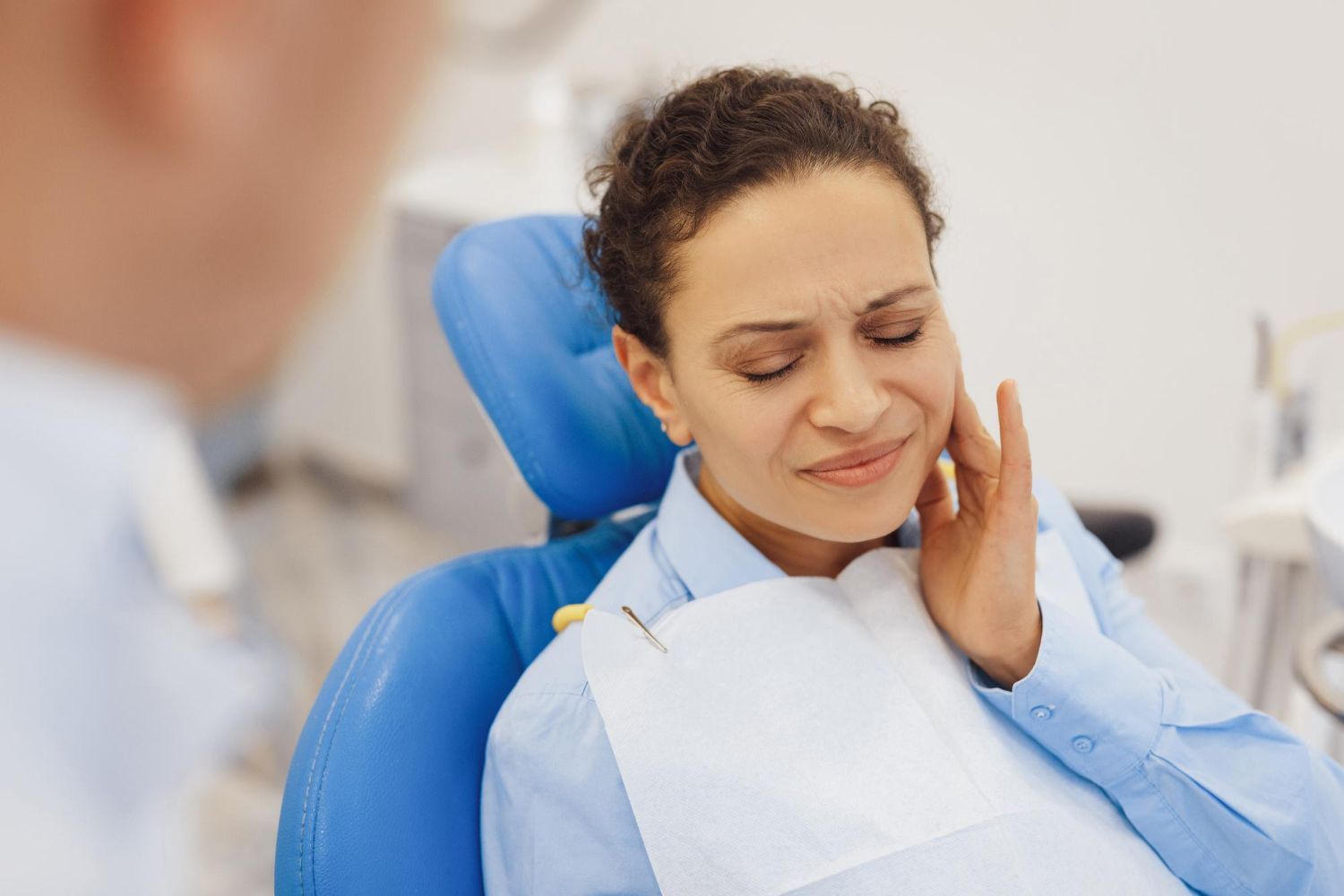
Jaw pain can be confusing. One day your bite feels fine, the next day your jaw clicks, pops, or feels tight every time you chew. Many people call this “TMJ” and try to push through it with pain tablets or jaw stretches. But a sore jaw is often a sign that something deeper is going on with your teeth and bite.
TMJ stands for temporomandibular joint, the hinge that connects your lower jaw to your skull. When this joint and the muscles around it are not working in harmony, we call it a TMJ disorder. These problems are often misunderstood, because the pain can show up in many ways, like headaches, ear pain, or toothache, and they are easy to mislabel as simple stress or “sleeping funny.”
What many people do not realize is that dental issues often sit at the center of TMJ pain. An uneven bite, missing teeth, grinding or clenching can push the jaw into an unhealthy position. When we look at the whole mouth, not just the joint, we can uncover the real cause of the pain. A careful dental evaluation can lead to longer-lasting relief than only treating symptoms at the surface.
Common Signs Your TMJ Pain Is Really a Dental Issue
Not all jaw pain comes from the joint itself. Sometimes your teeth are sending out distress signals. Certain patterns point strongly to a dental cause.
You may notice things like:
- Pain that worsens when you chew or bite into firmer foods
- Jaw discomfort that feels stronger on one side, near specific teeth
- Teeth that look shorter, flatter, or more worn than they used to
- Chipped or cracked teeth without a clear injury
There are often related symptoms too, which show up beyond the jaw joint:
- Morning headaches or a “heavy” feeling in your face
- Facial muscle fatigue, like your cheeks or jaw are tired
- Tooth sensitivity to hot or cold that does not go away
- Trouble opening wide or a feeling that your jaw locks or catches
If simple home care, like soft foods or gentle stretches, only helps for a short time, that is a sign it is time to look deeper. Many people start searching “TMJ treatment” when they notice that pain relievers keep wearing off and the discomfort keeps coming back. That cycle usually means there is a bite or tooth issue still waiting to be found.
How Your Bite and Teeth Can Trigger Jaw Joint Pain
Your bite is more than how your smile looks. It is how your upper and lower teeth meet every time you swallow, chew, or even rest. When this meeting point is off, your jaw joints and muscles feel it.
Problems that can push your jaw into trouble include:
- Malocclusion, when teeth do not line up properly
- Missing teeth, which leave gaps and change how the jaw closes
- Old or poorly fitting fillings, crowns, or bridges
- Teeth that have shifted over time
When your bite is imbalanced, your jaw has to keep adjusting to find a “comfortable” position. The body tries to self-correct. That often leads to clenching and grinding, especially at night. Over time, this constant pressure can inflame the TMJ and strain the chewing muscles. You might hear clicking, feel tightness near your ears, or wake with sore teeth.
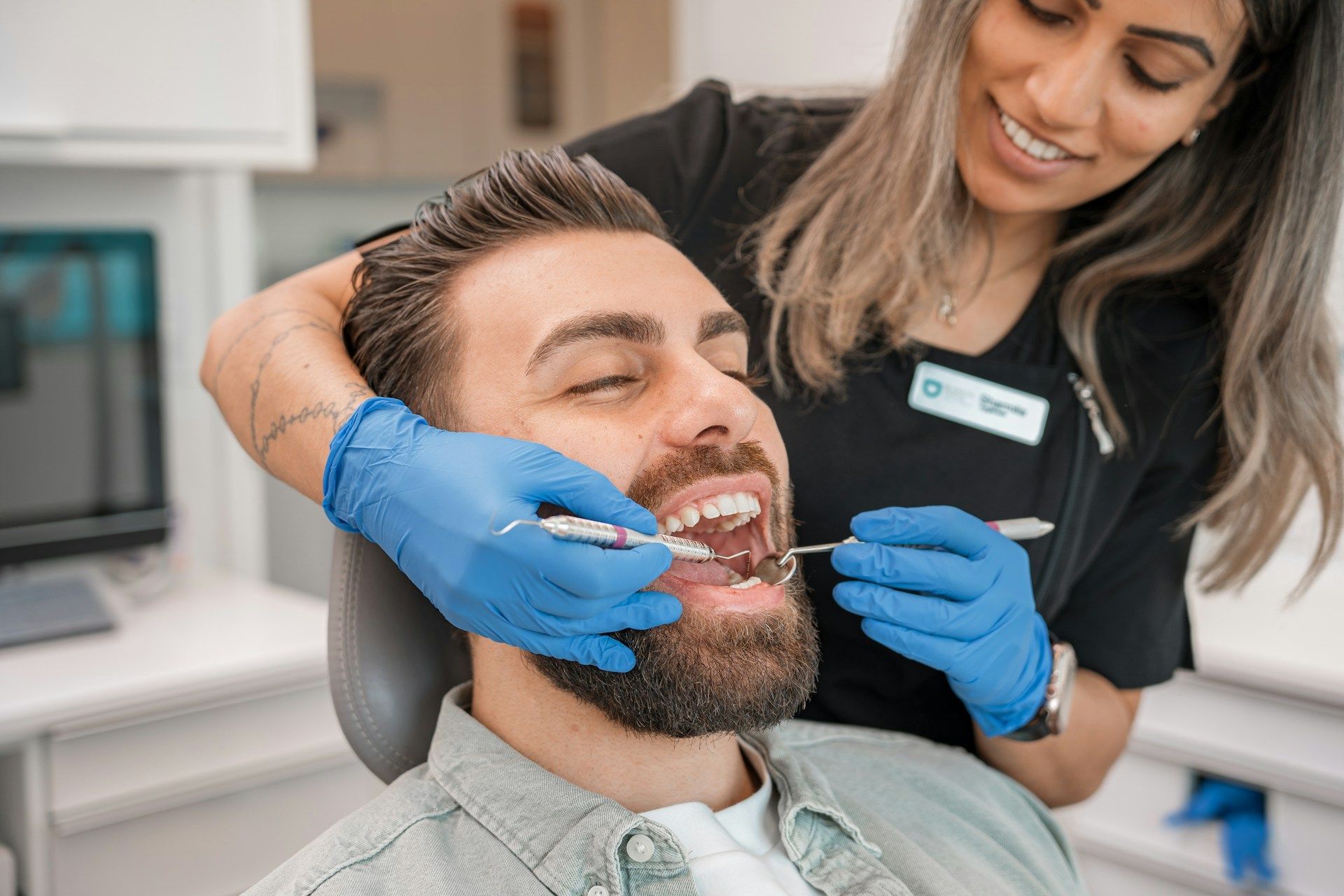
A careful dental exam can look beyond surface pain. At practices like ours, we can use advanced tools to study how your teeth touch, how your jaw moves, and how the joint itself is working. Instead of guessing, we look at how the forces in your bite are affecting the joint and muscles, then match that to your symptoms.
Dental Treatments That Calm TMJ and Protect Your Smile
The good news is that TMJ pain with a dental cause often responds well to thoughtful, step-by-step care. The goal is to calm the joints and muscles while also protecting and balancing your teeth.
Conservative options may include:
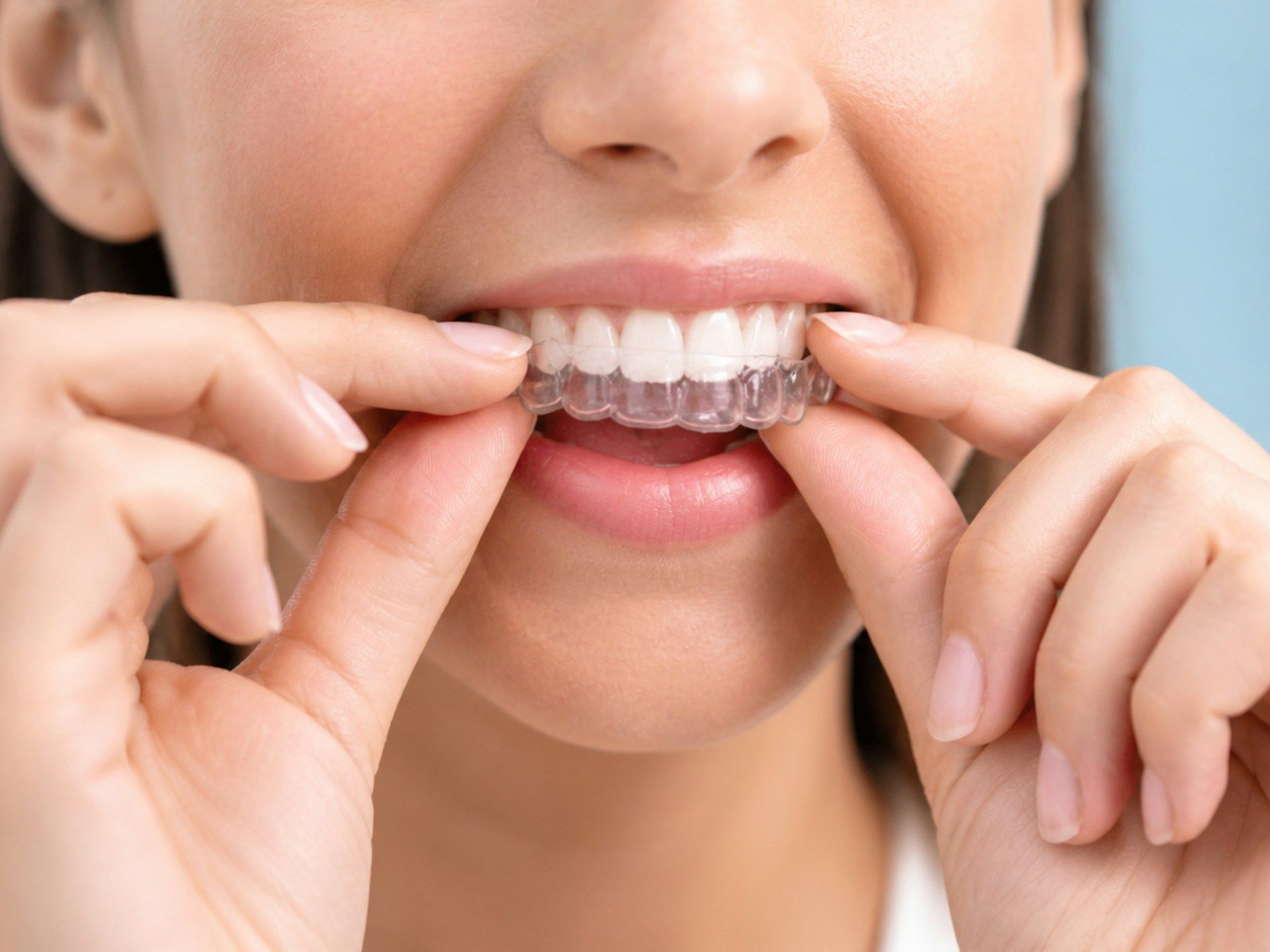
- Custom bite splints or nightguards, to reduce clenching and grinding
- Small bite adjustments to smooth out early or uneven contacts
- Targeted restorative work on specific teeth that are taking too much force
Sometimes, the jaw and teeth have been under stress for a long time. In these cases, more comprehensive care might be needed. That can include rebuilding worn teeth, replacing missing teeth with dental implants, or full smile rehabilitation to create a more even, comfortable bite. When the bite and jaw work in harmony, the TMJ has a chance to calm down.
People often come to this point after trying short-term fixes. They search for “TMJ treatment” not just for a splint or tablets, but for someone who can look at the whole system and offer longer-lasting solutions.
Why Choosing the Right TMJ Dentist Matters
Not every mouthguard or quick fix will help if the real issue is how your teeth and joints fit together. That is why the person you choose for TMJ care matters so much.
A dentist with advanced training in TMJ, bite balance, and restorative dentistry will look at more than just one sore area. They will:
- Study how your teeth come together from every angle
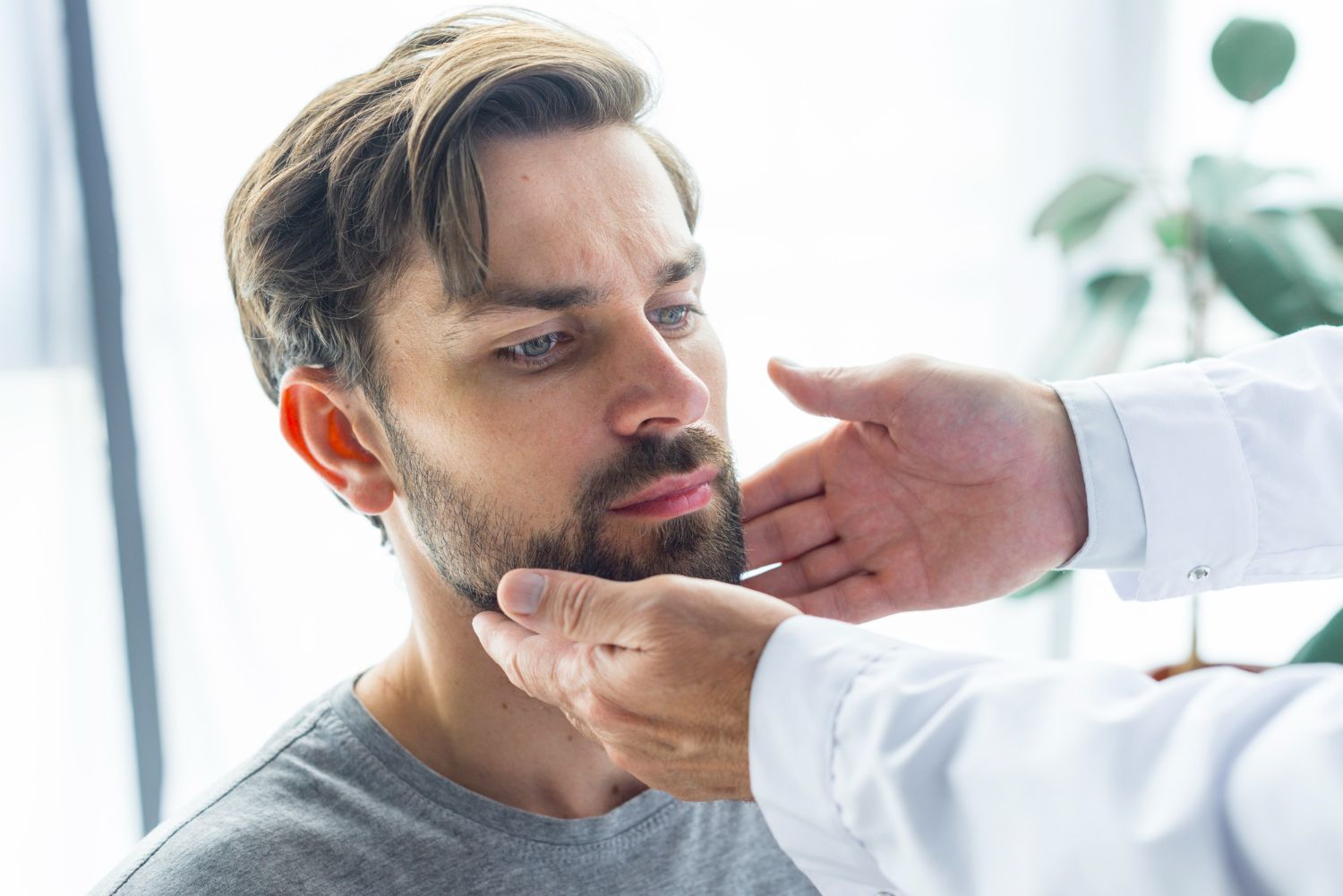
- Evaluate your jaw range of motion and any clicking or popping
- Review your medical and sleep history for issues like bruxism or sleep apnea
- Use digital imaging to see the joints, teeth, and supporting structures clearly
This kind of careful, tech-assisted approach can uncover links between your jaw pain, your bite, and your overall oral health. Here in Bermuda, our team at Paget Dental focuses on this bigger picture. We combine modern tools with a warm, family-style of care, so the process feels personal, not rushed. The goal is to understand your story, your habits, and your mouth, then build a plan that fits you.
Take the Next Step Toward Lasting TMJ Relief
If jaw pain, headaches, or sore teeth keep showing up in your day, it is your body asking for attention. TMJ problems that connect to your teeth rarely fix themselves. Waiting often means more wear on your teeth and more stress on your joints.
When you search for “TMJ treatment,” it helps to ask a few key questions. Does the dentist have experience with bite-related TMJ issues? Do they look at tooth wear, missing teeth, and restorations, not just the joint? Can they offer both conservative options and more complete treatment if needed?
Finding and treating the dental source of TMJ pain can do more than ease your jaw. It can protect your teeth from cracking and wear, make chewing more comfortable, and support your long-term oral health. At Paget Dental, we believe your jaw, teeth, and smile should all work together, so you can eat, speak, and laugh without thinking about pain.
Relieve Jaw Pain And Protect Your Smile Today
If jaw pain, headaches, or difficulty chewing are disrupting your life, we are ready to help you find long-lasting relief with personalized TMJ care. Schedule an appointment for
TMJ treatment so we can evaluate your symptoms and create a plan tailored to your needs. At Paget Dental, we use careful diagnostics and gentle techniques to address the root cause of your discomfort. Reach out through our
contact uspage to get started.