How to Prevent TMJ from Worsening

Temporomandibular Joint Disorder, commonly known as TMJ, can sneak up on people, turning simple actions like talking or chewing into painful tasks. The temporomandibular joint acts like a sliding hinge, connecting the jawbone to the skull. When this joint experiences strain or misalignment, it can lead to discomfort and affect daily life. Ignoring TMJ symptoms may allow them to worsen, leading to chronic pain and difficulty in performing everyday activities.
Preventing TMJ from getting worse involves a mix of understanding this condition, identifying symptoms early, and implementing effective strategies. Dr. Fay and Dr. James Fay have spent years specializing in TMJ treatment, offering insights that can help make living with this condition more manageable. They emphasize the importance of early detection and treatment options that can offer relief and improve quality of life.
Understanding TMJ and Its Symptoms
TMJ disorder involves problems with the temporomandibular joint where the jaw connects to the head. This disorder can result in a variety of uncomfortable symptoms that range from mild to severe. Noticing these symptoms early can make a big difference. Common symptoms of TMJ include:
- Jaw pain or tenderness that can spread to the neck and shoulders.
- Frequent headaches that can feel like tension headaches or even migraines.
- Clicking or popping sounds when opening or closing your mouth.
- Locking of the jaw, making it difficult to open or close the mouth.
- A tiring feeling in the face, especially after chewing or talking.
Recognizing these signs can ensure quicker attention to the disorder, preventing further complications. Dr. Fay and Dr. James Fay point out that early heartburn and tension headaches might be connected to TMJ and should not be brushed aside as minor issues. Checking in with these symptoms can help provide relief before the condition worsens.
Daily Habits to Prevent TMJ from Getting Worse
Managing TMJ effectively starts with adjusting daily habits. Creating a supportive environment for the jaw can ease symptoms and prevent them from intensifying. Here are some helpful tips that Dr. Fay and Dr. James Fay suggest:
- Maintain Good Posture: Sitting up straight, especially when working at a desk, can reduce strain on the jaw and neck.
- Choose Softer Foods: Opt for softer meals that don't require extensive chewing, easing the workload on your jaw.
- Use Warm Compresses: Applying a warm compress to the jaw area can help relax tense muscles and reduce pain.
- Take Breaks from Clenching: Becoming aware of teeth grinding or jaw clenching, often stress-induced, can prevent unnecessary strain.
- Stay Hydrated: Drinking water throughout the day helps keep joints lubricated, supporting jaw function.
These adjustments might seem small but can contribute significantly to preventing TMJ symptoms from worsening over time. By incorporating these into daily routines, individuals can create a more comfortable experience and reduce stress on the jaw. Implementing these steps with mindful attention aligns with the expertise of Dr. Fay and Dr. James Fay, who stress the importance of simple yet effective preventative measures.
Stress Management Techniques
Stress often plays a key role in making TMJ symptoms worse. It can cause muscles to tighten and increase jaw clenching, which adds more pressure to the temporomandibular joint. Learning to manage stress can help keep these symptoms at bay. Dr. Fay and Dr. James Fay recommend a few simple strategies to reduce stress and help ease TMJ discomfort.
Deep breathing is a quick and effective way to relax. It helps calm the mind and releases tension in the body, including the neck and jaw muscles. Give it a try by sitting comfortably, closing your eyes, and taking slow breaths in and out through your nose. This practice can make a noticeable difference over time if done regularly.
Yoga and meditation are also excellent methods to manage stress while enhancing overall well-being. These practices help in improving focus and reducing anxiety, which is beneficial for individuals dealing with TMJ. Additionally, regular physical activity such as walking or swimming can boost mood and keep stress levels down. It's a win-win for both the mind and the body.
Professional TMJ Treatments Available at Paget Dental
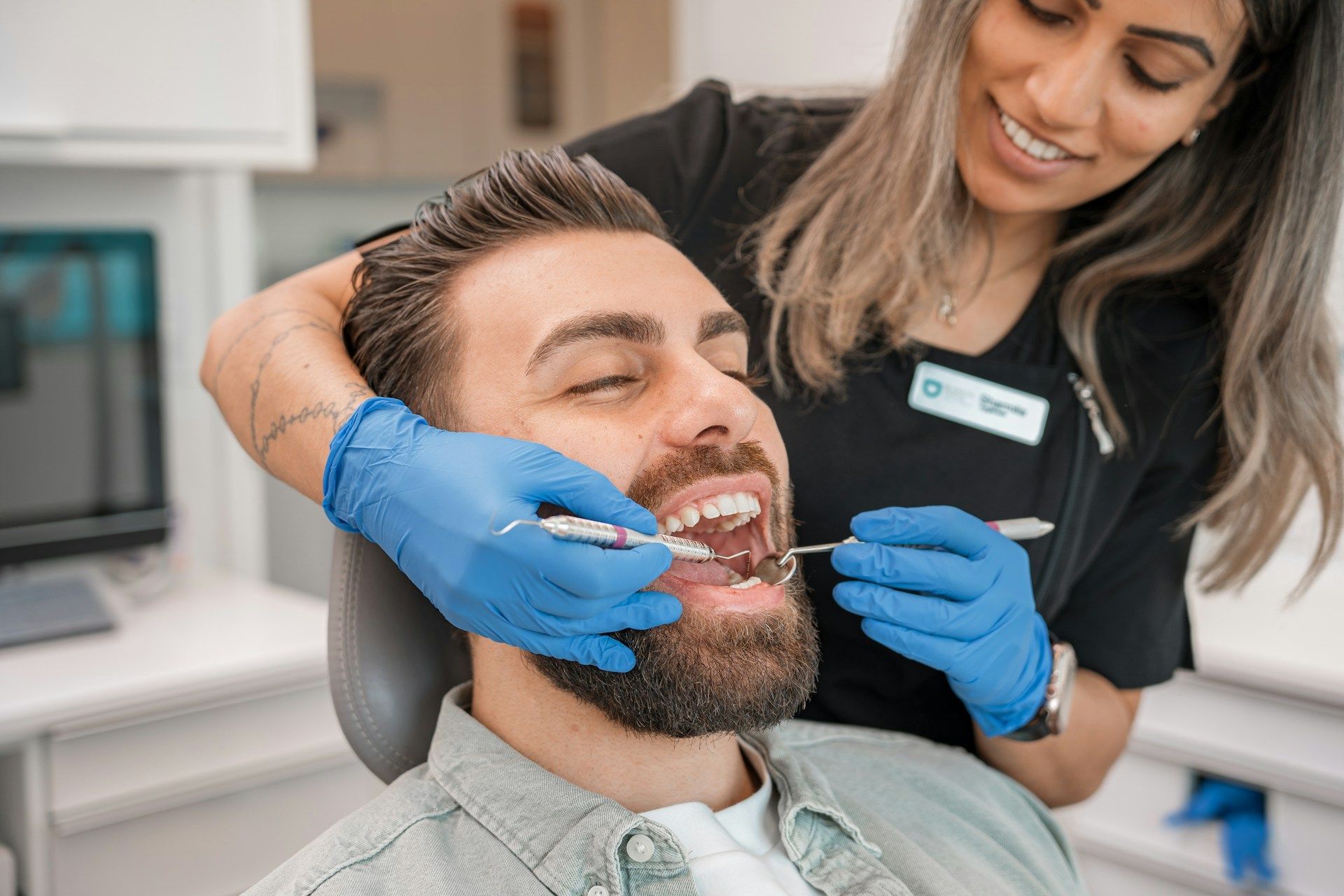
Sometimes, TMJ symptoms may persist even after making lifestyle changes, which might indicate the need for professional treatment. Dr. Fay and Dr. James Fay offer a variety of options tailored to suit individual needs. These treatments can help provide significant relief and improve jaw function.
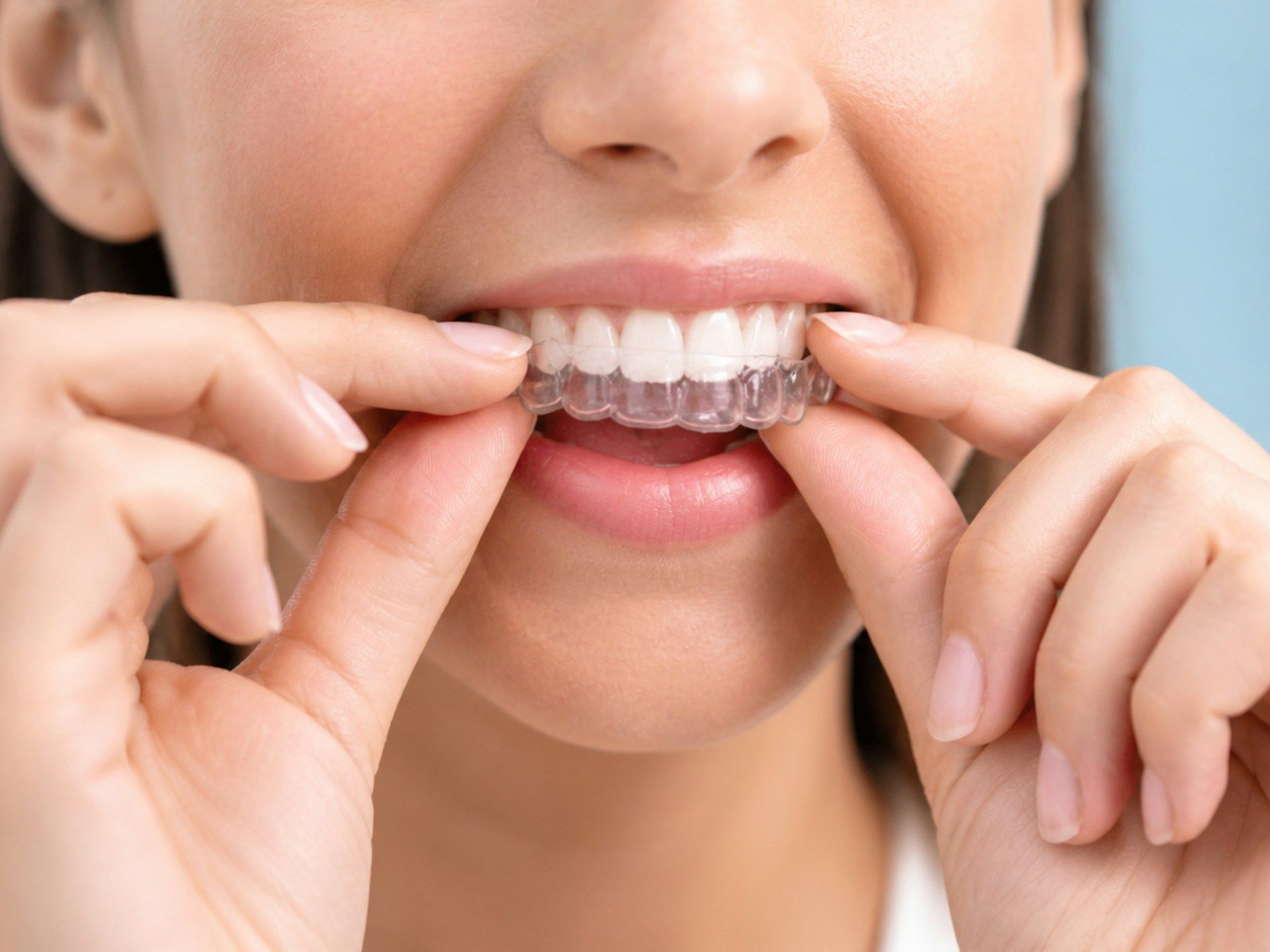
One of the most common non-invasive solutions is a mouthguard, also known as a night guard. This device is custom-made to fit over your teeth, helping prevent grinding and clenching during sleep. By reducing strain on the jaw, it can alleviate pain and discomfort effectively.
Physical therapy is another option that can strengthen jaw muscles and improve mobility. The therapy may include exercises tailored by professionals to enhance joint function. For severe cases, Dr. Fay and Dr. James Fay might suggest more advanced treatments to address deeper structural issues, always prioritizing a personalized approach to care.
Creating a TMJ Prevention Plan
Crafting a comprehensive plan to manage TMJ involves combining daily habits with relaxation techniques and seeking appropriate medical assistance when needed. Addressing the condition from multiple angles can yield better results and offer a higher quality of life.
By understanding the triggers and symptoms of TMJ, individuals can take proactive steps to manage their condition effectively. Implementing specific daily habits and stress-reducing activities can support overall jaw health. The expertise of professionals like Dr. Fay and Dr. James Fay ensures that you receive guidance and treatment options suited to your personal circumstances.
Personalized TMJ Care with Dr. Fay at Paget Dental in Bermuda
Maintaining jaw health and preventing TMJ symptoms from worsening requires a mindful approach and informed decisions. Identifying early signs, making lifestyle adjustments, and considering professional care can make a significant impact. There's no one-size-fits-all solution, but with the right approach, living comfortably with TMJ becomes achievable.
When you're ready to address your jaw discomfort and find effective relief, explore the TMJ treatment options available with Dr. Fay and Dr. James Fay at Paget Dental. Their personalized approach and expertise can help you manage symptoms and improve your overall well-being in Bermuda.