Effective Tips for TMJ Relief

Have you ever felt a persistent ache in your jaw or had trouble moving it? These might be signs of a TMJ disorder. TMJ stands for temporomandibular joint, which connects your jawbone to your skull. It's essential for everyday actions like talking and eating. When this joint doesn't function properly, it can lead to discomfort and more serious symptoms if left unchecked.
Located in Bermuda, Paget Dental, led by Dr. Fay and Dr. James Fay, offers valuable insights into managing TMJ disorders. Their expertise has helped many find relief from jaw pain, addressing the root causes with practical solutions. Understanding what TMJ disorders are and recognizing the symptoms helps in taking the first steps to alleviate discomfort and maintain a healthy lifestyle.
Understanding TMJ Disorders
TMJ disorders can be confusing without some background knowledge. Essentially, the temporomandibular joint acts like a sliding hinge, allowing your mouth to perform various movements. Problems arise when these joints don't work as intended, causing pain or a clicking sound in the jaw. People with TMJ disorders often experience headaches, facial pain, and stiffness around their ears.
So, what could lead to these issues? Common causes include jaw injury, arthritis, stress, or grinding of teeth, often during sleep. Think of it like a door with rusty hinges—it still works but not without creaking or sticking. Proper diagnosis is key to address these symptoms, and it often involves a careful examination to pinpoint the underlying issues.
Simple Exercises for TMJ Relief
Exercises can offer a means to manage TMJ pain effectively. These exercises don't take much time, and when done correctly, they might help ease tension and improve jaw flexibility. Here's a simple exercise you can try:
1. Relax your jaw and keep your teeth apart.
2. Gently place your tongue on the roof of your mouth.
3. Slowly open and close your mouth several times, ensuring you don't feel pain.
For the best results, perform this several times a day, focusing on smooth motions. Remember, it's important to be consistent and gentle to prevent any further stress on your jaw. Establishing a routine with these exercises could support your jaw health and contribute to relieving discomfort.
Lifestyle Changes to Ease TMJ Pain
Adopting certain lifestyle changes can also help manage TMJ pain effectively. Simple adjustments to daily habits often make a significant difference in discomfort levels and overall well-being.
- Dietary Adjustments: Soft foods can be easier on the jaw, giving it a break from intense chewing. Consider integrating smoothies, yogurt, or finely chopped meals into your diet to reduce strain.
- Stress Management: High stress levels often lead to tighter jaw muscles. Engaging in activities like yoga or meditation can assist in managing stress, promoting relaxation.
- Sleep Posture: Make minor changes to your sleeping habits, such as sleeping on your side with a supportive pillow. This can improve jaw alignment and reduce tension.
These small steps can aid in reducing any existing TMJ pain and promoting long-term relief. By focusing on these lifestyle tweaks, you might notice a difference in how your jaw feels as you go about your daily routine.
Professional TMJ Treatment Options
When self-care doesn't fully address TMJ pain, turning to a professional can bring relief. Dr. Fay and Dr. James Fay specialize in offering personalized treatment plans tailored to individual needs.
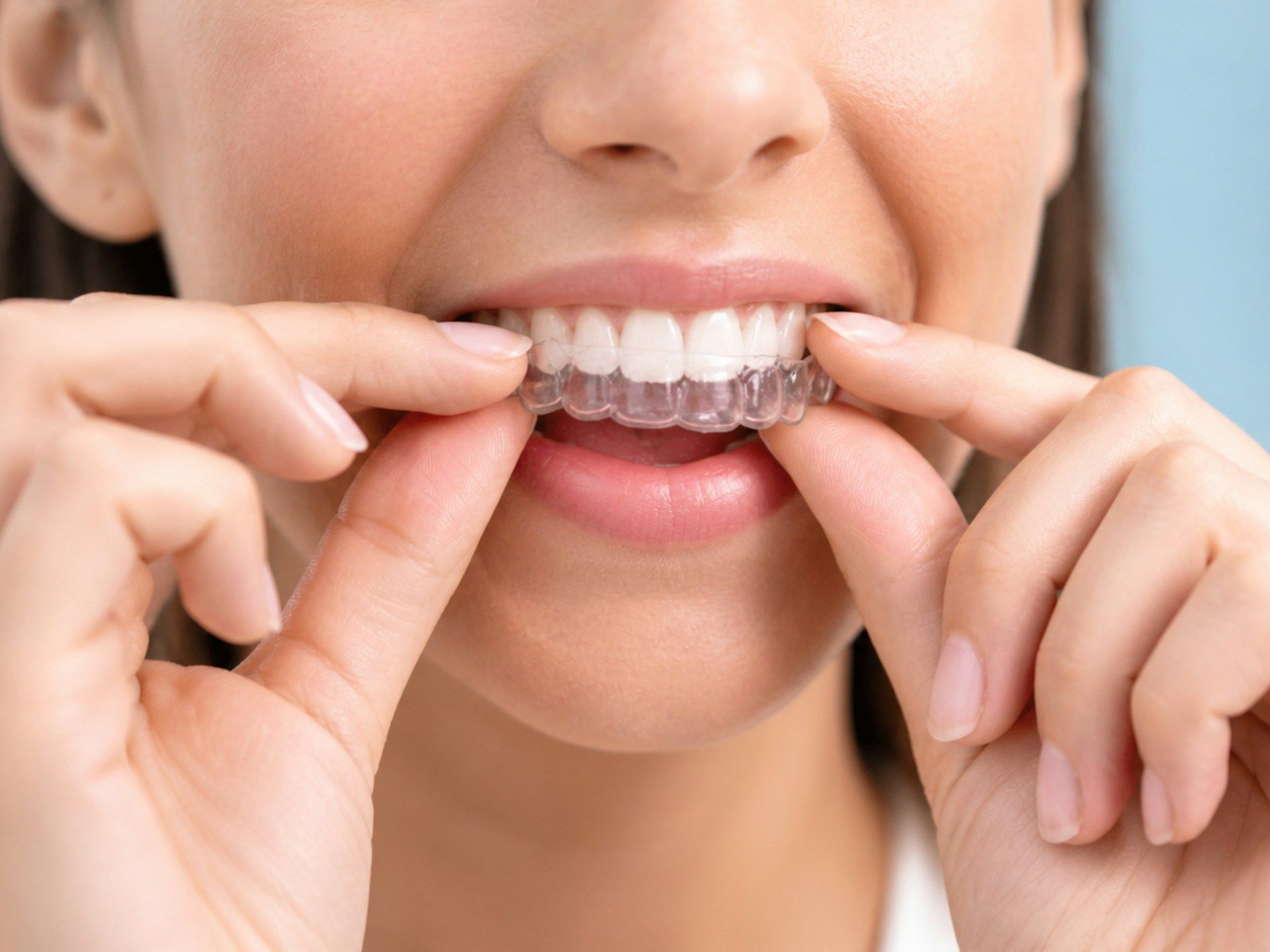
1. Oral Appliances: These custom-fit devices, often called mouthguards or splints, can help reduce jaw tension and prevent teeth grinding at night. They work by keeping the jaw in a restful position, easing stress on the joint.
2. Physical Therapy: Some patients benefit from exercises supervised by a therapist. This includes stretches and manipulation techniques to improve jaw mobility and reduce pain.
3. Medications: Depending on the severity, sometimes medications like anti-inflammatories or muscle relaxants are prescribed.
The blend of these therapies, curated by experienced professionals like Dr. Fay, ensures that patients receive comprehensive care that addresses their specific symptoms and lifestyle needs.
When to Seek Help
Knowing when to consult a professional is crucial for managing TMJ disorders effectively. If you're experiencing persistent pain or discomfort that affects day-to-day activities, it's a good time to consider reaching out for help.
Signs that it's time to get professional assistance include:
- Constant jaw pain or stiffness
- Audible clicking sounds when moving the jaw
- Difficulty or discomfort when chewing or speaking
Reaching out to professionals like Dr. James Fay reassures you that help is available. Comprehensive evaluations and tailored treatment plans can make a significant difference in improving your daily life and comfort.
Ready to Find Relief from TMJ Pain?
Living with TMJ pain affects both physical and emotional well-being. By understanding the condition, incorporating lifestyle changes, and exploring professional treatment options, relief is within reach. Taking proactive steps ensures not only a reduction in discomfort but also a better quality of life.
If TMJ pain has been a constant companion, consider reaching out to experienced providers who can guide you toward effective solutions. With the right support and care, there's no need to endure unnecessary discomfort or limit your activities. Embrace the opportunity for relief and a return to feeling your best.
If you're dealing with persistent jaw issues and looking for a path to relief, exploring your options with Paget Dental is a smart next step. Dr. Fay and Dr. James Fay are ready to help you find the right solution. Learn more about effective TMJ treatment options and how they can ease your discomfort and improve your quality of life.